
Best Adjustable Mattresses for Back Pain: What Actually Matters Before You Buy (2026)
Disclosure: We may earn a commission when you buy through links on this page, at no extra cost to you. As an Amazon Associate I earn from qualifying purchases. Learn more

Choose the best adjustable mattresses for back pain with a checklist on firmness, spinal support, cooling, base fit, trials, and safety checks.
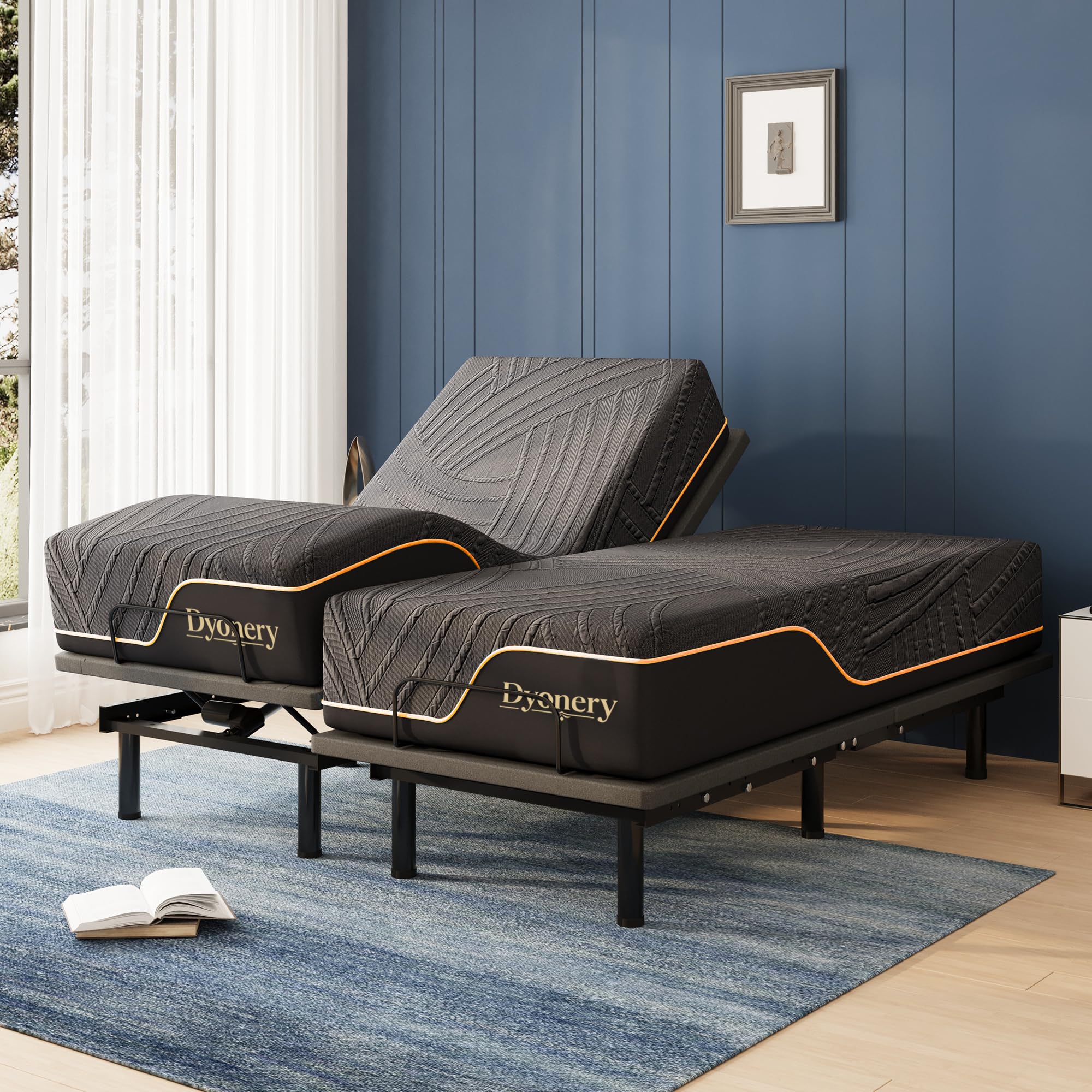
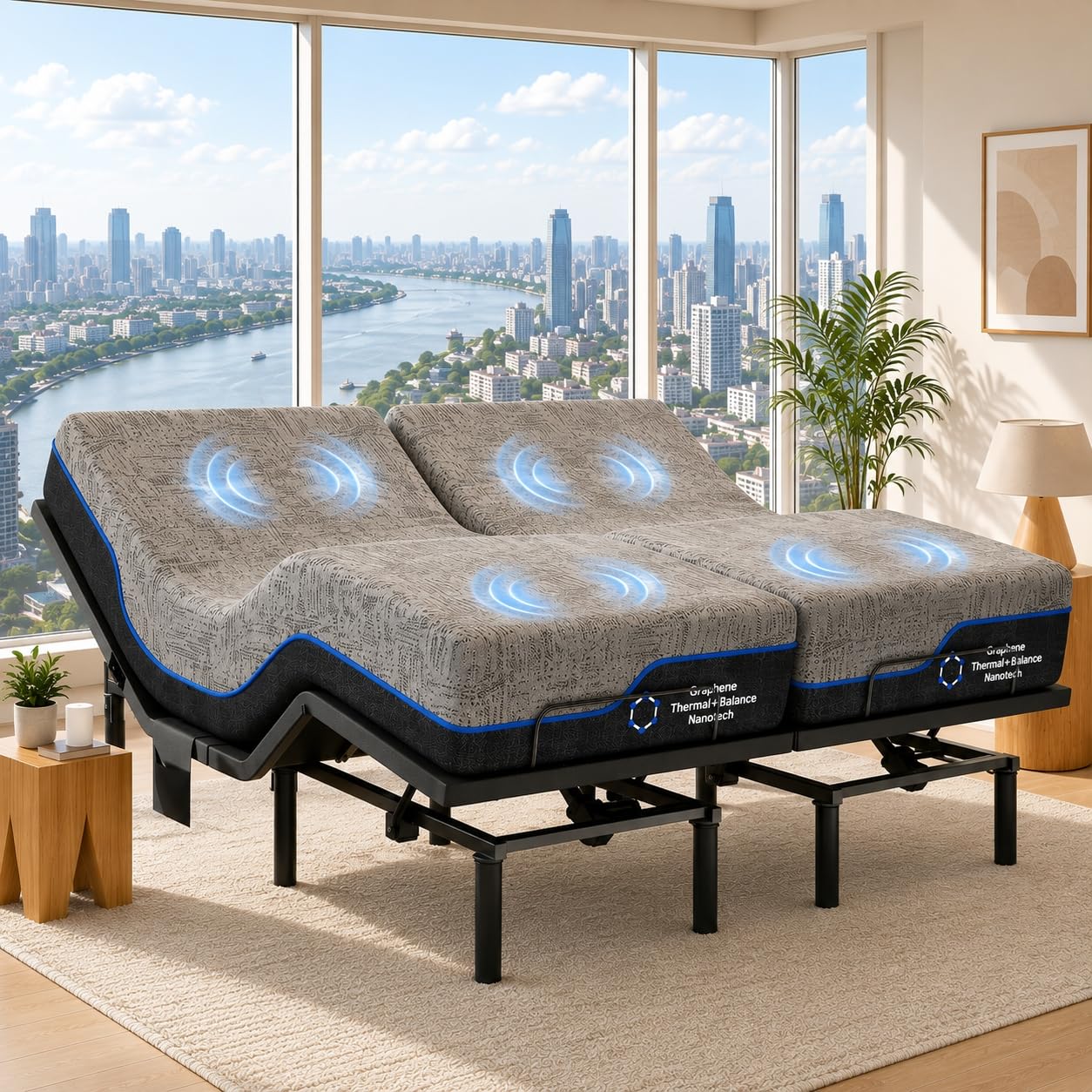
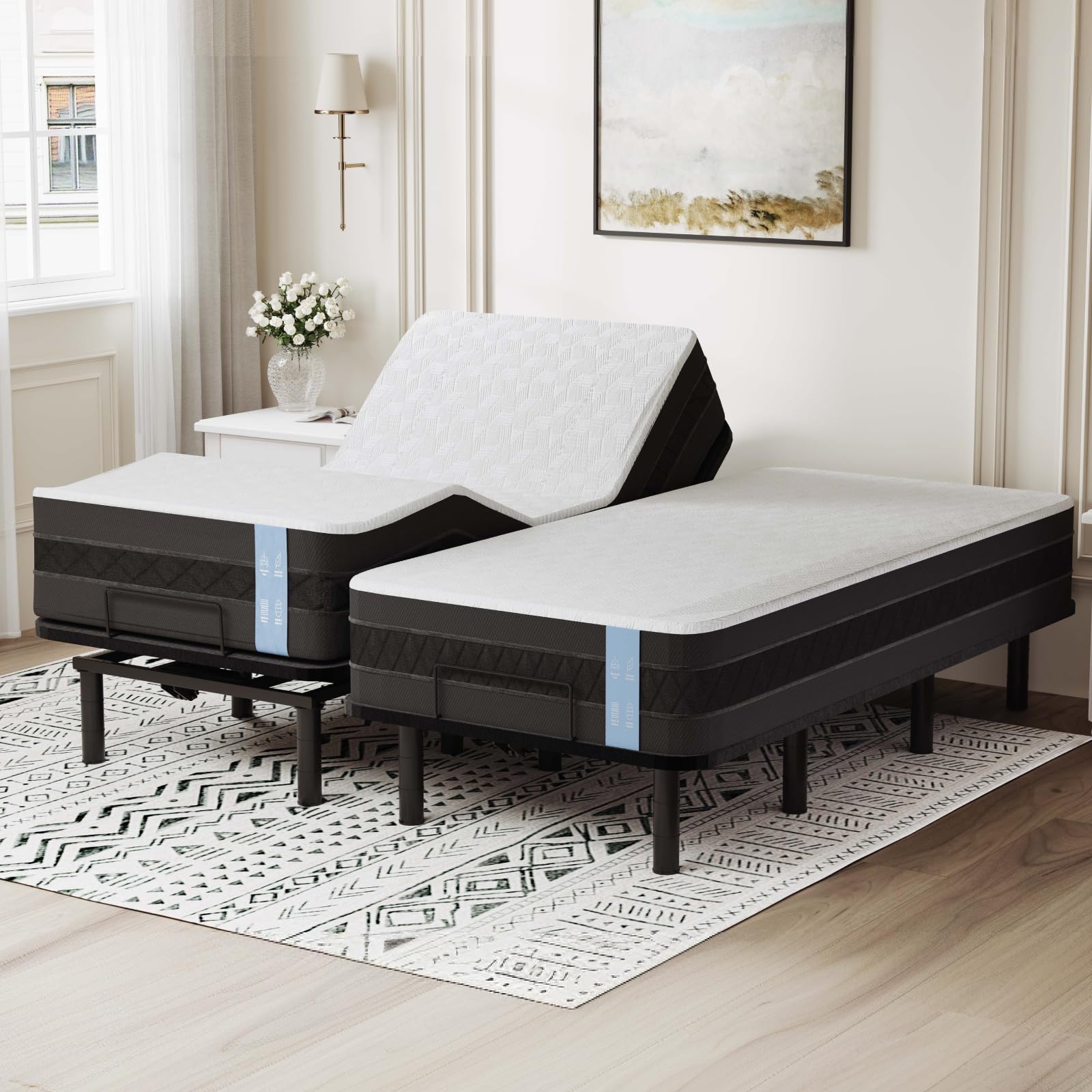
When your back aches every morning, a mattress that adjusts sounds like the answer, and it can help, because the right support and a raised head or leg position can reduce strain while you sleep. But adjustable can mean two different things: firmness you can change, and a mattress flexible enough to bend on an adjustable base. This guide uses one checklist to judge the best adjustable mattresses for back pain on both, so you buy support that fits your body, not a bundle of features.
A mattress is not a medical treatment, and it cannot fix an injured back. What it can do is keep your spine in a neutral line and remove pressure points that make pain worse overnight. Work through the criteria below then compare your shortlist in the product table.




How We Evaluate Adjustable Mattresses
We score these mattresses on the features that matter for a sore back first, then on materials, firmness fit, cooling, durability, and size. Every section ends with a clear good and poor threshold, so you can grade any listing yourself in a few minutes.
Features That Matter for Back Pain
Back pain changes what you should buy. You need a support core that holds the hips level, a comfort layer thick enough to cushion shoulders and hips, and either adjustable firmness or a base friendly build so you can raise your knees slightly, a position many back sleepers find relieving. A strong threshold to use: the mattress should keep your spine straight when viewed from the side, with no hammock dip at the waist. Seek medical care promptly if you have pain shooting down a leg, numbness, weakness, or bladder or bowel changes, because those are warning signs a mattress cannot address. The broader advice in our guide to the best mattresses for back problems is a good companion read.
Material and Fill
Memory foam contours closely and spreads pressure, which helps sore joints, but thick soft foam can let heavier hips sink too far. Latex gives springy support and tends to keep the body higher and cooler. Hybrid designs pair coils with foam or latex and usually give the firmest, most even support plus better airflow. If hybrids appeal to you, our guide to the best hybrid mattresses for back pain covers that build in detail. Whichever material you choose, the support core matters more than the top inch of comfort foam.
Firmness, Loft, and Sleep Position
Most back sleepers do best around medium firm, roughly 5 to 7 on a 10 point scale, where the lower back stays supported without the shoulders being pushed forward. Side sleepers with back pain often need a touch softer, around 4 to 6, so the shoulder and hip can sink while the waist stays lifted. Stomach sleepers need firmer support, around 6 to 8, to stop the hips dropping below the ribs. Body weight shifts every one of these ranges, so an adjustable firmness design earns its keep here. If you already know you sleep best on a firm surface, our guide to the best firm mattresses for back pain narrows that search.
Cooling and Breathability
Pain and heat are a miserable pair, because a hot sleeper changes position more often and rarely settles into the supported posture the bed was chosen for. Coils and latex move air best, while gel foams and open cell designs help dense foam sleep closer to neutral. A breathable, washable cover adds more than a cooling slogan on the label. Note that thread count describes sheet fabric, not mattress cooling, so ignore it in mattress listings. If you wake hot most nights, weight this section as heavily as firmness.
Durability and Care
A mattress bought for back pain must hold its support for years, because a sagging middle recreates the exact posture problem you paid to escape. Look for high density support foam or sturdy coils, a warranty that covers impressions of an inch or less, and a sleep trial of at least 100 nights so you can judge the bed across good and bad pain weeks. Rotate the mattress every 3 to 6 months if the maker allows it, and use a protector from day one. Keep the receipt and warranty terms, since support claims depend on them.
Size and Fit
Sizes run from twin to California king, and the right choice affects pain more than people expect. A bed that is too short forces a curled position, so tall sleepers should look at twin XL, queen, or California king lengths. Couples with different needs should consider split king setups, which pair naturally with adjustable bases and let each side differ. Check the mattress depth against your base and sheets, and confirm in writing that bending the mattress on a base will not void the warranty. Some thick or innerspring heavy models are simply not built to flex.
What Each Price Tier Usually Delivers
Use these tiers to set expectations, then check candidates against the support criteria that matter for your back.
Entry Tier: Around $400 to $800
Entry models are usually fixed firmness foam or simple hybrid beds that are flexible enough for an adjustable base. You get one feel, so the trial period does the work that adjustability would. This tier suits lighter sleepers, guest rooms, and buyers testing whether a raised sleeping position helps before spending more. Check foam density carefully here, because thin, low density support layers are the first thing to sag. If your pain is daily and significant, plan to shop at least one tier up.
Mid Tier: About $800 to $1,500
The mid tier is where back pain shoppers usually find their answer. Expect better support cores, thicker comfort layers, stronger edge support for sitting and turning, and in some designs a flippable build with two firmness options. Many models at this level are certified base friendly and carry trials of 100 nights or more. You also tend to get clearer warranty terms on sagging. For most back and side sleepers, this tier balances support quality, flexibility, and price better than either extreme.
Premium Tier: About $1,500 and Up
Premium models add true adjustable firmness, such as dual air chambers or swappable layers, plus zoned support that is firmer under the hips and softer at the shoulders. For couples who disagree on firmness, or pain that changes from week to week, that control can be worth real money. What premium pricing does not guarantee is a better match for your spine, so the trial still matters more than the feature list. Confirm the cost of replacement parts, pumps, and extra layers before you commit, because those decide the long term value.
Quick Buyer Checklist
Answer these honestly before you order. The first three matter most for a sore back.
- Does the firmness range match your sleep position and body weight?
- Is the mattress confirmed in writing as safe to bend on an adjustable base, if you use one?
- Does the trial last at least 100 nights, with free or low cost returns?
- Does the warranty cover body impressions of an inch or less?
- Can each side be set differently, if you share the bed?
- Does the support core use high density foam, latex, or sturdy coils?
- Have you ruled out warning sign symptoms that need a clinician first?
Red Flags to Watch For
Be wary of any mattress that promises to cure, fix, or heal back pain, because no bed can honestly claim that and the wording signals careless marketing. Vague support claims with no firmness scale, no foam density, and no trial length are another warning. Watch for warranties that only cover very deep sagging, since a bed can lose support long before it looks ruined. Short trials under 30 nights are a poor fit for pain shoppers, whose symptoms vary week to week. Finally, check whether using an adjustable base voids the warranty, a clause some brands hide in fine print.
How to Make Your Adjustable Mattress Last Longer
Rotate the mattress every 3 to 6 months unless the maker says otherwise, and wash sheets weekly in warm water so sweat and oils do not reach the cover. Use a mattress protector from the first night, because stains can void warranties. Keep the base slats or platform in good condition, since a flexing or broken support will make even a great mattress sag in the middle. If your design has removable layers, air them out when you rotate the bed, and note your favorite firmness settings so you can restore them after cleaning.
Adjustable Mattresses: Your Questions Answered
What features matter most in adjustable mattresses for back pain?
A level support core, the right firmness for your position, and the option to raise your knees or head matter most. Zoned support, firmer under the hips, helps many back sleepers keep a neutral spine. If hip pain travels with your back pain, our guide to the best mattresses for back and hip pain covers the overlap. Skip features you cannot feel, such as app extras, until the support basics are right.
Are cooling adjustable mattresses worth it for hot sleepers?
Yes, if you regularly wake up hot, because heat drives position changes that undo careful support. Coil and latex builds move air better than dense foam, and a washable breathable cover helps more than a gel label. One point shoppers miss: an adjustable base raised at the head can bunch bedding and trap warmth, so use lighter layers you can shed. Judge cooling by materials and construction, not by how cold the surface feels in a showroom.
Is a higher thread count always better?
No. Thread count measures the weave of a fabric like a bed sheet, and it says nothing about a mattress core, its support, or its effect on your back. Very high counts can even make sheets feel dense and warm. When you read a mattress listing, look for firmness, layer materials, and trial terms instead. Save thread count comparisons for the sheets you buy afterward, where the term actually belongs.
What firmness is best for back pain?
Medium firm suits the largest share of back sleepers, because it supports the lower back without forcing the spine out of line. Very soft beds let the hips sink into a hammock shape, and very hard beds can create pressure at the shoulders and hips that shifts your posture. Your weight and position fine tune the answer. If pain persists or worsens on any new bed after a few weeks, stop experimenting and talk with your clinician.
How often should I replace my adjustable mattress?
Plan on 7 to 10 years, and replace sooner if you can see or feel a dip where you sleep, since lost support is the enemy of a sore back. Modular and air designs can stretch that timeline when worn layers or parts can be swapped. A simple monthly check helps: lie on your back and notice whether your waist feels supported or suspended. When the answer changes for the worse, start shopping, even if the warranty clock has not run out.
How do I wash adjustable mattresses safely?
You never soak or machine wash the mattress itself. Remove and wash the cover only if the label allows it, spot clean stains with a small amount of mild detergent, and let everything dry completely before remaking the bed. Keep water away from air pumps, remotes, and any powered parts, and never use heat to speed drying on foam. If neck pain is part of your picture too, our guide to the best mattresses for back and neck pain adds pillow and alignment advice.
The Bottom Line
Support that keeps your spine level, a firmness you can fine tune, and a long home trial are the three things that matter most, in that order. Adjustability earns its price only when it helps you hit those targets as your body changes. Compare your finalists against these criteria, and you can choose the best adjustable mattresses for back pain with confidence. Before you buy, talk with your clinician about your personal symptoms and needs, especially if pain is new, severe, or changing.


