
Best Adjustable Beach Chairs in 2026: What Your Money Really Gets You at Every Price
Disclosure: We may earn a commission when you buy through links on this page, at no extra cost to you. As an Amazon Associate I earn from qualifying purchases. Learn more

Compare the best adjustable beach chairs by price, recline positions, seat height, frame and fabric, so you pay only for upgrades you will use.
Beach chairs with reclining backs range from simple folding frames that cost about as much as a casual lunch to tall padded models that cost several times more. The best adjustable beach chairs are not defined by price alone, because a light chair you carry gladly beats a heavy one left in the garage. Use the comparison table below to match price to the positions, height and support you will use.
This guide breaks spending into three tiers and shows what each tier adds, from extra recline positions to stronger frames and thicker padding. It also covers the fit checks that matter on sand, plus care steps that keep hinges and fabric working in salt air.


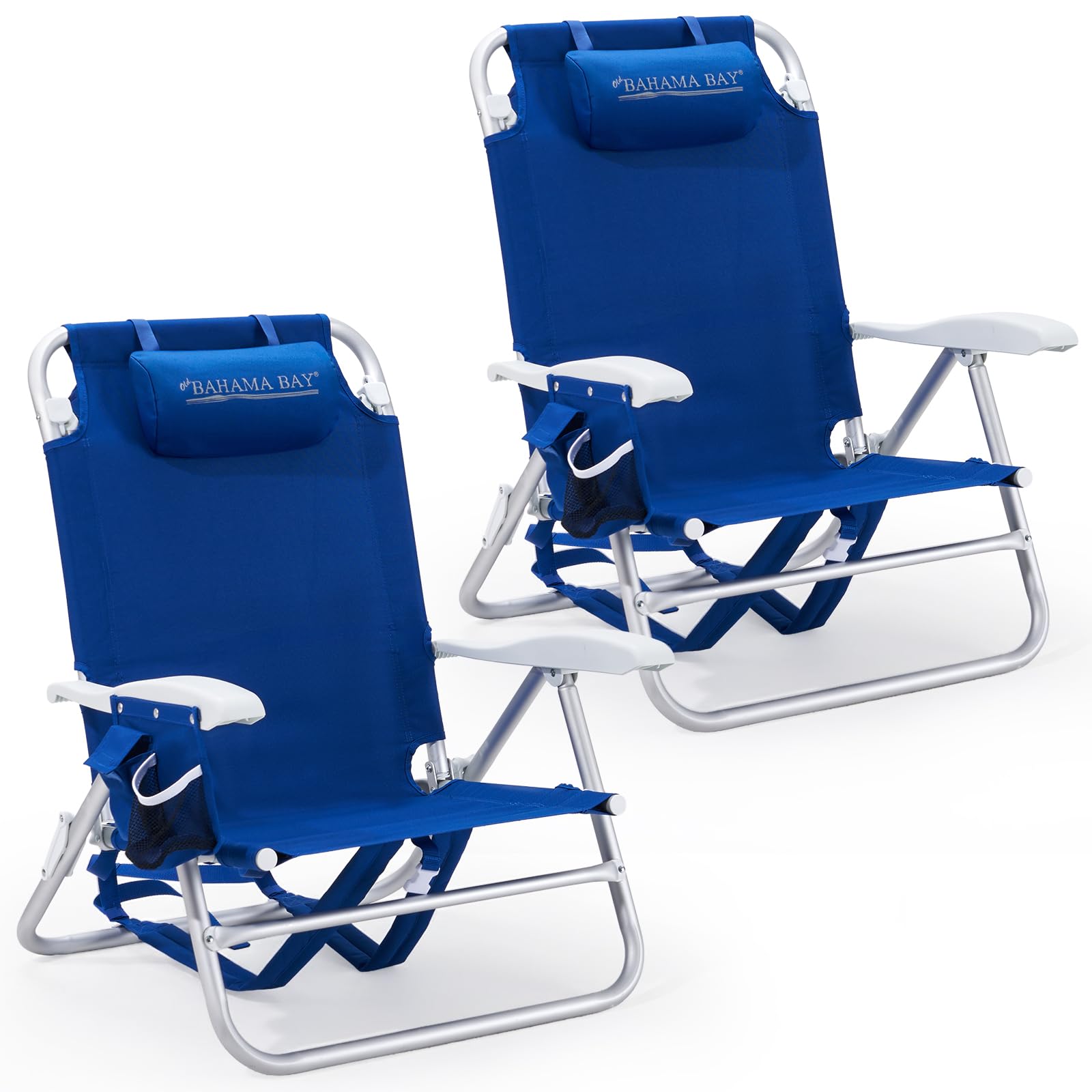


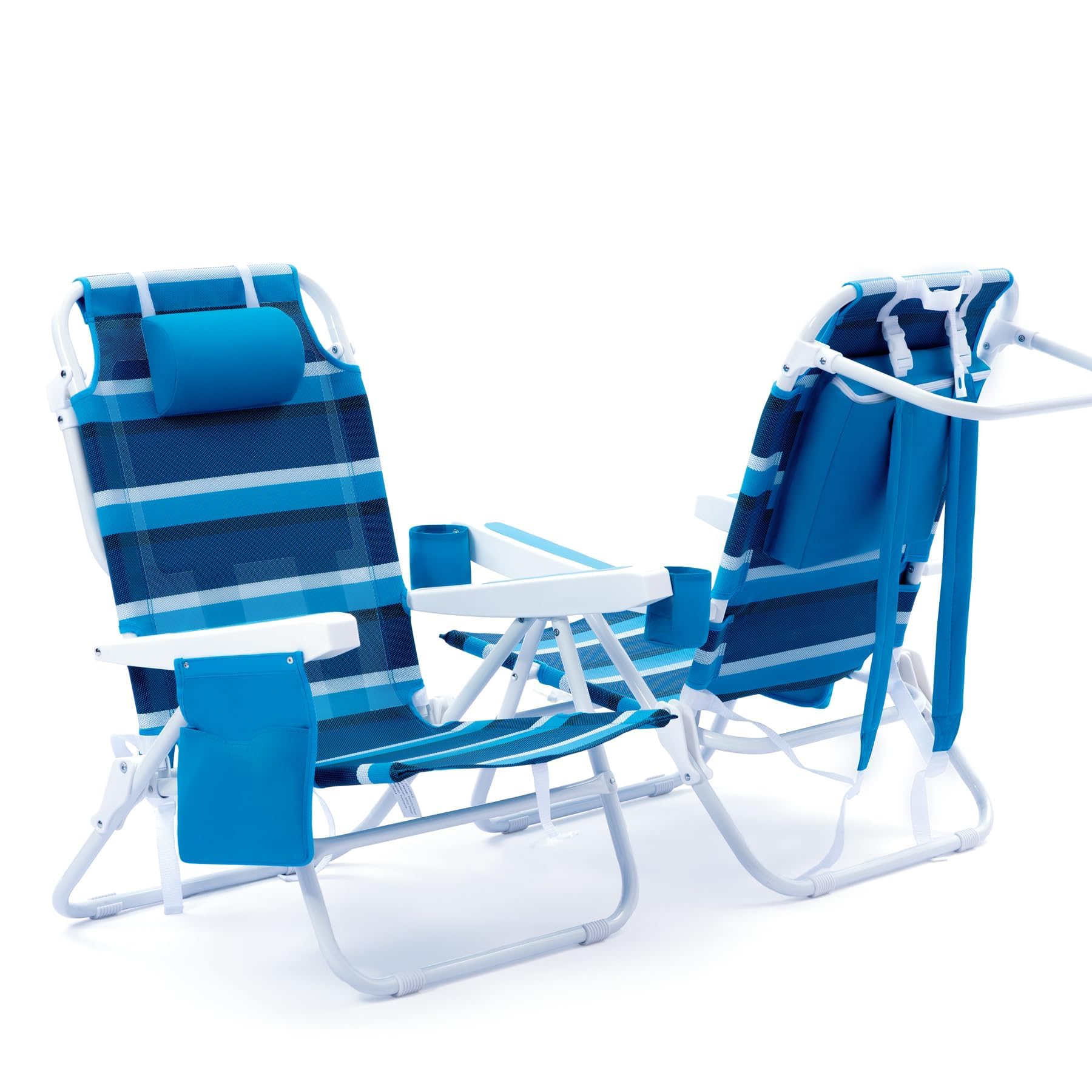
Who Should Buy Which Adjustable Beach Chairs?
Start with how you spend a beach day. Sitting time, body size and the walk from the car should decide your tier before color or extras do.
Readers and Nappers Who Live in Recline
You shift often, read on your back, then lower the chair to rest or sunbathe. Look for at least five recline positions, including one that lies nearly flat, plus a movable headrest for your neck. A mesh back panel keeps air moving on hot days. Chairs with only two or three stops leave you propped too high or laid too low.
Tall and Broad Beachgoers Who Need Real Support
You need room and structure more than extra pockets. Choose a wide seat, a reinforced frame and a stated weight capacity with margin above your body weight. Firm adjustable armrests help you change position without twisting, and a shaped back with lumbar support stops long sits turning into a slouch. Thin fabric over a narrow frame will flex under you.
Older Beachgoers and Anyone Who Dreads Low Seats
Getting down is easy on sand, but getting back up is the real test. Choose a tall seat, solid arms to push against and a frame that does not wobble as you rise. For more on taller frames and firm arms, see our guide to the best beach chairs for seniors. If joint pain, dizziness or swelling makes standing hard even from a tall seat, talk with your clinician before you buy.
Price Tiers for Recline Chairs You Carry to the Sand
Price buys three things on the beach: more recline range, better materials and more comfort for long sits. In practice, the best adjustable beach chairs for most buyers sit in the middle tier, where comfort rises fast without premium cost. If you sit upright most of the day, compare simpler models in our guide to the best beach chairs before paying for unused positions.
Budget Tier: Basic Recline for Short and Simple Beach Days
Budget models cost about $35 to $60 and usually offer about four recline positions on a steel or basic aluminum frame. Expect a low seat, thin fabric and a light build that suits short visits and spare chairs for guests. The trade off is durability, because painted steel rusts at scratches and simple locking teeth wear.
Midrange Tier: More Positions and Cooler Fabric for Full Beach Days
Midrange models cost about $65 to $110 and usually add five or six recline positions, including one that lies nearly flat. Frames are often aluminum, fabric is thicker and many models add a mesh back, a padded headrest and backpack straps. This tier suits full days, weekly use and readers who change angles often.
Premium Tier: Tall Seats, Thick Padding and Frames Built for Heavy Use
Premium models cost about $120 to $200 and focus on support and lifespan. Expect six or seven positions, tall or wide seats and high density foam in the headrest and seat. Frames are aluminum built to resist rust, and extras such as a towel bar and an insulated pouch are common. Pay this much only if you sit for hours or need extra capacity.
Key Features to Compare
Compare these factors in order, because they decide comfort on sand far more than color or extras.
Recline Positions and the Lock That Holds Them
The count of positions matters less than the spacing between them and the lock that holds each angle. Look for a tilt lock or locking bar that clicks firmly and does not slip when you shift your weight. Readers who also shop for indoor seating can see our guide to the best adjustable chairs, but judge beach models by sand, salt and carry weight first.
Seat Height, Seat Width and Weight Capacity
Low seats sit about 6 to 9 inches above the sand, standard seats about 10 to 13 inches and tall seats about 14 to 17 inches. Your feet should rest flat with no sharp pressure behind your thighs. Most seats are about 20 to 22 inches wide, wide models reach about 24 to 26 inches and most frames hold about 250 to 300 pounds, with reinforced frames rated up to 350 pounds. Families shopping for parents often start with our guide to the best beach chairs for elderly readers, then confirm height here.
Frame Metal and Fabric for Salt, Sun and Wet Towels
Aluminum frames weigh less and resist rust well, which matters near salt water, while steel frames cost less but need an intact coating to stay sound. Polyester fabric is common because it is strong, light and quicker to dry than cotton. A mesh back panel drains water after a swim and lets air reach your back.
Padding, Lumbar Support and Adjustable Armrests
Padding helps most at the headrest and under your thighs, where pressure builds during long sits. High density foam holds its shape better than thin loose fill, but thick padding holds water and dries slowly. A curved back or a small lumbar support pillow keeps your lower back from rounding as you recline. Adjustable armrests that lift or move aside make entry easier, while solid fixed arms give stronger push support.
Carry Weight, Folded Size and Feet That Grip Sand
Most adjustable beach chairs weigh about 7 to 11 pounds, while tall padded premium models weigh about 12 to 15 pounds. Backpack straps suit long walks, and a shoulder strap suits short ones. Wide feet or bar style feet spread your weight and sink less into soft sand than narrow legs.
What a Beach Chair Costs After the First Summer
The purchase price is only part of what a chair costs over its life. A steel budget chair that rusts at the joints and gets replaced can cost more over five years than one aluminum midrange chair that keeps working. Bags tear and locks wear, so check what the warranty covers for the frame and what it leaves out for fabric.
Common Mistakes to Avoid
These errors are easy to make when you shop by photo alone.
- Choosing the lowest seat to save money leaves your knees bent sharply and makes standing a struggle.
- Counting recline positions without checking the lock lets the back slip a notch every time you shift.
- Buying a steel frame for ocean use and skipping rinses lets rust start at the joints and hinges.
- Ignoring folded length leaves you forcing a long chair into a small trunk or carrying it by one leg.
- Loading a side pocket with heavy bottles strains the fabric and can tip a light chair on soft sand.
Care and Maintenance for Adjustable Beach Chairs
Rinse sand and salt from the hinges, locking teeth and feet with plain water after each trip, because grit in a joint grinds the metal each time you fold the chair. Open the chair fully and let fabric and padding dry in shade before storage. Never fold a chair away while it feels damp, because trapped moisture weakens fabric and feeds a musty smell.
Check rivets and cross bars each season for looseness, cracks or rust spots, and touch up small coating chips on steel before they spread. Store the folded chair indoors and out of direct sun. Stop using a chair with a bent leg or a slipping lock, because a sudden fold can cause a hard fall.
Adjustable Beach Chairs: Your Questions Answered
Is an expensive adjustable beach chair worth the extra cost?
An expensive adjustable beach chair is worth it only when its cost per trip stays low for you. Divide the price by the beach days you expect each summer. A premium chair used thirty days a year costs a few dollars a day, while the same chair used twice a year costs far more per outing than a budget model.
How long should a good adjustable beach chair last?
A good adjustable beach chair often lasts several seasons of regular use when you rinse and dry it after trips. The first signs of age are usually a loose lock, a grinding hinge or fabric gone thin at the seat edge. Fading alone is cosmetic. Storing the chair indoors through winter adds useful life.
How do I choose the right size adjustable beach chair?
Choose the right size adjustable beach chair by measuring your own leg before you shop. Sit in a firm dining chair with feet flat and measure from the floor to the crease behind your knee. A beach seat a little below that height feels relaxed, while a seat close to it is easier to leave. Then check that seat width leaves a small gap at each hip.
What features matter most for long hours in an adjustable beach chair?
For long hours in an adjustable beach chair, the ability to change position without standing matters most. Small angle changes shift pressure from your back to your legs and back again, which delays stiffness better than any single perfect position. A headrest that meets the curve of your neck also helps, because a neck held at an angle tires fast in a reclined seat.
Final Thoughts
Let your beach habits set your budget. Match seat height and width to your body first, then choose a recline range and lock you trust, then weigh frame metal and fabric for salt and sun. Use the product table above to check those points against price.
When you judge best adjustable beach chairs by fit, carry and locking strength rather than by extras, the right tier becomes obvious. Buy the simplest chair that supports your longest typical day.


