
Best Adjustable Chairs of 2026: Complete Buying Guide
Disclosure: We may earn a commission when you buy through links on this page, at no extra cost to you. As an Amazon Associate I earn from qualifying purchases. Learn more

Compare adjustable chairs by seat height, lumbar support, armrests and cushioning, with sizing, types and care guidance to fit your room and budget.
Sitting in a chair that does not fit your body or your desk turns a normal workday into a series of small distractions. Your feet dangle, your shoulders lift, and your back starts to ache by mid afternoon. The best adjustable chairs solve that mismatch by letting you change height, back support, and arm position to match you, and you can check the options in the comparison table below.
This guide puts fit first. You will learn which adjustments change comfort, how to match seat size to your body and room, and how types differ by home and budget. Use the groups and checklists below to narrow your choice before you spend.
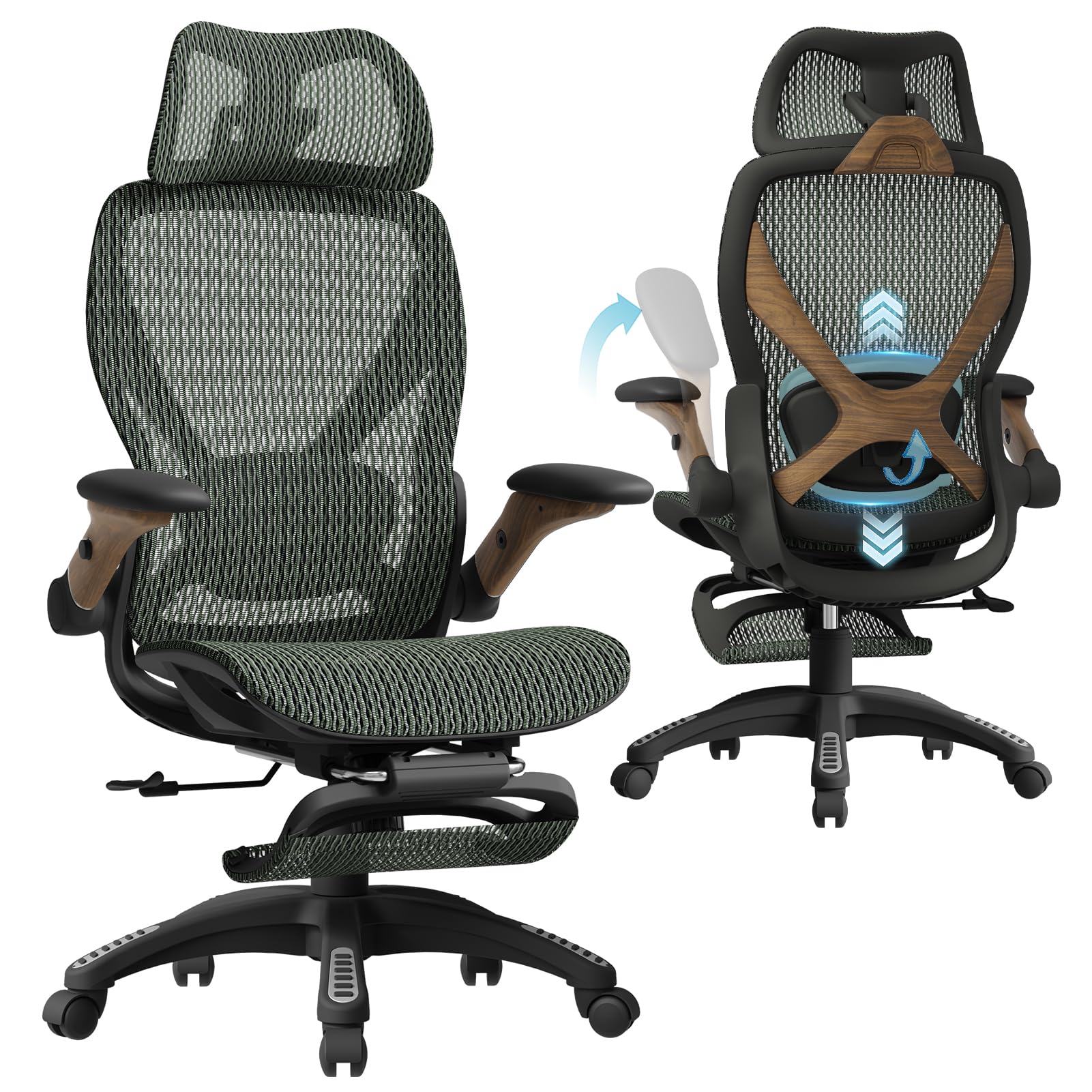
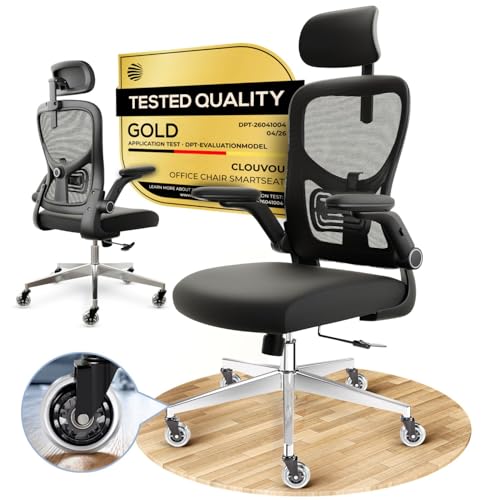

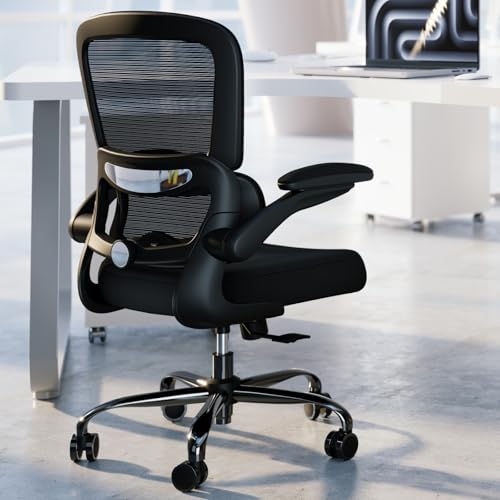
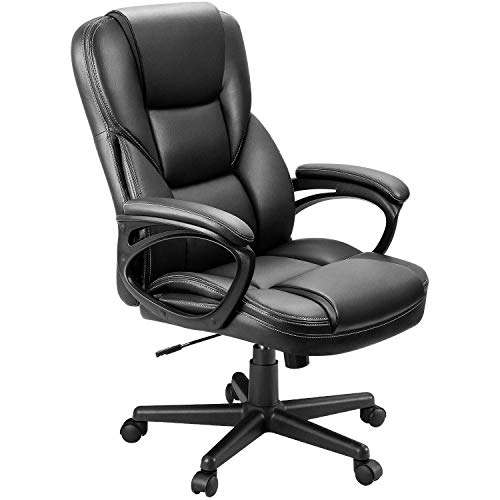
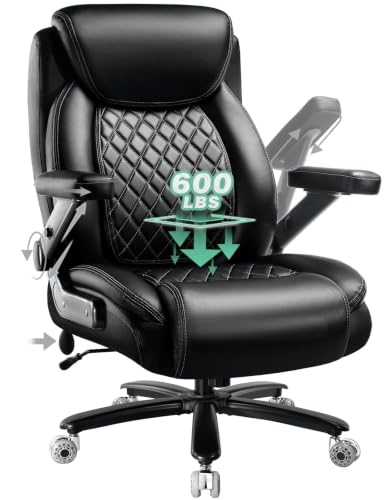
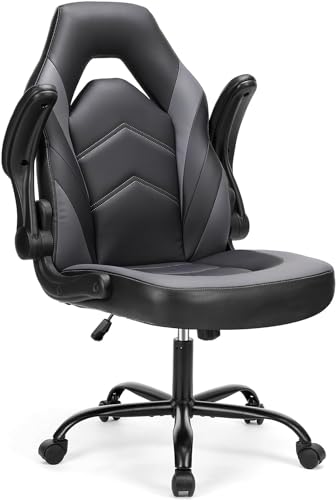

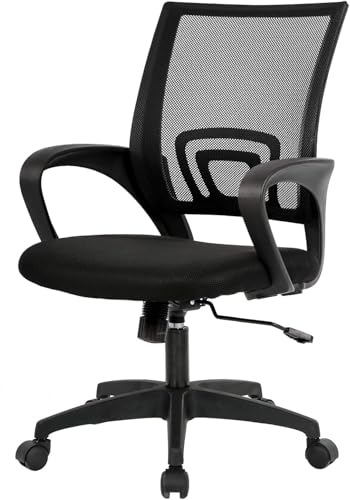
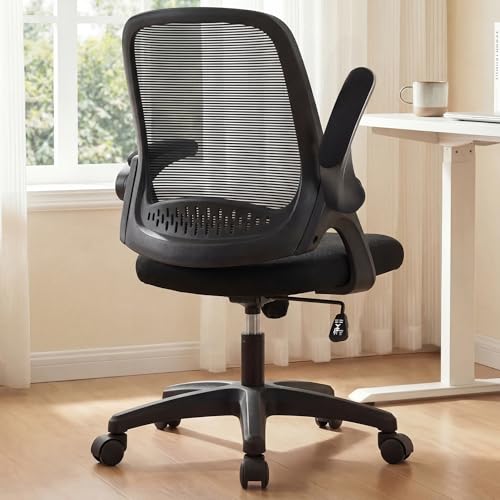
Who Should Buy Which Adjustable Chairs?
Start with how you sit each day, where the chair will live, and who else will use it. A chair shared by two people needs a wider adjustment range than a chair set once for a single user.
Desk Workers Who Sit for Long Stretches
You sit for most of the workday. Prioritize a wide seat height range, movable lumbar support, and armrests that lower enough to slide close to your desk. For desk focused options, see our guide to the best office task chairs.
Households That Share One Chair
You share a chair with a partner, a teen, or guests, and each person resets it. Look for controls that sit within easy reach under the seat, clear levers that need no tools, and a sliding seat that suits both shorter and taller legs. Most models do not remember settings, so simple controls matter more than a long feature list.
Small Room and Apartment Shoppers
You need a chair that tucks under a desk and leaves walking space clear. Choose a compact footprint, armrests that flip up or move inward, and a back that does not extend far behind the seat when you recline. Measure your doorway and desk opening before ordering, because a narrow room limits delivery and daily movement.
Key Features to Compare
Compare best adjustable chairs by adjustment range rather than by looks alone, using the factors below in order. A chair that fits on day one and still adjusts as your routine changes will serve you far longer.
Seat Height, Seat Depth and Foot Position
Seat height sets everything else, because your feet, knees, and desk height all depend on it. Most models adjust from about 17 to 21 inches at the seat, and your feet should rest flat with your knees near a right angle. A sliding seat pan adds depth control, which helps taller users support their thighs without pressure behind the knees. If your feet still dangle at the lowest setting, plan on a footrest rather than perching on the front edge.
Lumbar Support and Backrest Shape
Lumbar support should meet the curve of your lower back and move up or down as you change posture through the day. Some backs use a separate pad you can raise, lower, or push deeper, while others rely on a flexible frame that follows your spine. A mesh back lets air move and suits warm rooms, while a padded back feels warmer and softer. If you notice lasting back pain, numbness, or tingling in your legs, stop adjusting and talk with your clinician about personal needs.
Adjustable Armrests and Tilt Control
Armrests should rise, lower, and move sideways so your elbows rest lightly with your shoulders relaxed. Wider adjustment helps when you switch between typing, writing, and using a phone, because each task places your arms in a different spot. Tilt control lets the back recline, tilt tension sets how hard you must lean to move it, and tilt lock holds a chosen angle for reading or calls. Test the lock at more than one angle before you commit.
Cushioning, Foam Density and Breathability
Seat cushioning decides how the chair feels after two hours, not just in the first minute. High density foam holds its shape and supports heavier users, while softer foam feels plush at first but can flatten and leave you sitting on the frame. A waterfall front edge reduces pressure under your thighs. In warm rooms, a mesh back paired with a foam seat often balances support and airflow better than full padding.
Materials, Frame and Weight Capacity
Upholstery choices trade feel against upkeep. Mesh breathes and wipes clean, fabric feels soft and hides wear, and faux leather gives a formal look but can crack if it dries out. Underneath, a steel or aluminum frame with a five point base feels steadier than thin plastic, and a class 4 gas lift is the stronger grade used on durable models. Check the stated weight capacity, often about 250 to 350 pounds, and stay well under it. For a broader look at build standards, see our guide to the best quality chairs.
Room Fit, Style and Warranty Coverage
Measure floor space, desk height, and the gap the chair must roll through, then compare those numbers with the listed width, depth, and maximum height. Color and finish matter in a shared living space, where a bold office style can clash with dining furniture nearby. Warranty terms split by part, with the frame often covered longer than the lift, casters, and fabric. Keep the receipt and note which parts you can replace yourself.
Types of Adjustable Chairs
Most models fall into four broad types. Match the type to your room and routine first, then compare adjustments within that type.
Compact Models for Small Rooms
Compact models use a narrower seat, a shorter back, and arms that fold or slide away so the chair tucks fully under a desk. They suit bedrooms, dorms, and shared living rooms where floor space is tight. You give up some seat width and padding, so taller or broader users may find them snug during long sessions.
Ergonomic Models for Daily Desk Work
Ergonomic models offer the fullest set of adjustments, including movable lumbar support, sliding seat depth, and armrests that shift in several directions. They suit people who sit most of the day and want to fine tune fit as posture changes. For models built around desk height and screen work, see our guide to the best adjustable desk chairs.
Executive Models for a Formal Look
Executive models pair a tall padded back with wider seats and a polished finish that suits a formal office or study. Adjustment still matters here, but padding and presence come first, and prices often run about $300 to $600. They take more floor space, so confirm your room can spare the depth before you choose this style.
Budget Models for Guest and Starter Rooms
Budget models, often about $80 to $150, cover the basics well: seat height, basic tilt, and fixed or height only armrests. They suit guest rooms, starter home offices, and lighter daily use. Expect thinner padding and shorter warranty coverage, and plan to replace casters or a lift sooner than on a costlier chair.
Common Mistakes to Avoid
These errors waste money even when the chair itself is well made.
- Buying by color or style first leaves you with a chair whose seat height never matches your desk.
- Ignoring seat depth gives taller users pressure behind the knees and shorter users a seat they cannot sit back in.
- Setting armrests too high lifts your shoulders all day and leaves your neck and upper back tense by evening.
- Skipping the weight capacity check strains the lift and base and can void the warranty when parts fail early.
- Assuming every chair fits every desk leads to armrests that block the chair from sliding under the work surface.
Keeping Adjustment Levers, Casters and Upholstery Working
Set the seat height so your feet rest flat each time someone new uses the chair, because a shared chair drifts out of fit quickly. Tighten the bolts under the seat and arms every few months with the tool the maker supplied, and check the casters for hair and grit that stop them rolling smoothly.
Vacuum fabric and mesh with a soft brush head, and wipe faux leather with a damp cloth so dust does not grind into the surface. Keep leather and faux leather out of direct sunlight, because steady heat dries the finish and starts cracks.
Adjustable Chairs: Your Questions Answered
What features matter most in an adjustable chair for long work hours?
Seat height, lumbar support, and armrest position matter most in an adjustable chair for long work hours. Pair it with a screen set near eye level so you are not leaning forward to read, and stand briefly each hour, because no adjustment range replaces regular movement.
How long should a good adjustable chair last with daily use?
A good adjustable chair should last about seven to ten years with daily use. The first wear usually shows in the casters and the arm pads, not the frame, so inspect those parts each year. A lift that slowly sinks overnight signals a worn cylinder that needs replacement.
Is an expensive adjustable chair worth the extra cost?
An expensive adjustable chair can be worth the extra cost if you sit in it daily for years. A chair at around $400 that lasts eight years costs less per year than a chair at around $150 replaced every two years. Costlier models also tend to offer replaceable lifts, pads, and casters.
How do you choose the right size adjustable chair for your body?
You choose the right size adjustable chair for your body by matching seat width, depth, and height to your measurements. Sit in your usual work shoes when you measure, because thick soles change the seat height you need. Leave about two fingers of space between the seat edge and the back of your knees.
Final Thoughts
Fit comes before finish. Match seat height and depth to your body, confirm the lumbar support meets your lower back, and check that the chair rolls and tucks where it will live. Use the product table above to compare adjustment ranges, capacity, and price side by side.
When you judge best adjustable chairs by those points, the right type for your room and routine usually stands out. Choose the simplest model that fits well, and adjust it again whenever your desk, shoes, or routine change.


