
Best Adjustable Bases For Mattresses 2026: A Practical Buying Guide
Disclosure: We may earn a commission when you buy through links on this page, at no extra cost to you. As an Amazon Associate I earn from qualifying purchases. Learn more

Choose an adjustable base for your mattress by lift range, motor, weight capacity, and mattress compatibility. Setup and care guidance included.
An adjustable base changes how you sleep, read, and rest by lifting head and feet to suit you. The best adjustable bases for mattresses work smoothly, quietly, and safely with your mattress type, without sagging or straining. The comparison table below will help you compare the main options side by side.
This guide covers lift types, motors, weight capacity, mattress compatibility, and setup, so you can choose for comfort and health needs. It includes notes for back discomfort and circulation, with a reminder to talk with a clinician about persistent pain rather than relying on a base alone.
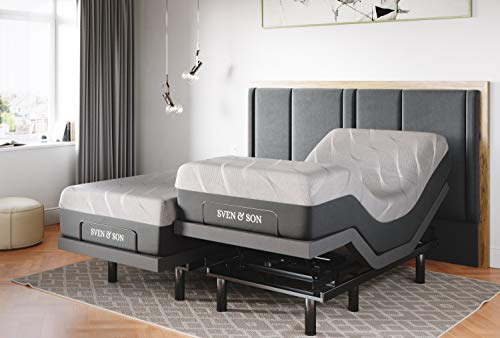
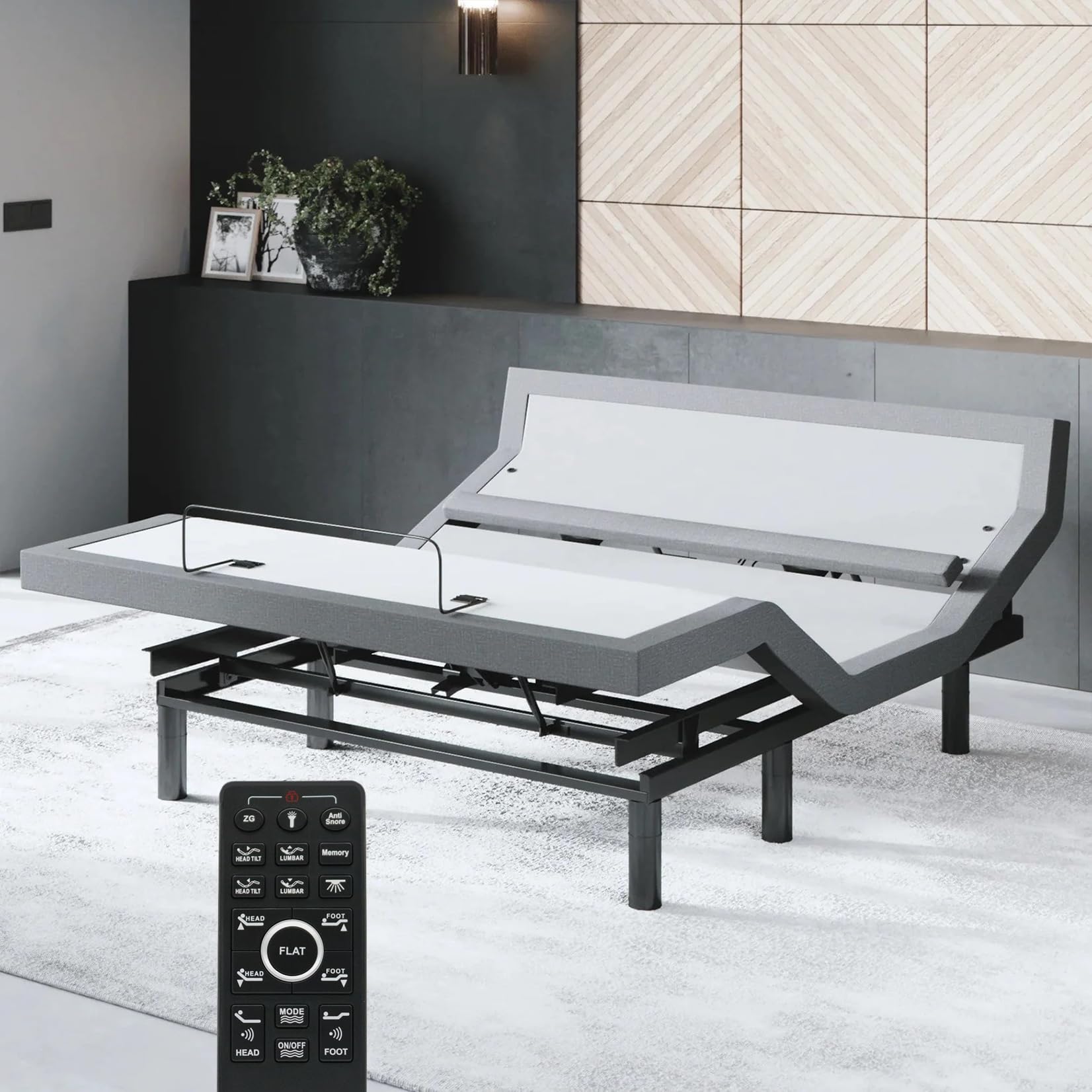





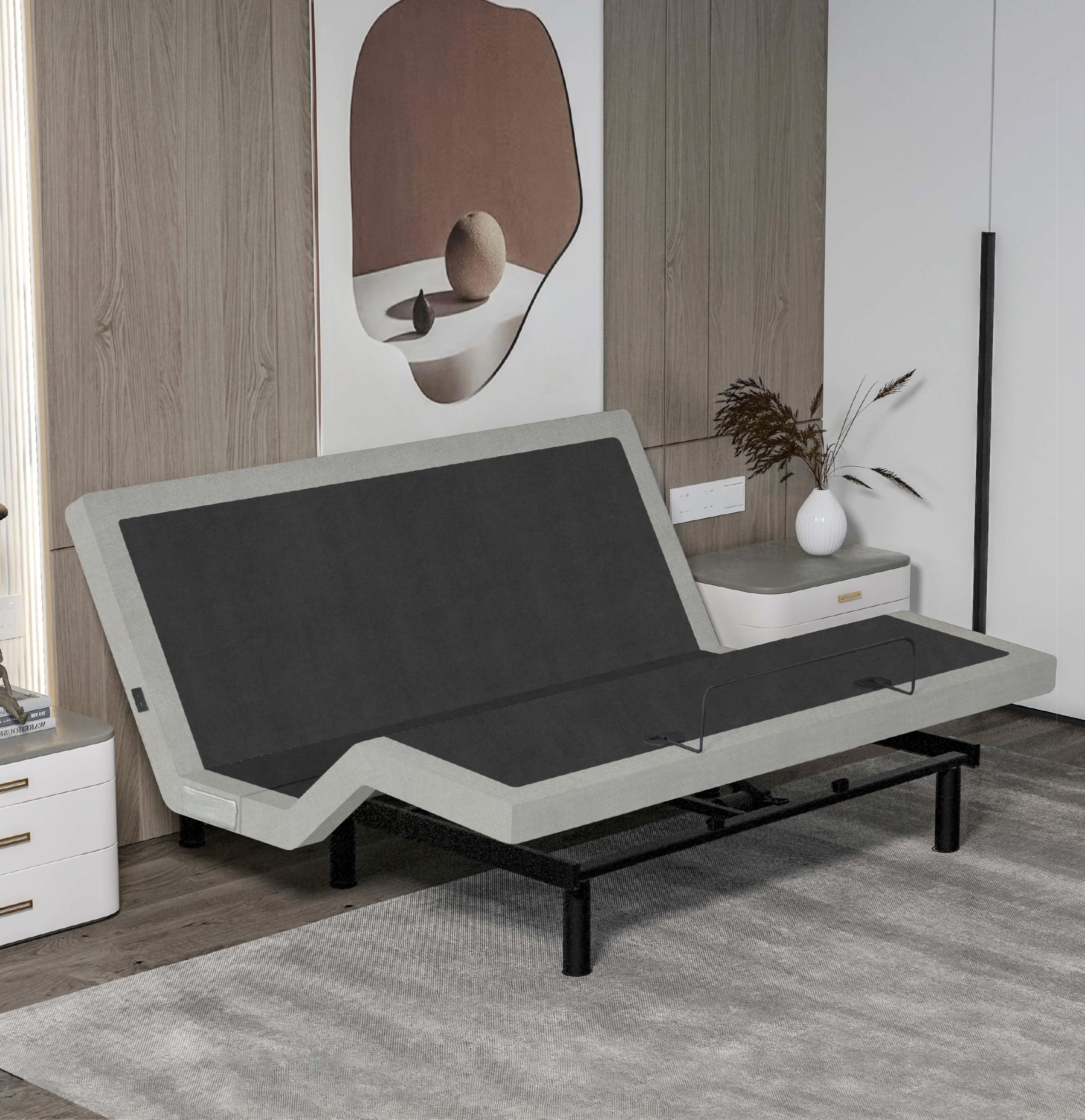

Who Should Buy Which Type
For Readers and TV Watchers
Readers and TV watchers mainly need a comfortable head lift and a quiet motor that does not disturb a partner. A simple head up position often suffices, and preset positions add convenience. Check that the raised position supports your back and neck comfortably with pillows.
For Sleepers with Back or Breathing Needs
Sleepers who raise head or feet for comfort need smooth, fine adjustment and a base that holds position without drifting. Slight elevation can ease snoring or reflux discomfort for some people, but it is not medical treatment. Talk with your clinician about persistent symptoms before relying on elevation alone.
For Couples with Different Needs
Couples often need split bases, so each side adjusts independently without disturbing the other. Split king setups suit this well, but they need matching mattresses and bedding. Check remote options, so each person controls their own side easily.
Types Compared
Head Only Adjustable Bases
Head only bases lift the head section while feet stay flat. They suit readers, TV watchers, and people who mainly need upper body elevation. They cost less and use simpler mechanisms than full adjustable bases.
Head and Foot Adjustable Bases
Head and foot bases lift both ends independently, giving zero gravity style positions and leg elevation. They suit sleepers who want full position control and leg comfort. They need more motor power and a compatible mattress.
Split Adjustable Bases
Split bases divide the bed into two independently adjustable sides, ideal for couples. Each side needs its own motor and remote, and mattresses must be split to match. They cost more, but they solve the most common couple compromise.
Wall Hugger Bases
Wall hugger bases slide back as they lift, keeping you close to a nightstand and lamp. They suit small bedrooms and readers who dislike drifting away from the wall. Check the sliding range and floor clearance before buying.
Key Features to Compare
Lift Range and Positions
Lift range decides how high head and feet can rise, and presets save favorite positions at one touch. Check maximum angles and whether positions hold steadily under load. A base that drifts down overnight fails at its main job.
Motor Power and Noise
Motor power must handle mattress plus sleepers smoothly, without straining or loud grinding. Quieter motors matter for light sleepers and partners. Listen to motor noise in reviews or showrooms, since specs rarely describe it well.
Weight Capacity
Weight capacity must cover mattress plus sleepers plus bedding, with margin to spare. Overloading strains motors and shortens life. Check capacity per side for split bases, not just total capacity.
Mattress Compatibility
Not every mattress bends well on an adjustable base. Foam, latex, and many hybrids flex well, while traditional innerspring models may resist bending or wear faster. Confirm compatibility with your mattress maker before ordering.
Remote, App, and Extras
Remotes range from simple wired controls to wireless remotes and apps with presets and massage. Massage and USB ports are nice extras, but they should not outweigh lift quality and motor reliability. Choose controls you can use easily in the dark.
Setup and First Use
Assemble the base on a flat floor, check that legs sit level, and test full lift range before placing the mattress. Keep cables clear of moving parts and away from walkways. A careful first test reveals assembly issues while they are still easy to fix.
Place the mattress centered on the base, test positions with normal bedding, and adjust pillows so head elevation supports your neck without pushing your head forward. Try sleeping positions for a few nights before judging comfort, since bodies adapt to new support gradually.
Care and Maintenance
Keep moving parts clean and free of bedding or objects that could jam the mechanism. Check bolts and legs now and then, and listen for new noises that may signal wear. Follow maker guidance for lubrication, if any is recommended.
Protect motors and controls from spills and heavy impacts, and use a surge protector where the maker advises it. If the base stops, grinds, or drifts, stop using the affected position and contact support rather than forcing it. Early attention prevents bigger failures.
Mistakes to Avoid
- Buying a base without confirming your mattress bends safely on it.
- Ignoring weight capacity, then overloading motors nightly.
- Choosing massage and app extras over lift quality and motor reliability.
- Placing the base where moving parts catch bedding, cables, or walls.
A Final Check Before You Order
Before you order, confirm lift range, weight capacity, mattress compatibility, motor noise, and control style against your bedroom and sleep needs. Measure bed frame, doorway, and delivery access, since bases are bulky. These checks matter more than extra features.
The related guides linked below cover nearby adjustable bed options, including mattresses for adjustable beds and related bedding, so you can compare compatibility. Read them with your mattress in mind, and shortlist the base that fits your sleep. Related guides: best mattresses for adjustable beds, best adjustable air mattresses, best mattress and base sets, best adjustable firmness mattresses, best sheets for adjustable mattresses.
Frequently Asked Questions
Will my mattress work on an adjustable base?
Many foam, latex, and hybrid mattresses flex well, while some traditional innerspring mattresses resist bending. Check with your mattress maker for adjustable base approval and thickness limits. Using an incompatible mattress can void warranties and damage the base. Check mattress warranty terms too, since some makers limit thickness or require specific base types.
What is zero gravity position?
Zero gravity position raises head and feet so weight spreads more evenly and pressure on the lower back eases for many sleepers. It is a comfort position, not a medical treatment. Try it for a few nights, and talk with your clinician about persistent back pain. Elevating legs slightly can also ease swelling after long days standing, though comfort varies person to person.
Are split bases worth it for couples?
Split bases suit couples with very different position needs, since each side adjusts independently. They cost more and need split mattresses and bedding. If you and your partner agree on positions, a single base saves money and simplifies bedding. Guest rooms benefit less from split bases, since most guests adjust positions rarely and prefer simplicity.
How noisy are adjustable bases?
Quality motors run quietly, with a soft hum during adjustment, while cheaper motors can grind or whine. Noise matters most at night, so check reviews and showroom demos where possible. A base that wakes a partner on every adjustment fails a basic test. Keep remotes in a bedside holder, since lost remotes turn a convenient base into a nightly frustration.
Do adjustable bases need special sheets?
Deep pocket or adjustable bed sheets fit better, since standard sheets can pop off when the base moves. Check pocket depth against your mattress plus topper thickness. Good sheets stay put through nightly adjustments. Measure sheet pocket depth against mattress plus topper, since toppers add thickness that standard sheets miss.
Sleep Positions Worth Trying
An adjustable base offers many positions, but most sleepers use only two or three regularly. Try a slight head raise for reading and a gentle zero gravity style position for resting, and note which positions ease your back or breathing. Personal testing beats generic position charts.
Adjust pillows when you change positions, since a pillow that suits flat sleeping may push your head too far forward when raised. A thinner pillow often works better with head elevation. Small pillow changes transform comfort more than most people expect.
Give your body a week or two to adapt to a new sleeping position before judging it. Muscles and joints used to flat sleeping need time to settle into elevation. Change one variable at a time, so you know what actually helped.
Finally, keep bedroom conditions steady while testing positions: room temperature, bedding weight, and light levels all affect sleep. A new base cannot fix a hot room or a noisy street, so address those basics alongside position changes for best results.
When testing an adjustable base, spend several nights in each candidate position before deciding, since first night impressions often reflect novelty rather than true comfort. Sleep a few nights with a slight head raise, then a few nights with feet raised, and note morning stiffness, snoring, and how rested you feel, keeping bedding and room conditions as steady as you can. This slow, honest trial reveals which positions genuinely help you, and it prevents an expensive base from becoming a rarely used gadget after the first exciting week.
Final Thoughts
Match lift, capacity, and mattress compatibility to your sleep, and the best adjustable bases for mattresses for your bedroom will be the ones that adjust smoothly night after night. The product table above gives a useful starting point, but your mattress and your sleep needs should make the final call.
Order only after you have confirmed compatibility, capacity, and delivery access, and test positions over several nights before judging. If back pain or breathing symptoms persist, talk with your clinician rather than relying on a base alone.


