Best Activity Watches with GPS: Buying Guide for 2026
Disclosure: We may earn a commission when you buy through links on this page, at no extra cost to you. As an Amazon Associate I earn from qualifying purchases. Learn more

Learn how to choose the best activity watches with gps by comparing GPS accuracy, battery life, case size, straps, and water resistance for training.
A watch with GPS records where you ran, rode, or hiked without carrying a phone, and that freedom changes how many people train. Finding the best activity watches with gps for you means matching GPS accuracy, battery life in GPS mode, and case fit to your sports, rather than paying for every feature on the longest spec list.
This guide works through types, materials, and fit, then closes with care tips and clear answers. Use the comparison table below to build a short list, then check each candidate against the sections that matter most for your routes and routine.


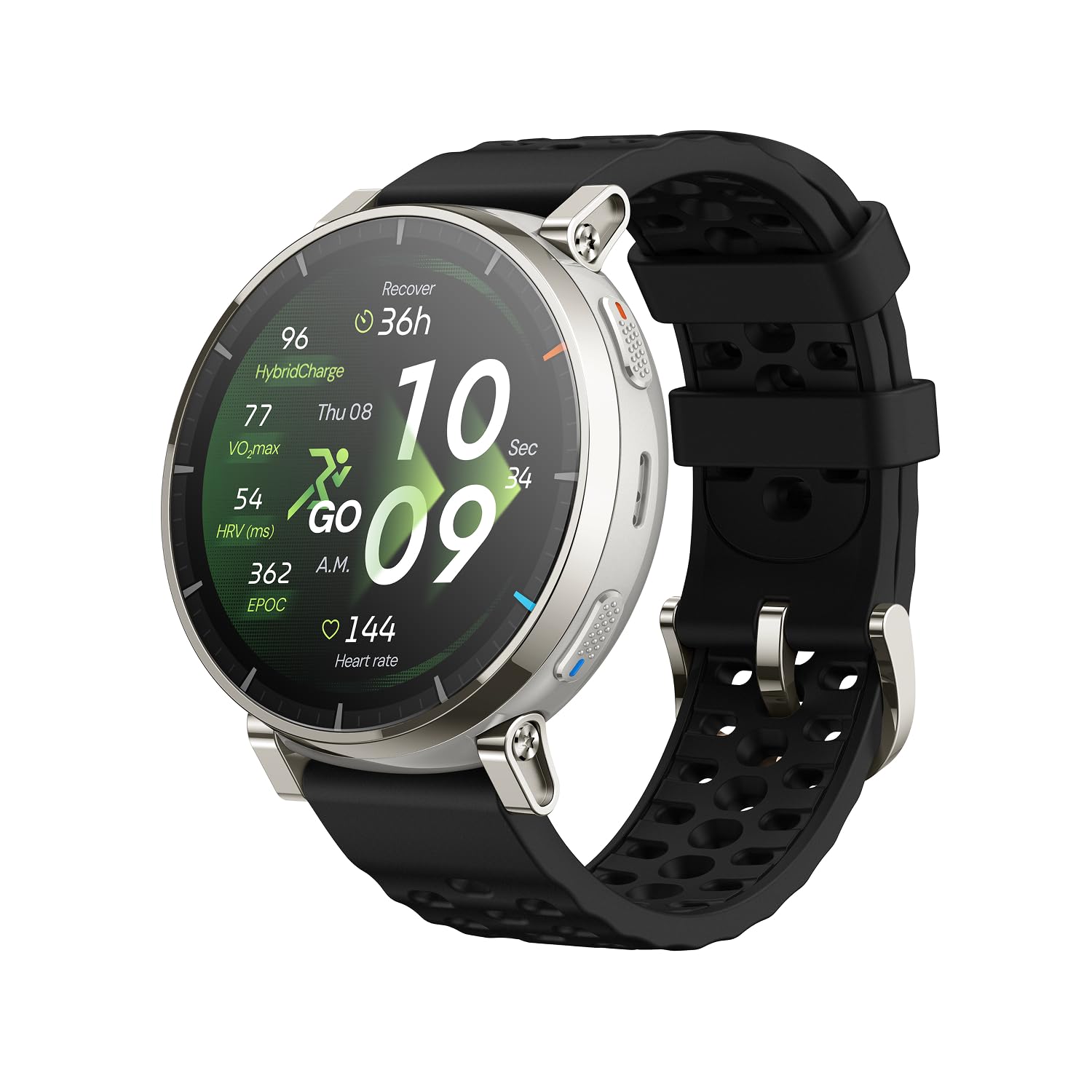

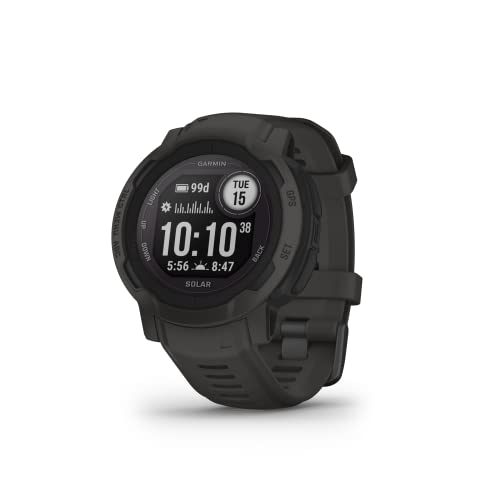
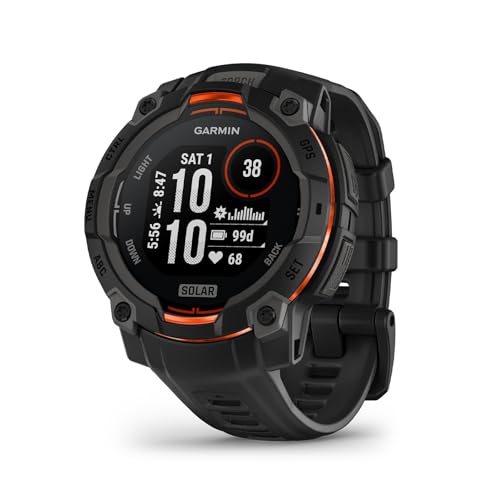
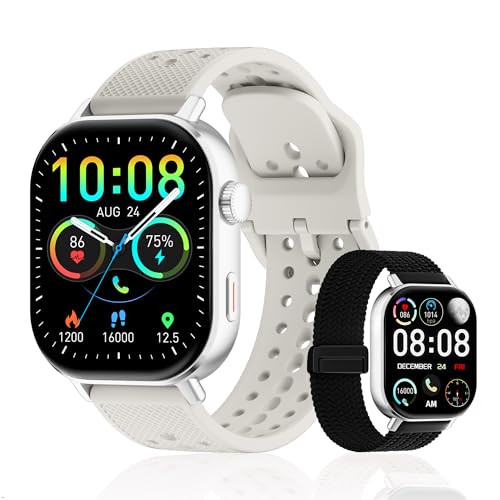
How to Judge GPS Watches by Type and Tier
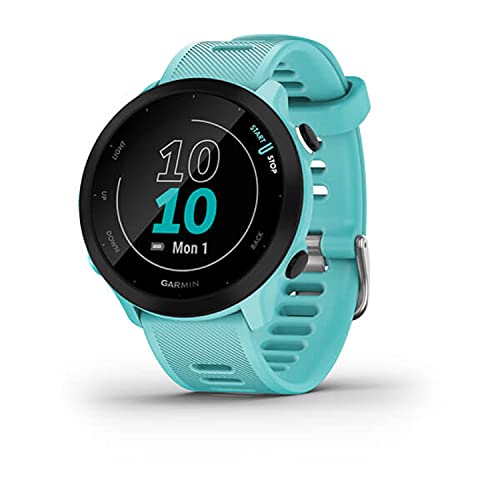
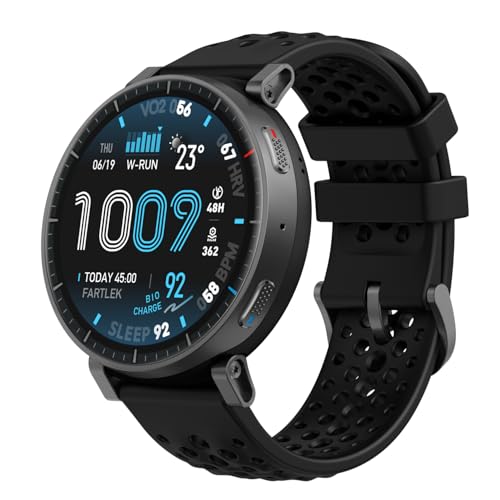
Judge by use and tier instead of by named models. A value sport watch around $100 to $200 covers GPS pace, distance, and heart rate for most runners and walkers. A midrange watch around $200 to $400 adds better GPS, maps or route guidance, and longer battery. A premium watch above that adds advanced training analysis and tougher materials.
Balanced Type
The best overall type for most active users is a midrange GPS sport watch with dual frequency GPS support or strong standard GPS, a bright and clear screen, and at least a full day of GPS recording across sessions before charging. It balances accuracy on city and trail routes with weeks of normal watch use between charges.
Look for firm buttons you can press with gloves, a silicone strap that stays put when wet, and training views you can customize. The limit is depth of analysis: overall models track the essentials and key trends well, but serious athletes may want deeper recovery and performance metrics from a premium tier watch.
Budget Type
The best value type is a simpler GPS watch that focuses on pace, distance, heart rate, and sleep, often around $100 to $200. It suits walkers, new runners, and gym users who train outdoors a few times a week and want honest route records without maps, music storage, or payment features draining battery and budget.
Value models often use lighter plastic cases and basic glass, so handle them with a bit more care. The saving is real, though, and the GPS record for a Saturday run looks much the same as a premium record. If you are unsure you will train outdoors all year, start here and upgrade only when a missing feature truly limits you.
Best Premium Type
The best premium type adds sapphire crystal, a titanium or steel case in some designs, onboard maps, long GPS battery for ultra distance days, and detailed training load and recovery guidance. Prices often run around $400 to $800, and the value appears for users who navigate trails, train by plan, and keep a watch for many years.
Premium weight and size can be a draw back on smaller wrists, and the menu depth takes time to learn. Buy premium when navigation, battery in GPS mode measured in days rather than hours, and build quality solve problems you already have, not problems a seller suggests you might have one day.
How to Choose the Best Activity Watches: Buying Guide
Why Choose an Activity Watch With GPS
GPS gives you pace, distance, and route data without a phone bouncing in a pocket, and it makes outdoor training measurable in a way step counts cannot. Runners pace long runs better, cyclists and hikers record real routes, and walkers can explore new areas and still see exactly how far they went.
Not everyone needs it. If you train only indoors on a treadmill or elliptical, GPS adds cost and battery drain you will never use. Be honest about your outdoor share of training: if at least half your sessions happen outside, GPS earns its place and quickly becomes the feature you check most.
Movement Type
A GPS activity watch uses a digital smart movement with a rechargeable battery, unlike quartz or automatic watches that only keep time. Solar assisted designs stretch time between charges in bright conditions, which helps hikers and outdoor workers, but GPS remains the largest power draw on any model you choose.
Read battery claims by mode. A watch may last two weeks as a daily watch yet only 20 to 40 hours with GPS active, and less with music and a bright screen. Match the GPS figure to your longest planned day, with margin for cold weather, which reduces battery performance on long winter outings.
Crystal and Case Materials
Sapphire crystal resists scratches best and suits premium watches worn daily against keys, rock, and gym gear. Mineral glass costs less and handles normal use well, while reinforced glass options sit between the two. Case material shapes weight: resin and polymer feel light for sport, steel feels solid, and titanium cuts weight at a higher price.
For activity use, light often beats luxury. A heavy steel case can bounce on a run and annoy during sleep tracking, while a light polymer case disappears on the wrist. Choose sapphire and metal if the watch doubles as your daily watch, and choose light materials if sport is the main job.
Case Size and Wrist Fit
GPS watches run larger than classic watches because they house antennas, batteries, and bright screens, commonly about 42 mm to 51 mm. A large case helps map reading but can overhang a smaller wrist and catch on jacket cuffs. Check diameter, lug to lug length, and thickness together before you judge fit from one number.
Practical know how: the GPS antenna works best when the watch sits snugly above the wrist bone with the case flat on your arm. A loose fit harms both GPS stability and heart rate contact. Try the strap on its workout notch and shake your arm; the watch should stay placed without pressing hard enough to leave deep marks.
Brand Reputation, Warranty, and Value
Buy from a brand with a clear US warranty, regular software updates, and spare straps and chargers that stay available for years. GPS watches depend on apps and satellite support, so a brand that maintains its platform protects your purchase far more than a small saving on an unsupported import model.
Value also includes resale and repair. A known sport brand holds value better and offers screen and battery service paths, while a very cheap unknown watch may be cheaper to replace than repair. Keep the receipt, register the product if asked, and check return terms so a poor fit can go back quickly.
For a wider GPS view beyond activity models, see our guide to the best gps watches, which compares GPS watches across sport and daily use.
Strap and Bracelet Options
Silicone is the default sport strap because it handles sweat, rain, and pool water and rinses clean in seconds. Fabric straps feel softer for sleep and long hikes and dry more slowly, while leather and metal suit daily wear away from training but suffer with repeated soaking and heavy sweat.
A quick release strap lets you swap from silicone for a run to a cleaner strap for work in seconds, which extends how often you wear the watch. Check strap width and lug shape before ordering spares, because many GPS models use brand specific fittings rather than a standard spring bar width.
Legibility and Style
You will read this watch at speed, in sun and rain, so legibility comes first. Large data fields, strong contrast, and a screen that stays readable outdoors matter more than a colorful home screen. Lume helps on classic dials, while a bright backlight or an always visible display helps on digital sport screens during dawn and night sessions.
Style still matters for daily wear. A black or grey case with a plain strap suits most clothes, and a smaller premium case can pass at the office where a huge adventure case cannot. If tracking is your main goal across watch types, our guide to the best watches for activity tracking compares tracking first designs.
Types of Activity Watches
Solar Watches
Solar watches charge from light and stretch battery life for users who spend long days outdoors. They suit hikers, field workers, and travelers who dislike cables. GPS use still drains the battery faster than light restores it, so solar helps daily life most and only slows the drain during long GPS sessions rather than removing charging entirely.
Smartwatches
Smartwatches add apps, calls, payments, and rich phone features alongside GPS sport tracking. They suit users who want one device for training and daily life. Battery life is the trade off, often one to a few days, and screens can be harder to use with gloves, so keen athletes often prefer dedicated sport buttons and longer GPS endurance.
Dive and Field Watches
Dive and field styles bring tough cases, strong water resistance, and clear dials, and some modern versions add GPS for outdoor navigation. They suit users who want durability first and sport data second. Size and weight run larger, and fitness analysis is usually simpler than on a pure sport watch, so judge them as rugged tools rather than training coaches.
Automatic Watches
Automatic watches offer mechanical timekeeping with no battery, but they do not record GPS routes or training data. They suit daily wear and travel where craft matters more than metrics. Some users wear an automatic watch for work and a GPS watch for sport, which is a fair split if you accept charging and maintaining two different devices.
For the wider non GPS category, our guide to the best activity watches sets out the main types side by side.
Setup and Care Tips
- Charge fully, update software, and walk a known route first to learn how your watch reports pace and distance.
- Wait for a full GPS lock before you start, because starting early can cut distance from the first minutes of a route.
- Rinse after saltwater exposure, dry the case and strap, and clean charging contacts with a dry cloth.
- Store the watch away from strong magnets and heat, and rotate straps to reduce wear and skin irritation.
- For any automatic watch you also own, service it every five to seven years and keep it wound or stored as its maker advises.
Health note: heart rate and recovery figures from a GPS watch are training estimates, not medical readings. Sensors can lag during intervals, cold, or a loose fit, and no watch replaces a doctor. Stop if you feel pain, dizziness, or unusual breathlessness, and talk with your clinician about personal training limits and any data that worries you.
If golf is one of your main outdoor sports, compare specialist options in our guide to the best golf gps watches, where course features matter more than run metrics.
Activity Watches: Your Questions Answered
What case size fits my wrist?
Your fit is right when the case lugs stay within your wrist width and the strap holds the watch flat without sliding. Smaller wrists often suit about 42 mm to 45 mm GPS cases, while larger wrists can carry 47 mm and above. An extra test is sleep comfort: if the case presses during a night of tracking, size or strap softness needs a rethink.
Quartz or automatic: which is better?
For GPS activity tracking, neither quartz nor automatic applies, because both are time only movements without sensors. The real choice is between a classic watch for simple daily timekeeping and a GPS smart sport watch for routes and training data. Many active users own one of each and switch by activity, which avoids forcing one watch to do two very different jobs.
Is a smartwatch worth it over a classic watch?
A GPS smartwatch is worth it if you train outdoors and use route, pace, and heart rate data each week. It is not worth it if you mainly need the time and dislike charging. An added factor is lifespan: a classic watch can be serviced for decades, while a smart model depends on battery health and app support that will end sooner.
How water resistant should a watch be?
For activity use with swimming, choose 5 ATM or 100 m as a sensible base. That covers pools and shallow open water for most users with healthy seals. Remember that ratings do not cover hot showers or saunas well, because heat and soap stress gaskets, so rinse after swims and have older watches checked before a swim focused trip.
How long does a watch battery last?
In daily mode, many GPS watches last from a few days to a few weeks, while GPS mode often lasts about 20 to 60 hours depending on settings. Music, bright screens, and phone links shorten both figures. A steady routine helps: charge on the same rest day each week and top up before any long event, rather than starting a big day on a low battery.
Final Thoughts
Put GPS accuracy for your terrain, battery life in GPS mode, and wrist fit at the top of your list, and let maps, music, and materials follow your real use. Check the product table above and short list the best activity watches with gps that fit your longest day outdoors, and see our guide to the best activity tracker watches if you want a lighter tracking first option.