Best Activity Tracker Watches 2026: Everything Before Your First Purchase
Disclosure: We may earn a commission when you buy through links on this page, at no extra cost to you. As an Amazon Associate I earn from qualifying purchases. Learn more

An activity tracker watch records steps, sleep and exercise without fuss. Learn sensors, battery life, comfort and app features before your first purchase.
Choosing best activity tracker watches can feel confusing when every option claims comfort, quality and value. This guide explains what matters in plain language, so you can compare options with confidence. The comparison table below summarises the main types side by side, and the sections that follow explain each choice in detail. Whether you are buying for the first time or replacing a worn out favourite, the right fit starts with knowing your needs.
Start by thinking about how you will use your activity tracker watches most days. Daily use, occasional use and heavy use place different demands on materials and design. Budget matters too, but the cheapest option is not always the best value over time. A clear list of must have features helps you ignore extras that add cost without adding comfort.

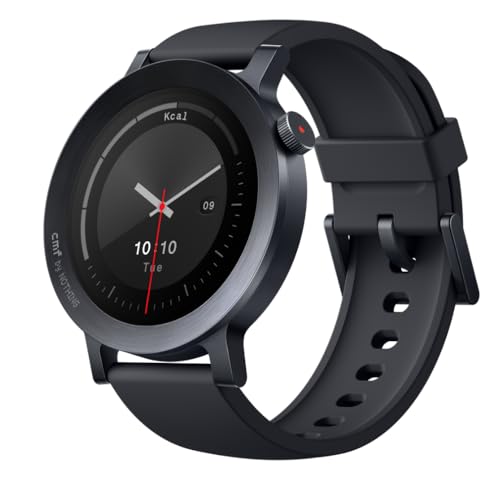


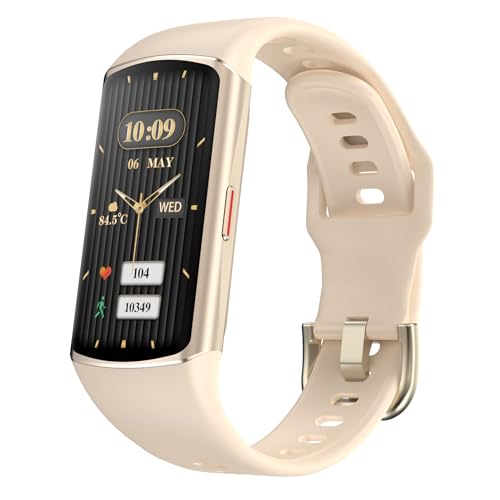


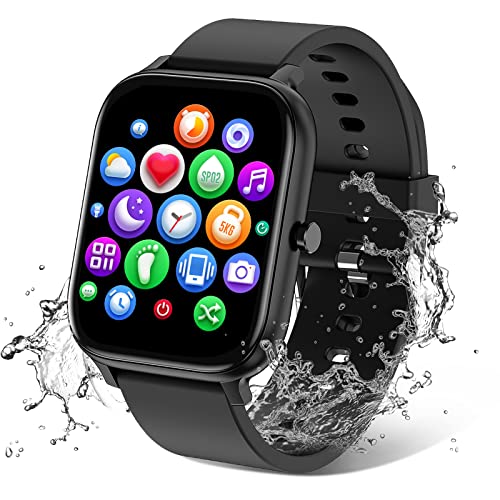
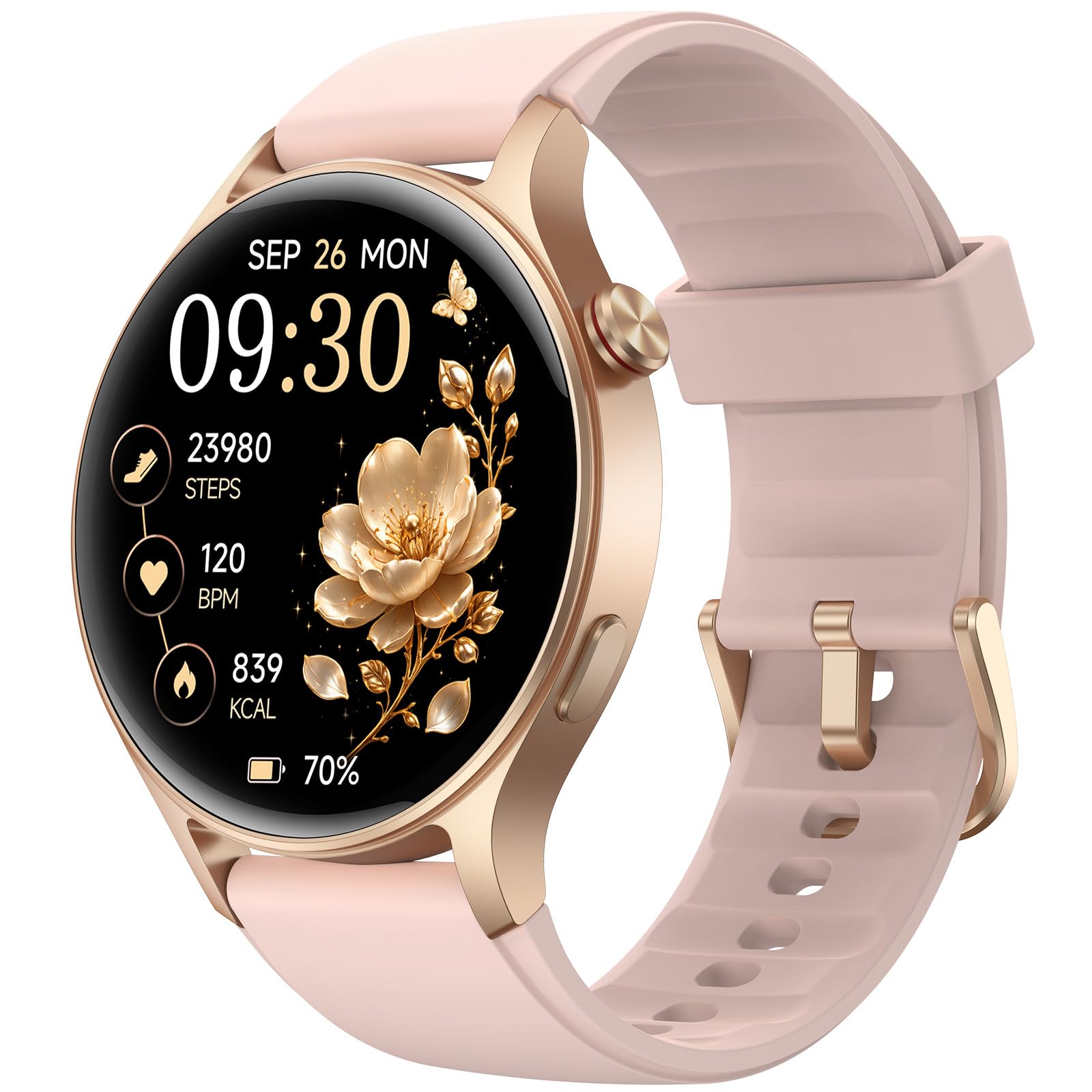
Who Should Buy Which Type
Different users need different strengths from activity tracker watches. The three types below cover most buyers, and each suits a distinct routine. Read through them and note which description sounds closest to your own use. That match points to the features worth paying for and the extras you can skip.
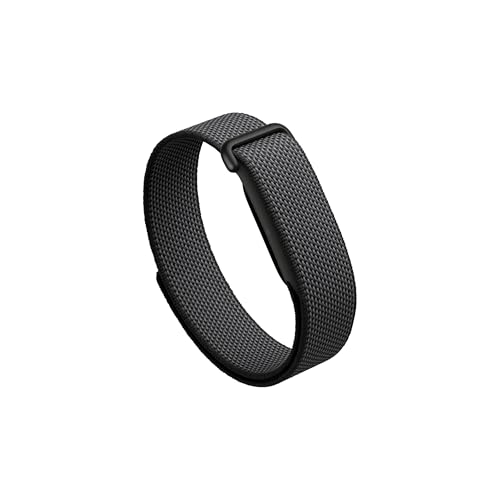
Band style trackers
Band style trackers suit buyers who value a balance of comfort and practicality for everyday use. They tend to work well when the main goal is steady, reliable performance rather than specialist extremes. Check the key features listed in this guide against the type before deciding. A good match feels natural from the first use, not only after a long adjustment period.
Before choosing band style trackers, think about where and how often you will use them. Harsh conditions, long sessions and frequent use all favour sturdier builds and better materials. Lighter use allows simpler designs and lower prices. Matching type to routine keeps both comfort and budget in balance.
Watch style trackers
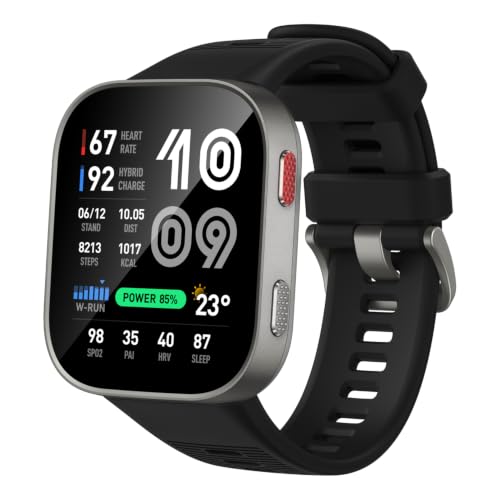
Watch style trackers suit buyers who value a balance of comfort and practicality for everyday use. They tend to work well when the main goal is steady, reliable performance rather than specialist extremes. Check the key features listed in this guide against the type before deciding. A good match feels natural from the first use, not only after a long adjustment period.
Before choosing watch style trackers, think about where and how often you will use them. Harsh conditions, long sessions and frequent use all favour sturdier builds and better materials. Lighter use allows simpler designs and lower prices. Matching type to routine keeps both comfort and budget in balance.
Hybrid trackers
Hybrid trackers suit buyers who value a balance of comfort and practicality for everyday use. They tend to work well when the main goal is steady, reliable performance rather than specialist extremes. Check the key features listed in this guide against the type before deciding. A good match feels natural from the first use, not only after a long adjustment period.
Before choosing hybrid trackers, think about where and how often you will use them. Harsh conditions, long sessions and frequent use all favour sturdier builds and better materials. Lighter use allows simpler designs and lower prices. Matching type to routine keeps both comfort and budget in balance.
Key Features Explained
The features below shape comfort, durability and value more than brand names do. Work through them in order and mark the ones that matter for your routine. Features that sound impressive but do not match your use add cost without benefit. Focus on the two or three features that affect your experience every day.
- step counting
- sleep tracking
- heart rate sensing
- long battery life
- simple app
Comfort depends on fit as much as on materials. A well chosen design supports natural movement and avoids pressure points during normal use. Test fit and feel whenever possible, and allow time for honest assessment. Small discomfort early on often grows with regular use, so do not ignore it.
Durability comes from build quality and care together. Strong materials last longer, but cleaning and storage also extend useful life. Check warranties and care guidance before buying. A product that is easy to maintain usually stays pleasant to use for longer.
Related guides can help you compare nearby options, including best activity watches, best watches for activity tracking, best fitness trackers watches, best fit tracker watches, best exercise tracker watches. Each guide covers a slightly different need, so use them to narrow your shortlist rather than to replace careful comparison. Returning to this guide after reading them helps you weigh trade offs with fresh eyes.
Budget Tiers and Value
Budget options cover the basics and suit light or occasional use. They often use simpler materials and fewer extras, which keeps prices low. For many buyers, a budget choice is sensible when use is infrequent. Check the core features first and accept simpler finishes.
Mid range options usually offer better materials, comfort and durability for regular use. This tier often gives the best balance for daily buyers. Compare the features you use most, not the longest feature list. A mid range choice that fits well beats a premium choice that does not.
Premium options add refined materials, extra features and longer warranties. They suit heavy use or buyers who value specific refinements. Prices in this tier range widely, from about $100 to $250 for many categories, so compare like with like. Pay for refinements you will notice, not for labels alone.
Care, Setup and Common Mistakes
Good setup starts with reading the guidance that comes with your purchase. Follow cleaning and storage advice from the start, since early habits shape long term condition. Keep receipts and warranty details in one place. Simple care routines prevent many common problems.
A common mistake is choosing by price alone without checking fit or core features. Another is ignoring how the product will be used most days. Take time to test, measure and compare before committing. The product table above summarises the main types to help that final comparison.
Sizing, Fit and Everyday Use
Getting sizing right matters more than any single feature for activity tracker watches. Measure both feet when possible, since many people have one foot slightly larger than the other. Try the product with the socks, cables or accessories you will use most days. A fit that feels good for a few minutes may still reveal pressure points after longer use, so test patiently.
Everyday use also reveals small details that specs cannot show. Controls should feel natural, cleaning should feel simple, and storage should fit your home. Think about morning routines, travel and shared use before finalising a choice. Products that fit daily habits tend to stay in use, while awkward products gather dust.
Finally, check return and warranty terms before ordering. A fair return window lets you test in real conditions, not just in a shop. Keep packaging until you are sure, and note any restocking rules. The product table above gives a quick recap of the types, and the FAQ section below answers the questions buyers ask most.
Frequently Asked Questions
What should a first tracker measure?
Steps, sleep and heart rate cover most beginners well. Extra metrics help only if you review them. Simple goals build habits faster than complex dashboards. Pick metrics you will actually check each week.
How long does the battery last?
Many trackers last several days, while feature rich watches need more frequent charging. Screen type and GPS use change results. Charging during showers can keep data gaps small. Check real use battery claims, not standby claims.
Are step counts accurate?
Step counts are estimates that vary with arm movement and walking style. Trends over weeks matter more than single day totals. Wear the device consistently for fair comparisons. Sudden large changes may reflect wear habits, not fitness.
Do trackers help sleep?
Sleep tracking shows duration and patterns that can guide bedtime habits. It does not diagnose sleep disorders. Consistent wake times often help more than perfect scores. Talk with a clinician about persistent sleep problems.
Can I share data with a coach or clinician?
Many apps export summaries or connect to health platforms. Check privacy settings before sharing. Share trends rather than single readings. Health decisions should rest on clinical advice, not tracker data alone.
Final Thoughts
Take your time, compare the types in the product table above, and choose the option that fits your routine and budget. Comfort, durability and ease of use matter more than any single feature claim. A careful choice now saves frustration later and makes daily use more enjoyable.
If you are still unsure, revisit the key features section and rank them for your own use. That short list makes the final decision much clearer. With the right match, best activity tracker watches should serve you well for a long time.
Keep notes as you compare, including size, price range and the features you liked in each option. Notes make it easier to spot the best balance instead of relying on memory alone. Share the shortlist with anyone else who will use the product, since their comfort matters too. A shared decision usually leads to happier daily use.