
Best Active Wear Watches: Types Compared and How to Choose for 2026
Disclosure: We may earn a commission when you buy through links on this page, at no extra cost to you. As an Amazon Associate I earn from qualifying purchases. Learn more

Compare the best active wear watches by type, ideal user and price range to pick the right style for your routine.
Choosing between quartz, automatic, dive, field, and smart styles can feel confusing because each type solves a different daily problem. This guide compares the best active wear watches by type, so you can match movement, size, strap, and water resistance to the way you actually live and move.
Start with your routine rather than a brand name. A watch you wear for training, commuting, and weekends needs comfort, legibility, and a strap that handles sweat, while a watch for travel or outdoor work needs stronger water protection and a tougher case.

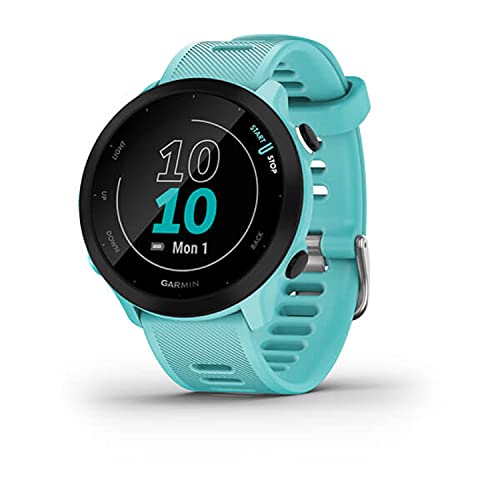
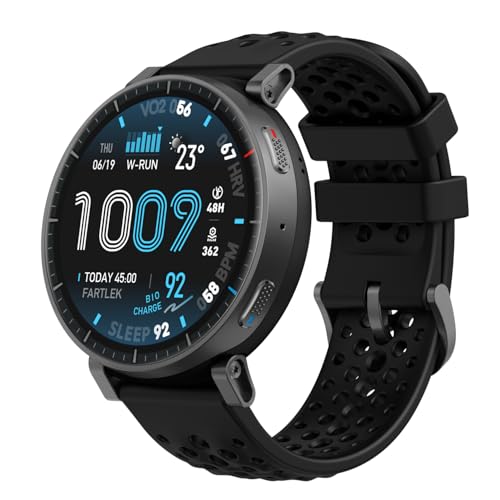
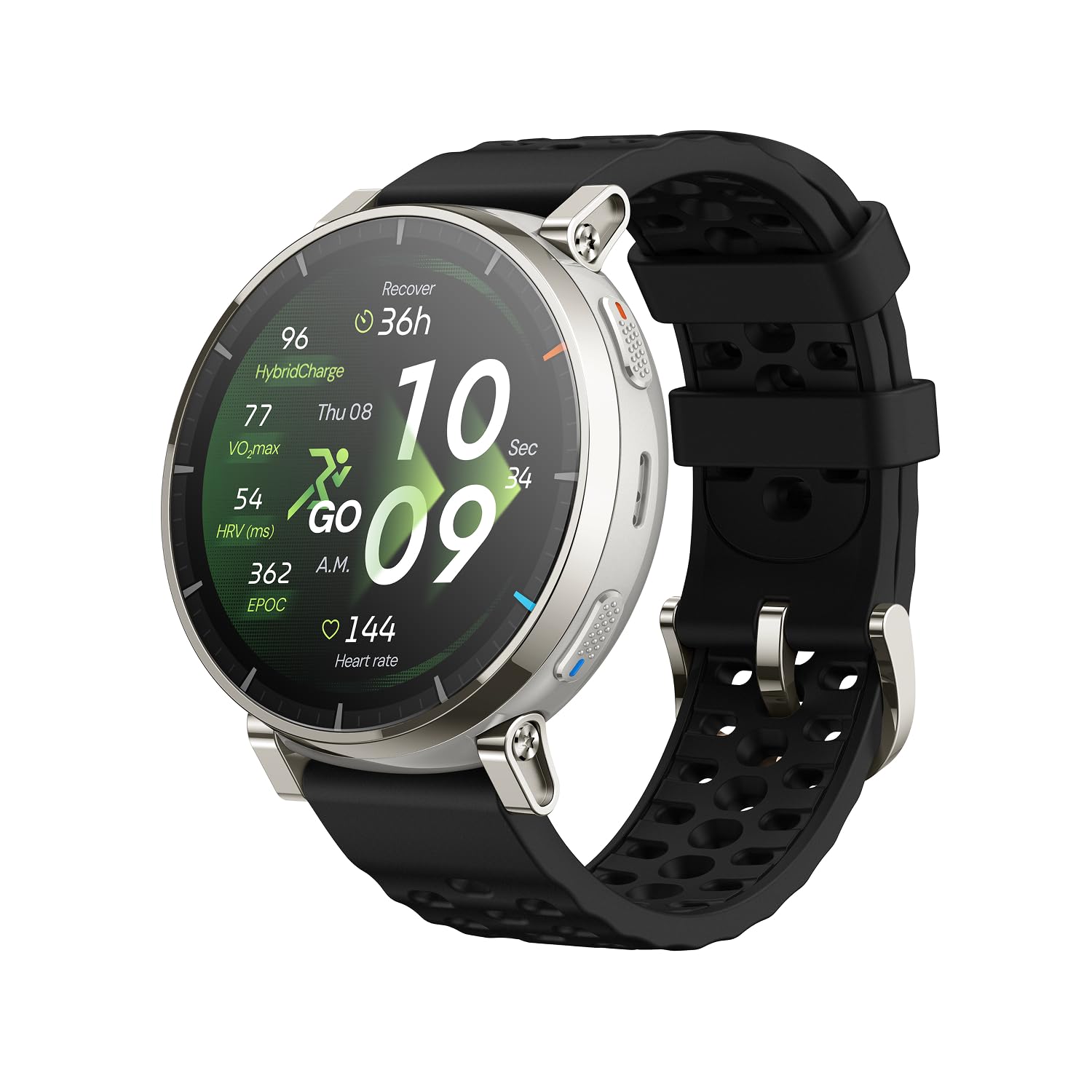

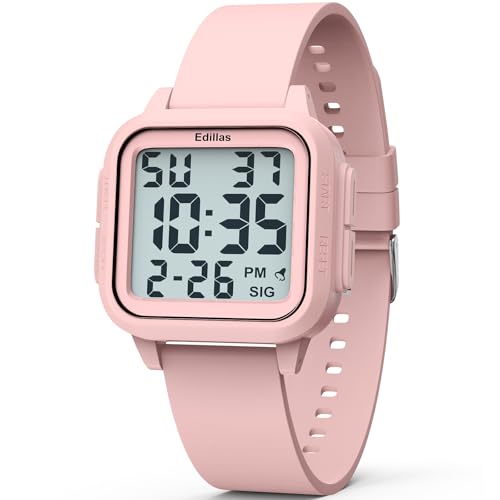

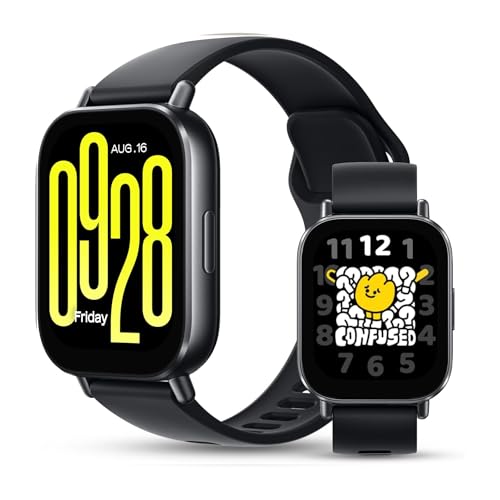


Types of Active Wear Watches Compared
Think of the comparison table above as a short list of types, not a ranking of models. Quartz favors accuracy and low upkeep, automatic favors mechanical character and no battery changes, and dive or field styles favor durability and clear dials in poor light.
Price follows materials and movement more than looks alone. Simple quartz models often sit around $50 to $150, solid automatic and dive styles often sit around $150 to $500, and premium cases with sapphire crystal and stronger finishing can move well above that range.
Quartz Watches
A quartz watch uses a battery powered circuit and a quartz crystal to keep time with strong accuracy, often within a few seconds each month. That accuracy, slim cases, and low prices make quartz a practical default for daily wear, school, office days, and travel where you want to set the time once and forget it.
The trade off is battery replacement every two to three years and less mechanical charm. If you rotate several watches, a quartz piece will still be ready when you pick it up, which is a real advantage for busy schedules and for anyone who dislikes winding or resetting a stopped watch.
Automatic Watches
An automatic watch uses a mechanical automatic movement wound by wrist motion, with a mainspring that stores power for roughly one to two days off the wrist. Owners enjoy the smooth seconds hand, the craft inside the case, and freedom from battery changes, and many models show the movement through a clear case back.
The cost is more upkeep and less precision than quartz. Expect a service every five to seven years, a thicker case in many designs, and a higher starting price for good finishing. Choose automatic if you value the wearing experience and plan to wear the same watch most days so it stays wound.
Dive and Field Watches
Dive watches pair strong water resistance, a rotating bezel, bold lume, and a secure strap for swimming and rough use. Field watches favor a matte dial, clear numerals, and a tough case for outdoor work, hiking, and travel where glare and bumps are common and a dress look is not the goal.
Both styles wear larger and thicker than slim quartz dress pieces, so wrist fit matters. If your days include water, yard work, or the gym, that extra toughness earns its place. If you mostly wear sleeves and sit at a desk, a smaller field case often feels better than a large dive case.
Quartz Watches vs Automatic Watches: Which Should You Choose?
For accuracy and low cost, quartz wins for most people. For mechanical interest and long ownership without battery swaps, automatic wins. Compare four points before you decide: how often you will wear it, how much service you accept, how thick a case you enjoy, and how precise you need the time to be each week.
A useful rule is simple. Pick quartz for a grab and go watch, for a tight budget, or for a second watch you wear only on weekends. Pick automatic for a main daily watch you will wear often, enjoy maintaining, and keep for years. Neither choice is better in the abstract, only better for your routine.
If you also want one watch that shifts from training clothes to smarter outfits, see our guide to the best watches to wear for ideas on dial color and strap changes that stretch one case across more settings.
How to Choose the Right Active Wear Watch
Strap and Bracelet Options
Silicone straps handle sweat and rain best and rinse clean in seconds, which suits training and summer wear. NATO style fabric straps dry fast, add color, and keep the watch on your wrist even if one spring bar fails. Leather looks warm for casual wear but absorbs sweat and ages faster with daily sport use.
Metal bracelets feel secure and dress up a plain dial, yet they add weight and can pinch during workouts. A quick release strap system lets you swap between silicone for exercise and leather or steel for evenings in under a minute, and that flexibility often matters more than owning a second watch.
For outfit planning beyond sport, our guide to the best watches for casual wear explains how strap color and dial size change the feel of jeans, knitwear, and unstructured jackets.
Water Resistance Rating
A rating of 30 m means splash resistance only, so hand washing and light rain are fine but swimming is not. A rating of 100 m handles swimming and snorkeling in most daily cases, while 200 m suits diving style use and gives extra margin for seals as they age over time.
Ratings assume fresh gaskets and a fully closed crown. Heat, soap, and steam in showers can stress seals, so rinse the watch after saltwater, dry it with a soft cloth, and have seals checked during service. Never press buttons under water unless the maker clearly allows it for that design.
Movement Type
Beyond quartz and automatic, solar watches charge from light and can run for months in darkness, which cuts battery waste and suits outdoor workers. Smart models add GPS, notifications, and training data, but they need charging every few days or weeks and software support that will end sooner than a mechanical service cycle.
Match movement to patience. If you hate charging and resetting, quartz or solar keeps life simple. If you enjoy mechanical objects and accept service costs, automatic rewards you daily. If training data drives your workouts, a smart movement is a tool first and a watch second, so judge it by battery and sensor fit.
Smart and Fitness Features
GPS helps runners and cyclists record routes without a phone, and heart rate sensors help you watch training effort trends over weeks. Step counts, sleep logs, and phone alerts can also help you stay consistent, as long as the watch stays comfortable enough to wear all day and all night.
Treat health data as guidance, not a medical reading. A wrist sensor can miss spikes during hard effort, and no consumer watch replaces a doctor or a proper medical device. If a reading worries you or symptoms appear, stop, rest, and talk with a qualified clinician about your personal needs.
If connected features are your priority, compare that path with our guide to the best google wear watches, which covers the smart side of daily wear in more depth.
Case Size and Wrist Fit
Most active styles sit between 38 mm and 44 mm in case diameter. A smaller wrist, roughly under 6.5 inches around, often looks and feels best at 38 mm to 40 mm, while a larger wrist can carry 42 mm to 44 mm without the case hanging past the wrist edges.
Measure lug to lug length as well as diameter, because that span decides overhang. Thickness matters under cuffs, and strap curve matters for comfort during workouts. Try the watch with your usual training clothes, bend your wrist fully, and check that the crown does not dig into the back of your hand.
Choosing Active Wear Watches for Your Situation
Best Mens Active Wear Watches: Which Type Works Best
When shoppers search for best mens active wear watches, the useful differences are usually larger average wrist size, a preference for 40 mm to 44 mm cases, and straps long enough for thicker wrists. A dive or field type with a silicone or fabric strap, 100 m water resistance or more, and strong lume covers training, travel, and weekends without extra fuss.
For a focused short list of that fit and size range, see our guide to the best men's active watches and compare its size notes with the fit checks above before you order.
How to Make Your Active Wear Watch Last Longer
Small habits add years of use. Rinse the case and strap after saltwater or heavy sweat, dry it away from direct heat, and store it away from magnets in speakers and bag clasps that can affect a mechanical movement. Rotate straps so each one dries fully, and wipe the case back weekly if you train often.
Service an automatic watch every five to seven years, replace a quartz battery before it leaks, and check spring bars twice a year by gently tugging each strap end. Practical know how: a soft toothbrush and plain water clean strap grooves well, and you should stop and see a watchmaker if fog appears inside the crystal, because moisture inside means a seal has failed.
FAQs
How long does a watch battery last?
A quartz watch battery usually lasts about two to three years. Life shortens when you use alarms, lights, or a chronograph often, because each feature draws extra power. A useful extra tip is to ask the shop to note the change date inside your records, and replace the battery as soon as the seconds hand starts jumping in larger steps, which many movements use as a low power signal.
What case size fits my wrist?
The right case size keeps the lugs inside the width of your wrist. Measure your wrist, then compare that span with the lug to lug figure rather than diameter alone. As an added check, leave about a finger width of strap tail after the buckle, and make sure you can slip one finger under the strap, which signals a fit that will stay comfortable as your wrist swells during exercise.
Quartz or automatic: which is better?
Neither is better for everyone, because quartz wins on accuracy and price while automatic wins on craft and battery free ownership. A point the body only touched briefly is resale and repair: common quartz movements are cheap to swap, while a quality automatic movement can be serviced for decades, so long term repair access in your country can tip a close decision.
How water resistant should a watch be?
For active daily wear, choose at least 100 m if you swim with your watch. That level covers pools and shallow sea swimming for most users with fresh seals. One extra caution is age: a five year old watch that was rated at 100 m when new may no longer seal that well, so a pressure check before a swim holiday is cheap insurance against water damage.
Is a smartwatch worth it over a classic watch?
A smartwatch is worth it if GPS routes, training load, and phone alerts change how you exercise each week. It is less worth it if you will charge it rarely and ignore the data. Consider screen life as the extra factor: a classic watch can be serviced for many years, while a smart model depends on battery health and software updates that set a shorter useful life.
Our Verdict
Start with movement, fit, and water resistance, because those three choices decide daily comfort more than dial color ever will. Quartz suits low upkeep and tight budgets, automatic suits daily wearers who value craft, and dive or field types suit water and rough use, so use the product table above to compare the best active wear watches that match your routine and wrist.


