Best Active Watches 2026: A Practical Buying Guide
Disclosure: We may earn a commission when you buy through links on this page, at no extra cost to you. As an Amazon Associate I earn from qualifying purchases. Learn more

Choose an active watch for workouts, daily wear, and sleep tracking. Compare GPS, battery life, durability, sensors, and phone compatibility.
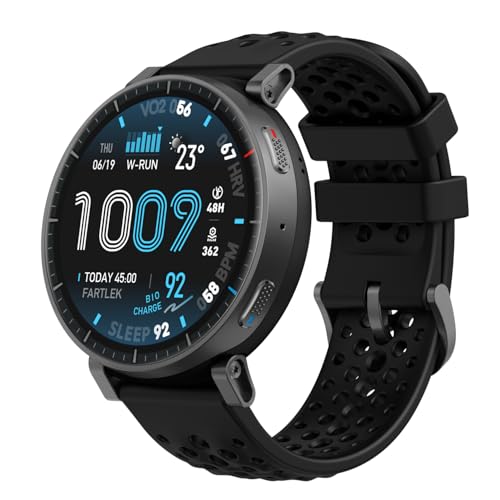
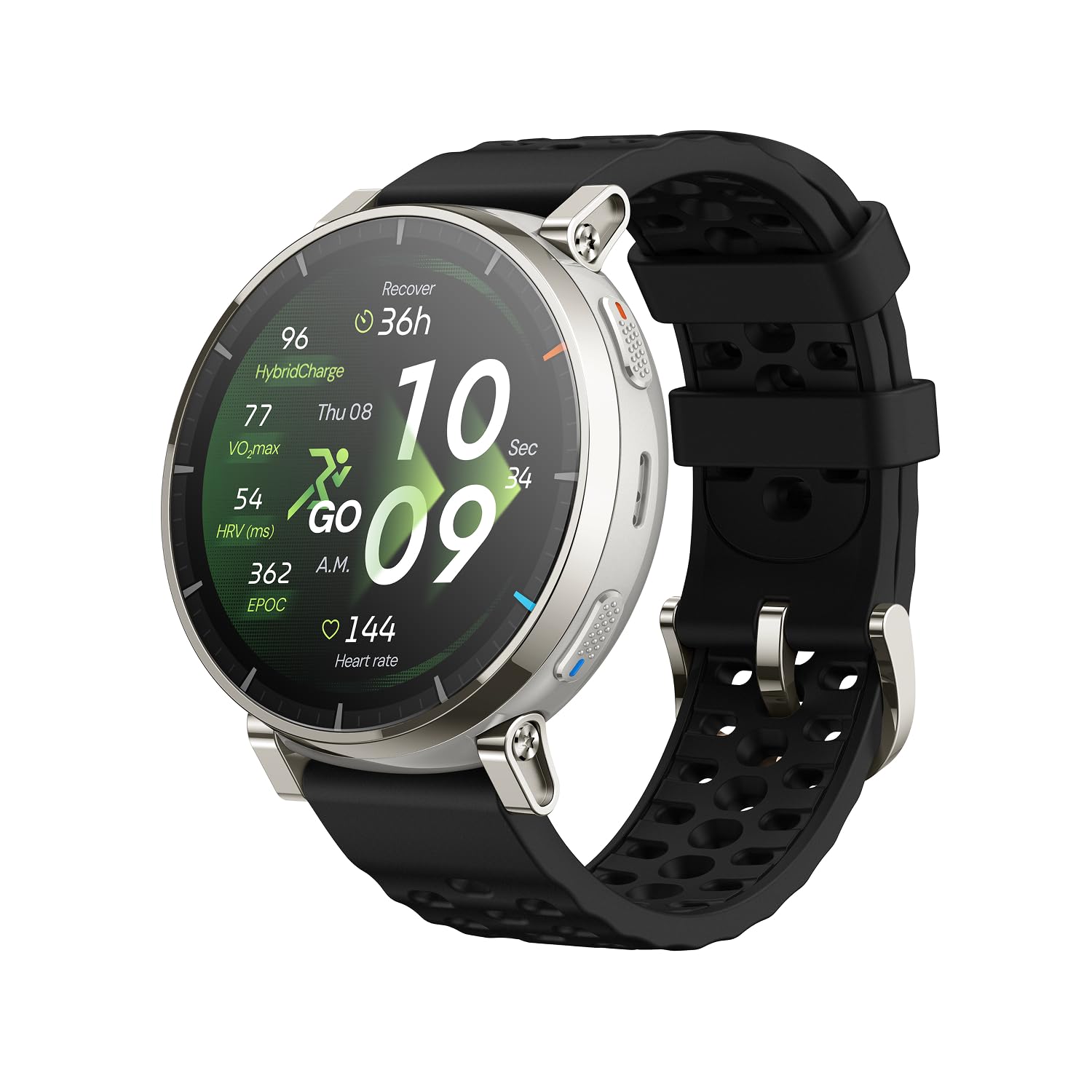
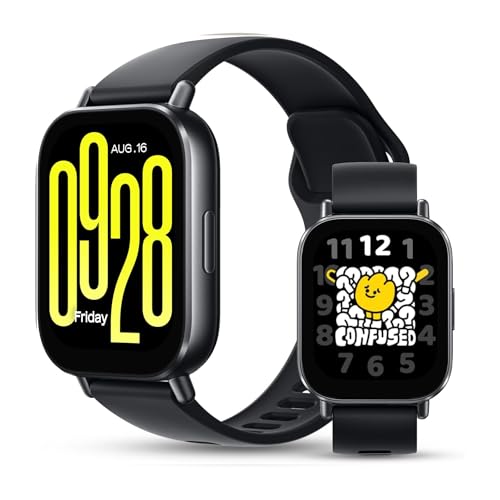
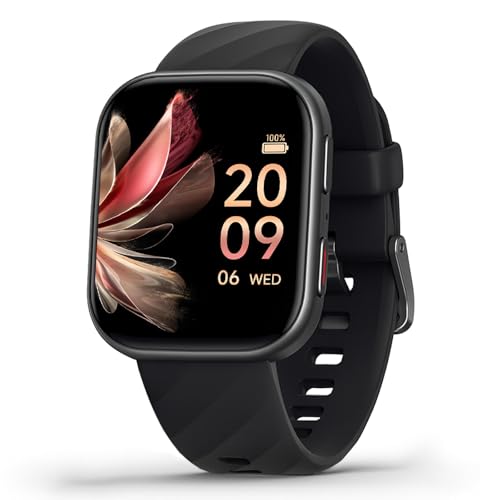
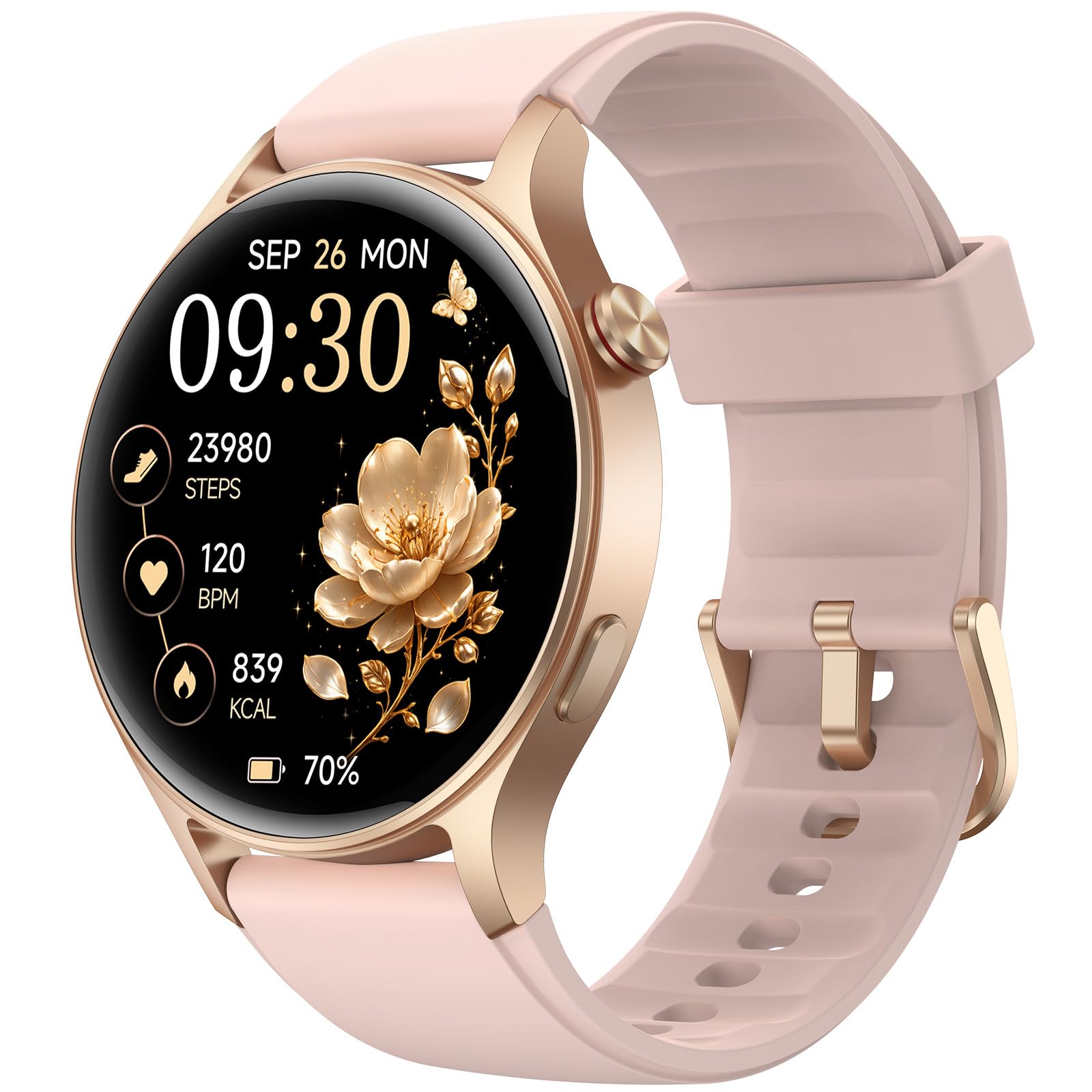
An active watch should keep up with workouts, work, and rest without constant charging or fuss. The best active watches balance fitness tracking, readable displays, comfortable fit, and battery life that suits real life. The comparison table below will help you compare the main options side by side.
This guide covers sensors, GPS, battery, durability, and phone compatibility, so you can choose by how you actually move. Whether you run, lift, swim, or simply want a nudge to move more, the right watch is the one you enjoy wearing every day.




Who Should Buy Which Type
For Runners and Outdoor Athletes
Runners need accurate GPS, clear pace and distance data, and a display readable in sunlight. Battery life matters on long runs, and a comfortable strap matters more over distance than it first seems. Choose GPS accuracy and comfort over extra smart features you rarely use.
For Gym and Strength Training
Gym users need a watch that tracks workouts, heart rate, and rest without getting in the way of grips and bars. A slim case and a secure strap help during lifts. Rep counting and workout modes vary widely, so check how the watch handles your training style.
For Everyday Active Living
Everyday users want step, sleep, and health trends plus notifications, in a watch that looks fine at work and on weekends. Battery life and charging ease matter daily, since a dead watch tracks nothing. Comfort and style decide whether it stays on your wrist.
Types Compared
GPS Sports Watches
GPS sports watches focus on training data, route tracking, and long battery life. They often have buttons for use with sweaty hands and gloves. They suit runners, cyclists, and hikers who train by data.
Smartwatches with Fitness Tracking
Smartwatches add apps, calls, and messages alongside fitness tracking, in a more general purpose package. Battery life is often shorter, and fitness depth varies by model. They suit users who want one watch for everything.
Fitness Bands with Watch Features
Fitness bands are lighter and simpler, focusing on steps, heart rate, and sleep with basic watch functions. They suit users who dislike bulky watches or want long battery life. Screens are smaller, so data review often happens on a phone.
Rugged Outdoor Watches
Rugged watches add tough cases, water resistance, and outdoor navigation features for harsh conditions. They are larger and heavier, but they survive knocks, water, and dust. They suit hikers, swimmers, and outdoor workers.
Key Features to Compare
GPS Accuracy and Modes
GPS accuracy depends on satellite support, antenna design, and how the watch handles trees, buildings, and canyons. Multi band GPS helps in tricky spots but uses more battery. Check which sports modes you need, since mode lists vary widely.
Heart Rate and Health Sensors
Optical heart rate sensors track effort and recovery trends, while extra sensors may add blood oxygen, sleep stages, and stress estimates. Treat readings as trends and estimates, not medical measurements. If you have a health concern, talk with your clinician rather than relying on a watch.
Battery Life
Battery life varies hugely by GPS use, display brightness, and always on settings. A watch that lasts a week in daily use may last only hours with continuous GPS. Match battery claims to your longest workout, not to standby claims.
Display and Controls
A readable display in sunlight and controls that work with sweaty or gloved hands matter during real workouts. Touch screens suit daily use, while buttons suit sports use. Try the size on your wrist, since a watch too large for you will annoy you daily.
Water Resistance and Durability
Water resistance ratings describe swimming, showering, and diving limits, so match the rating to your sports. Rugged cases and scratch resistant screens help for outdoor and manual work. Check strap durability too, since straps wear faster than cases.
Fit and First Setup
Fit the watch snug enough for steady sensor contact, but loose enough to stay comfortable all day. Wear it slightly higher on the wrist for workouts than for daily wear, if the maker suggests it. A good fit improves heart rate readings more than any setting change.
Pair the watch with your phone, set your age, height, and weight honestly for better estimates, and choose only the notifications you truly need. Too many alerts turn a helpful watch into a distraction. Start with core workout and health features, then add extras slowly.
Care and Maintenance
Rinse the watch after swimming or sweaty workouts, and clean the strap as the maker recommends. Check straps and clasps for wear, since a failed clasp can lose the watch. Charge with the correct cable and avoid leaving the battery empty for long periods.
Update software when updates arrive, since they often improve GPS and battery behavior. If readings seem off, check fit, skin contact, and sensor cleanliness before assuming a fault. Small care steps keep tracking consistent over time.
Mistakes to Avoid
- Choosing the most featured watch, then finding battery life or size unusable daily.
- Trusting watch health readings as medical advice instead of trends.
- Wearing the watch too loose for workouts, then blaming sensor accuracy.
- Ignoring phone compatibility, then losing features you paid for.
A Final Check Before You Order
Before you order, confirm GPS modes, battery life in your use, water rating, phone compatibility, and wrist fit against your sports and daily life. Check strap options and charging style, since daily annoyances matter more than rare features. These checks matter more than any single sensor claim.
The related guides linked below cover nearby active watch choices, including smart and lifestyle options, so you can compare fitness depth and daily use. Read them with your routine in mind, and shortlist the watch that fits your wrist and life. Related guides: best men's active watches, best active smart watches, best active watches for women, best watches for active lifestyle, best active watches for android.
Frequently Asked Questions
How accurate are active watch heart rate readings?
Optical heart rate readings are useful trends for training, but they can vary with fit, movement, and skin tone. They are not medical grade measurements. For training zones and recovery trends they work well, but talk with your clinician about any health concern. Wrist tattoos and very cold skin can also affect optical readings, so check fit first when numbers look odd.
Do I need GPS on an active watch?
You need GPS if you want accurate pace, distance, and routes for running, cycling, or hiking without carrying a phone. If you train indoors or always carry a phone, phone GPS may suffice. Standalone GPS adds freedom and battery trade offs to weigh. Phone GPS drains phone batteries quickly, which is another reason standalone watch GPS appeals to long distance athletes.
How long should an active watch battery last?
It depends on use. Daily use without GPS can last many days on sports watches, while continuous GPS use lasts hours. Smartwatches often need charging every day or two. Match the claim to your longest workout and charging routine, and turning off always on display often adds a full day of battery, with little loss in daily usefulness.
Can I swim with an active watch?
Only if its water resistance rating covers swimming, and only with the strap and seals in good condition. Rinse after swimming, especially in salt or chlorinated water. Check the rating before diving, since swim ratings and dive ratings differ. Salt water rinsing matters after sea swims, since dried salt can irritate skin under straps.
Will an active watch work with my phone?
Most watches pair with both major phone systems, but some features may work better on one system. Check app support, notification handling, and music control for your phone before buying. Compatibility surprises are a common source of disappointment. Some watches also limit replies and music control on one phone system, so verify your must have features early.
Making Tracking a Habit
Tracking works only when wearing the watch becomes a habit, so comfort and charging routine matter more than features. Choose a strap that feels good all day, and charge at a consistent time, such as during a shower or morning routine. A watch left on a charger tracks nothing.
Focus on trends over weeks, not single day numbers, since sleep, steps, and heart rate vary naturally day to day. Weekly averages reveal real change, while daily swings mostly reflect weather, stress, and schedule. Patience turns data into insight.
Set only a few goals at first, such as daily steps or consistent sleep times, rather than chasing every metric at once. Small, steady goals build momentum, while too many goals overwhelm and fade. Add new goals only after the first ones feel automatic.
Finally, use watch data as a nudge, not a judge. A low step day is information, not failure, and rest days are part of training. If health readings worry you, talk with your clinician rather than drawing conclusions from a watch alone.
Final Thoughts
Choose for fit, battery, and the sports you actually do, and the best active watches for your life will be the ones still on your wrist months later. The product table above gives a useful starting point, but your routine should make the final call.
Order only after you have confirmed GPS, battery, water rating, and phone compatibility, and wear the watch daily for a few weeks before judging its data. Consistent wear gives the trends that make an active watch truly useful.