Best Active Watches for Women: Which One Fits the Way You Use It in 2026?
Disclosure: We may earn a commission when you buy through links on this page, at no extra cost to you. As an Amazon Associate I earn from qualifying purchases. Learn more

Discover the best active watches for women for your needs. We match features to real use cases so you avoid overpaying and get the right fit the first time.
There is no single watch that suits a swimmer, a trail runner, and someone who simply wants a tough everyday watch that looks good at work. Case size, movement type, and water resistance matter in completely different ways depending on your week. This guide matches best active watches for women to real use cases first, so you can skip features you will never use and pay only for the ones you will.
Decide which buyer type below sounds like you, note the features that type needs, and then check the comparison table below with that short list in hand. Fit comes before features: a watch you enjoy wearing every day beats a technically stronger one that lives in a drawer.

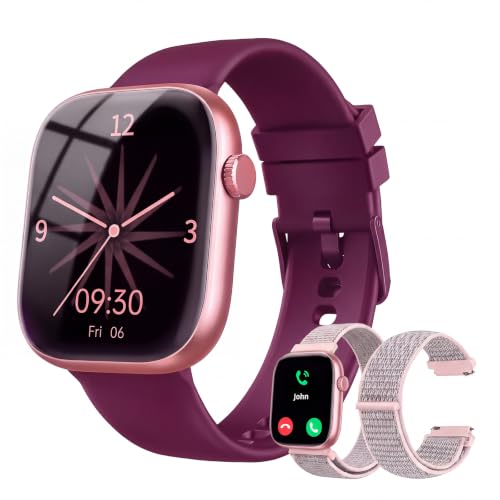
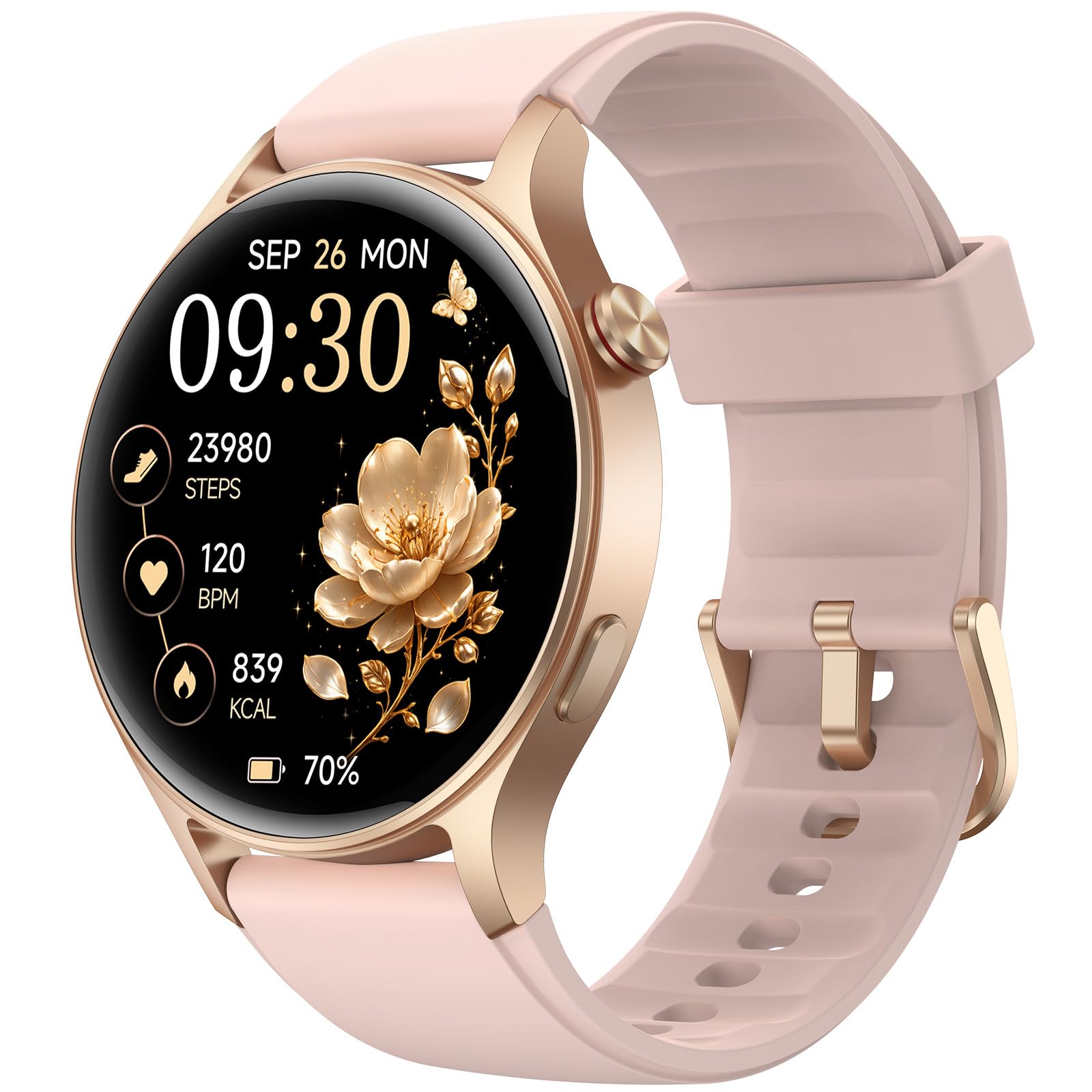

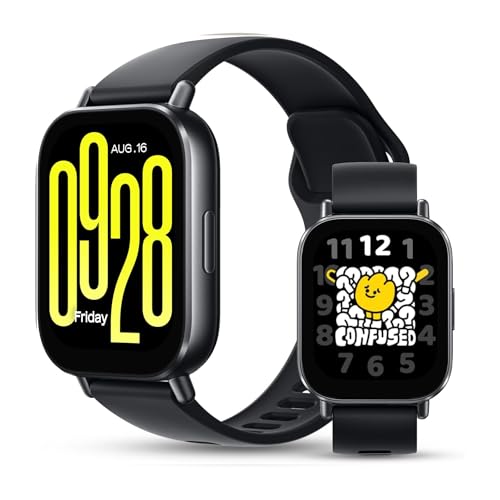

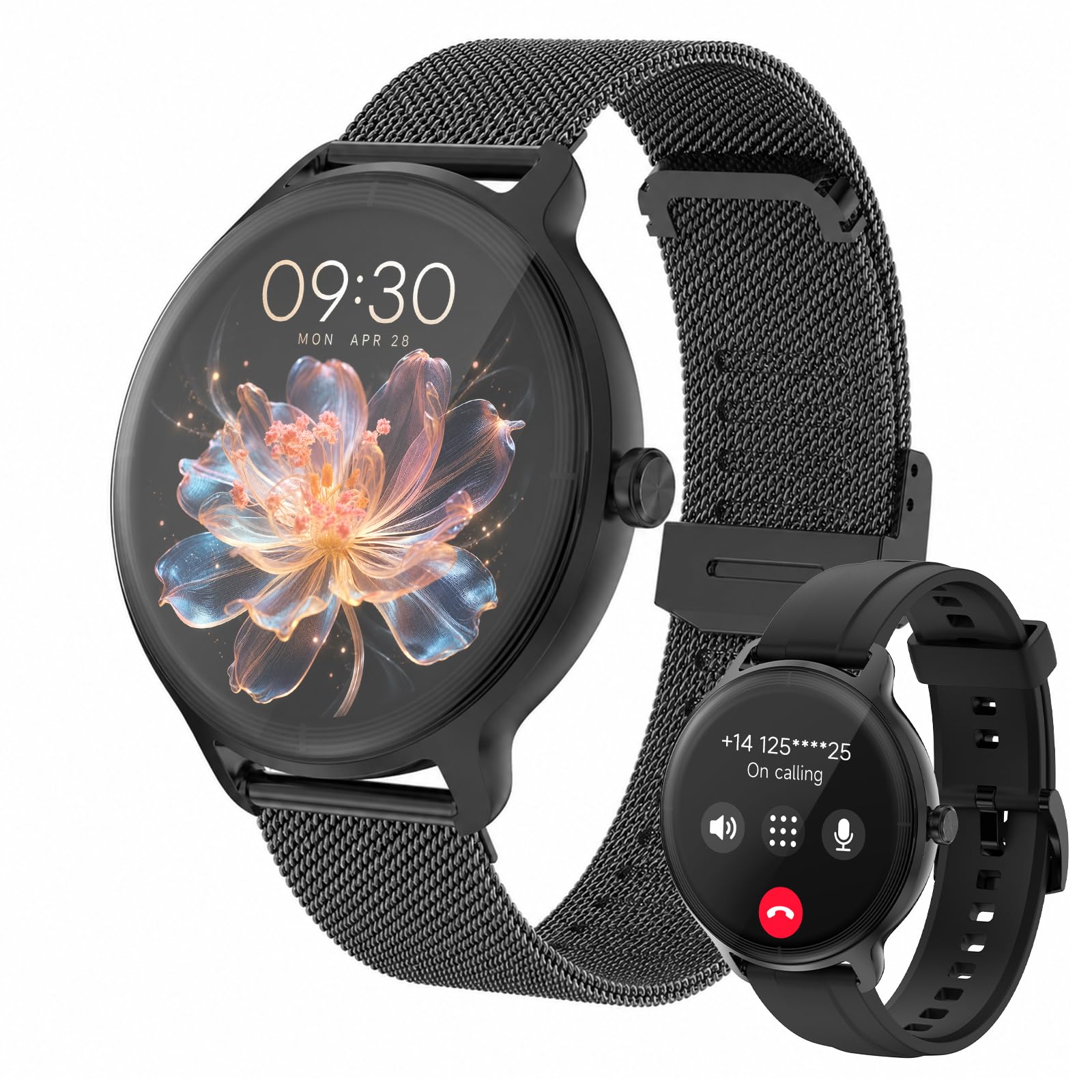
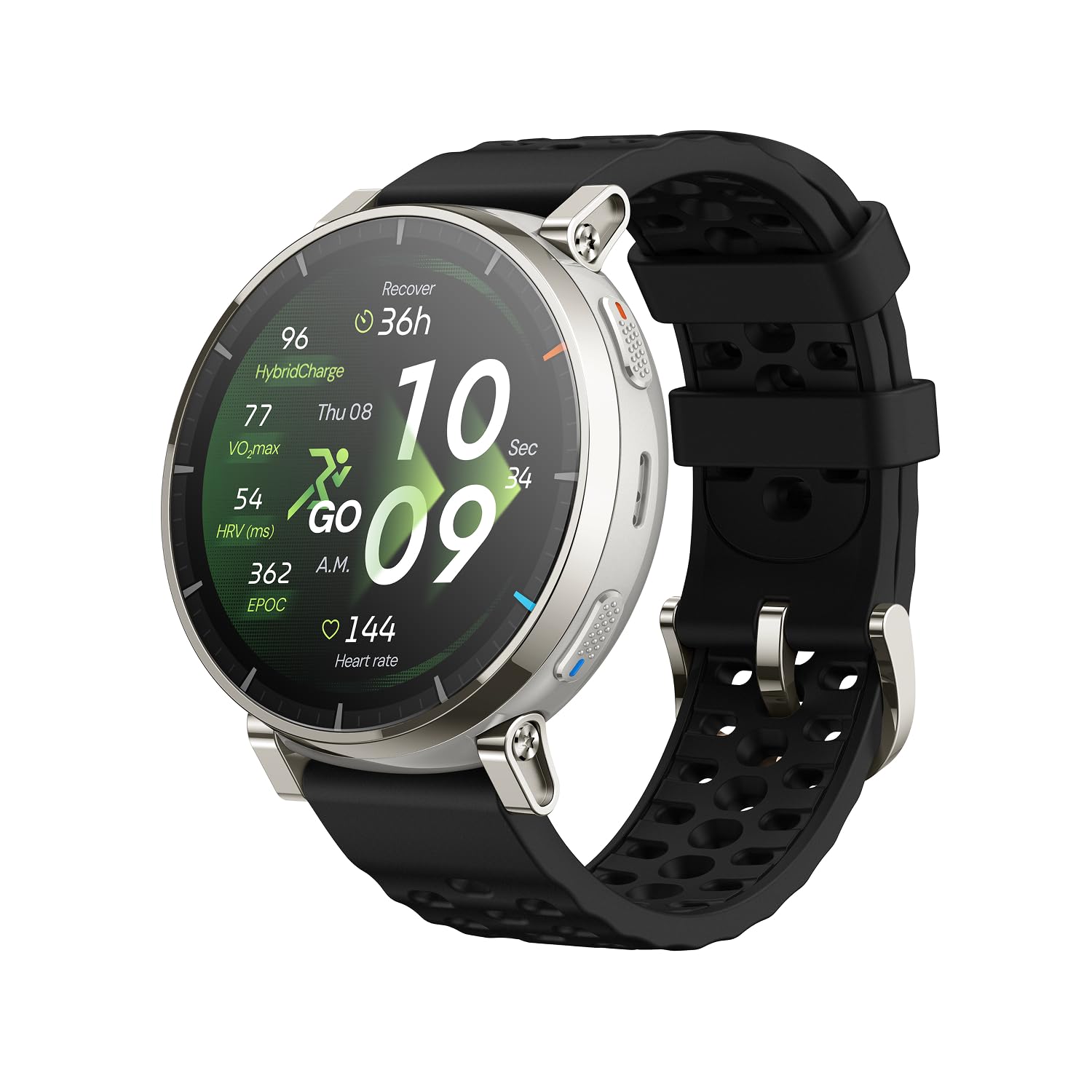
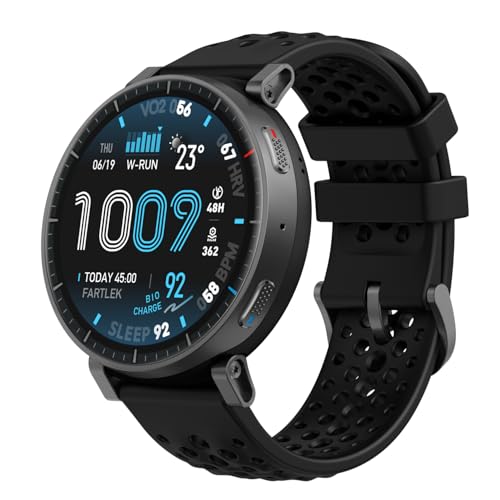
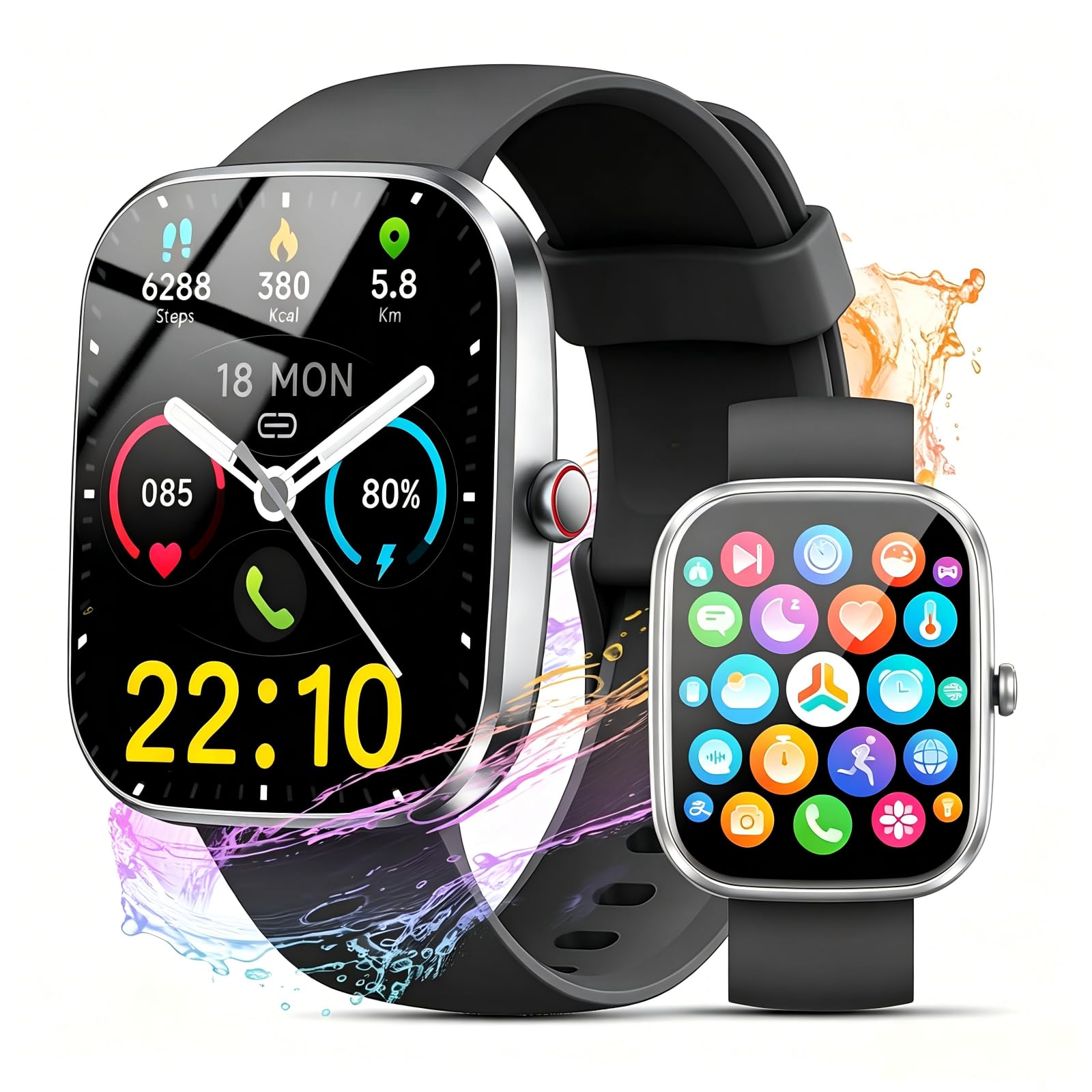
Who Should Buy Which Active Watches?
For Gift Shoppers
Gift buyers should favor versatility and easy returns over niche performance. A mid sized case around 36 to 40 mm, a neutral dial, and a strap that swaps easily will suit most wrists and wardrobes. Quartz and solar movements are safer gifts than automatics, because they need no winding routine or explanation. Check the return window and warranty before wrapping, and include the receipt quietly in the box. If the recipient trains seriously, a gift card toward a fitness focused model is kinder than guessing at sport features.
For First Time Buyers
First time buyers do best with simple, reliable designs that forgive mistakes. Choose clear dial markings, a secure strap, and water resistance of at least 100 m so showers, rain, and pool days need no thought. Avoid very small cases that are hard to read at a glance and very large ones that catch on sleeves and gym equipment. Our broader guide to the best active watches gives useful background if you are still comparing styles across the whole category.
For People Who Want the Best Performance
Performance buyers should decide what performance means for their sport before spending. Runners and triathletes gain most from GPS, heart rate tracking, and long battery life in a light case. Divers and surfers gain most from a 200 m rating, a unidirectional bezel, and a strap that fits over a wetsuit. Hikers benefit from altimeter and compass sensors. Premium prices pay off when they buy the sensor set or durability your sport actually uses, and they waste money when they buy specifications you will never switch on.
Key Features to Compare
Legibility and Style
You read a watch hundreds of times a month, so legibility is a daily feature, not a detail. Strong contrast between hands and dial, clear hour markers, and luminous material, often called lume, on hands and markers make dawn runs and dim offices easier. Style matters just as much for wear time: sporty cases pair with training clothes, while slimmer polished cases move into office and evening wear. A quick release strap system lets one watch do both jobs, swapping rubber for leather in seconds.
Movement Type (Quartz, Automatic, Solar, Smart)
Quartz movements are accurate, affordable, and need only a battery change every one to three years. Automatic movements wind from your wrist motion, appeal to watch lovers, and need servicing every five to seven years to stay accurate. Solar movements charge from light and remove battery worries almost entirely, which suits low maintenance buyers. Smart movements add screens, apps, and tracking but need charging every one to eighteen days depending on the model. Choose by your tolerance for upkeep, not by prestige.
Smart and Fitness Features
GPS tracks routes without a phone, heart rate sensors estimate training effort, and sleep tracking can highlight recovery patterns over time. These tools are helpful for training decisions, but they are consumer estimates, not medical devices, and they cannot diagnose anything. If a reading ever worries you, or you manage a heart or health condition, talk with your clinician rather than trusting a wrist sensor. Shoppers focused on training can compare our guide to the best workout watches women use for gym and running features in more depth.
What Women Should Look For
Fit details decide comfort more than the women label on the box. Look for case diameters around 34 to 42 mm matched to your wrist, shorter lug to lug lengths that keep the case from overhanging, and lighter cases if you wear the watch all day and night. Strap holes should allow fine adjustment, because wrists swell during exercise and in heat. Controls should work with smaller hands and short nails. Readers comparing dedicated fitness models can also see our guide to the best women fitness watches.
Water Resistance Rating
Water ratings confuse many buyers, so translate them into real life. A 30 m rating resists splashes only and should stay out of the shower. A 100 m rating handles swimming, snorkeling, and daily life without worry, and suits most active buyers. A 200 m rating is the true diver level, built for scuba and repeated deep immersion. Whatever the rating, do not press buttons underwater unless the maker says you can, and have seals checked every couple of years on watches you swim with often.
Common Mistakes to Avoid When Buying Active Watches
- Buying by price or looks alone. A watch that fits your wrist and your sport will be worn daily, while a pretty mismatch will not.
- Ignoring case size. Oversized cases catch on equipment and sleeves, and undersized ones are hard to read mid workout.
- Overestimating water resistance. A 30 m splash rating is not a swimming watch, no matter how rugged the styling looks.
- Skipping the warranty check. Movements and smart batteries are costly to repair, so confirm coverage length before you buy.
- Paying for sensors you will not use. Golf, dive, and altitude features add cost and complexity that casual users never repay.
How to Make Your Active Watch Last Longer
Rinse the watch in fresh water after saltwater or pool exposure, and dry it before storing, because salt and chlorine age seals and straps. Keep it away from strong magnets such as bag clasps and speakers, which can disturb mechanical movements and compass sensors. Service automatic watches every five to seven years, replace quartz batteries promptly when they die so a leaking cell cannot damage the movement, and store smart models with a partial charge if they will sit unused for weeks. A soft cloth wipe after workouts also keeps sweat from dulling case finishes.
FAQs
What makes active watches for women different?
The main differences are proportion and fit rather than capability. Cases tend to run smaller with shorter lug to lug spans, straps adjust finer for smaller wrists, and lighter builds suit all day wear. The movements, water resistance, and sport features match the wider market. Buy the proportions that fit you, and ignore any suggestion that a women model should offer less performance.
Is a smartwatch worth it over a classic watch?
A smartwatch is worth it if you will actually use tracking, notifications, and training data most days. It asks for regular charging and will feel dated faster than a classic watch. A classic quartz, solar, or automatic watch wins on simplicity, longevity, and style range. Many active women end up owning one of each and rotating by activity, which is a sensible rather than extravagant answer.
How water resistant should an active watch be?
Choose at least 100 m if you swim, shower, or train in rain without thinking about your watch. That rating covers pools, open water swimming, and daily life with confidence. Reserve 200 m for scuba diving and serious water sports. If your activity stays on dry land, even 50 m handles sweat and weather comfortably, so spend the difference on fit or battery life instead.
What case size fits my wrist?
Measure your wrist with a soft tape, then match it to case width. Wrists under about 6 inches usually suit 34 to 38 mm cases, mid sized wrists suit 38 to 40 mm, and larger wrists carry 40 to 42 mm well. Lug to lug length matters as much as width: the case should not overhang either side of your wrist when viewed from above.
Quartz or automatic: which is better for active use?
Quartz is better for most active use because it shrugs off knocks, stays accurate, and costs less to maintain. Automatic movements appeal if you love mechanical craft and wear the watch daily so it stays wound, but they dislike hard impacts and need periodic servicing. Solar quartz splits the difference nicely, offering quartz toughness with almost no battery upkeep for years at a time.
Wrapping Up
Match the watch to your week, confirm the case truly fits your wrist, and pick a movement whose upkeep you accept. Those three decisions matter more than any single sensor or style detail. For more training focused options, see our guide to the best exercise watches for women, and for classic everyday styles, our guide to the best women watches. Compare the product table above with your short list, and the best active watches for women for your life will be clear.