
Best Active Studio Monitors: Everything to Know Before Your First Purchase in 2026
Disclosure: We may earn a commission when you buy through links on this page, at no extra cost to you. As an Amazon Associate I earn from qualifying purchases. Learn more
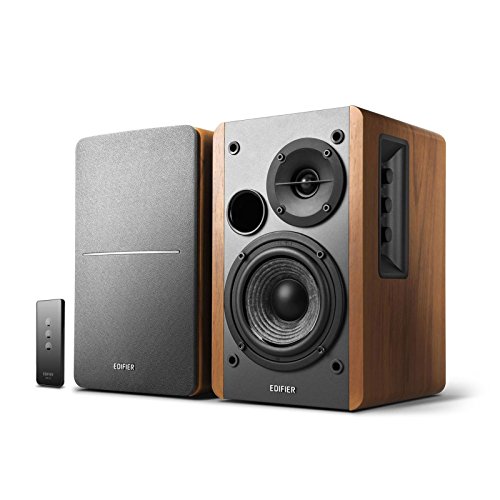
Shopping for the best active studio monitors for the first time? Learn the terms, compare options, and avoid rookie mistakes with this easy guide.
Buying your first pair of studio speakers feels confusing because spec sheets assume you already record and mix music. This guide slows down and explains best active studio monitors in plain language, from what the word active really means to how large a speaker your room can honestly support. By the end, you will know which features matter, which ones you can safely ignore, and how to set a sensible budget.
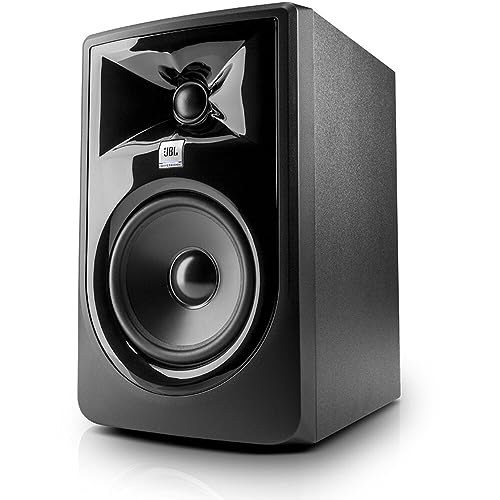
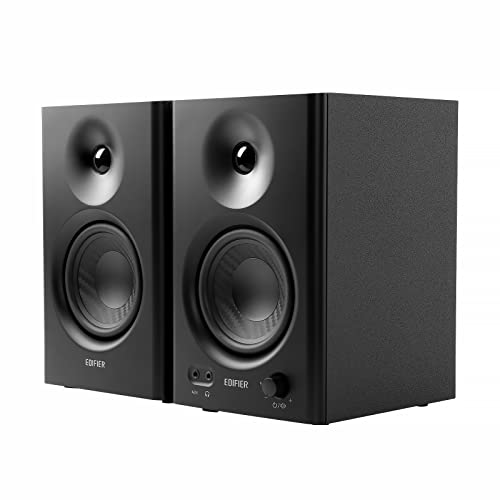
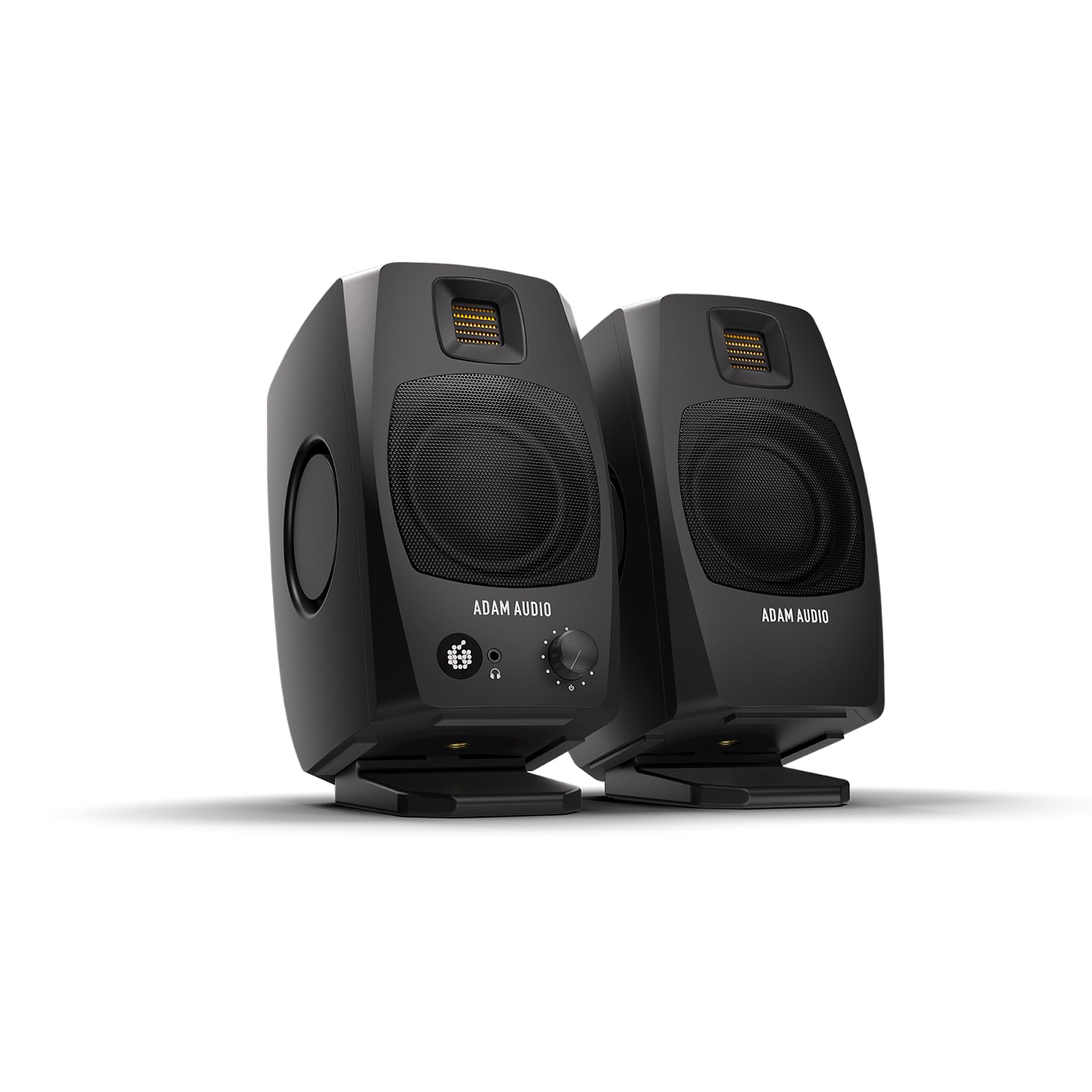
The comparison table below lines up the main types side by side, so use it as a map while you read. After that, the basics section explains the parts, the spec section translates the numbers, and the mistakes section keeps you from spending money on the wrong thing.


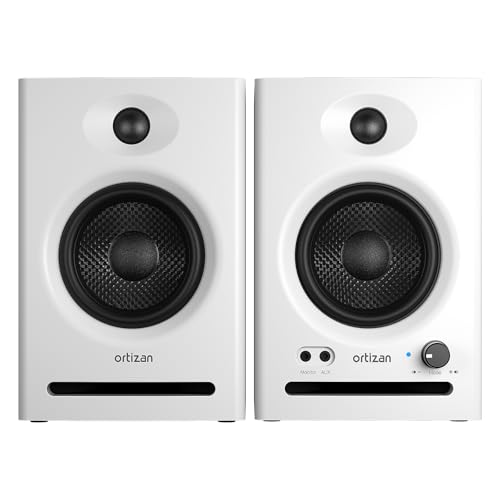
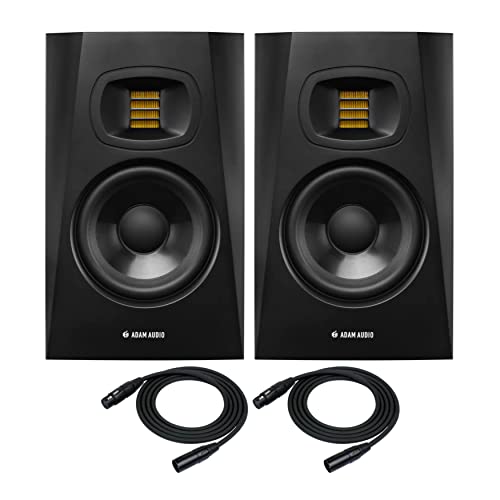

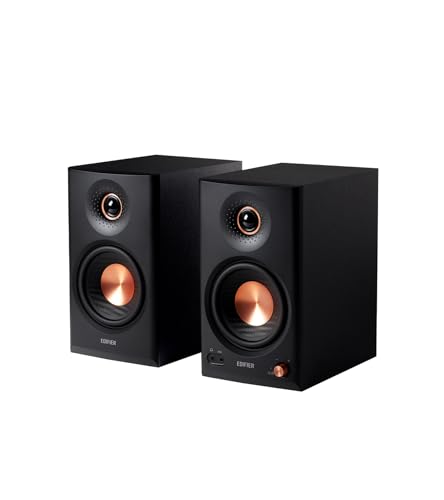


Active Studio Monitor Basics for First Time Buyers
The word active describes where the amplification lives. In an active monitor, the amplifier is built into the speaker cabinet and matched at the factory to the drivers it powers. That built in amplifier governs everything about how the speaker behaves: you connect a source, set the level, and listen, with no separate power amp to buy, size, or wire wrongly. Many active designs use two amplifier channels per cabinet, one for the woofer and one for the tweeter, so each driver gets power tuned to its job.
One naming mix up is worth clearing early: best gaming monitors are screens you look at, while studio monitors are speakers you listen through, and nothing in this guide applies to displays.
The goal of a studio monitor is honest sound rather than flattering sound. Home speakers often boost bass and treble so music feels exciting, but a monitor aims for a flat response that shows you what is actually in the recording. That honesty can feel plain for the first week, yet it is exactly what helps a mix sound right on other systems later.
Key Specs Explained in Plain English
Driver Size and Your Room
Driver size is best read as a room size class, not a quality ranking. Small woofers of about 3 to 4 inches suit tiny desks and very near listening, while a 5 inch woofer is the most common starting point for bedrooms and small home studios.
Woofers of about 6.5 to 8 inches move more air and reach lower, but in a small untreated room that extra bass often turns boomy and hides detail. Match the driver to the room first, and let bigger rooms, not bigger ambitions, justify bigger speakers.
Placement and the Nearfield Idea
Studio monitors are nearfield speakers, designed to be heard from about 3 to 5 feet away with the speakers and your head forming a rough triangle. Tweeters should sit at ear height, which usually means stands or isolation pads rather than a bare desk surface. Keep the pair away from corners and a little out from the wall behind them, because nearby surfaces reinforce bass and blur the picture. Simple placement fixes like these often improve a modest pair more than an upgrade would.
Frequency Response and Bass Limits
A response figure such as 50 Hz to 20 kHz tells you the span the speaker claims to reproduce, and a flatter line across that span matters more than the widest numbers. Physics sets the bass limit: a small cone simply cannot move enough air to produce deep low notes at useful volume. If you make music with heavy low end, plan on checking mixes on headphones or adding a subwoofer later rather than forcing a small speaker to do a job it cannot.
Inputs, Controls, and Room Switches
Balanced inputs such as XLR and quarter inch TRS reject hum on longer cable runs, which is why most active monitors offer them alongside plain RCA on budget models. Rear panel controls usually include a volume knob and simple switches that trim bass or treble when speakers must sit close to a wall. You also need a way to control listening level, normally an audio interface or a monitor controller, because reaching behind both speakers to match two knobs is slow and imprecise.
Listening Level and Your Ears
Treat volume as a safety setting, not a thrill setting. Moderate levels reveal balance errors better than loud ones, and long sessions at high volume tire your ears so your decisions get worse as the day goes on. Ringing ears after a session are a stop signal: turn down, take a break, and let your hearing recover before you judge anything. If ringing or muffled hearing keeps returning, get your hearing checked rather than pushing through.
Choosing a Pair for How You Will Use It
Shoppers often ask which pair simply sounds best, and roundups of the best sounding studio monitors chase that idea hard. For studio work, though, the useful answer is the pair that reveals problems in a mix instead of hiding them. Use the product table above to compare the types, then weigh the three situations below against your own room and habits.
Best Portable Active Studio Monitors
Portable models shrink the formula for travel, hotel rooms, and shared workspaces where a permanent setup is impossible. Expect compact cabinets, woofers of about 3 to 4 inches, light weight, and simple connections that run from a laptop or phone. The trade is deep bass, which small boxes cannot produce, so treat them as honest nearfield tools for editing and balance checks. If you move often, a sturdy carry case and front mounted controls matter as much as the sound itself.
Small Desks and Tight Spaces
If your desk is shallow or shared with a day job, the compact end of the range deserves your attention first. Our guide to best small active studio monitors covers the smallest cabinets in detail, including front ported designs that tolerate wall proximity better. Readers comparing the wider family can also browse best active monitors, which reaches into live and stage duty designs beyond the studio desk.
Starting on a Tight Budget
Plenty of capable starter pairs sit in the band covered by best active studio monitors under 200, so a first purchase does not need to be expensive. One pricing trap catches many beginners: studio monitors are often sold as single speakers, so a price that looks like a pair may buy only one cabinet. Entry level pairs run about $150 to $300, midrange pairs about $300 to $700, and above that the room itself usually deserves the next dollar more than the speakers do.
Rookie Mistakes to Avoid
- Buying the largest woofer for a tiny room, because the extra bass turns boomy and masks the detail you bought the speakers to hear.
- Setting speakers flat on the desk at chest height, because reflections off the desktop and tweeters aimed at your chest smear the sound.
- Judging a pair by a loud store demo, because boosted showroom settings flatter weak speakers and punish honest ones.
- Spending the whole budget on speakers alone, because cables, stands, and an interface still have to come from somewhere.
- Mixing at high volume for hours, because tired ears make bad balance decisions long before you notice the fatigue.
Setup and First Use
Start with position before sound: set the pair on stands or pads, tweeters at ear height, and form that triangle with your chair. Connect balanced cables from your interface outputs to each speaker, then set the speaker volume controls to the middle and control level from the interface. Play two or three recordings you know well and listen for anything that surprises you, since surprise usually marks a placement problem. Finally, try the rear room switches one at a time, and keep the setting that makes familiar voices sound most natural.
Active Studio Monitors: Questions Answered
Do active studio monitors need a separate amplifier?
No, the amplifier is built into each cabinet, which is the whole point of the active design. You connect them to an audio interface, mixer, or controller and to wall power, and they are ready to play. One practical consequence is that each speaker needs its own power outlet, so plan your power strip and cable runs before the boxes arrive.
What driver size should a first time buyer choose for a bedroom studio?
A 5 inch woofer is the safest first choice for most bedrooms and small spare rooms. It reaches low enough to judge bass parts without exciting the room the way a large woofer can. If the speakers must sit very close to a wall, a front ported design in the same size usually behaves better than a rear ported one.
Can active studio monitors be used for movies and everyday listening?
Yes, they work well for films, games, and daily music, as long as you enjoy an honest presentation. Dialogue stays clear and effects stay detailed, but recordings with weak bass will sound weak rather than boosted. Many owners add a small subwoofer for movie nights while keeping the flat main pair for work, which covers both jobs without compromise.
How long do active studio monitors usually last?
A well kept pair commonly serves for many years, because there are few moving parts beyond the drivers themselves. The amplifier inside does make heat, so leave ventilation space behind the cabinets and avoid stacking gear on top of them. A surge protector is cheap insurance, and powering down during storms or long trips reduces needless wear.
Do I need a subwoofer with my first pair of active studio monitors?
Not at first, and many beginners do better without one for the opening months. A subwoofer in an untreated room often creates new bass problems at the listening seat, which teaches you wrong lessons about your mixes. Learn what your pair does in your room first, check low end on headphones, and add a sub only when you can place and set it with care.
Final Thoughts
For a first purchase, three things carry the decision: a built in amplifier matched to its drivers, a driver size chosen for your room rather than your ambitions, and placement that puts tweeters at ear height a few feet away. Keep levels kind to your ears, compare the types in the product table above once more, and the best active studio monitors for your desk will usually pick themselves. Start modest, set up carefully, and let your room teach you the rest.


