Best Active Monitors: Matching the Right Speaker to Your Routine in 2026
Disclosure: We may earn a commission when you buy through links on this page, at no extra cost to you. As an Amazon Associate I earn from qualifying purchases. Learn more

Match powered monitor speakers to your routine with this guide to the best active monitors, covering driver size, built in amps, inputs and placement.
Active monitors are speakers with the amplifier built in, so they plug straight into an interface, mixer or phone and play without a separate power amp. Because the amp is matched to the drivers at the factory, the best active monitors for your routine depend less on raw watt numbers and more on room size, listening distance and how you work each day. There is no single pair that suits every desk, which is why this guide starts with routines rather than specs.
The product table sums up the best active monitors by class, and the sections after it explain how to match a pair to your space and habits. If you arrived here while hunting for a computer screen, guides to best gaming monitors cover that display class, a different product from the powered speakers in this article.

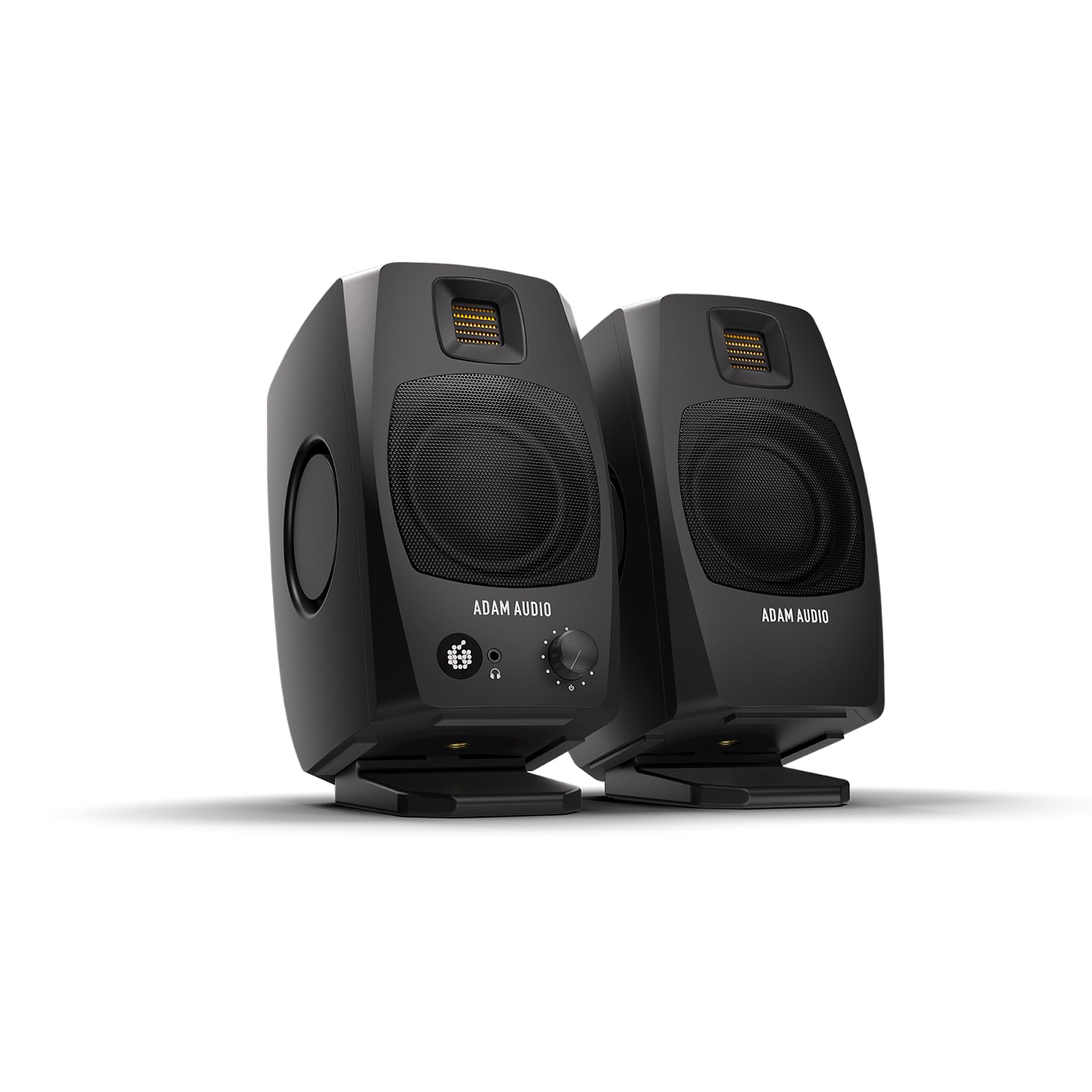

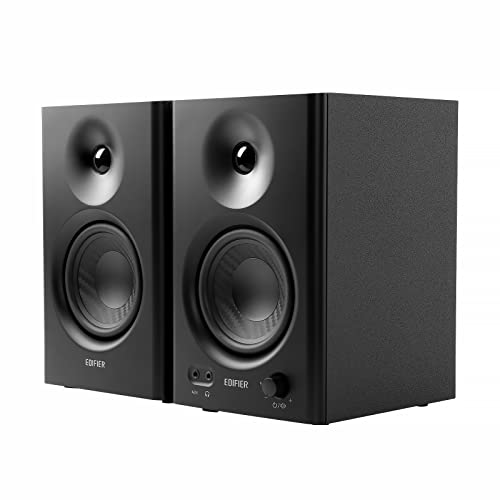


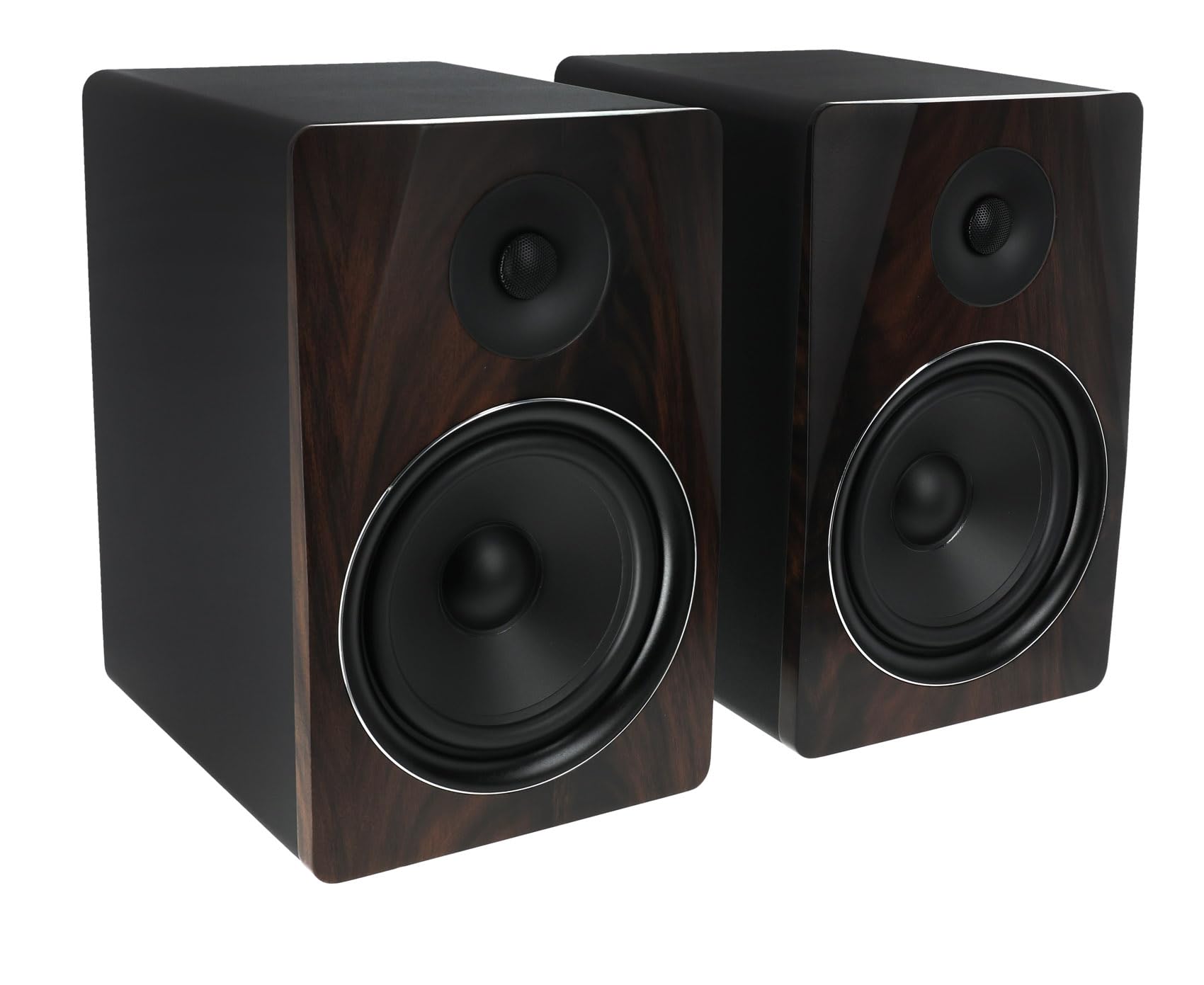
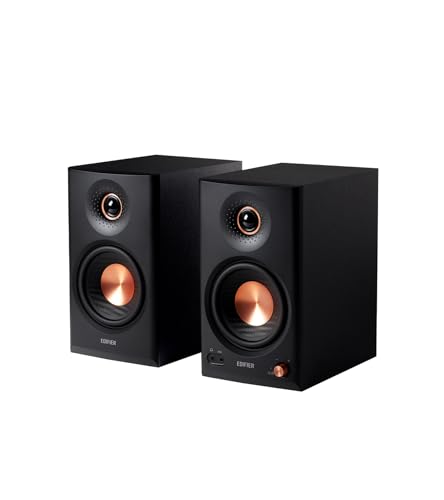
Who Should Buy Which Active Monitors?
For Bedroom Producers and New Home Studios
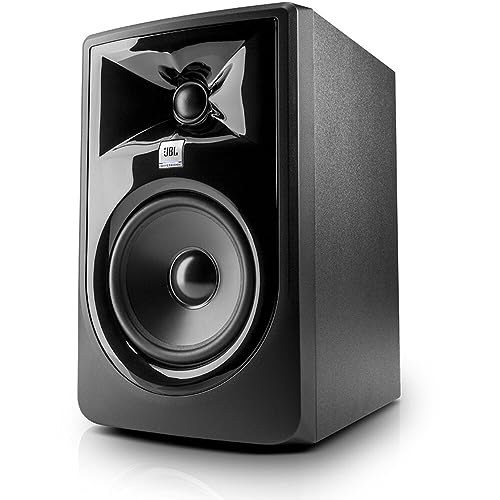
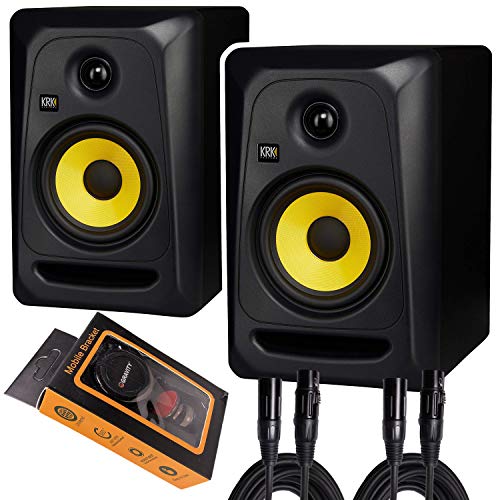
A small bedroom studio needs speakers that stay accurate at modest volume and fit a desk without crowding it. Compact three to five inch drivers are the usual fit, since bigger cones overload small rooms with bass. If your routine is building tracks at home, the studio focused class in our guide to best active studio monitors is the closest match, with placement and flat response as the deciding factors.
For Podcasters and Streamers
Voice work rewards clarity in the midrange and calm, hiss free playback at close range. A single powered speaker or a small pair works well, because speech needs intelligibility more than deep bass. Front volume controls and easy access to inputs save constant reaching during recording sessions. Choose this class if most of your listening is your own voice played back for edits.
For Musicians Rehearsing and Reviewing Takes
Players who record practice takes need honest playback that shows timing and tone errors instead of flattering them. A five or six inch pair covers guitar, keys and vocals with enough low end to judge a bass line. Musicians who also play live should note that best active stage monitors are a wedge class built to aim sound up at performers on stage, which is a different job from desk playback at home.
For Small Rooms and Shared Spaces
Tight rooms and thin walls call for compact speakers that sound complete at low volume, where most listening actually happens. Front ported designs tolerate placement near a wall better than rear ported ones, and small drivers keep bass from booming. Our guide to best small active monitors focuses on this compact class. Add isolation pads under the cabinets to stop desk buzz when the room doubles as an office.
Key Features to Compare
Price bands for powered monitor speakers run from about $100 to $300 for entry pairs, about $300 to $800 for serious home studio pairs, and above $800 for large room pairs. The features below decide where in that range your routine lands.
Built In Amplifiers and Power
The amplifier is the defining part of this product class. Each speaker carries its own amp, often one for the woofer and one for the tweeter, matched to those drivers by the maker. That matching is why watt figures only compare fairly within one product line. You also skip speaker wire entirely, since a line level cable feeds each cabinet.
Driver Size and Room Size
Driver size should follow room size. Three and four inch woofers suit tiny desks and close listening in small rooms, five inch woofers are the all round class for most home studios, and eight inch woofers need a larger room to keep bass honest. A big driver in a small room does not sound bigger; it sounds muddier, because low notes build up faster than the space can absorb them. Match size to the room first, then to budget.
Placement and Nearfield Listening
Placement matters most for nearfield listening: these speakers are designed for listeners about three to five feet away, not across a hall. Set tweeters at ear height, angle both cabinets toward your chair, and keep the pair and your head forming a rough triangle. Stands or isolation pads beat a bare desk, which adds vibration and early reflections. Rear ported cabinets need a little space from the wall, while front ported ones can sit closer.
Inputs and Controls
Most active monitors accept line level signals through balanced XLR or TRS jacks, with unbalanced RCA inputs on smaller models. Balanced cables reject hum over longer runs, which matters when a computer sits in the chain. Check input sensitivity settings if you plan to feed the speakers from a phone or a small mixer. A front volume knob earns its keep if the pair will double for casual listening without an interface in the path.
Room Switches and Safe Listening
Many models add boundary switches that trim bass when the cabinet sits near a wall, plus level trims for matching a pair. Use them after placement, not instead of it. Safe listening matters as much as tuning: keep long sessions at a level where you can still hold a conversation over the music. Ringing ears after a session are a stop signal, so turn the level down and give your ears a break before mixing decisions go wrong.
Common Mistakes to Avoid When Buying Active Monitors
- Buying eight inch speakers for a small bedroom, then fighting boomy bass with software instead of choosing a smaller class.
- Leaving speakers flat on a desk below ear level, which dulls detail and adds desk reflections.
- Comparing watt numbers across brands as if every maker measured power the same way.
- Running long unbalanced cables beside power cords and blaming the speakers for the hum.
- Mixing at high volume for hours, which tires hearing and pushes every balance choice too far.
Care and Maintenance Tips
Active monitors ask for simple care. Dust cabinets and cones with a soft dry cloth, and never push on a cone or dome while cleaning. Keep the rear heat sink and any ports clear so the built in amp can shed heat, and switch the speakers off before swapping cables to avoid pops. Keep drinks away from the cabinets, and if a speaker will sit unused for months, unplug it and cover it against dust.
Frequently Asked Questions
What is the difference between active and passive monitor speakers?
Active monitors carry their amplifiers inside the cabinet, while passive monitors need a separate power amp between the source and the speaker. The active layout lets the maker match each amp to its driver and place the crossover before the amps, which usually gives more consistent results in a small setup. The trade off is extra weight and a power cord at every cabinet.
What size active monitors suit a small bedroom studio?
Three to five inch models suit most small bedroom studios, because they stay controlled at the low volumes small rooms demand. Placement can rescue a borderline choice: a four inch pair on stands at ear level will outperform a six inch pair stranded in desk corners. If the room has no treatment, spend on pads and position before spending on larger drivers.
How loud should active monitors be set during long sessions?
Set monitors so normal speech still carries over playback, which keeps long sessions in a safer and more honest range. Loud playback flatters bass and hides midrange problems, so quiet checks reveal balance errors that volume conceals. Short loud passes to test low end are fine; hours at that level are not, and ringing afterwards means the session ran too hot.
Do active monitors need an audio interface to work?
Active monitors do not need an interface, since any line level source can feed them, including many computers, mixers and media players. An interface still helps by adding balanced outputs, one central volume knob and cleaner conversion than a typical headphone jack. Start direct if budget is tight, and add the interface when hum, level control or recording needs appear.
How long do active monitor speakers usually last?
A well kept pair of active monitors often serves for many years of daily use. The parts that age first are foam surrounds on some woofers and the capacitors inside the amp section, so heat and dust are the real enemies. Warranties on this class commonly run about one to five years, and keeping the purchase receipt matters if an amp channel ever fails.
The Bottom Line
Match the speaker to the routine and the room, and the rest follows. Let driver size follow your space, let placement follow the nearfield rule, and use the product table to compare classes side by side. Chosen that way, the best active monitors are simply the pair that stays honest at the volume you actually use, day after day.