
Best Alternative Smartphones Buying Guide for 2026
Disclosure: We may earn a commission when you buy through links on this page, at no extra cost to you. As an Amazon Associate I earn from qualifying purchases. Learn more

How to choose best alternative smartphones beyond the usual brands, with checks on software, cameras, battery, and long term support. Compare carefully.
The best alternative smartphones are the ones from makers beyond the usual two or three big names, and they suit buyers who want good value, a different design, or features the biggest brands do not offer at the same price. The product table above gives a quick overview of current options, and this guide explains what to check before you switch.
A good alternative phone should fit your routine, so software support, camera, battery, and carrier compatibility matter more than a long list of extras.

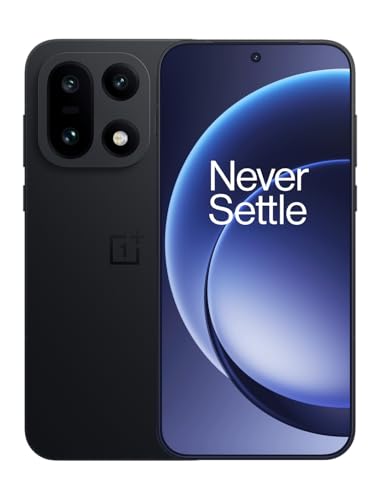
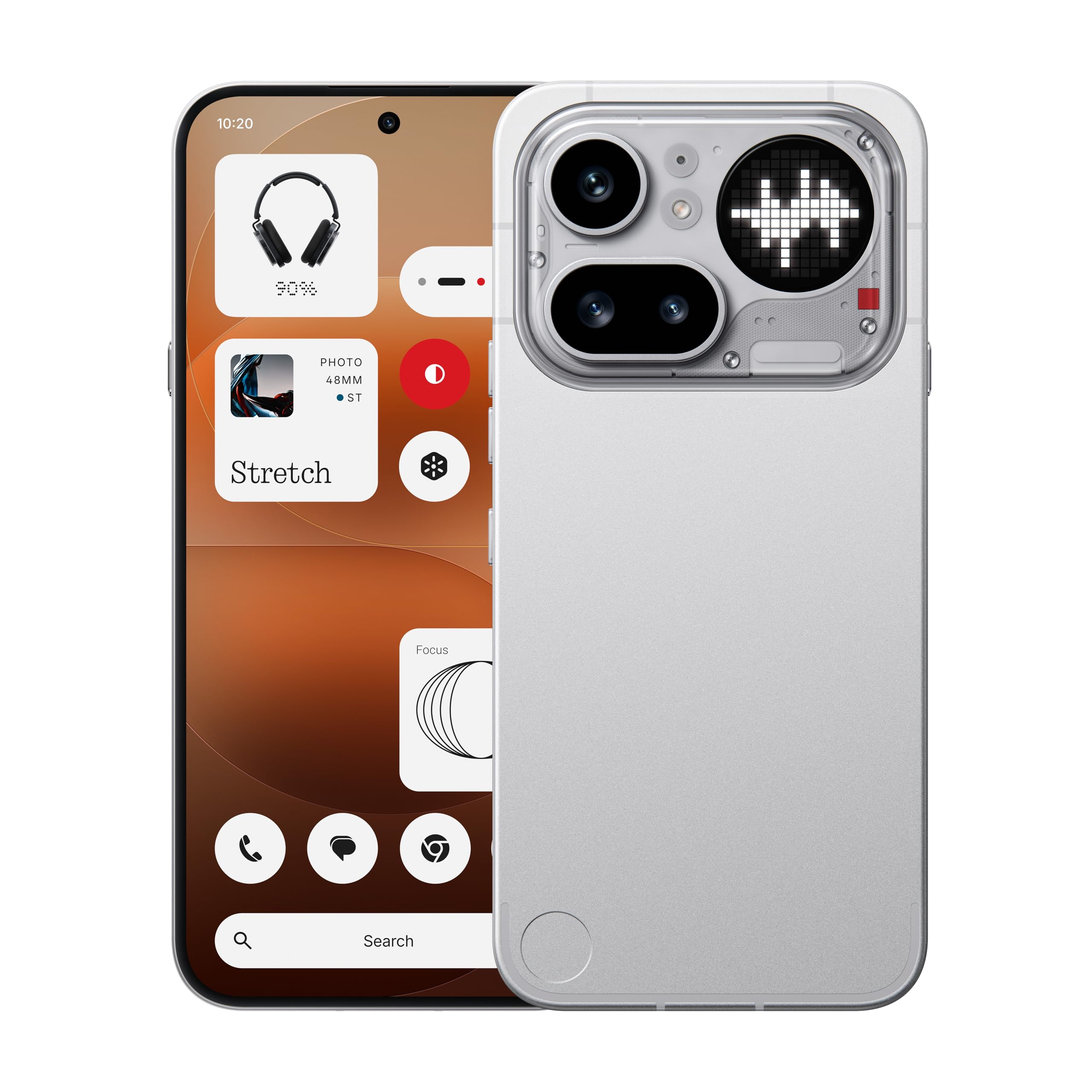
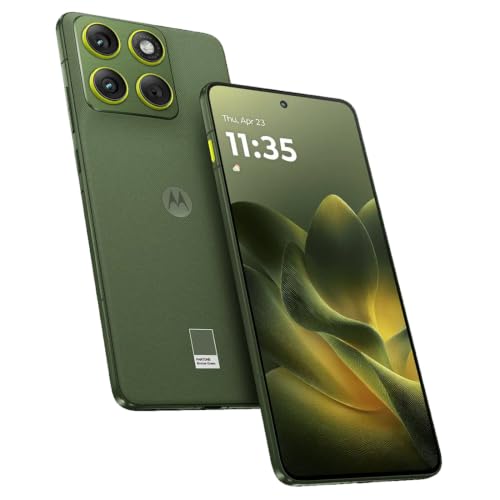
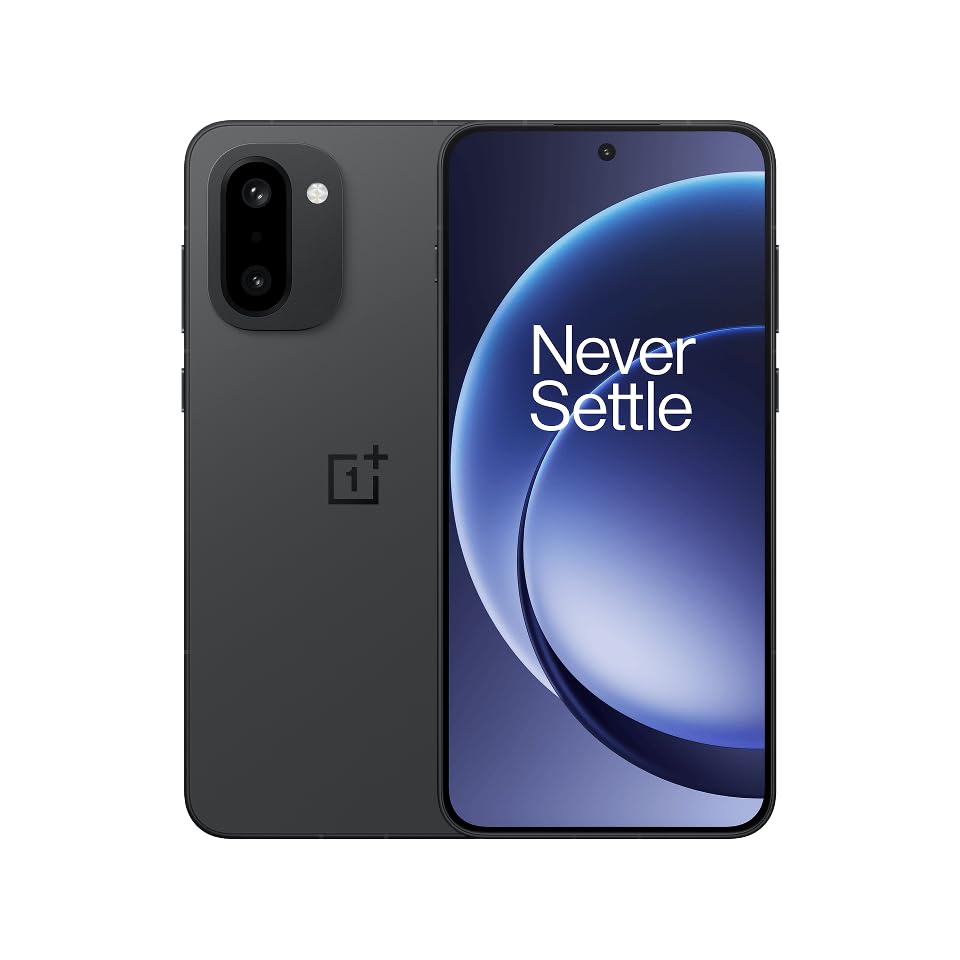



Who Should Buy an Alternative Smartphone
Value hunters get the most from this group, since less familiar brands often pack larger batteries, faster charging, or brighter screens into a lower price. People who want a distinctive design, a clean software experience, or a stylus or flip form also find options here.
If you depend on a tight match with a watch, earbuds, or a family messaging group from one ecosystem, switching brands may cost you some convenience. Check that your essential apps and accessories work before you commit.
Key Features to Compare
- Software and updates: Check how long the maker promises software and security updates, because support length decides how long the phone stays safe and useful.
- Camera for daily use: Judge the main camera in normal light first, since most photos are taken indoors or in daylight, not in perfect studio conditions.
- Battery and charging: Look for all day battery life under your normal use, plus charging speed that fits your routine.
- Screen comfort: A bright, sharp screen matters for reading, maps, and video, especially outdoors in sunlight.
- Storage and connectivity: Enough storage and the right network bands matter more than rare extras, so check both before you buy.
For related comparisons, see our guides to the best flip smartphones, the best smartphones with good camera, the best bargain smartphones, and the best compact smartphones.
Carrier Fit and App Compatibility
Check that the phone works on your carrier bands and supports the apps you rely on, including banking, work, and messaging apps. Smaller brands sometimes lack a carrier feature you use daily, such as Wi-Fi calling, so verify it before ordering. Also check case and screen protector availability, since accessories for less common phones can be harder to find.
Everyday Use and Care
Set up the phone with your accounts, transfer your data, and try calls, messages, and your most used apps in the first days. Keep the return window in mind while you check battery life, camera quality, and signal in the places you visit most. A phone that works well at home but drops signal at work is not a good fit.
Use a case and screen protector from the start, and install updates as they arrive. Avoid leaving the battery empty for long periods, use a charger that meets the maker specifications, and back up photos and data regularly.
Mistakes to Avoid
The most common mistake is judging an alternative phone only by price and missing short software support or poor carrier fit. Another is trusting camera samples taken in ideal light. Check support length, carrier bands, and real daily battery life before you commit.
Avoid ordering in a rush because of a sale deadline. If two options seem equal, choose the one with better support and a warranty you have read.
Frequently Asked Questions
Are alternative smartphones reliable?
Many are, but reliability varies by maker and model. Check the update promise, warranty terms, and repair options before buying. A phone from a maker with clear support and parts availability is a safer long term choice than a cheaper phone with no support plan.
Will my apps work on a less common phone?
Most standard apps work, but check any app you depend on for work, banking, or health. Some apps need specific services or sensors. Try your key apps during the return window so you can change your mind if something essential fails.
How important is software support?
Very important. Security updates protect your data, and system updates keep apps working over time. A phone with only a short support window may feel old sooner, even if the hardware still works well.
Should I prioritize camera or battery?
Choose based on your daily use. If you take many photos, camera quality matters most. If you travel or work long days away from a charger, battery life matters more. Most buyers do best with a balanced phone rather than one extreme strength.
What should I check before switching brands?
Check carrier bands, data transfer tools, accessory availability, and warranty service in your area. Also confirm that your watch, earbuds, and car system pair well. These practical checks prevent small daily frustrations after the switch.
Final Thoughts
Choosing the best alternative smartphones comes down to software support, carrier fit, and honest priorities rather than the longest feature list. Compare your shortlist in the product table above, confirm the update promise and carrier bands, and order once one phone clearly fits your routine.


