
Best Active Speakers under 500 2026 Buying Guide
Disclosure: We may earn a commission when you buy through links on this page, at no extra cost to you. As an Amazon Associate I earn from qualifying purchases. Learn more

Learn how to choose active speakers under 500 dollars with the right power, inputs, and room fit for music, movies, and everyday listening. Compare.
Choosing the right best active speakers under 500 starts with knowing how you will use them every day. Active speakers suit listeners who want simple setup without a separate amplifier. This guide explains the features that matter, the options available, and the mistakes to avoid, so you can buy with confidence.
The comparison table below summarises the main active speakers options at a glance. The sections that follow explain each choice in plain terms, so you can match the product to your room, your routine, and your budget.

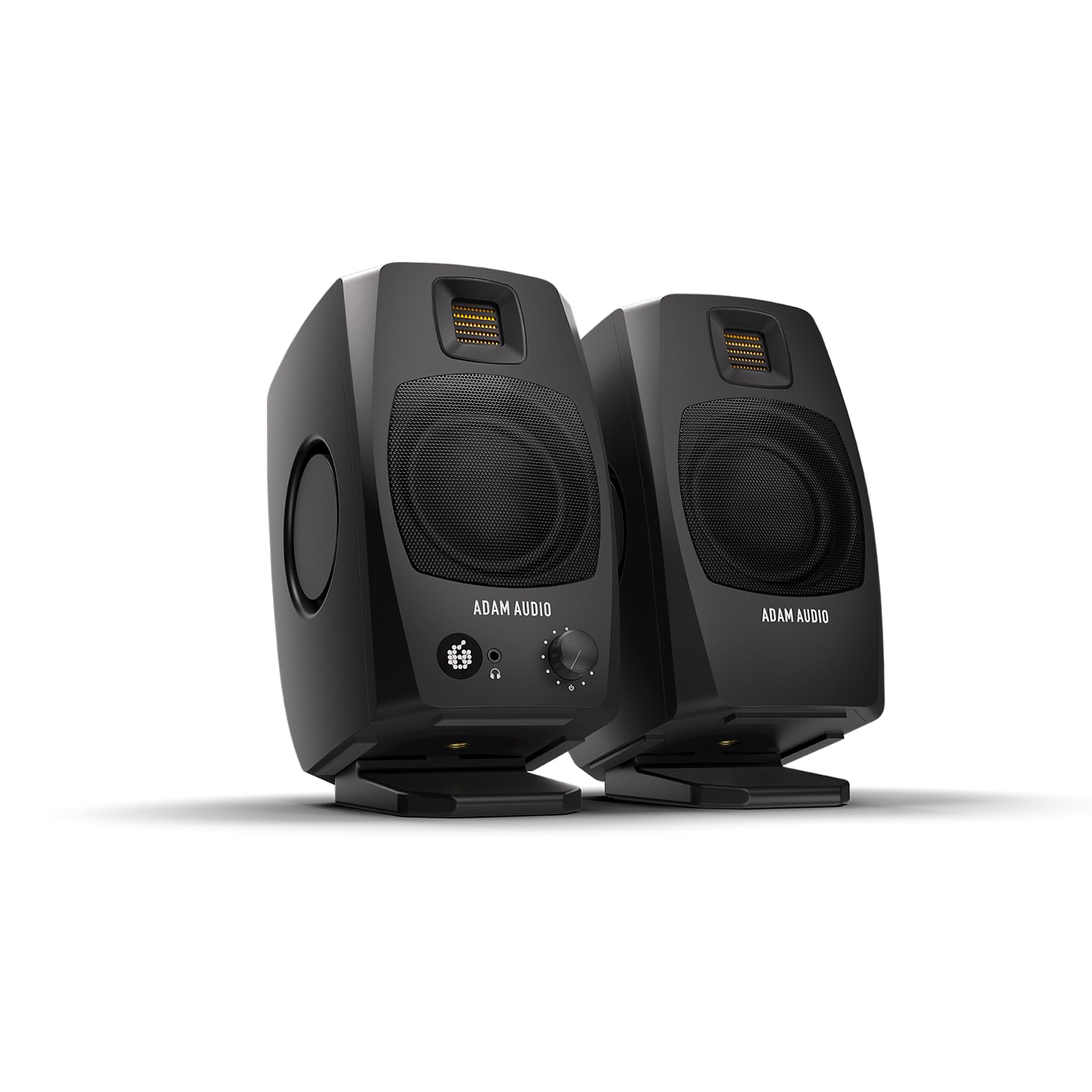
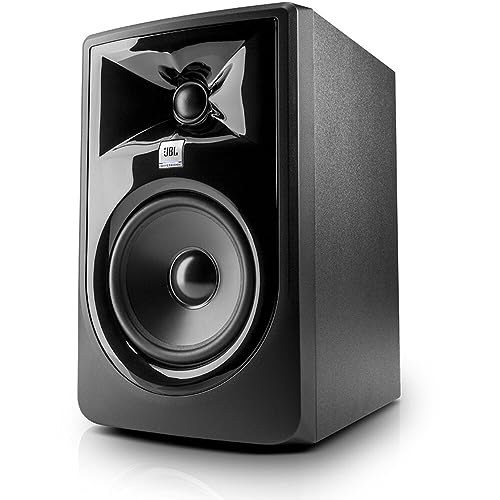

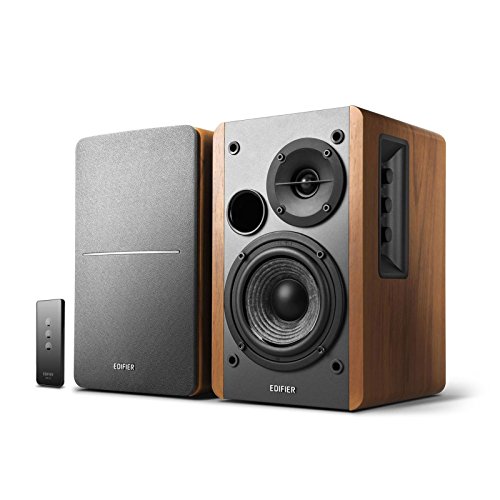
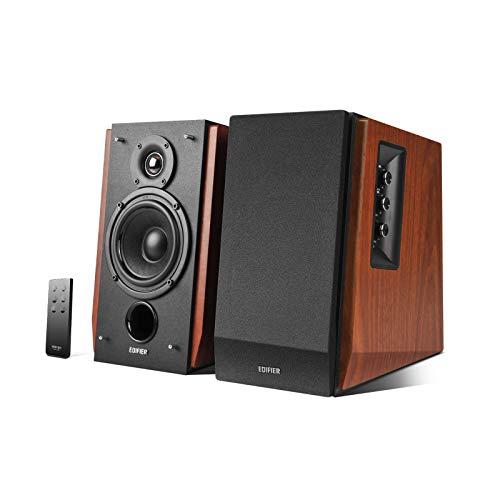
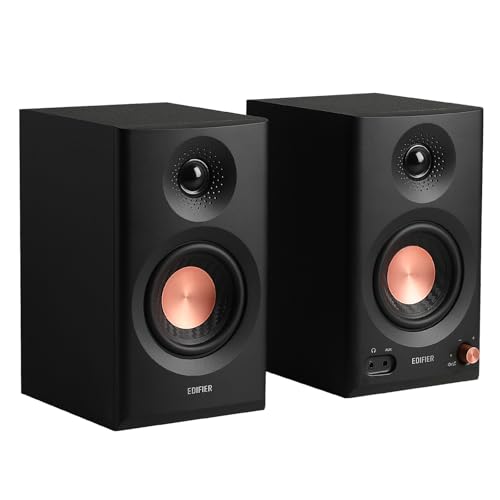

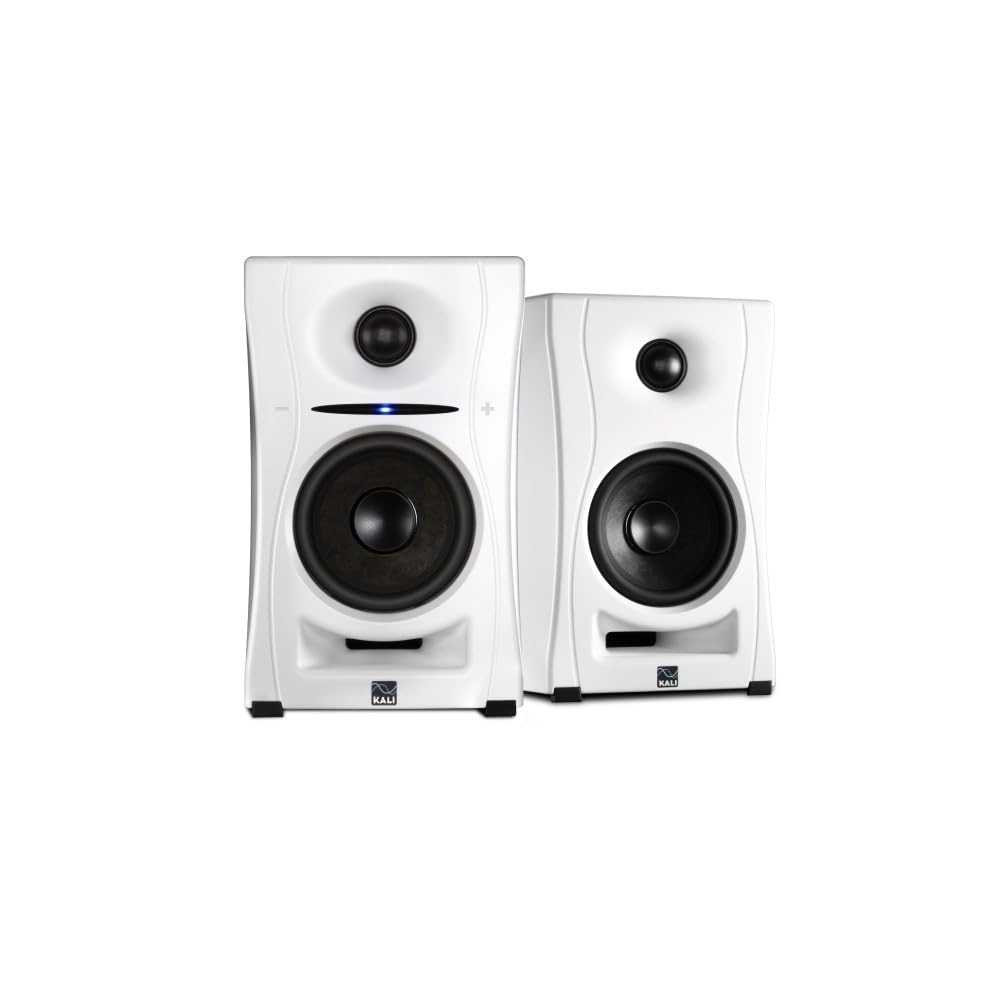
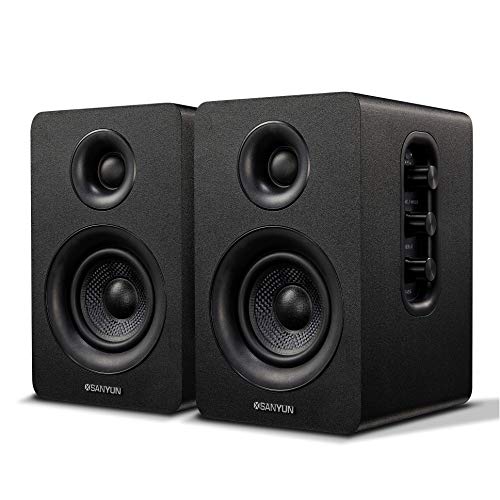
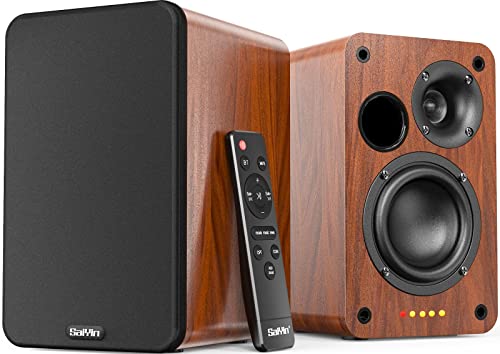
Who Should Buy Active speakers
Active speakers suit listeners who want simple setup without a separate amplifier. Think about how often you will use the product, where you will use it, and who else in your household will share it. These answers shape the size, features, and budget that make sense for you.
If you use the active speakers daily, durability and comfort deserve more weight in your decision than minor extras. If use is occasional, a simpler and cheaper option may serve you just as well. Write down your top three needs before you browse, and compare every option against that short list.
Key Features to Compare
Features vary widely across active speakers price levels, so focus on the ones that affect your daily experience. The list below covers the points buyers most often overlook until after purchase.
- Built in amplifier power: enough clean power for your room without distortion at normal listening levels.
- Driver size and clarity: a woofer that handles bass and a tweeter that keeps voices clear.
- Input options: wired, optical, and wireless inputs that match your television, computer, or turntable.
- Room size match: output that fills your space without overwhelming a small room.
- Tone controls: bass and treble controls that let you tune the sound to your room.
Rank these features by your own use of active speakers, not by marketing emphasis. A feature that matters for heavy daily use may matter little for occasional use, and paying for it adds cost without benefit.
Types and Options
Different active speakers types suit different routines, so compare them side by side before you narrow your choice.
- Bookshelf powered speakers: compact cabinets that work well on shelves and desks.
- Studio monitors: flat and honest sound for editing and close listening.
- Portable PA style speakers: louder output for gatherings and larger rooms.
- Desktop speakers: small cabinets made for near field listening at a desk.
Fit, Size, and Compatibility
Measure your shelf or desk space before you order, and leave room behind the cabinet for cables and airflow.
Check that your television or computer offers the same input as the speaker, or plan for a simple adapter.
Place the speakers at ear height when seated, with equal distance from your main listening seat.
Budget and Value
Prices vary, but value comes from matching the product to your real needs rather than chasing the lowest price or the most features.
- Under 200 dollars: basic powered speakers for a desk or a small bedroom.
- 200 to 350 dollars: better drivers and more inputs for a living room or a home office.
- 350 to 500 dollars: larger cabinets and stronger amplifiers for open rooms and movie nights.
Setup and Everyday Use
Start with a low volume and raise it slowly while you listen for harsh treble or muddy bass. Try music you know well, plus a spoken word track, so you can judge voices as well as instruments. If the bass sounds boomy, move the speakers away from the wall or lower the bass control a little.
Give yourself a short adjustment period with any new active speakers, since first impressions can mislead. Note what works and what annoys you during the first week, and adjust settings, placement, or accessories before deciding the product is wrong.
Care and Common Mistakes
Good care extends life and keeps performance steady. Dust the cabinets and grilles gently, and keep drinks away from the drivers. Turn the volume down before you switch inputs, which protects the drivers from sudden pops. Check cables once a year for loose plugs, since a loose plug can cause hum or dropouts.
Common mistakes are easy to avoid once you know them. Buying the loudest model for a small room, which often sounds worse than a smaller well tuned pair. Ignoring input options, then discovering the speaker cannot connect to your television. Placing speakers inside a closed cabinet, which traps heat and muddies the bass.
Getting the Most From Your Choice
Once your active speakers arrives, spend a few minutes setting it up properly rather than rushing into full use straight away. Check every part against the box contents, read the quick start notes, and test the main controls in a calm moment. A careful first session reveals problems early, while returns and exchanges remain simple. Keep the packaging for at least a week, since a fault found early is much easier to resolve with the box intact.
Use the built in amplifier power as your main test during the first week, since it affects daily satisfaction more than minor extras ever will. Try the product in your real routine, not just in a brief trial, and note anything that feels awkward, tiring, or confusing. Small adjustments now often fix problems that would otherwise grow annoying over months of regular use. If something still feels wrong after a week, contact the seller promptly rather than hoping the problem fades on its own.
Share the product with other household members if they will use it too, and agree on settings that suit everyone in the house. A shared product works best when each person knows the basics, such as cleaning, storage, and safe handling after every use. Write down your preferred settings in a note on your phone, so you can restore them quickly after any reset, move, or power cut. Teaching others the basics also prevents accidental damage, so show everyone how the driver size and clarity works first, since that feature shapes daily use.
A Final Check Before You Order
Before you order, recheck the measurements, compatibility, and delivery details for your active speakers one final time. Confirm that the size fits your space, that connections match your existing equipment, and that the seller return policy covers a change of mind. These checks take only minutes, yet they prevent the most common buying regrets reported by new owners. A few minutes of checking now saves the hassle of repacking and returning a product later.
Compare the total cost, including any accessories you will need in the first month, rather than judging by the headline price alone. A cheaper active speakers that needs costly extras can end up more expensive than a complete mid range option with everything included. Read the warranty terms too, since coverage length, exclusions, and service options vary widely between sellers. A clear warranty gives peace of mind, especially for products you plan to use every single day.
Finally, read the care notes once more and make sure you are happy with the upkeep involved before you commit. A product that needs regular cleaning, charging, or adjustment should fit your routine, not fight against it every week. If the upkeep already feels like a chore before you buy, a simpler option may serve you better in the long run. For active speakers, the bookshelf powered speakers option often gives the simplest upkeep, so weigh that against fancier alternatives before you commit.
Related Guides
For more ideas in a related area, read our guide to best active pa speakers under 500. It covers the same practical buying questions, such as fit, features, and value, applied to best active pa speakers under 500.
For more ideas in a related area, read our guide to best speakers under 500. It covers the same practical buying questions, such as fit, features, and value, applied to best speakers under 500.
For more ideas in a related area, read our guide to best bookshelf speakers under 500. It covers the same practical buying questions, such as fit, features, and value, applied to best bookshelf speakers under 500.
For more ideas in a related area, read our guide to best studio speakers under 500. It covers the same practical buying questions, such as fit, features, and value, applied to best studio speakers under 500.
For more ideas in a related area, read our guide to best monitor speakers under 500. It covers the same practical buying questions, such as fit, features, and value, applied to best monitor speakers under 500.
Frequently Asked Questions
Do active speakers need an amplifier?
No, active speakers include a built in amplifier, so you do not need a separate amplifier at all. You connect a source such as a television, computer, or phone, then control volume from the speaker or a remote. This simple setup keeps cables short and avoids matching an amplifier to a passive speaker. Check the input list before you buy, since it decides what sources you can use.
What size speaker suits a small room?
A compact bookshelf model usually suits a small room better than a large floor standing cabinet. Small drivers still produce clear voices and enough bass for music and movies at normal levels. Place the pair away from corners to avoid boomy bass, and use the tone controls to fine tune the sound. If the room feels overwhelmed, a smaller model will usually sound cleaner.
Can I connect active speakers to a television?
Yes, most active speakers accept an optical or auxiliary input from a television, and some add wireless pairing. Use the optical input when available, since it usually gives a cleaner signal than a headphone jack. Set the television audio output to a fixed level, then control volume from the speaker remote. Test dialogue clarity with a news program before you settle on a placement.
Is wireless listening as good as wired listening?
Wired listening usually gives the most stable signal, while wireless listening adds convenience for phones and tablets. For serious listening, use a wired input from your main source and keep wireless for casual playback. Wireless range and walls can affect dropouts, so keep the source within the same room. If you hear gaps, move the source closer or switch to a cable.
How much power do I really need?
Power needs depend on room size and listening distance, not on the headline watt number alone. A modest amplifier in a small room can sound excellent, while a large room needs more headroom for movies. Listen at your normal volume and check for distortion on loud passages. If the sound stays clean at your usual level, the power is enough.
Final Thoughts
Take your time, compare the options in the product table above, and choose the best active speakers under 500 that fits your space, your routine, and your budget. A careful choice now means fewer regrets later, and a product you enjoy using every day. If you are unsure between two options, revisit your top three needs and let them decide.


