Best Active Pa Speakers: Budget, Midrange, and Premium Tiers for 2026
Disclosure: We may earn a commission when you buy through links on this page, at no extra cost to you. As an Amazon Associate I earn from qualifying purchases. Learn more

Compare the best active pa speakers at every price point. Learn what you get at budget, midrange, and premium levels and where spending more pays off.
Active PA prices stretch from a single speaker for small meetings to full systems for halls and outdoor events, and the price gap can be hard to read. This guide shows what each tier actually gives you in power, inputs, and durability so you can spend where it counts. If you are comparing best active pa speakers, start with your audience size and venue, then let the tiers below narrow the field.
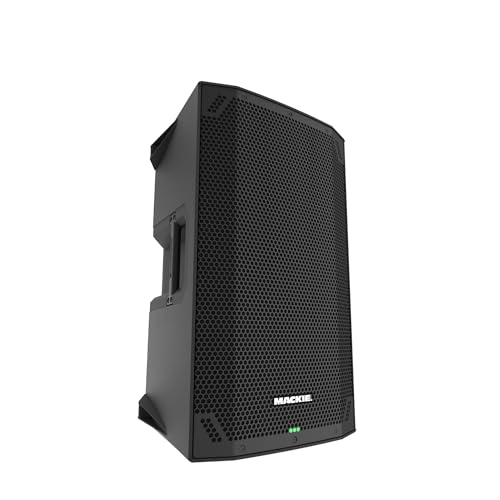
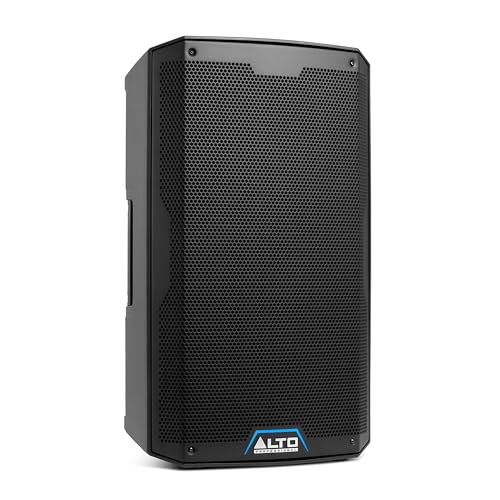
Use the product table to check sizes and inputs against your shortlist. A speaker that is easy to carry and quick to set up often serves a busy presenter better than a larger unit left in storage.


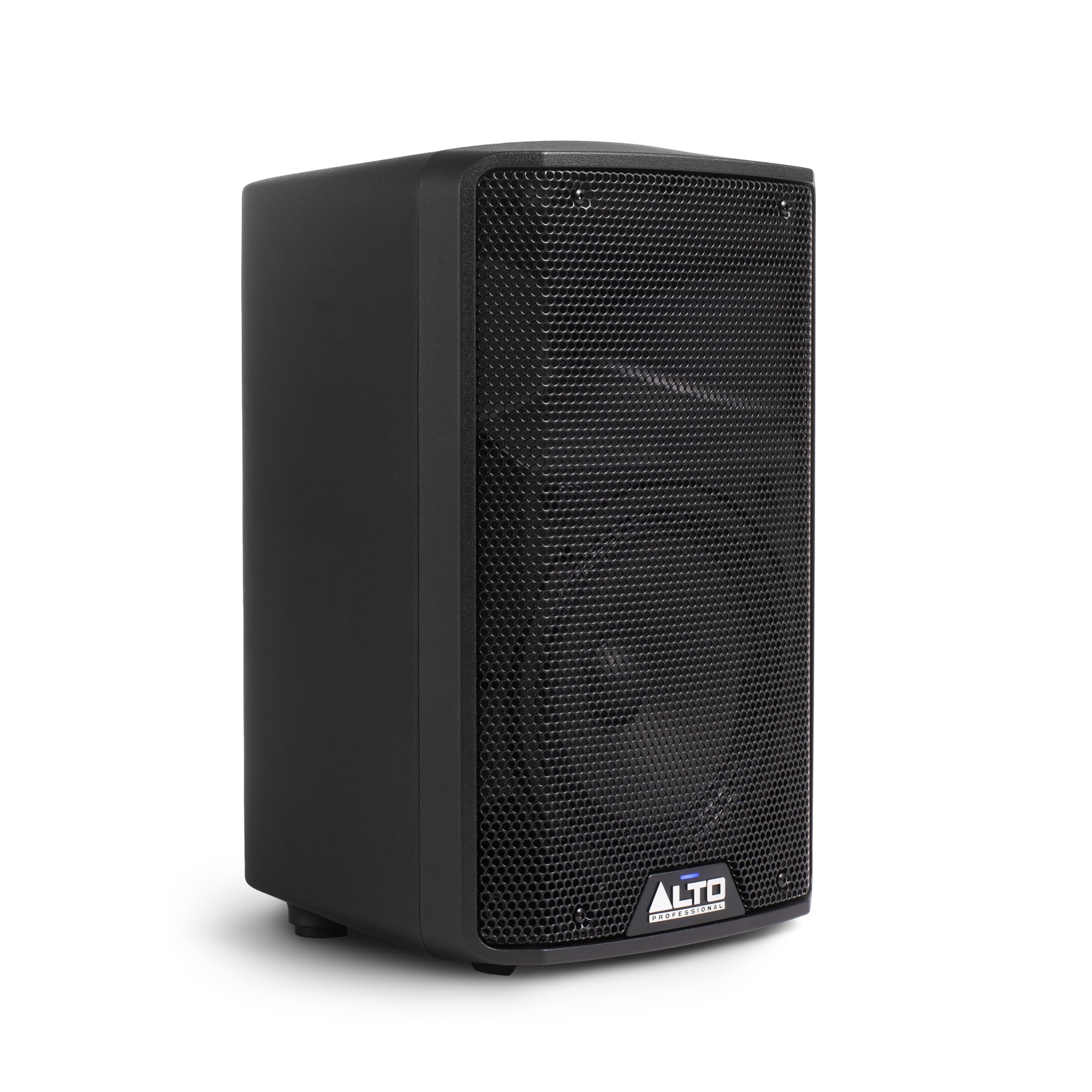

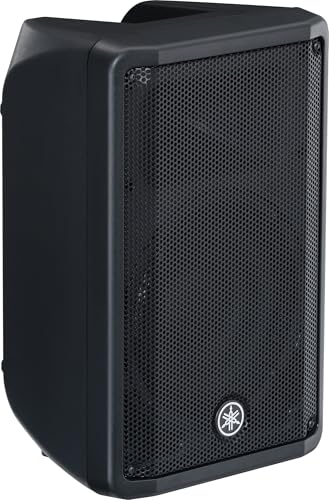
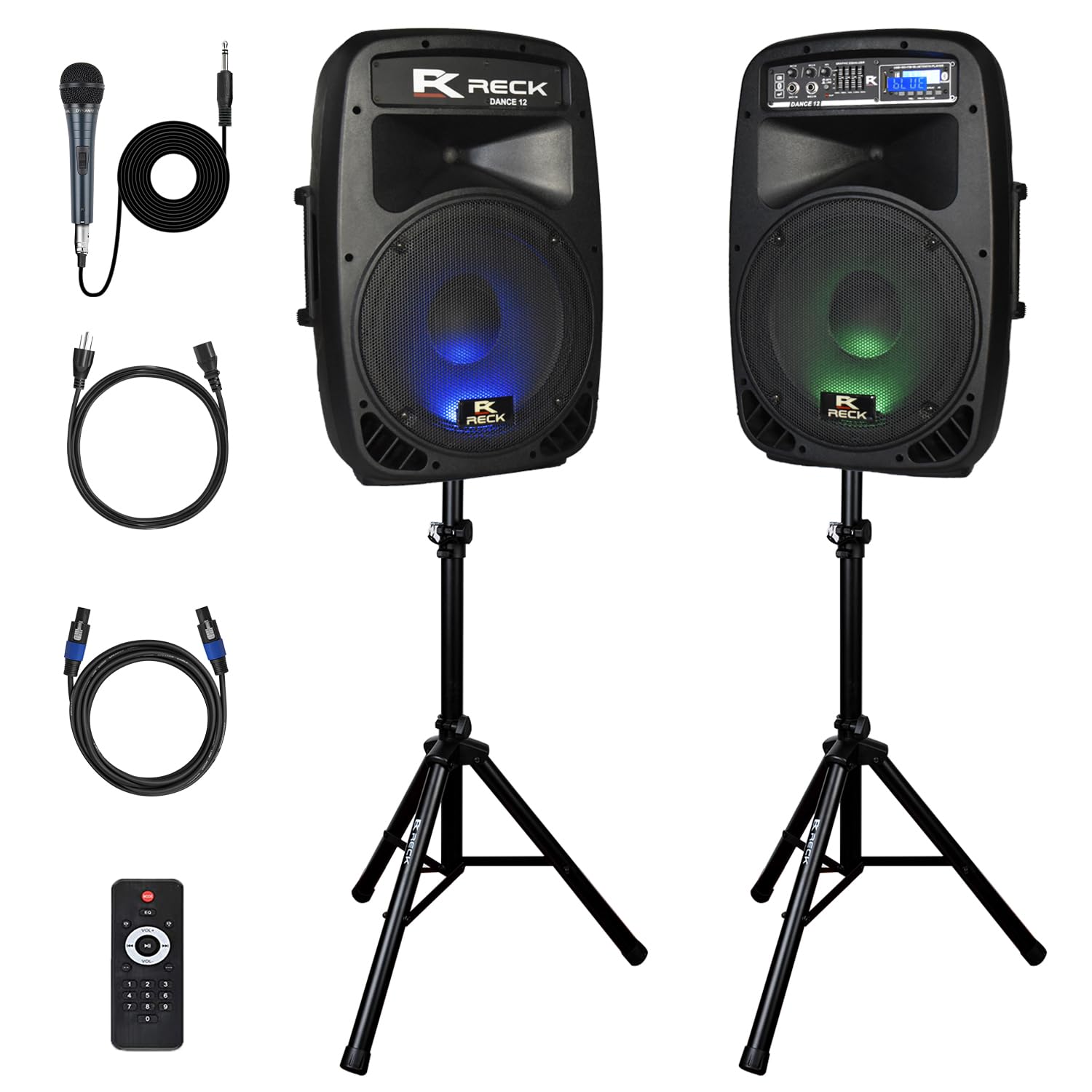

Price Tier Choices by Budget
Budget Tier
A budget tier active PA, often around $150 to $300 per speaker, suits speeches, classrooms, and small acoustic acts for about 30 to 75 people indoors. Expect one or two microphone inputs, basic tone controls, and Bluetooth for background music between segments. Output is enough for clear speech if you place the speaker on a stand at head height and keep it in front of the microphones. The trade off is limited bass and fewer spare inputs, so a band with several singers will outgrow this tier quickly.
Midrange Tier
A midrange tier model, often around $300 to $600 per speaker, is the working choice for DJs, houses of worship, school events, and small bands. You gain stronger output, better heat management for long events, a small built in mixer with more inputs, and more useful monitor shaping. Cabinets and handles also improve, which matters when you load in every week. The limit at this tier is usually deep bass for dance music, where a separate subwoofer may still be needed for larger rooms.
Premium Tier
A premium tier speaker, often around $600 to $1,200 or more per speaker, suits larger audiences, outdoor stages, and rental use where failure is not an option. You gain cleaner output at high volume, wider and more even coverage, advanced digital processing, and stronger protection circuits. Road ready cabinets, better pole mounts, and longer warranties also appear here. The trade off is weight and cost, and the extra power is wasted in a small meeting room where a compact unit would be clearer at low volume.
What Your Money Gets You at Each Price Tier
Budget Tier: What to Expect
Budget models focus on the essentials: a built in amplifier matched to the drivers, a microphone input with its own level control, and simple bass and treble knobs. Many include Bluetooth and a media player input for a phone or laptop. Build quality is lighter, which helps carrying but offers less protection against knocks. For a general overview of passive and active formats, see our guide to the best pa speakers before you decide which format fits your existing gear.
Midrange Tier: The Sweet Spot for Most Buyers
Midrange models add headroom, and headroom is what keeps voices clean when a room fills and noise rises. You also get more flexible routing, such as a mix output to feed a second speaker, plus delay or voicing presets for floor monitor use. Fans and heat sinks are built for longer shows, and the grille and cabinet survive regular transport better. Most community groups and working DJs should start their search here and only drop down if events are small and quiet.
Premium Tier: When Spending More Pays Off
Premium models pay off when coverage and reliability decide the event. Their processing can align delay fills, tame feedback prone frequencies, and protect drivers during peaks without harsh limiting. Coverage patterns are more predictable, so the front rows are not blasted while the back rows strain to hear. If you run sound for paying clients, the saved setup time and lower failure risk can justify the price within a season of events.
Features Worth Paying For
Feedback Control and Room Clarity
PA speakers do not offer headphone style noise canceling, and you should value feedback control instead. A well placed speaker, a directional microphone, and basic equalization solve most ringing problems in halls. Some midrange and premium models add automatic feedback suppression, which can help a solo presenter who has no sound operator. It is not a substitute for placement, so keep speakers forward of the microphones and aim them at the audience, not at walls.
Battery Options and Power Planning
Most active PA speakers plug into mains power, and that is the right choice for long or loud events. Battery powered variants exist at budget and midrange levels for parks, ceremonies, and street performance, with run times that drop sharply as volume rises. Treat maker run time claims as low volume figures and plan for about half at event volume. If mains power is available, a plug in model gives steadier output and no mid event swap worries.
Sound Quality and Tuning
For PA use, clarity at distance matters more than deep bass at close range. A 10 or 12 inch main driver in a two way design covers most speech and music needs, while 15 inch models add low end weight at the cost of size and midrange clarity for some voices. Frequency response charts matter less than even coverage and clean limiting. If you mainly play recorded music, compare how a speaker sounds at the volume you will actually use, not at a quiet demo level. Our guide to the best active speakers explains powered tuning in other formats too.
Ecosystem and App Features
App control can be genuinely useful when speakers sit on stands out of reach, letting you adjust volume, equalization, and delay from the audience area. At premium levels, network monitoring warns you about heat or faults before a failure. At budget levels, a simple remote or clear physical knobs may be faster and more reliable than an app that needs updates. Pay for app features only if you will mix from the room rather than from beside the speakers.
Choosing Active Pa Speakers for Your Situation
Mid Range Active PA Speakers: Where Your Money Goes
The phrase best mid range active pa speakers describes the tier where your money buys headroom, a usable small mixer, and cabinets built for weekly transport. Prioritize a 12 inch driver for mixed speech and music, at least two microphone inputs with separate levels, and a mix output for adding a second cabinet later. Skip paying extra for light shows or novelty effects at this tier.
Singers and presenters should also weigh monitor use. A cabinet shape that lies on its side as a floor wedge saves buying a separate monitor for small stages. DJs who play larger rooms should budget for a subwoofer before buying a second top speaker, because clean bass extension changes dance events more than extra tops do. If your budget is capped, our guide to the best active pa speakers under 500 shows where that limit lands.
Long Term Costs to Factor In
The speaker price is only part of ownership. Budget for sturdy stands, balanced cables long enough for safe routing, a small mixer if your act grows, and padded covers or cases for transport. Replacement cables and a spare microphone are cheap insurance for paid events. Electricity costs are modest, but battery variants will need replacement packs after a few years of heavy cycling.
Warranty length and local service matter for working users. A speaker that can be repaired nearby may cost less over five years than a cheaper unit that must be shipped away. Keep receipts and register products where the maker requires it. If you also run a turntable for events, our guide to the best active speakers for turntable covers phono input needs.
FAQs
How long does the battery last in active pa speakers?
Most active PA speakers have no battery and run on mains power for as long as the event lasts. Battery models vary widely, and their stated hours assume modest volume for speech or light music. At full event volume, expect notably less time, so carry the mains adapter whenever an outlet is available. For outdoor ceremonies, test your exact setup at event volume before the day.
Do I need a special codec for active pa speakers?
No special codec is needed for PA work, because most event audio arrives by cable from microphones and mixers. Bluetooth on PA speakers is a convenience for background music and breaks, using standard codecs that sound fine for that role. For a main program source, a wired connection avoids dropouts and delay. Codec choice should never decide a PA purchase.
Is noise canceling worth the extra cost for pa speakers?
Noise canceling is not a PA speaker feature worth paying for, since it belongs to headphones. What helps in a noisy hall is output headroom, focused coverage, and good microphone technique. Keep the microphone close to the mouth, aim speakers away from reflective walls, and raise volume only after placement is right. Those steps beat any canceling label.
What IP rating do I need for outdoor use with pa speakers?
Most PA speakers are not waterproof and should be kept under cover outdoors, away from direct rain. A few rugged models carry splash ratings for light exposure, but connectors and vents still need protection. Use covered outlets, keep cable joins off wet ground, and bring canopies for speakers and mixers. If rain is heavy, pause the event rather than risk electrical safety.
Wired or wireless: which sounds better for pa speakers?
Wired connections sound more reliable for PA work and carry microphones without delay or dropout risk. Wireless microphones are excellent when the performer must move, provided you use licensed or properly coordinated frequencies for your area. Bluetooth is best saved for break music. For speeches and singing, a balanced cable remains the safest default.
The Bottom Line
Match the tier to your audience first, then check inputs, then think about extras. Midrange models serve most buyers best, while premium output only earns its price in large or paid settings. Review the product table with your room size and act lineup in hand, and choose the best active pa speakers that give you clean headroom without needless weight. For a broader powered comparison, see our guide to the best active powered speakers.