Best Airplay Wireless Speakers in 2026: Which Type Is Right for You?
Disclosure: We may earn a commission when you buy through links on this page, at no extra cost to you. As an Amazon Associate I earn from qualifying purchases. Learn more

Portable, rugged, wired input or bookshelf: compare the best airplay wireless speakers by type, strengths, limits and price range.
Wireless speakers all promise easy streaming, yet a portable patio speaker and a living room bookshelf model solve very different problems. Picking the best airplay wireless speakers starts with choosing the right type, because the wrong type disappoints no matter how good its reviews sound.
This guide compares the main types side by side in plain language, then shows you how to judge sound, durability, and placement within the type you choose. Look at the comparison table below for a fast overview, then read the type sections for the detail behind each row.



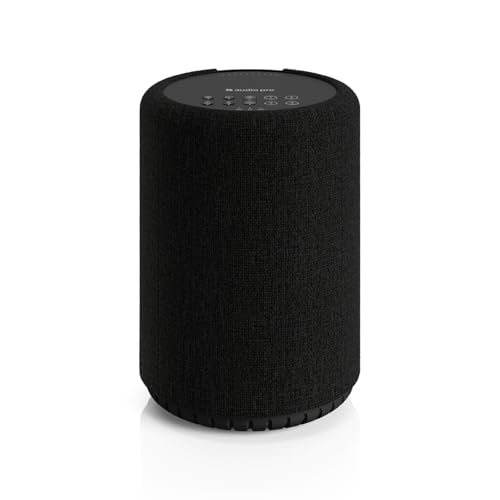
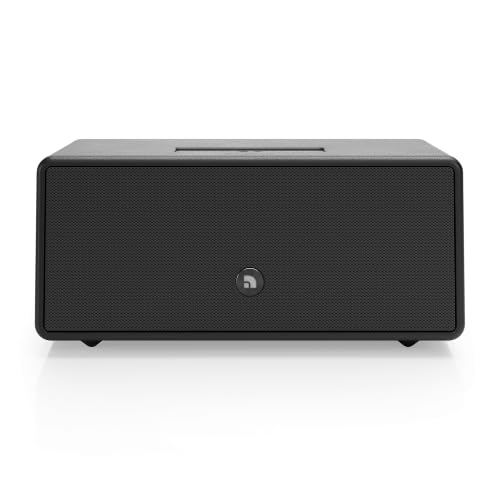


Types of Airplay Wireless Speakers Compared
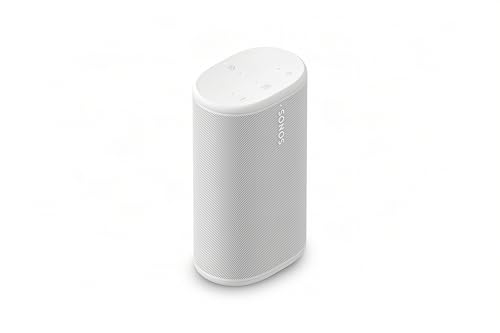
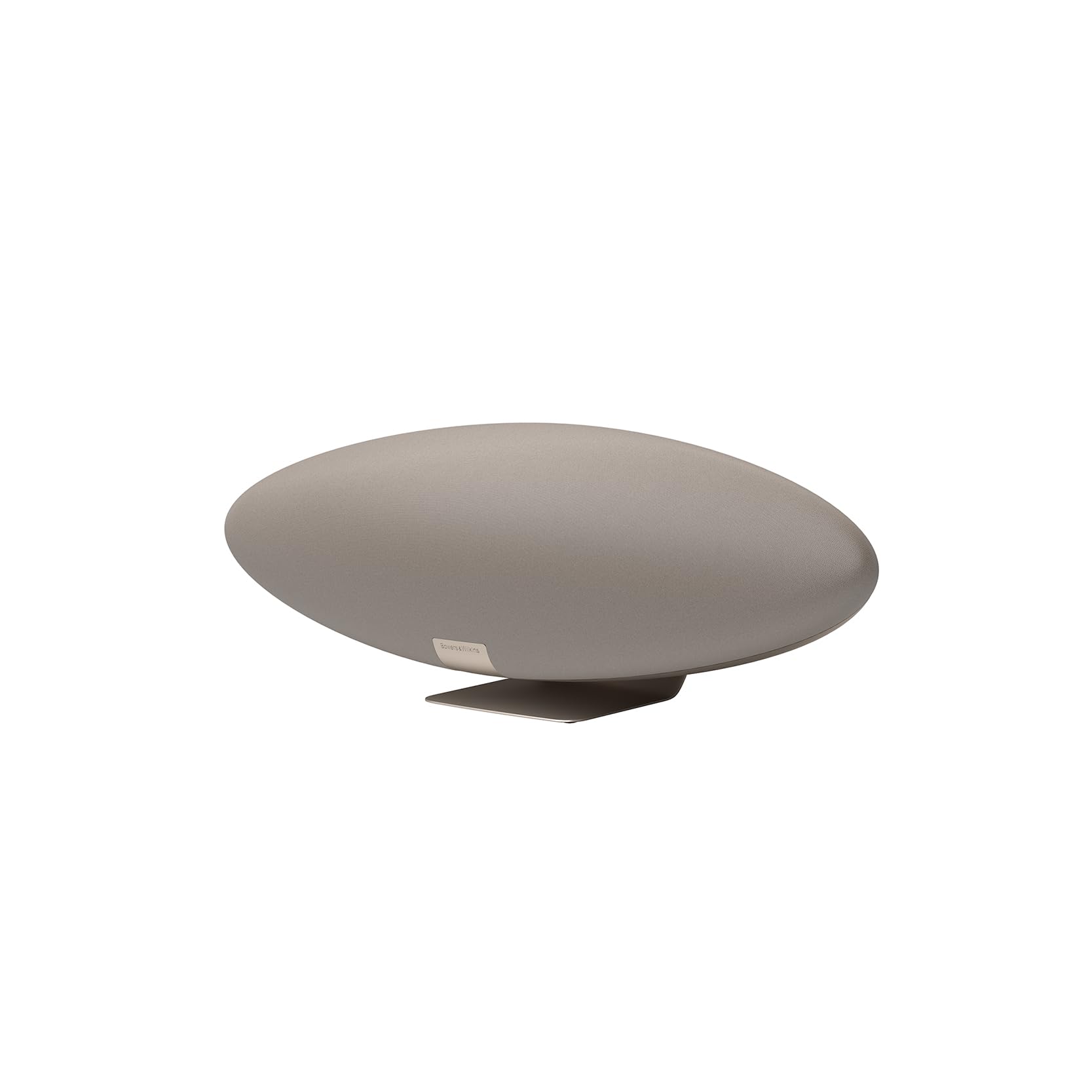
Four types cover nearly every buyer. Portable models built around Bluetooth with AirPlay at home typically cost about $80 to $300 and favor flexibility. Outdoor rugged models run about $100 to $350 and favor toughness. Wired input home models cost about $200 to $600 and favor sound quality. Bookshelf systems range from about $250 to $800 and favor a fixed, great sounding setup. The sections below explain who each type serves best.
Portable Wireless Models
Portable models combine a rechargeable battery with Bluetooth for use anywhere and AirPlay for high quality streaming at home on WiFi. They are the most flexible type, moving from kitchen to yard to a friend house without any setup beyond pairing. Sound is tuned for small spaces and nearfield listening, so bass stays modest and stereo comes from one box rather than two separated speakers. Choose this type if you listen in many places, travel with your speaker, or want one purchase that covers indoor and outdoor life. Avoid it as your only speaker if you want a wide stereo image for films or serious listening sessions in a large room.
Outdoor and Rugged Models
Rugged models wrap the speaker in a sealed, shock resistant cabinet with an IP rating that states how well it handles water and dust. IP67 models can survive rain, splashes by the pool, and dusty workshop shelves, and strong grilles protect the drivers from knocks. The trade off is tuning. Sealed cabinets and protective materials tend to blunt fine detail, and battery weight makes these speakers heavier than they look. Choose this type for patios, job sites, camping, and poolside listening. If the speaker will live on a shelf indoors, you pay for protection you never use and give up sound quality to get it.
Wired Input Models
Some wireless speakers keep a strong set of wired inputs, such as optical, analog, or USB, alongside AirPlay. These models suit listeners who mix streaming with a TV, a turntable, or a computer and want one system to handle everything. Wired paths never drop out, never need a network, and often sound a touch cleaner because nothing is compressed for transport. The cost is flexibility. The speaker stays where the cables are, and battery power is rare in this type. For a wider look at cable free options beyond AirPlay, see our guide to the best wireless speakers, which compares the main connection standards.
Home and Bookshelf Models
Bookshelf models are built for one room and one job: sounding as good as possible from a shelf, stand, or credenza. Larger cabinets and drivers deliver fuller bass and clearer vocals than portable models, and many can pair in stereo or join a multi room group. They plug into the wall, so there is no battery to manage, but also no taking them to the park. Choose this type for a living room, office, or bedroom where the speaker will stay put and where music quality matters more than portability. Our guide to the best airplay speakers goes deeper on home models built purely around Apple streaming.
Portable Models vs Outdoor Models: Which Should You Choose?
These two types overlap the most, so compare them on five points. For durability, rugged models win clearly, with higher IP ratings and tougher cabinets. For sound, a good portable model usually sounds warmer indoors, since its cabinet is tuned for rooms rather than open air. For battery, both types play roughly 10 to 20 hours, though rugged models often carry bigger batteries at the cost of weight. For price, comparable rugged models cost more because sealing and testing add expense. For daily convenience, portable models are lighter and easier to grab. Choose rugged if the speaker will live outside, near water, or on work sites. Choose the lighter portable type if it will travel in a bag and mostly play indoors, with only occasional careful trips into the garden.
How to Choose the Right Airplay Wireless Speaker
Sound Quality and Tuning
Within your chosen type, judge sound by driver size, cabinet volume, and tuning style. Bigger drivers and cabinets almost always mean fuller sound at normal volumes. Published frequency response figures help if the maker states the tolerance, since a claim without a tolerance is marketing rather than measurement. Think about your content. Podcast and voice heavy listening rewards midrange clarity, while electronic and hip hop styles reward bass reach. An app with EQ controls lets you tame a boomy room or lift vocals, and it matters more than small differences in driver specifications.
Durability and Water Resistance
Match the IP rating to the roughest place the speaker will actually go. IPX4 handles kitchen splashes and light rain under cover. IPX7 or IP67 suits pools, boats, and uncovered decks. The first digit in a two digit rating covers dust, which matters for workshops and beaches where fine grit works into grilles. Also check the port covers and buttons, since a sealed cabinet with a loose charging cover is only as strong as that cover. Rinse salt water and sand off rugged speakers with plain water after beach days to protect the seals.
Placement and Room Size
WiFi range decides where an AirPlay speaker can live, so think about your router as part of the purchase. A speaker at the far end of a large home may drop to Bluetooth more often than you expect. Indoors, place speakers on solid surfaces away from corners if bass sounds boomy, or nearer a wall if it sounds thin. Outdoors, open air eats bass, so a slightly larger model pays off. If compact size is your top priority for a desk or shelf, our guide to the best small wireless speakers focuses on models that fit tight spaces.
Ecosystem and App Features
AirPlay 2 lets you group speakers from different brands in the Home app, which is a real advantage over closed systems. Still, each maker app controls firmware updates, EQ, and stereo pairing, so a neglected app becomes a long term problem. Check recent app update history before you buy. Also confirm the speaker supports the services and assistants you use, and whether it can join groups with speakers you already own. Planning a yard setup specifically? Our guide to the best outdoor wireless speakers covers range and weather in more detail.
Setup and Care Tips
- Keep firmware updated. Updates fix AirPlay dropouts and add features, so check the maker app after setup and every few months after that.
- Charge portable batteries with care. Avoid leaving a portable speaker plugged in for months at a time, and store it with a partial charge if you will not use it for a season.
- Clean grilles the gentle way. A soft brush lifts dust and sand without pushing grit into the drivers. Skip compressed air, which can force debris deeper.
- Protect outdoor speakers between uses. Even rugged models last longer stored out of direct sun, since heat and ultraviolet light age batteries and rubber seals.
- Name speakers by room. Clear names in the Home app make AirPlay grouping and voice commands far less confusing once you own more than one speaker.
Airplay Wireless Speakers: Your Questions Answered
What IP rating do I need for outdoor use?
For a covered porch, IPX4 splash resistance is enough. For open decks, pools, and beach use, choose IP67 so the speaker shrugs off rain, splashes, and dust. One extra point matters here. Ratings assume the charging port cover is closed, so make closing it part of your routine before the speaker goes outside.
Is a voice assistant worth the extra cost on a wireless speaker?
It is worth it if your household uses voice control for music, timers, and smart home gear every day. If you always reach for your phone anyway, the assistant adds cost and microphones you may not want. Many of the cleanest sounding models skip assistants entirely, so treat this as a lifestyle choice rather than a quality marker.
Do I need a special codec for AirPlay?
No. AirPlay uses its own streaming method between Apple devices and the speaker, so codec shopping lists do not apply to it. Codecs such as AAC and aptX only describe the Bluetooth connection you use away from home. Spend your attention on AirPlay 2 support and a healthy home network instead, because those decide how stable your streaming feels.
How long does the battery last on AirPlay wireless speakers?
Battery models generally play about 10 to 20 hours at moderate volume over Bluetooth, and somewhat less over WiFi, which draws more power. Loud volume and heavy bass shorten that figure a lot. Wall powered home models have no battery limit at all. If long unplugged sessions matter, check whether the speaker can play while it charges.
Wired or wireless: which sounds better?
A wired input holds a small edge in reliability and can sound marginally cleaner, since nothing is compressed or exposed to network hiccups. At home on a solid network, AirPlay comes close enough that most listeners cannot tell in normal use. The practical answer is to choose wireless for freedom and keep a wired input as your backup for a TV or turntable.
Final Thoughts
Choose the type first, because that decision shapes everything else: portable for flexibility, rugged for outdoor life, wired input models for mixed sources, and bookshelf models for the best sound at home. Then weigh sound tuning, water resistance, and app support within that type. Look back at the product table above, pick the best airplay wireless speakers that fit how you actually listen, and enjoy streaming that simply works. If portability is your main goal, our guide to the best portable wireless speakers is a good next read.