
Best Active Sandals for Men: Buying Guide for 2026
Disclosure: We may earn a commission when you buy through links on this page, at no extra cost to you. As an Amazon Associate I earn from qualifying purchases. Learn more

Secure straps, real traction and lasting support: how to pick the best active sandals for men for trails, water and long days on foot.
Warm trails, boat decks and long travel days all punish flimsy sandals. Straps rub, soles slip on wet rock, and a loose heel makes every downhill step feel unsure. The best active sandals for men solve those problems with secure straps, real traction and support that lasts past the first mile. This guide shows what to compare in the product table.
Start with the ground and water you meet most often. A man who hikes rocky paths needs different protection than one who paddles and walks riverbanks. Your size and foot width matter too, and the sections below match each need to fit and grip.

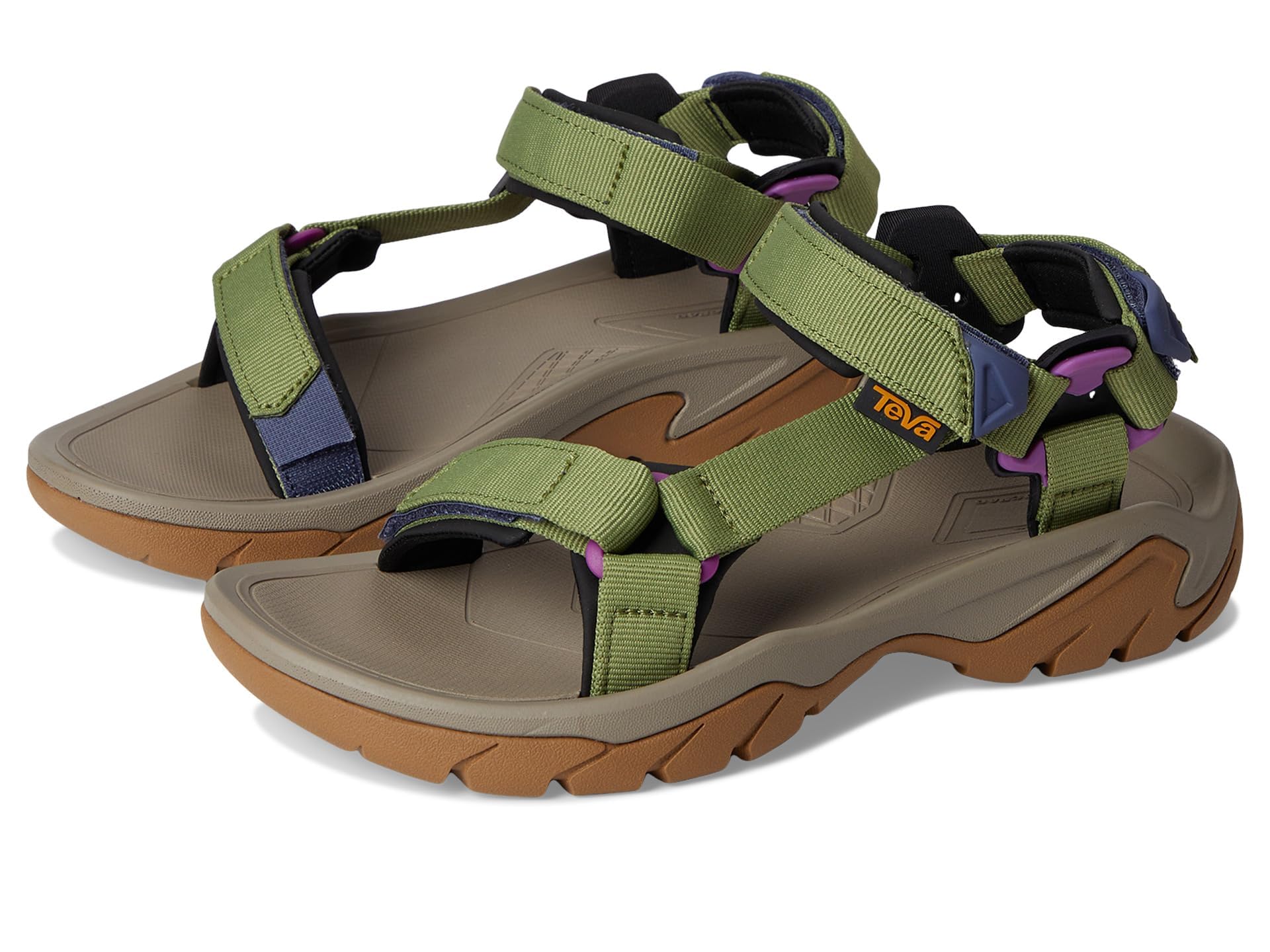

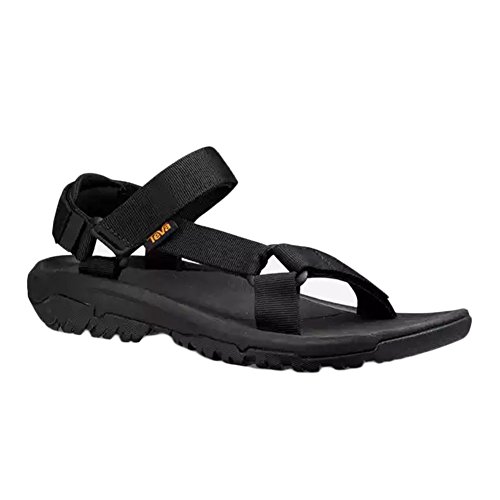


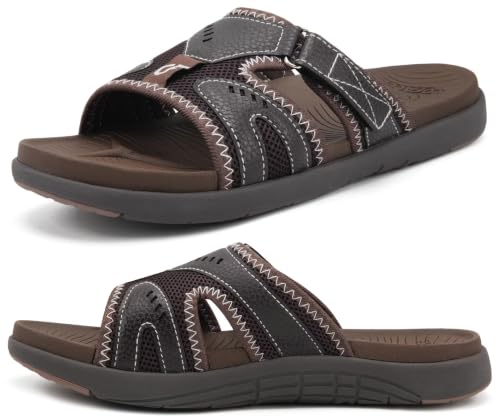


Who Should Buy Active Sandals for Men
Choose by the activity you repeat each week, not by the hardest trip you might take once a year.
Trail Walkers Who Want Airflow on Warm Routes
You walk dirt paths and light hills in heat that makes closed shoes feel stuffy. Choose a contoured footbed, a closed toe guard if roots and stones are common, and straps you can tighten at the heel and forefoot. If most of your miles are on smooth paved paths instead, see our guide to the best walking sandals for men.
Paddlers and Anglers Who Get Wet Often
You step in and out of water at launches, docks and shallow crossings, then walk on slick ground. Choose synthetic straps that hold their shape when soaked, drainage that lets water escape, and rubber that grips wet surfaces. Avoid padded straps that stay heavy and slow to dry. A snug heel matters most when mud tries to pull the sandal off.
Travelers and Camp Staff on Their Feet for Hours
You guide groups, work outdoor events or tour towns on foot, so small fit flaws grow into sore spots by evening. Choose firmer cushioning that does not flatten under a full day of standing, plus toe box room for feet that swell in heat. For slower town days away from water and steep ground, see our guide to the best leather sandals for men.
Key Features to Compare
Work through these factors in order, because fit and hold decide whether the other features can do their job.
Fit, Sizing and Toe Box Room for Men
Measure both feet late in the day, when they are at their largest, and match the longer foot to the brand size chart. Many men need more forefoot width than a narrow sport last allows, so look for wide options if your toes splay or the outer edge feels pinched. Your toes should not touch the front bumper, and your heel should sit inside the rear cup.
Adjustable Straps and Secure Heel Hold
Straps set your hold on slopes and in water. Look for adjustment at the heel, ankle and forefoot, because one fixed strap cannot suit both narrow and wide feet. Webbing should lie flat without folding at the buckle, and the heel strap should keep your foot from sliding forward on descents. Test the fit by walking down a short slope and noting whether your toes jam forward.
Cushioning, Arch Support and Drop for Long Days on Your Feet
The best active sandals for men balance cushioning with a stable base, so your foot does not roll on uneven ground. A shaped footbed with clear arch support suits long walks, while very soft foam can feel tiring on rock. Heel to toe drop here is often about 0 to 10 mm, and lower drops feel more natural if you already walk in flat footwear. Persistent heel or arch pain, swelling or numbness needs a professional assessment, so talk with your clinician about personal needs. For firmer support options, see our guide to the best orthopedic sandals for men.
Outsole Traction, Lug Depth and Durability
The outsole is the rubber layer that meets the ground. Lugs of about 3 to 5 mm bite into dirt and gravel, while shallower, wider patterns grip pavement and boat decks with more contact. Wet grip depends on rubber softness and channel shape, not lug depth alone, so favor outsoles made to shed water if you cross streams. Look for straps set into the footbed or stitched through strong posts, because glued surface mounts tend to fail sooner under side loads.
Water Readiness, Breathability and Quick Drying Materials
Water ready sandals use synthetic webbing, closed cell foam and rust resistant hardware that stay sound after soaking. Open designs cool your feet on dry trails, but they also let in grit, so route choice decides which tradeoff wins. A pair that drains well and dries overnight suits travel with one pair, while slower drying padding suits single day outings near home. Rinse salt and sand out after wet use, since trapped grit wears straps from inside.
Weight, Flexibility and Toe Protection
Many active sandals weigh about 8 to 14 ounces per shoe, and lighter pairs feel easy on long travel days. A very flexible sole lets your foot move naturally on smooth ground, but it can feel harsh over sharp stones. Stiffer soles with a toe bumper spread pressure and guard against stubs, at the cost of extra weight. Choose the lightest pair that still protects you on your roughest regular surface.
Types of Active Sandals for Men Compared
Three broad types cover most active use. If you want the wider category view first, see our guide to the best active sandals.
Closed Toe Trail Sandals
A rubber bumper covers the toes and a structured footbed supports longer walks on rough ground. This type suits hikers who want airflow without giving up protection from roots and rocks. It weighs more than open designs and dries a bit slower, but most men who hike weekly find the trade fair.
Open Toe Sport Sandals
Open toes and multiple straps give the most airflow and the fastest adjustment as feet swell. This type suits warm, dry trails, camp wear and travel where low weight matters. It leaves toes exposed, so it fits groomed paths better than rocky ones. Look for a heel strap, because a slide style sandal cannot hold your foot on slopes.
Water Sandals Built for Rivers and Shores
These pairs combine fast drainage with grippy rubber and straps that stay secure when soaked. They suit paddling, fishing and beach walks that mix sand, rock and shallow water. Their softer wet grip rubber can wear faster on hot pavement, so frequent town walking shortens their life. A closed toe version helps on rocky riverbeds.
Common Mistakes to Avoid
Each error below looks minor in the store and grows costly on the trail.
- Buying your dress shoe size without checking footbed length leaves toes hitting the front bumper on descents.
- Choosing straps with no heel adjustment lets your foot slide and blister on the first long walk.
- Picking deep lugs for mostly paved use makes the ride feel harsh and wears the rubber down fast.
- Wearing loose sandals in fast water lets current and mud pull a pair off your feet.
- Ignoring toe box width squeezes the forefoot and turns a long warm day into numb, aching toes.
- Assuming a higher price means better grip leads you to pay for looks while the outsole slips on wet rock.
Care and Maintenance for Active Sandals
Simple care after wet or dirty outings protects straps, footbeds and rubber grip.
- Rinse sand, mud and salt away with plain water after each outing, working grit out of strap folds and buckles.
- Wash footbeds with mild soap and a soft brush when odor builds, then rinse until the water runs clear.
- Air dry sandals in shade away from direct heat, because high heat can warp foam and weaken strap glue.
- Check strap anchors, buckles and toe bumpers each month, and stop using a pair with a torn anchor.
- Inspect lug depth and look for smooth, shiny patches on the outsole, which signal lost grip on wet ground.
- Store pairs clean and dry with straps loosely fastened, so webbing keeps its shape between seasons.
Replace a pair when the footbed stays compressed, the tread runs smooth at the heel or ball, or a strap pulls loose under normal tightening. Those signs matter more than age alone.
FAQ
What makes active sandals for men different from regular fashion sandals?
Active sandals for men differ because they add a heel strap, grippy lugged rubber and a shaped footbed that regular fashion sandals lack. That build holds your foot in place on slopes and in water instead of letting it slide. Check that the straps adjust in at least two places, since that is the clearest sign of a true active design.
How should active sandals for men fit when you step downhill?
Active sandals for men should hold the heel firmly enough that your toes never strike the front bumper as you step down. Test this on stairs before a hike, tightening the forefoot strap first and the heel strap second. If the heel lifts with each step, try a half size change or a narrower last.
Can men wear active sandals for all day walking tours?
Yes, men can wear active sandals for all day walking tours if the footbed supports their arches and the straps do not rub. Build up with shorter walks first, because calves and feet work harder than in stiff shoes. On cobblestones, a stiffer sole feels far better by afternoon than a thin flexible one.
How often should men replace active sandals that still look fine?
Men should replace active sandals when grip, support or strap hold fades, even if the straps still look clean. Rubber hardens with heat and age, so a pair stored for years can slip on wet stone despite deep lugs. If you hike weekly in warm months, expect two to three seasons before performance drops in a clear way.
Our Verdict
Match the type to your ground and water first, then check fit, strap hold and outsole grip. Trail walkers need toe protection, water users need drainage and wet grip, and men on their feet all day need support that does not flatten. Use the product table to compare sizes and weights.
Chosen that way, the best active sandals for men feel secure on an outing and stay comfortable as the miles add up. Pick the simplest pair that meets your needs, adjust the straps with care, and enjoy the walk.


