Best Active PC Speakers by Budget: Smart Choices for 2026
Disclosure: We may earn a commission when you buy through links on this page, at no extra cost to you. As an Amazon Associate I earn from qualifying purchases. Learn more

Compare the best active pc speakers at every price point. Learn what you get at budget, midrange, and premium levels and where spending more pays off.
Desktop speaker prices range from pocket money units that barely beat laptop audio to serious nearfield systems for music and editing. Knowing what each tier adds in clarity, bass, and inputs helps you stop at the right price for your desk. If you are comparing best active pc speakers, measure your desk space and list your sources first, then use the tiers below to match a budget.
Use the product table as a size and input checklist for the best active pc speakers. On a desk, placement and nearfield clarity matter more than raw loudness, because you listen from about an arm length away.
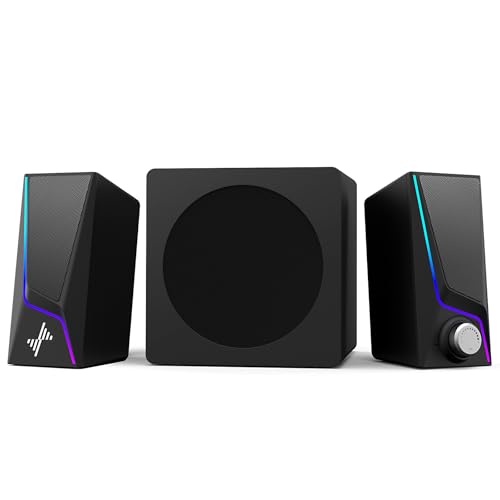
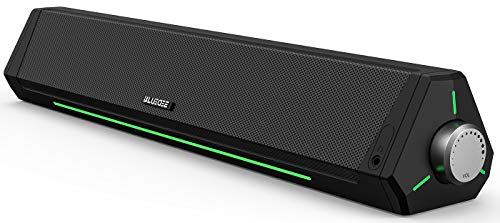

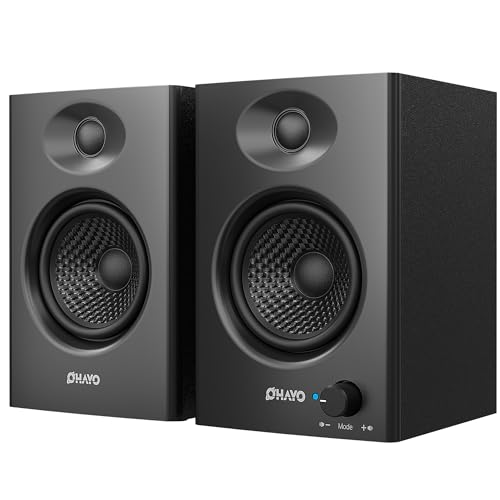
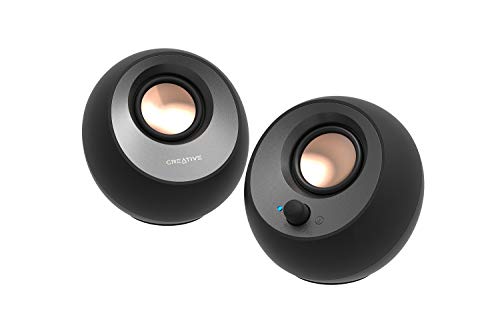


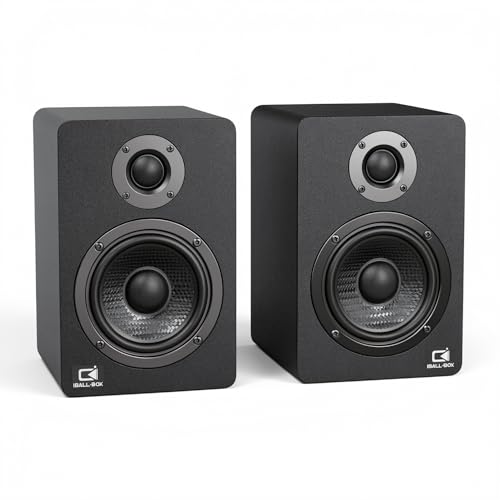
Price Tier Choices by Budget
Budget Tier
A budget tier desktop pair, often around $50 to $100, suits calls, videos, and casual music in a small room. Expect compact cabinets, a simple volume knob, and one main input, sometimes with Bluetooth on newer designs. Voices will be clearer than through laptop speakers, and stereo placement will make games and films feel wider. Bass will be modest, so action scenes lean on the main drivers alone. This tier fits a first desk setup or a spare computer where simple and small beats powerful.
Midrange Tier
A midrange pair, often around $100 to $250, is the sweet spot for most desks. You gain larger drivers, cleaner amplifiers, a headphone output, and often a subwoofer output or USB audio input. Music gains body, dialogue stays clear at low volume, and controls feel better in daily use. Many midrange models add tone controls or a remote, which helps when speakers sit beyond easy reach. For work, study, and regular gaming, this tier usually ends the search.
Premium Tier
A premium desktop pair, often around $250 to $500 or more, suits music lovers, video editors, and gamers who want room filling sound from a desk. Expect flatter tuning, stronger cabinets that resist vibration, balanced inputs on some models, and a matching subwoofer option. Detail in recordings improves, and volume rises without harshness. The trade offs are size and price, since larger cabinets crowd a small desk and may need stands or isolation pads to sound their best.
What Your Money Gets You at Each Price Tier
Budget Tier: What to Expect
Budget models spend on the basics: two small drivers, a modest amplifier, and a single cable connection. That simplicity can be a virtue for a family computer or a dorm desk. Check that the volume knob is on the front or on a wired remote you can reach, because reaching behind a speaker for every call gets old fast. If desk gear is your wider project, browse our guide to the best active speakers for powered formats beyond the desktop.
Midrange Tier: The Sweet Spot for Most Buyers
Midrange money buys a bigger step in sound than the price gap suggests. Drivers grow from about 3 inches to 4 or 5 inches, which adds warmth to voices and makes music sound less thin. USB input can bypass a noisy computer headphone jack, and Bluetooth adds phone playback without cable swaps. Build quality improves too, with denser cabinets and better knobs. Most buyers who work and play at the same desk should aim here first.
Premium Tier: When Spending More Pays Off
Premium desktop speakers pay off when you listen closely for hours or create audio and video. Flatter tuning reveals mixing flaws and dialogue detail that budget models blur. Extra inputs let a computer, console, and phone stay connected at once. If your use is only calls and occasional videos, the premium gain will feel small, so be honest about your listening time before stretching the budget.
Features Worth Paying For in Active PC Speakers
Clarity Instead of Noise Canceling
Desktop speakers do not use noise canceling, and a noisy room is better handled by clear midrange tuning and sensible volume. If household noise competes with your calls, position speakers closer to you and angled toward your ears so you can listen lower. Premium models with accurate voices help meetings at modest levels. Do not pay for a canceling claim on a speaker listing, because the feature belongs to headphones.
Sound Quality and Tuning
For nearfield listening, smooth tuning beats boosted bass and treble. A slight bass lift can be fun for games, but voices should stay natural and free of boxiness. Look for tone controls or placement switches that tame bass when speakers sit against a wall or on a resonant desk. Driver quality and cabinet stiffness matter more than headline watt figures, which vary widely in how they are measured.
Connectivity
Inputs decide daily convenience. USB audio suits most computers and keeps the signal digital until the speaker converts it, while an analog cable works with almost anything. Bluetooth 5.3 class connections add stable phone playback, and codecs such as AAC cover common phones well, so codec choice rarely decides a desktop purchase. Gamers should favor wired links for the lowest delay. If gaming is central, our guide to the best pc speakers for gaming goes deeper on delay and subwoofers.
Placement and Room Size
Place the tweeters near ear height and angle both speakers toward your chair to form a triangle with your head. Even budget speakers improve noticeably with that setup. Keep some space from the wall if bass sounds heavy, or use foam pads to reduce desk vibration. In a larger room, a midrange pair plus a small subwoofer fills space better than tiny speakers pushed loud. For pure sound quality comparisons, see our guide to the best sounding pc speakers.
One practical check before ordering is to measure the space beside your monitor, including depth for cables behind each cabinet. Leave room to reach the rear inputs and to angle the speakers without blocking drawers or a monitor arm. A pair that fits calmly on the desk will be used daily, while an oversized pair that crowds your keyboard will frustrate you within a week.
Long Term Costs to Factor In
Desktop speakers have low running costs, but plan for a few extras. Stands or isolation pads can add around $20 to $60 and often improve sound more than a small model upgrade. A subwoofer is the big optional cost, so check whether your chosen pair has a subwoofer output before buying. Cables are usually included, yet a longer USB or optical cable may be needed for a standing desk or a computer under the floor.
Warranty and repairability are modest concerns at budget levels and grow with premium prices. Keep the packaging during the return period so you can judge the speakers at your own desk, with your own music and calls. If value is the priority, our guide to the best affordable pc speakers focuses on the lower tiers.
Frequently Asked Questions
What IP rating do I need for outdoor use with pc speakers?
PC speakers are indoor products and normally carry no outdoor IP rating at all. Keep them at your desk, away from open windows and drink spills. If you need sound on a patio, choose a portable outdoor speaker instead of moving desktop units outside. Moisture and dust will shorten the life of desktop cabinets and controls quickly.
Wired or wireless: which sounds better for pc speakers?
A wired USB or analog connection sounds the most consistent for a desk and avoids delay in games and video. Bluetooth sounds good for music from a phone and frees a cable, but it can add a small lag that players notice. Many buyers use both, wired for the computer and wireless for the phone. Reliability at your main seat should decide the default.
Do I need a special codec for pc speakers?
No special codec is needed for desktop speakers, because the main computer link is usually wired by USB or cable. Bluetooth codecs affect only phone playback, and standard options sound fine for casual listening. If you edit audio, a clean USB input and accurate tuning matter far more. Spend on drivers and inputs before chasing codec logos.
Is noise canceling worth the extra cost for pc speakers?
No, noise canceling does not apply to desktop speakers and is not worth any extra cost here. Clear tuning, close placement, and moderate volume do more for call clarity in a busy home. If background noise is your main problem, a good microphone with its own noise reduction helps the people listening to you. Keep that budget for the speakers themselves.
How long does the battery last in pc speakers?
Active PC speakers plug into mains power or draw power by USB, so they have no battery that runs down. They will work for the full workday and beyond without charging breaks. If a listing shows battery hours, it is describing a portable speaker rather than a true desktop pair. Check the power method before you buy for a fixed desk.
Our Verdict
For most desks, a midrange pair with USB input, front volume control, and a subwoofer output covers work, music, and games without waste. Go premium only if you listen closely for hours or create content, and keep placement part of the plan from the start. Compare your finalists in the product table, then choose the best active pc speakers that fit your desk, your sources, and your ears.