
Best Active Office Chairs in 2026: What Actually Matters Before You Buy
Disclosure: We may earn a commission when you buy through links on this page, at no extra cost to you. As an Amazon Associate I earn from qualifying purchases. Learn more

Compare the best active office chairs by movement, seat shape, lumbar support and stability with a simple checklist for comfortable desk hours.
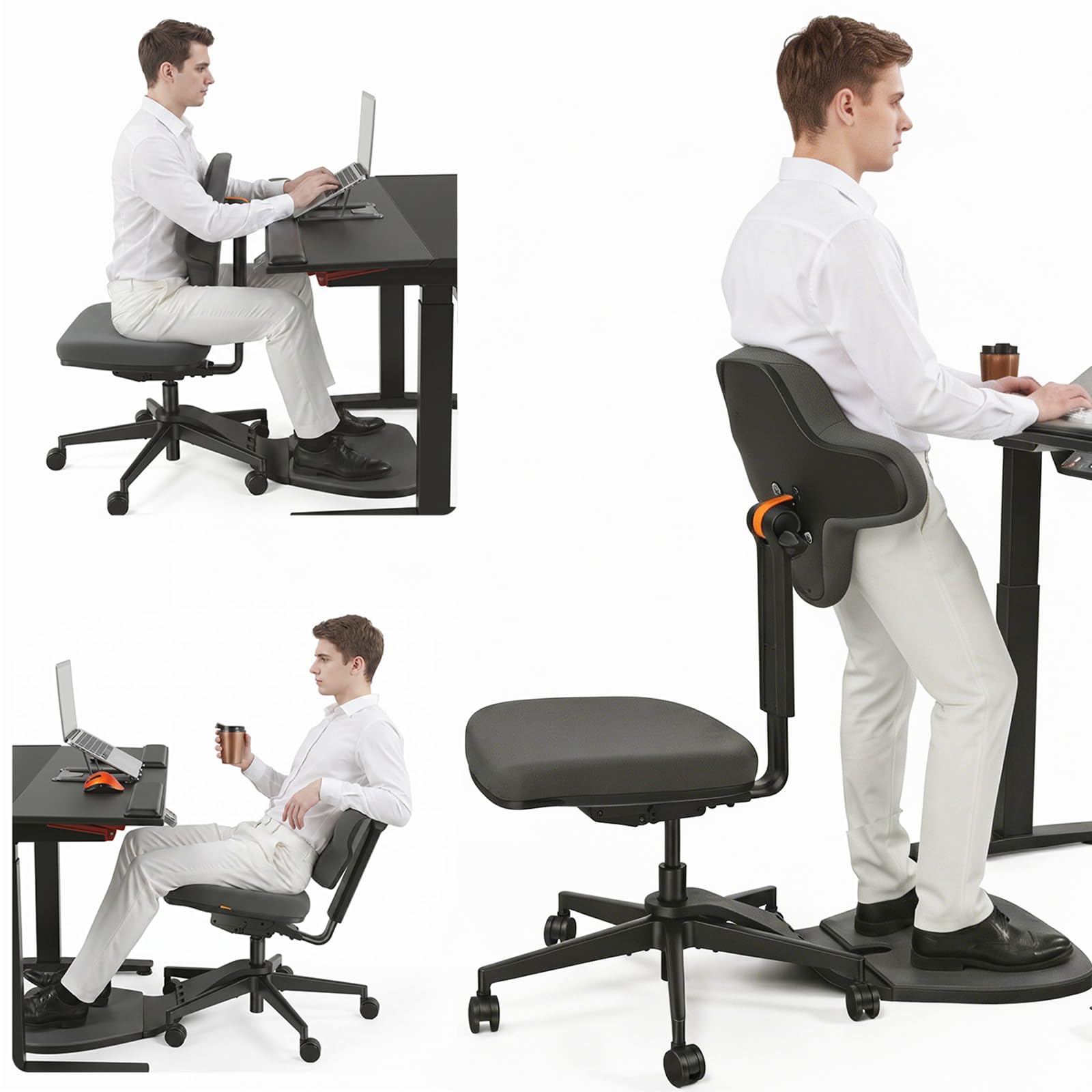
An active office chair is built to move with you instead of holding you in one fixed pose. You can rock gently, shift your weight, perch higher, or let the seat follow your hips as you turn. The best active office chairs match that movement to your body, your desk and your floor, and this checklist shows you how to judge each design in the product table.
Start with how you actually sit. Some people want small, constant motion through the workday, while others only want a chair that makes position changes easy. The sections below sort buyers by habit first, then compare the details.




Who Should Buy an Active Office Chair?
Active seating suits people who feel stiff or restless in a locked chair. Match the group below that sounds most like your day before you look at features.
Desk Workers Who Shift and Fidget Through Long Hours
You change position without thinking, cross and uncross your legs, and lean toward the screen as the day wears on. A dynamic tilt chair or a gentle rocking design gives that restlessness somewhere to go. Choose tension control so the movement feels smooth rather than loose, and pick a seat wide enough for shifting.
People Who Alternate Between Sitting and Perching
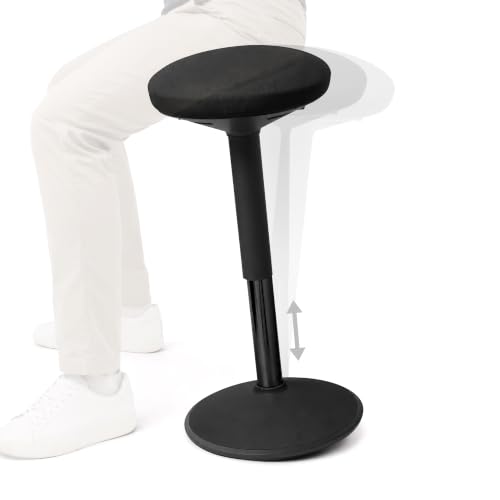
You like to sit high for focused tasks, drop lower for calls, and sometimes rest part of your weight on the seat while standing nearby. A saddle seat or a wobble stool fits that pattern, since both raise your hips and open the angle between torso and thighs. Check that the height range reaches your perch height.
Back Comfort Shoppers Who Want Support That Moves
You want back support, but a rigid backrest pushes you out of position whenever you move. Look for a flexible back or a lumbar pad that adjusts in height and depth so support stays at your lower back as you rock. Persistent back pain, numbness or tingling in your legs, or pain that travels down one leg needs a doctor or physical therapist rather than a new chair setting. This guide covers general fit and comfort only, so talk with your clinician about personal needs.
Key Features to Compare
Judge every model against the same six factors. Movement comes first, because the finest cushion cannot fix a motion pattern you dislike.
Movement Type and How Much Motion You Can Control
Active chairs move in different ways. A tilt mechanism rocks the whole seat, a flexible spine bends as you lean, and a rounded base lets a stool wobble in every direction. More motion is not always better. If you type for long stretches, a small controlled range feels calmer than a wide free wobble. Look for a tension dial and, on tilt models, a tilt lock so you can hold one angle for reading.
Seat Shape, Foam and the Front Edge
Seat shape decides where your weight lands. A flat seat with high density foam spreads pressure evenly and suits long sessions, while a saddle seat is narrower, raises your hips and asks more of your leg muscles at first. A waterfall front edge, where the seat curves down, reduces pressure behind your knees. Thick soft foam can feel plush at first yet bottom out after an hour.
Lumbar Support and Backrest Flex
Some active chairs have no backrest at all, which builds an upright habit but offers nothing to lean on during calls. Models with a backrest should let the lumbar support move up and down to meet the curve of your lower back, and a mesh back adds airflow on warm days. Fixed support that lands too high or too low pushes you into a slouch to escape it.
Height Range, Seat Depth and Armrests
Seat height on active models often runs higher than on standard chairs, commonly about 19 to 30 inches on perch stools and about 17 to 22 inches on tilt chairs. Your feet should rest flat, or rest lightly on a foot ring at perch height. Adjustable armrests help during calls, but fixed arms can block a saddle or kneeling position, and many active designs skip arms entirely.
Stability, Base and Weight Capacity
A chair designed to move must still feel secure. A five star base with casters suits tilt chairs, while stools rely on a wide weighted base that grips the floor. Match casters to your surface, with softer wheels for hard floors and standard wheels for low carpet. Most active office chairs carry about 250 to 300 pounds, and the rating should cover you plus the force of rocking, so leave a margin.
Footprint, Build Quality and Warranty
Compact models matter in small home offices, because a rocking chair needs clear floor behind it and a stool needs room to roll. Measure the space the base covers, not just the seat. Steel frames cost less, while aluminum cuts weight for chairs you move between rooms. Compare warranty coverage on the frame, the gas lift and the moving parts separately, and favor terms of several years on the lift.
Types of Active Office Chairs Compared
When you shop for the best active office chairs by type first, the feature lists get much easier to read. Each type below trades support, motion and effort differently.
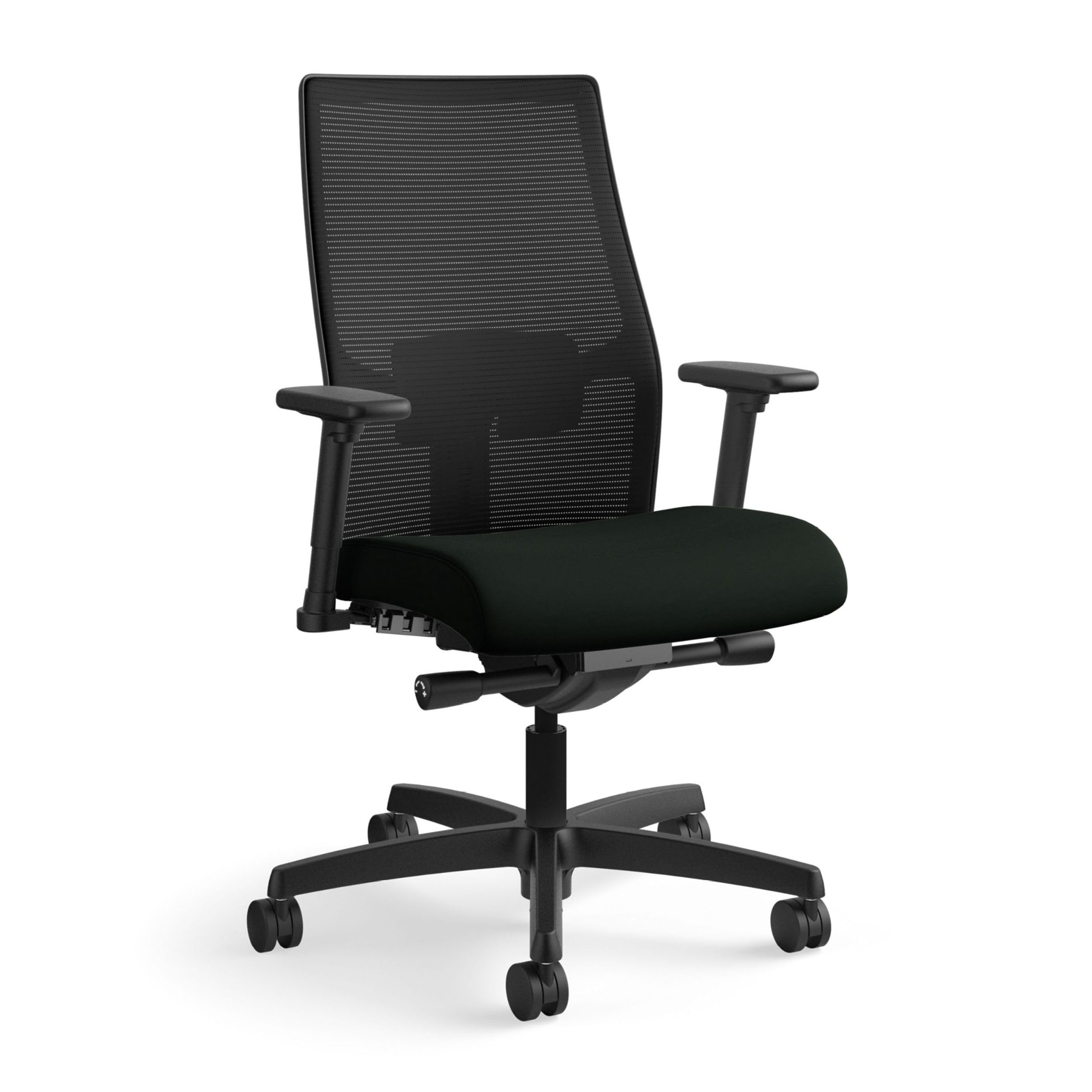
Dynamic tilt chairs look like standard office chairs, but the seat and back move together as your weight shifts. They suit full day desk work best, because you keep a backrest and familiar controls. This is the safest starting point, and our guide to the best ergonomic office chair covers the support features these models share.
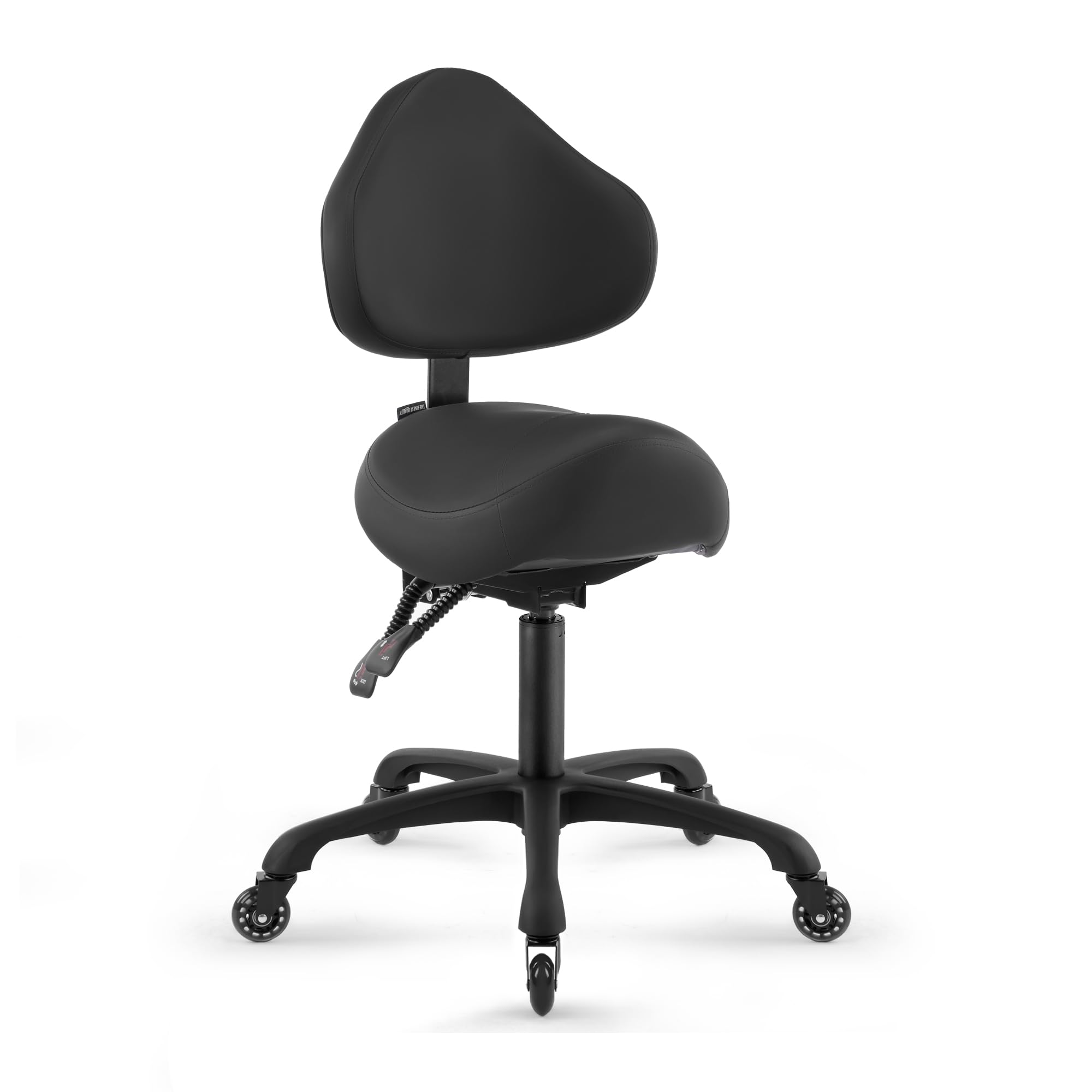
Saddle seats and wobble stools remove the backrest and ask your core and legs to do more. They shine for shorter focused sessions and sit to stand desks, but most people need a gradual build up of an hour or two at a time. If your day mixes desk work with moving around the room, see our guide to the best active chairs for designs beyond the desk.
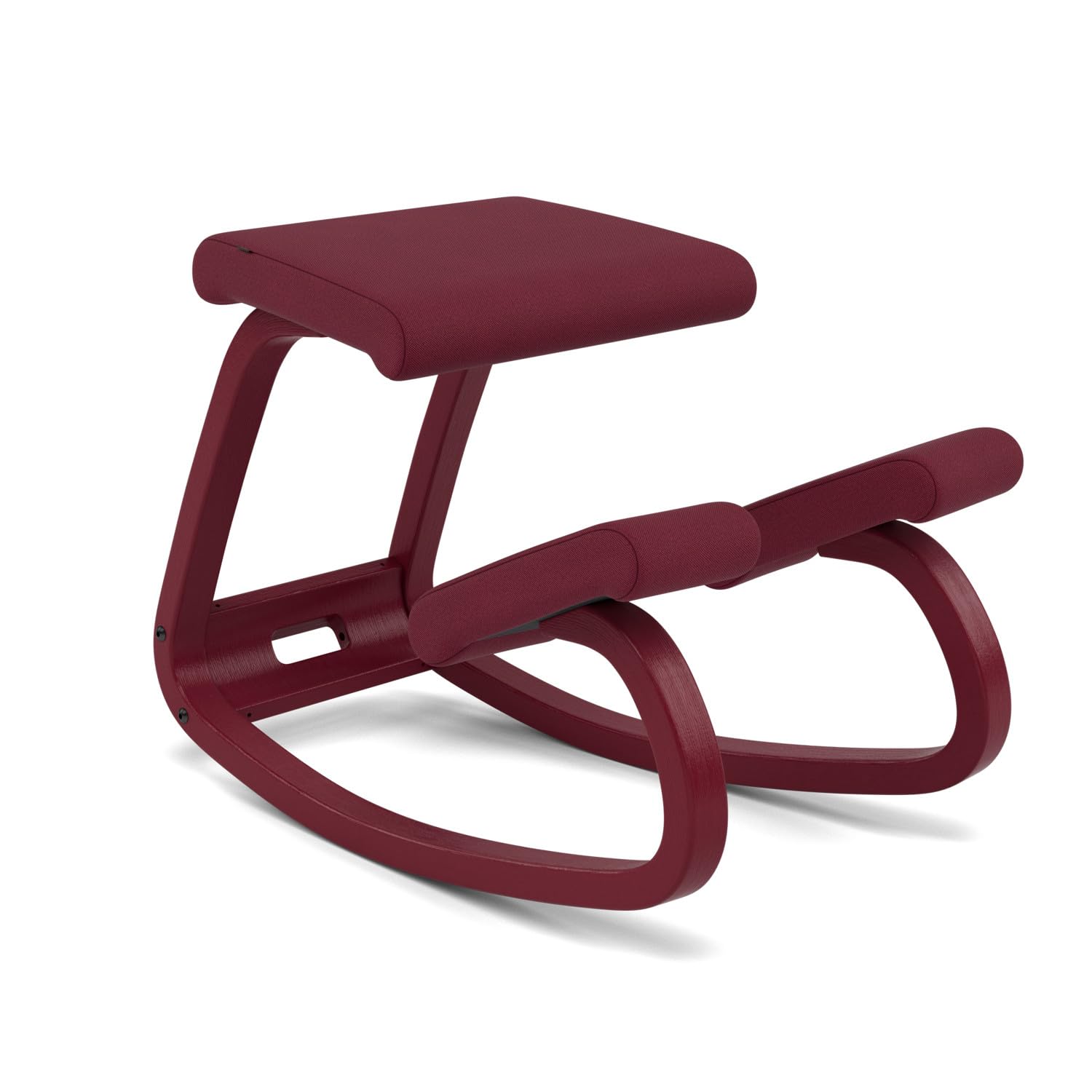
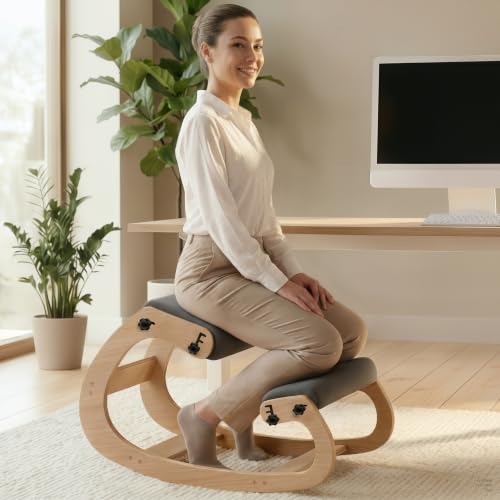
Kneeling chairs tilt your pelvis forward and rest part of your weight on padded shin supports. They can feel freeing if a flat seat bothers your lower back, yet they limit position changes and can be awkward to enter. People who prefer a still, set position may be happier with our guide to the best office task chairs instead.
Checklist for Choosing a Chair That Keeps You Moving at Work
Run through these questions before you order. Every no points to a feature worth a second look.
- Does the movement type match how I sit, rocking, perching, wobbling or kneeling?
- Can I adjust the motion tension, or lock the chair still when I need to focus?
- Does the seat height range let my feet rest flat at my desk height?
- Does the lumbar support, if fitted, adjust to the curve of my lower back?
- Is the weight capacity comfortably above my weight, with room for rocking force?
- Do the casters or base suit my floor, and will the footprint fit my space?
Common Mistakes to Avoid
Most returns trace back to one of these errors.
- Buying the widest wobble range for full day typing leaves your arms chasing the desk and tires your core by noon.
- Skipping the height check against your desk leaves your shoulders raised and your wrists bent while you type.
- Choosing a backless stool as your only chair gives you nowhere to lean during long calls.
- Ignoring the weight capacity margin makes the mechanism feel strained and shortens its working life.
- Judging foam by the first minute hides how soft padding bottoms out during a full afternoon.
- Placing a rocking chair tight against a wall stops the tilt you paid for and scuffs the paint.
Setup and Care for Active Office Chairs
Assembly on most models means fixing the lift, base and seat with a few bolts. Set the seat height first so your feet rest flat, then set tilt tension so you can rock with a gentle push rather than a heave. Tighten the bolts again after the first week, because new joints settle under load.
For ongoing care, wipe mesh and fabric with a damp cloth, vacuum dust from the tilt mechanism, and clear hair from casters so they roll freely. Check pivot points every few months for new play or noise, and stop using a chair whose lift sinks on its own.
FAQ
What features matter most for long hours in an active office chair?
For long hours, controlled movement and a firm seat matter most in an active office chair. Set a phone timer to prompt a posture change every 30 to 45 minutes, because even the best mechanism cannot replace standing and walking breaks.
How long should a good active office chair last?
A good active office chair should last about seven to ten years of daily use. The gas lift and casters usually wear first, so sinking overnight or one wheel that drags are early warnings rather than reasons to replace the whole chair. Many makers sell lifts and caster sets separately, and swapping them takes basic tools.
Is an expensive active office chair worth the extra cost?
An expensive active office chair is worth it only when the price buys a smoother mechanism, replaceable parts and a longer trial at home. Higher prices do not always mean more comfort, since motion preference is personal. Use the return window to work real days in the chair, and send it back if you still brace your feet to feel steady.
How do I choose the right size active office chair for my body and desk?
Choose the size of an active office chair by testing heights before you buy. Stack firm books on your current chair to mimic a higher perch and work for twenty minutes, noting whether your elbows stay level with the desk. If the perch feels strong but tiring, pick a tilt chair with a lower top height.
Our Verdict
Match the movement to your habit first, then check seat shape, height range and stability in that order. A chair you adjust once and forget beats a dramatic design you fight all day. Use the product table to compare types, capacities and prices.
Chosen that way, the best active office chairs stop being a trend and become simple tools for a more comfortable workday. Start with the type that fits your longest task.


