
Best All Day Office Chairs in 2026: Which Type Is Right for You?
Disclosure: We may earn a commission when you buy through links on this page, at no extra cost to you. As an Amazon Associate I earn from qualifying purchases. Learn more

Compare all day office chair types side by side, ergonomic, budget and compact, with plain guidance on fit, foam, seat size, weight capacity and price.
Sitting at a desk for eight or more hours turns a chair from furniture into work equipment, and the sheer number of types on sale makes the choice harder than it should be. This guide compares the best all day office chairs by type rather than by model, so you can match a category to your body, your room, and your budget before you look at individual listings. The comparison table below lines the main types up side by side.
One warning before the details: no chair, however adjustable, cancels out a full day of sitting still. The right type simply removes the avoidable sources of discomfort, such as a seat that is too deep, foam that flattens by lunch, or a backrest that never meets your lower back. If your shortlist starts from long sitting hours, our guide to the best office chairs for sitting all day covers that brief in more depth.
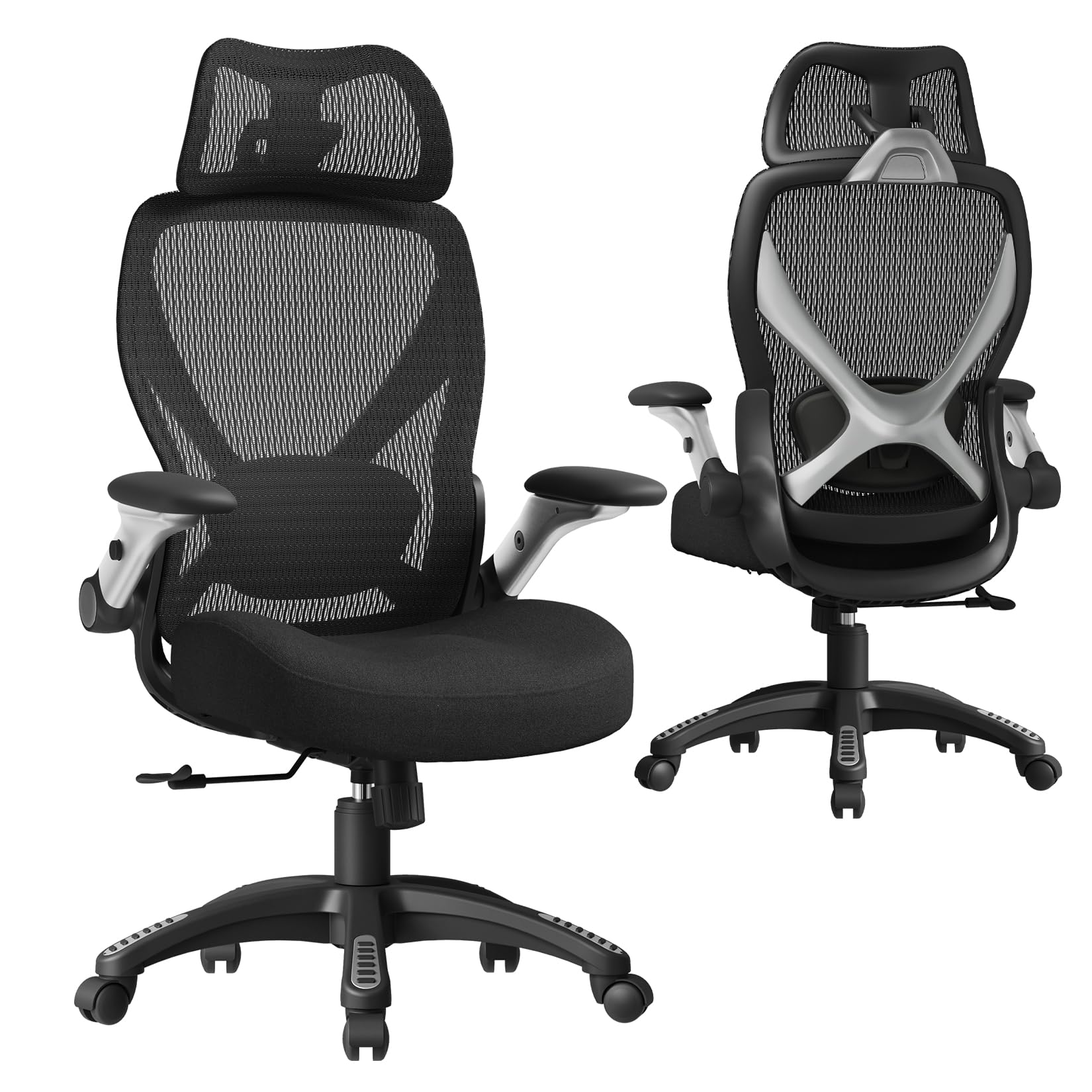
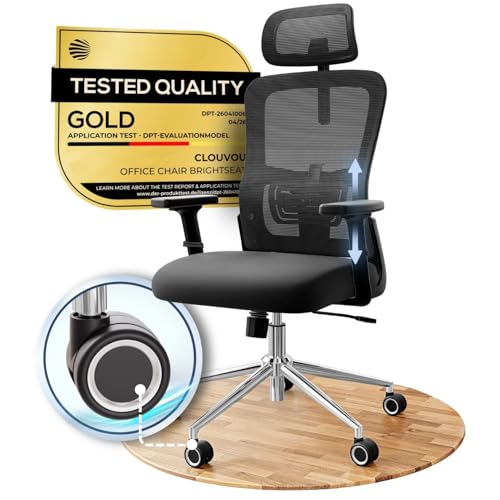

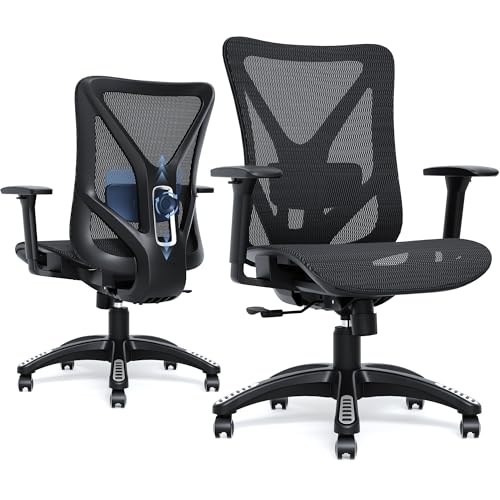
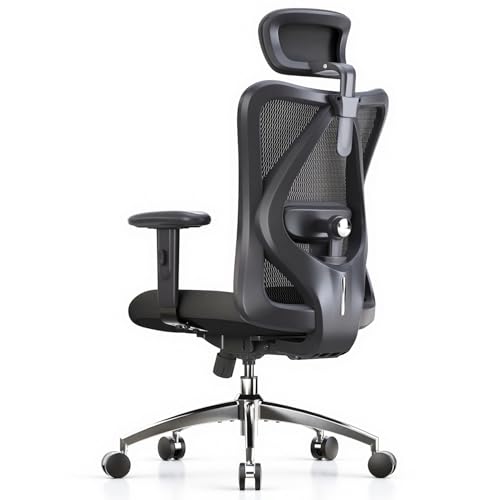
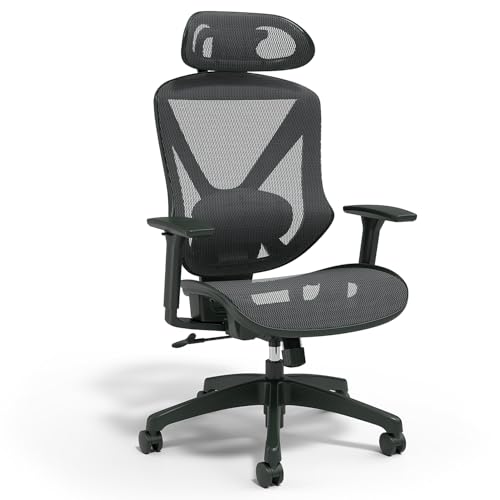

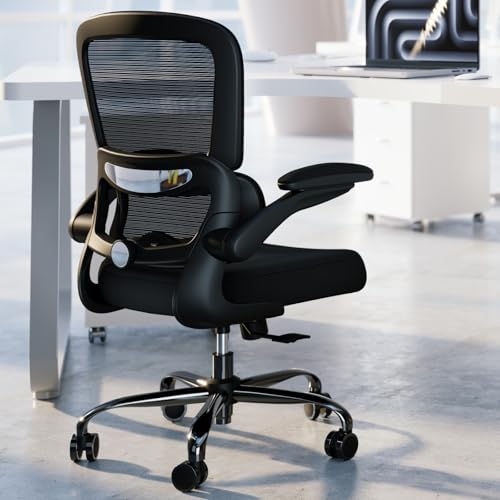
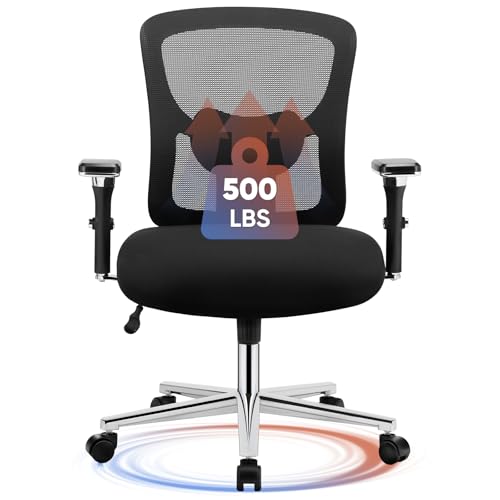
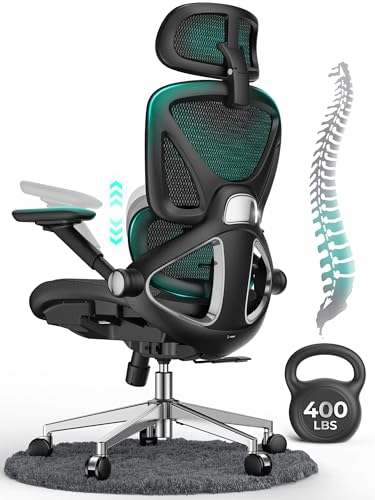
Types of Day Office Chairs Compared
One point governs every type in this section: fit. A chair only suits all day use when its seat depth lets you sit back against the backrest with a small gap of about two or three fingers behind your knees, because that depth decides whether the lumbar support can reach your back at all. A deep seat on a shorter person forces a slouch no adjustment can fix, so check seat depth before you compare anything else. Keep that order in mind as you scan the best all day office chairs by type in the table and sections that follow.
| Type | Best For | Pros | Cons | Typical Price |
|---|---|---|---|---|
| Ergonomic | Long daily hours and shared desks | Wide adjustment range, breathable backs | Higher price, more levers to learn | About $300 to $700 |
| Budget | Home offices on a tight budget | Low price, quick and simple setup | Fewer adjustments, thinner foam | About $100 to $250 |
| Compact | Small rooms and apartments | Small footprint, easy to move | Narrow seats, lower weight limits | About $120 to $280 |
Ergonomic Models
Ergonomic models build the chair around adjustment: seat height and depth, lumbar support you can move or firm up, armrests that shift in several directions, and a tilt you can lock at your preferred angle. Mesh backs are common in this class because airflow matters more as hours stack up. If several people share one desk, this is the type that adapts instead of forcing one fixed posture on everyone. Shoppers who want this adjustment first approach can compare the best ergo office chairs as a focused shortlist.
Budget Models
Budget models strip the chair back to a fixed backrest shape, a basic height lever, and a foam seat, and many take the simple task chair form described in our guide to the best office task chairs. They suit a spare room desk or a few hours of use a day far better than a full shift, because thin foam compresses fast and a fixed lumbar curve rarely lands where your back needs it. Choose one with the thickest seat and the longest warranty at the price, and plan to replace it sooner than a pricier type.
Compact and Space Saving Models
Compact models shrink the footprint for box rooms, shared bedrooms, and desks tucked under stairs. Seats run narrower than the standard width covered later in this guide, backs sit lower, and many skip armrests or use arms that flip up so the chair slides fully under the desk. The trade is capacity and room to shift position, so taller or broader sitters usually feel the limits first. Measure your desk height and knee space before ordering, because a compact chair that cannot slide under the desk saves no space at all.
Ergonomic Models vs Budget Models: Which Should You Choose?
On adjustment, the ergonomic type wins clearly: moving lumbar support, seat depth control, and multi direction armrests against a fixed shape and a height lever. On cushion life, denser foam in ergonomic models holds its shape for years, while budget foam often feels flat within a year of daily use. On price, budget models cost about a third as much, which matters if the chair is a stopgap.
Roundups of the best reviewed office chairs collect shopper reports and star scores, so read them as owner impressions to scan for recurring complaints, never as expert verdicts. Pick the ergonomic type for full time work; pick the budget type for light, short term use.
How to Choose the Right Day Office Chair
Ergonomics and Adjustability
Start with seat height: your feet should rest flat on the floor with your knees near a right angle. Next comes lumbar support that adjusts in height, depth, or both, because a fixed curve supports only the backs it happens to match. Armrests should drop low enough to slide under your desk and rise to support your forearms without lifting your shoulders.
A tilt lock lets you set a slight recline for reading and calls instead of perching upright all day. Our guide to the best ergonomic office chair explains each adjustment in more detail. A supportive chair can make long sitting more comfortable, but it does not treat pain, so if back or neck pain persists, worsens, or comes with numbness, talk with a clinician rather than shopping for a stronger chair.
Size, Dimensions, and Weight Capacity
Seat width sorts chairs faster than most specs: a standard seat runs about 18 to 20 inches wide, while a wide seat runs about 22 to 26 inches and suits broader frames or anyone who likes to shift and cross a leg. Match capacity to the user with headroom to spare: a standard rating is about 250 lb, while a heavy duty class is rated about 300 lb or more and pairs that rating with a wider seat and a stronger base. Finally, measure the room, not just the chair, leaving space to roll back and recline without hitting shelves or a bed.
Materials and Upholstery
The cushion is where all day comfort is won or lost, and the cushion question is really a foam question. High density foam holds its shape and support for years of daily sitting, while soft low density foam feels plush in the showroom and then packs down into a hard, flat pad. If a listing hides the foam density, treat a thick seat with a long cushion warranty as the safer sign. For covers, mesh breathes best in warm rooms, fabric grips and feels soft, and PU leather wipes clean but can feel warm and may peel with age, so weigh cleaning habits against climate.
Assembly and Delivery
Most chairs in every type arrive flat packed with the base, cylinder, seat, and back as separate pieces, and one person can usually build one in about 20 to 40 minutes with the included tool. Heavier ergonomic models are easier with a second person to hold the back while bolts go in. Keep the box and fittings until you have sat in the chair for a few days, because returns are far simpler with the original packaging. Check the delivery footprint too: a wide seat model may not fit through a narrow stairwell door once assembled.
How to Make Your Day Office Chair Last Longer
Tighten the bolts every few months, because daily rolling and leaning work them loose and a wobble ignored early becomes a cracked bracket later. Vacuum fabric and mesh or wipe other covers down regularly so grit does not grind into the foam. Keep casters clean and use a mat on hard floors to protect both the wheels and the flooring.
Just as important, no chair removes the need to move: stand, stretch, or take a short walk roughly every hour, because regular movement breaks support your body in ways no cushion can. Store a spare chair away from direct sun, which fades and cracks cover materials.
Day Office Chairs: Your Questions Answered
Is an expensive all day office chair worth it?
It can be, once you spread the price over the years of daily use. A chair at about $500 sat in for eight hours a day over five years costs only a few cents per working hour, and pricier models often add replaceable parts such as arm pads and cylinders, which extends that life further. The value collapses if the chair does not fit you, though, so an expensive chair in the wrong size is worse than a modest one that matches your seat depth and height.
How do I choose the right size all day office chair?
Match the chair to your body and your desk together, not to the chair alone. Sit with your feet flat and check that the seat height range lets your knees rest near a right angle while your forearms sit level with the desktop, because a chair that fits you but fights the desk still forces a hunch. If you shop in person, bring your usual work shoes, since heel height changes the seat height you need by more than most people expect.
How long should a good all day office chair last?
A good one should last about seven to ten years of full time use, and the warranty length is the clearest public clue to that lifespan. The gas lift cylinder and the seat foam usually wear first, showing up as a chair that slowly sinks or a seat that feels board hard by afternoon. Models with replaceable cylinders and cushions can be refreshed cheaply, while sealed budget designs are typically replaced whole when those parts tire.
What features matter most in an all day office chair for long hours?
Adjustable lumbar support, seat depth control, and armrests that match your desk height matter most, in that order. One feature people overlook is armrest width: arms set too wide push your elbows out and strain your shoulders over a long day, so check that they adjust inward as well as up and down. A headrest only earns its cost if you recline to read or take calls; for upright typing it adds nothing.
Final Thoughts
Sort the types by fit first: seat depth that lets the backrest reach you, foam dense enough to hold its shape, and adjustments that match your desk and your day. Ergonomic models suit full time hours, budget models suit light use, and compact models suit small rooms. Compare the types in the product table above, then choose the best all day office chairs category that fits your body before you compare individual listings.


