
Best Alternative Office Chairs in 2026: The Buyer Checklist We Use
Disclosure: We may earn a commission when you buy through links on this page, at no extra cost to you. As an Amazon Associate I earn from qualifying purchases. Learn more

Compare the best alternative office chairs by type, posture support, seat size and desk fit, with a buyer checklist, red flags and care advice.
A standard office chair is not the only way to sit at a desk. Kneeling chairs, saddle stools, ball chairs and perch stools each put your body in a different position, and the best alternative office chairs are the ones that match how you actually work. This guide uses a simple checklist so you can read the comparison table below by position, fit and support rather than by looks alone.
Think first about what you want to change. You may want to move more, sit with your legs crossed, perch between standing bouts, or fit seating into a small room. Each goal points to a different type, and each type has a clear tradeoff in back support, arm support or leg room.


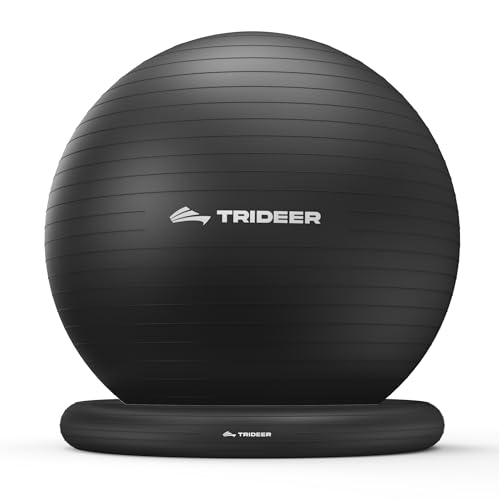


Who Should Buy an Alternative Office Chair?
Buy an alternative only when it solves a specific problem with your current setup. If your standard chair already fits well, an unusual shape may add cost without adding comfort.
People Who Fidget and Want Active Sitting
You shift, lean and change position through the day, and a fixed seat feels confining. A wobble stool or ball chair lets your hips move in small ranges while you type, which keeps your legs and core lightly engaged. Choose a base that moves smoothly without tipping sharply. Start with short sessions, because muscles new to active sitting tire faster than you expect.
Standing Desk Users Who Need a Perch
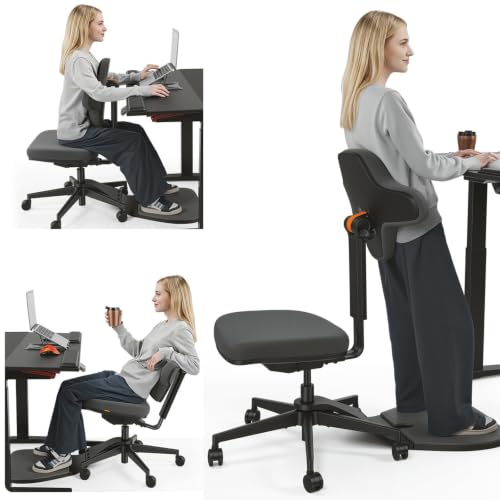
You stand for part of the day but do not want to sit fully down between bouts. A perch stool with a tall height range lets you rest part of your weight while your feet stay on the floor. Look for a wide, stable base and a seat that tilts slightly forward.
People Who Sit Cross Legged or Change Leg Positions Often
You rarely keep both feet flat, and narrow seats with fixed arms block the positions you prefer. A cross legged chair or a wide saddle style seat gives your legs room to fold, tuck or rest to one side. Check seat width and depth, and confirm there are no raised edges where your ankles will rest. Removable or absent arms usually help here.
Key Features to Compare
Compare alternative seating in this order, starting with the position it creates. A low price cannot fix a shape that fights your body or desk.
Type and the Posture Position It Creates
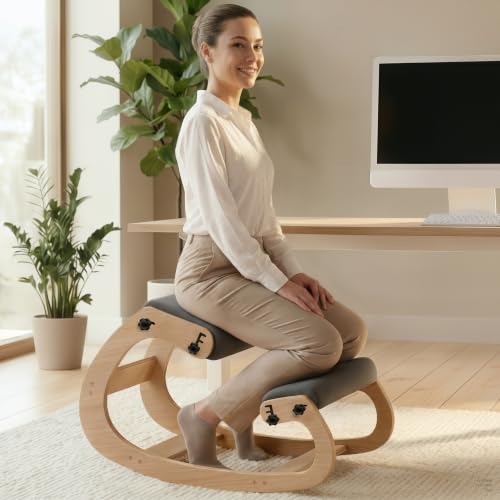
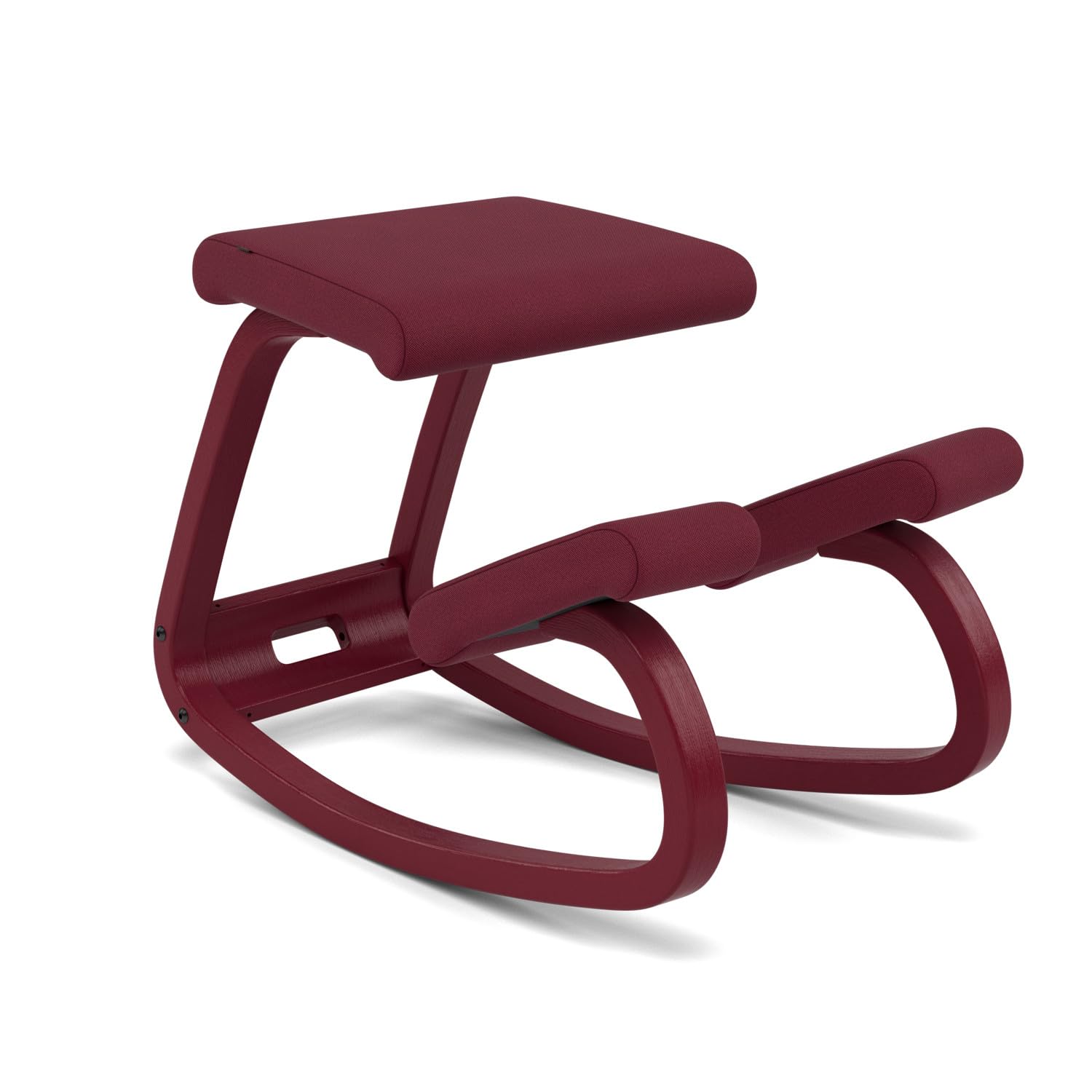
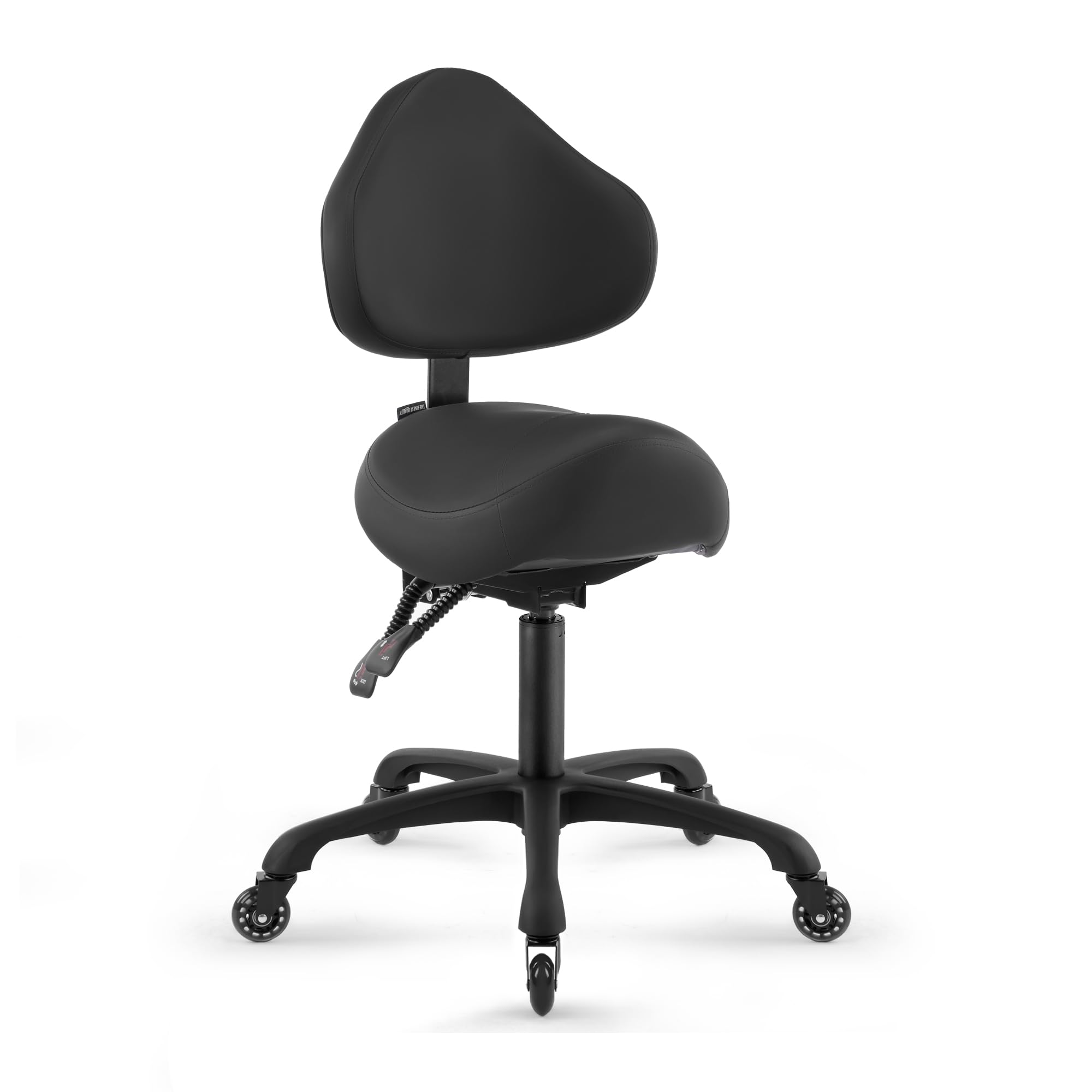
The type decides everything else. A kneeling chair shifts weight to your shins and opens your hip angle, a saddle stool spreads your thighs and keeps your pelvis upright, and a ball chair removes back support entirely. A perch stool keeps you near standing. Decide which position you want for most of your day, then judge other features inside that type.
Seat Height, Desk Fit and Foot Position
Seat height ranges vary far more among alternatives than among standard chairs, and some perch models rise well above a normal desk. Measure your desk underside, then check that your elbows can rest near desk level without lifting your shoulders. Your feet or shins need a steady contact point for balance. If a standard model suits your desk better, see our guide to the best office task chairs.
Back Support and the Lumbar Approach
Many alternatives have no back, a small back, or a curved pad that prompts you to sit upright rather than holding you upright. That tradeoff is the core of this category, so be honest about how long you sit at once. Sharp pain, numbness, weakness, or pain that travels down a leg needs a professional promptly, not a new chair. Talk with your clinician about personal needs before relying on a seating change for ongoing back symptoms.
Cushion Shape and High Density Foam
Foam and shape matter more when the seat is small, as on a saddle or kneeling pad, because your weight rests on a smaller area. High density foam holds its shape longer and spreads pressure more evenly than soft, thin padding that flattens within months. A contoured edge can reduce pressure behind your thighs. Favor firm support over a plush first feel.
Arms, Base Stability and Floor Fit
Adjustable armrests are rare on alternatives, and many designs drop arms completely so you can move closer to the desk and change leg positions freely. If you rely on arms to stand up, note that loss before you buy. Casters roll easily on hard floors but can drift on a wobble base, while glides stay put and suit carpet. Choose a base wide enough that leaning for a drawer does not lift one side.
Weight Capacity, Frame and Movement Range
Check the stated weight capacity and leave a margin, because dynamic sitting loads a frame more than still sitting does. Steel frames and higher grade gas lift parts usually handle daily movement better than thin plastic shells. Note how far the seat tilts, rocks or swivels, and whether a tilt lock holds one angle for focused work. Compact space saving models save floor room, but a small footprint can feel less stable.
Alternative Types Compared and a Quick Buyer Checklist
Kneeling and saddle designs suit people who want an upright pelvis without a tall back. Ball chairs suit short, active sessions and rarely suit a full day at first. Perch and drafting stools suit tall desks and standing desks. Cross legged designs suit flexible sitters who need width more than structure. That is why the best alternative office chairs are best judged by position first and looks second.
Standard ergonomic models take a different route, with a shaped back, lumbar support and full arms. Readers who want that route can compare our guide to the best ergonomic office chair before choosing a backless alternative. Our guide to the best ergo office chairs covers similar standard designs. If cost is the main limit, see our guide to the best office chairs affordable.
Run through this checklist before you order:
- Can you name the position you want, such as kneeling, perching or sitting cross legged?
- Does the seat height range match your desk height and your leg length?
- Can you accept little or no back support for the length of your usual session?
- Does the seat width leave room for the leg positions you use most?
- Is the stated weight capacity comfortably above your weight plus movement?
- Does the seller offer a return window long enough to test a new posture?
Common Mistakes to Avoid
Most returns here come from fit errors, not defects.
- Buying a backless design for full day sitting leaves your back tired by midday.
- Skipping desk measurements leaves a perch stool too tall for your elbows to rest level.
- Ignoring a vague weight capacity risks a frame that flexes and wears out early.
- Choosing a ball chair with no return window leaves you stuck if the size feels wrong.
- Expecting an alternative to fix pain on its own delays care you may actually need.
- Ordering the smallest compact model for a shared desk leaves taller users without leg room.
Care and Maintenance Tips for Alternative Office Chairs
Set the seat height so your feet, shins or perch contact feels steady, and reset it after anyone else uses the chair. Tighten bolts on kneeling frames, saddle bases and stool columns every few months, because movement based designs loosen fasteners faster than fixed chairs do. Stop using a chair that rocks unevenly until you find the loose joint.
Vacuum or wipe upholstery and foam pads regularly, and clean ball chair covers as the maker directs so the surface keeps its grip. Check casters and glide pads for hair and grit that can scratch floors. Keep inflatable seats away from sharp desk edges and direct heat.
FAQ
How long should a good alternative office chair last?
A good alternative office chair should last about five to eight years with daily use. Simple stools with few moving parts often last longest, while inflatable and heavily padded designs wear sooner. Watch for a gas lift that sinks slowly during the day, because that drift is often the first sign a key part is failing.
What features matter most for long hours in an alternative office chair?
For long hours, seat shape, steady foot contact and a surface that does not overheat matter most in an alternative office chair. A small back pad you can lean on briefly helps during calls, even on mostly backless designs. Many people do best by splitting the day, using the alternative for focused blocks and a standard chair for the longest stretch.
Is an expensive alternative office chair worth paying for?
An expensive alternative office chair is worth paying for only when the extra cost buys a stronger frame, a wider height range or a longer trial window. Price alone does not prove a better posture fit. A modest stool that matches your desk and position will serve you better than a costly design in the wrong type.
How do I choose the right size alternative office chair?
Choose the right size alternative office chair by matching seat width, seat height and leg length together, not by height alone. Sit in your usual shoes when you test, because sole thickness changes how a kneeling pad or saddle feels. If two sizes could work, pick the one that leaves your knees and ankles free of hard edges.
Can an alternative office chair replace a standard chair all day?
An alternative office chair can replace a standard chair all day for some people, but most users need a gradual build up. Start with one or two hours, add time over several weeks, and note when tiredness starts rather than pushing through it. Keeping your old chair nearby for the first month makes the switch easier to judge.
The Bottom Line
Start with the position you want, then check height, seat shape and base stability against your desk and floor. Give any new posture a fair trial inside the return window, and note when comfort fades during the day. Use the product table above to compare types, dimensions and prices.
Chosen with that checklist, best alternative office chairs can make desk time feel more varied and less confining than a standard seat. Pick the simplest design that fits your body and your room, and let your own trial make the final call.


