
Best Active Chairs by Budget: How to Spend Well in 2026
Disclosure: We may earn a commission when you buy through links on this page, at no extra cost to you. As an Amazon Associate I earn from qualifying purchases. Learn more

Compare the best active chairs by budget, from wobble stools to saddle seats, with guidance on movement range, height, stability and long term costs.
Prices for movement friendly seating stretch from under $100 to well past $600, and the gap is not always obvious from a photo. The best active chairs match your desk height, your body and the way you shift while you work. This guide shows where extra money helps, so you can read the product table with a clear budget in mind.
Start with how you sit now. If you perch, lean and change position often, a chair that moves with you can feel natural within days. If you want firm back support for long calls, a structured design may suit you better than a simple stool.



Who Should Buy Which Active Chairs?
Your work pattern decides which style of movement feels helpful and which feels distracting. Match the group below that sounds most like your day.
Desk Workers Who Shift Position All Day
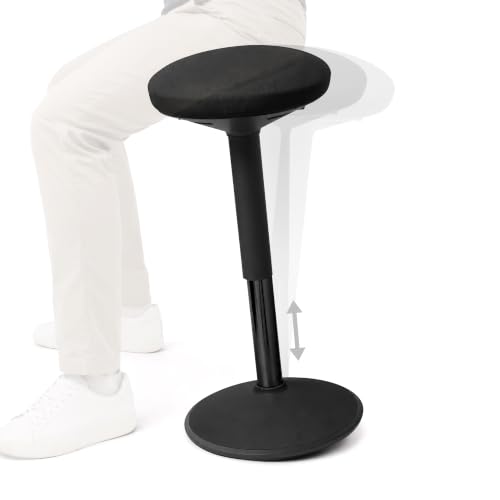
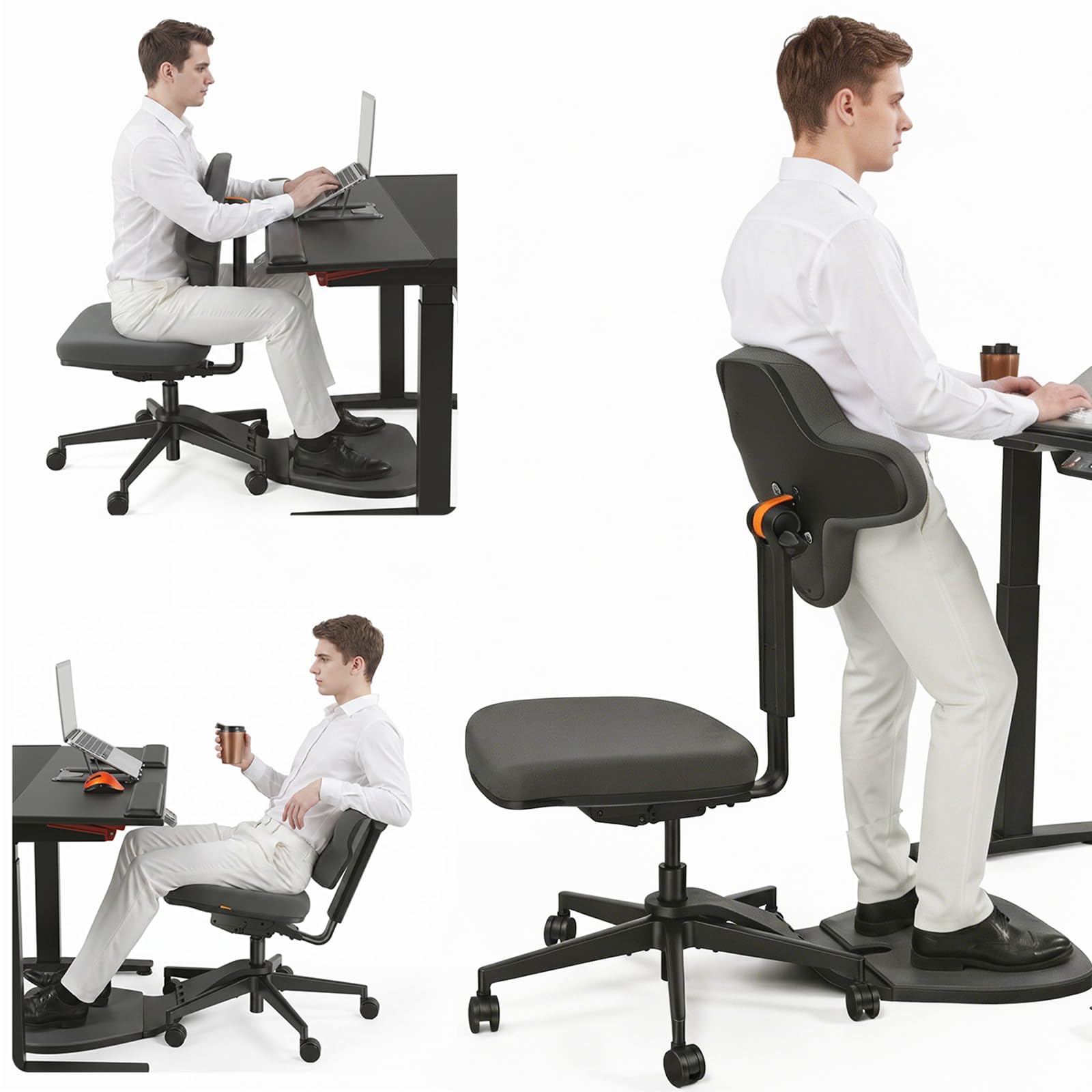
You change posture without thinking, crossing one leg, leaning forward, then sitting tall again. A wobble stool or a tilting saddle seat lets your hips move in small arcs while your feet stay planted, so position changes feel smooth rather than forced. Start with a moderate range of motion, because a very loose base can tire your trunk muscles in the first week.
Standing Desk Users Who Need a Perch Break
You stand for part of the day and want support that keeps you near standing height during short rests. A tall perch stool with a wide, stable base fits well, since you rest part of your weight on the seat while your feet carry the rest. Check that the seat rises high enough for your raised desk.
Students and Home Workers in Shared Spaces
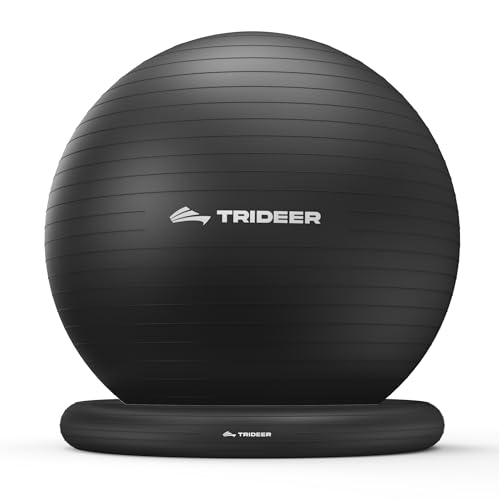
You study or work at a kitchen table or a small desk that also serves other purposes. A compact ball chair or light stool moves easily when the room changes roles. If focus is your main goal, our guide to the best active sitting chairs covers seating built around gentle movement during desk work.
Active seating is not right for everyone. Seek medical advice promptly if sitting brings numbness, sharp back pain, new leg weakness or pain that travels below the knee. This guide covers general fit and comfort only, so talk with your clinician about your personal needs before choosing a chair for an existing back or balance condition.
What Each Price Tier Buys in a Chair That Moves With You
Budget shapes the movement mechanism, the base and the quality of the lift far more than the basic idea. Each tier below describes what you typically gain and give up.
Budget Tier: Simple Movement for About $80 to $180
Budget models usually offer one style of motion, such as a rounded wobble base or a fixed angle perch, with a basic lift and a firm seat. Padding tends to be thin, and height ranges are narrower, so tall or short users should measure with care. This tier suits a first try at active sitting or short daily sessions.
Midrange Tier: Wider Adjustment for About $180 to $350
Midrange designs add a broader height range, a steadier base, and thicker cushioning that stays comfortable past the second hour. Some include a small backrest or a seat that tilts under control. For many home offices this is where the best active chairs balance price against parts that still feel solid after a year of daily use.
Premium Tier: Refined Motion for About $350 to $700
Premium and executive models focus on smooth, quiet movement, stronger lifts and seats shaped to spread pressure across your hips and thighs. You may also find better casters and longer frame coverage. Spending more pays off if you sit for most of the workday or share the chair with another adult.
Key Features to Compare
Compare these factors before you compare colors. Each one changes how the chair feels during real work.
Movement Style and Range of Motion
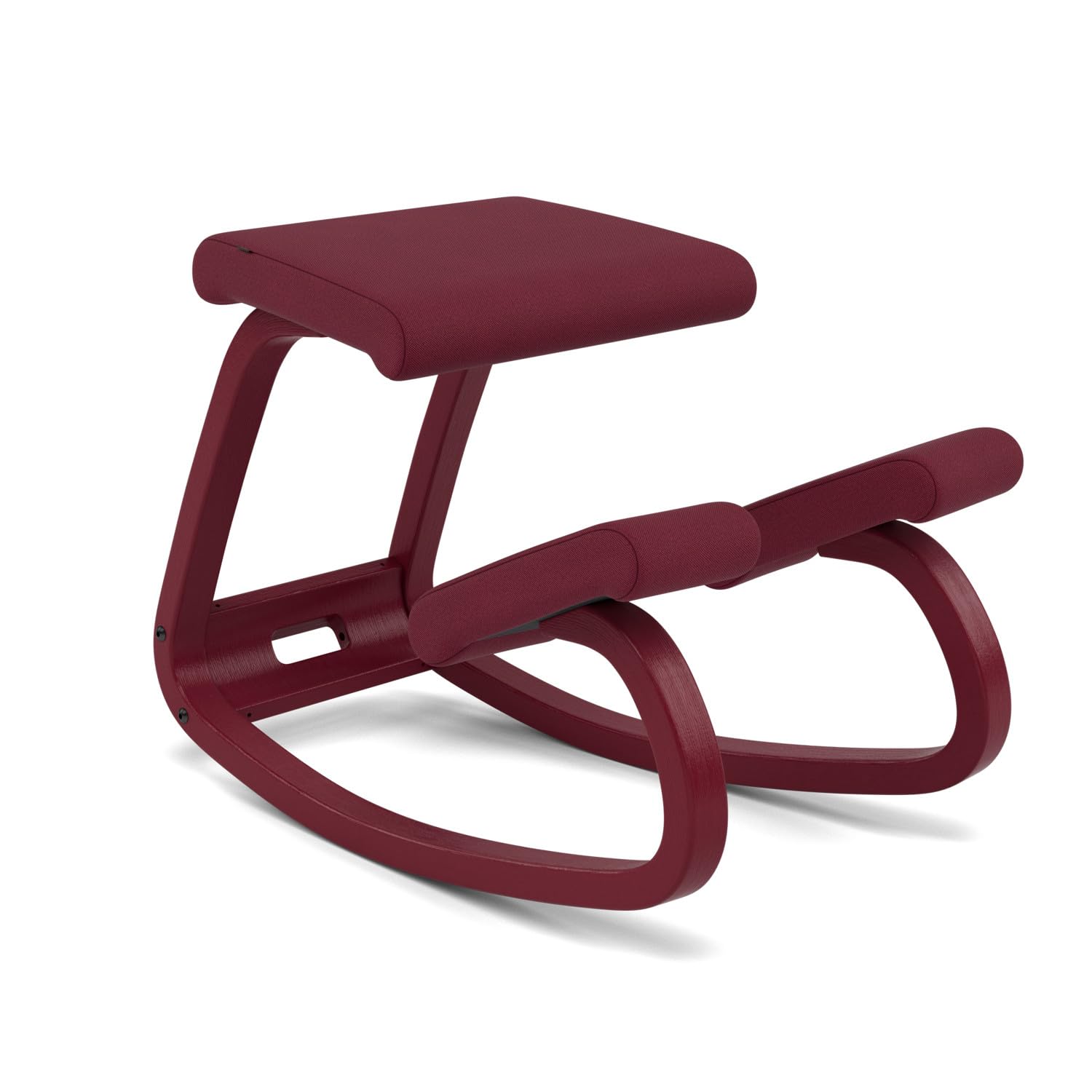
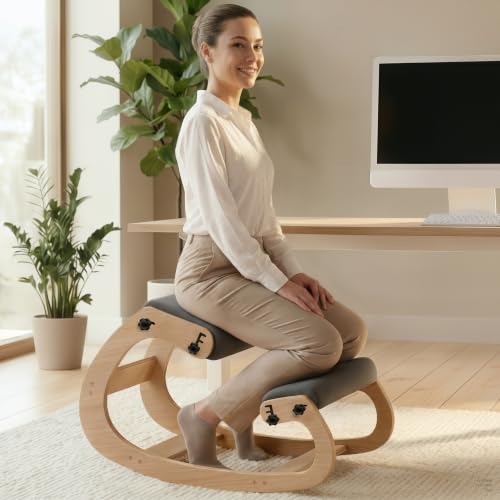
Wobble bases let the seat tilt in every direction, saddle seats encourage an open hip angle, and ball chairs add a soft bounce under you. A wider range of motion asks more of your core and ankles, while a limited tilt feels calmer for calls and focused reading. If you are new to active sitting, choose a design with restricted tilt and build up your sitting time over the first two weeks.
Seat Shape, Padding and Back Support
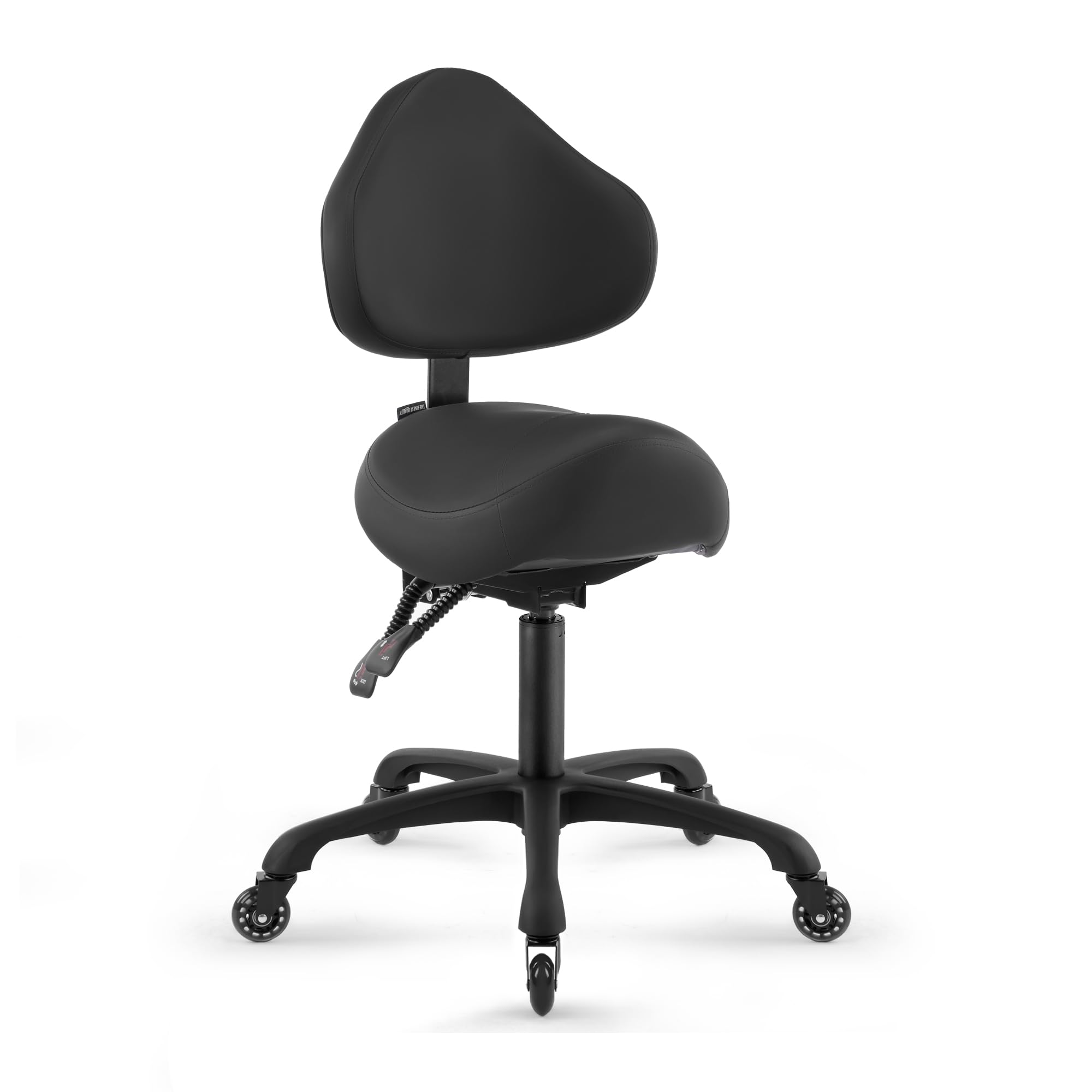
A saddle seat spreads your legs and rotates your pelvis forward, while a round stool seat lets you sit in more positions, including sideways. High density foam holds its shape longer than soft foam, which can compress into a hard pan within months. Most active designs are backless by intent, but some add a low back or modest lumbar support for rest moments. Adjustable armrests appear on hybrid models, yet arms can limit leaning.
Height Range and Desk Fit
Check that the seat range lets your forearms rest level with the desktop while your feet stay flat. Perch models need a higher range, often about 24 to 33 inches at the seat, while standard stools sit closer to 18 to 25 inches. If you share the chair with a partner, a wider range matters more than a fancy seat, and our guide to the best active office chairs shows office focused options for shared desks.
Base Stability, Flooring and Weight Capacity
A moving seat is only useful if the base feels predictable. Look for a wide base with a grip ring on hard floors, and casters with brakes if the chair will roll on wood or tile. Weight capacity on active models commonly runs from about 250 to 330 pounds, and the rating should cover you plus the force of leaning. A floor mat also helps a wobble base move evenly.
Materials, Assembly and Warranty Coverage
Mesh back panels breathe well on models that include a back, fabric seats grip clothing during tilt, and smooth vinyl wipes clean but can feel warm in summer. Assembly is usually simple, often three or four parts and about 15 to 30 minutes. Warranty terms vary widely, so check how long the lift and frame are covered, because those parts carry the load every time the seat moves. Readers comparing fixed desk seating can see our guide to the best office task chairs.
Running Costs and Replacement Parts Over the Years
The purchase price is only part of what an active chair costs over its life. A replacement lift typically costs about $25 to $60, and a quality floor mat adds about $30 to $80. Caster sets and seat covers are smaller costs, yet they add up when a chair is used by the whole household.
Your time counts as a cost too. A chair that squeaks during calls or loses height slowly will cost you focus every day. Weigh a stronger warranty against a lower starting price, because a stool you abandon after six months is the most expensive outcome of all. Shoppers who value build quality may also enjoy our guide to the best quality chairs.
Common Mistakes to Avoid
- Buying the tallest perch stool for a fixed height desk leaves your forearms angled upward and your shoulders tense all day.
- Sitting on a wobble seat for a full workday in week one overloads tired trunk muscles and turns a good idea into a sore back.
- Ignoring weight capacity lets the lift sink slowly and makes the base feel unstable during normal shifting.
- Choosing a backless stool when you know you lean back during long calls sets you up for end of day discomfort.
- Skipping the return window check leaves you stuck with a movement style your body simply dislikes.
Care and Maintenance for Active Chairs
Wipe the seat weekly with a damp cloth, and clean fabric covers according to the maker label so sweat and dust do not break down the foam beneath. Check the base ring or casters each month for grit and hair, because debris makes movement jerky and can scratch floors. Tighten visible bolts under the seat if the chair develops an unwanted wobble.
Work the lift up and down a few times each month so the mechanism stays smooth, and store the chair away from radiators and strong sun, which dry out vinyl and fade fabric. If the seat starts to sink, replace the lift.
Frequently Asked Questions
Is an expensive active chair worth the extra cost?
An expensive active chair is worth it mainly when you sit for most of the day and need smooth motion plus a lift that holds its height for years. Casual users who sit for an hour of study each evening rarely feel the difference. Premium bases also tend to move between rooms more quietly.
How do I choose the right size active chair for my desk?
Choose the size by testing your seated elbow height against your desktop before you order, using a stack of books to simulate seat heights at home. Your feet should reach the floor or a foot ring without dangling. If your desk sits lower than standard, check the lowest seat setting rather than the tallest.
How long should a good active chair last with daily use?
A good active chair should last about five to eight years with daily use, with the lift and seat foam usually wearing first. Chairs used by children as play equipment wear much faster, since standing on a tilting seat strains the base joint. Rotating between two chairs on alternate days can extend the life of both.
What active chair features matter most for long hours?
For long hours, a controlled tilt range and firm, even padding matter most, because both reduce the small strains that build up by afternoon. A foot ring helps if your feet do not rest flat at working height. Plan short standing breaks as well, since no seat replaces getting up and walking.
Our Verdict
Decide your movement style first, confirm the height range against your desk, and then pick the highest tier your budget allows for lift and base quality. Budget stools suit short sessions, midrange designs suit most home offices, and premium motion earns its price for full workdays. Use the product table to compare ranges and ratings.
Chosen with those checks, the best active chairs turn sitting into small, comfortable position changes instead of one fixed posture held for hours.


