Best Active Stage Monitors: A Buyer Checklist for 2026
Disclosure: We may earn a commission when you buy through links on this page, at no extra cost to you. As an Amazon Associate I earn from qualifying purchases. Learn more

A plain checklist for choosing the best active stage monitors: driver size, power, coverage, feedback control and price bands.
The word monitor names two unrelated products, and confusing them wastes money. A stage monitor is a loudspeaker in a wedge shaped cabinet that lies on the stage floor and aims sound up at a performer. It is not a screen. Readers who arrived from a guide to best gaming monitors are shopping for a picture; the best active stage monitors in this guide produce sound, and every criterion below is a loudspeaker criterion.
Active means the power amplifier is built into the cabinet, so the box needs only a signal cable and a power cable. This checklist works through the driver, the power rating, the coverage pattern and the cabinet in that order, then finishes with price bands and the red flags that mark a weak monitor. Use it alongside the product table.


Key Features to Compare
Driver Size and Horn Classes
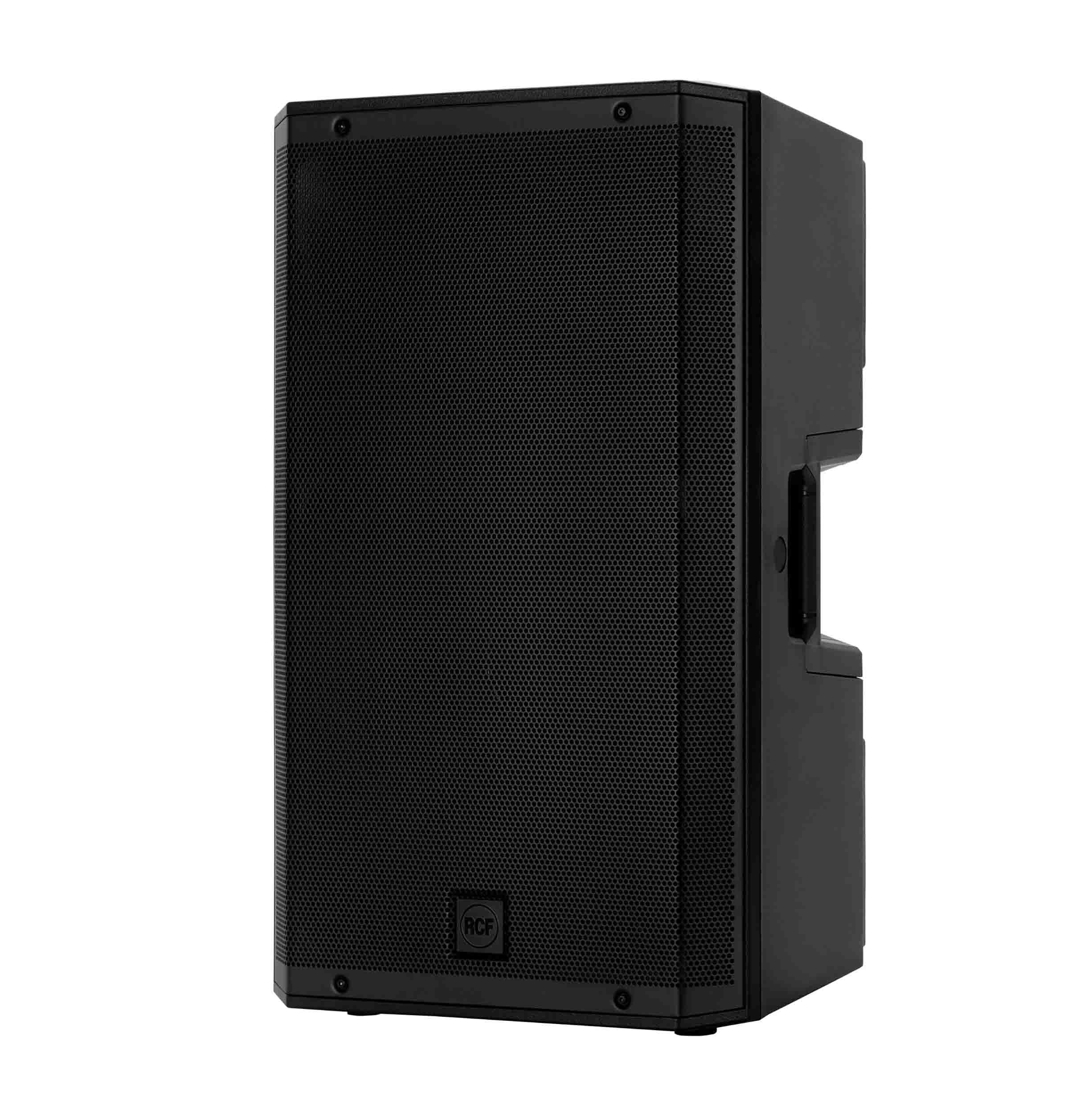
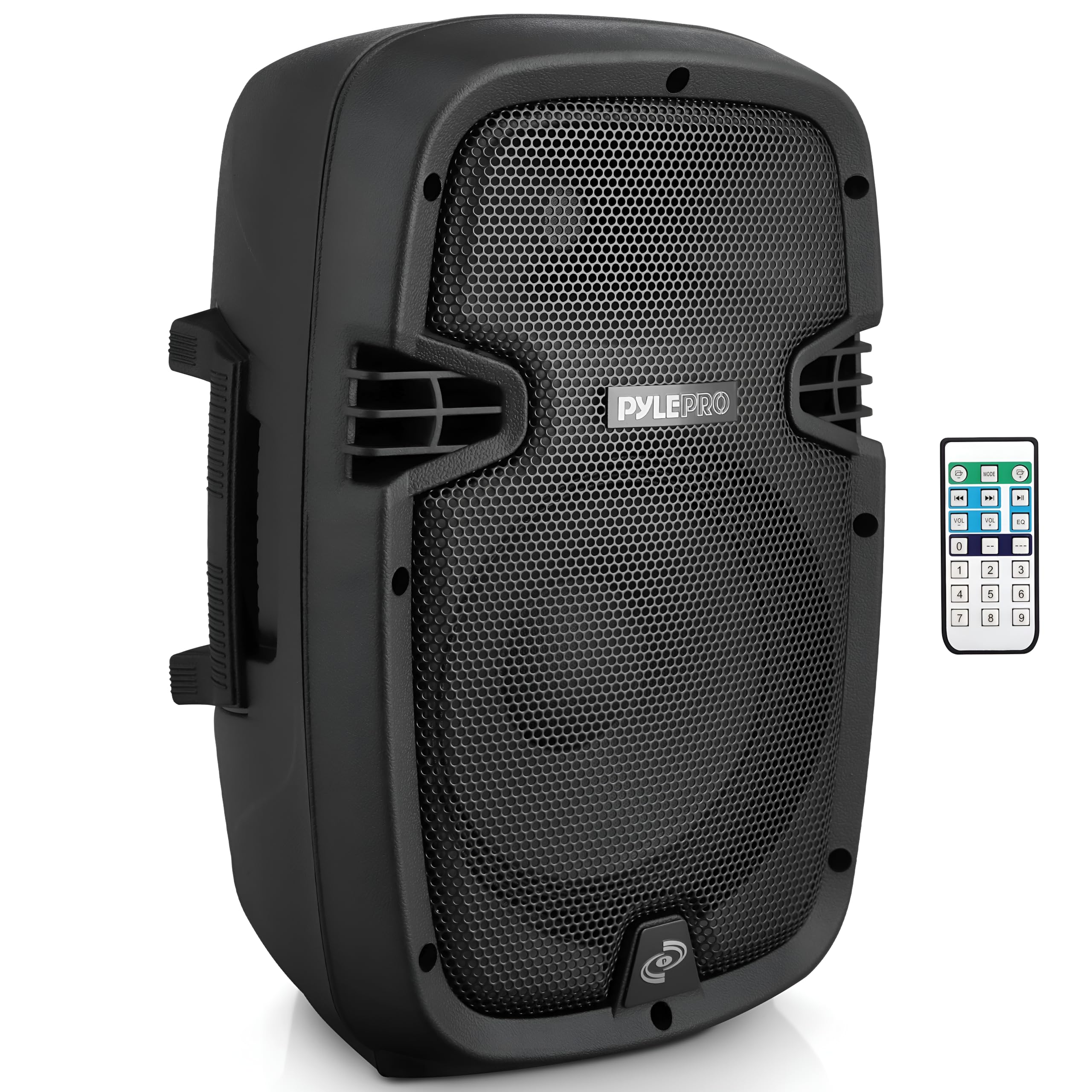
The driver is the cone that moves the air, and stage monitors use 8, 10, 12 or 15 inch classes. Smaller drivers keep vocals clear at close range and suit acoustic acts, while larger drivers move more air for drums and bass heavy bands. A separate horn handles the high notes on most designs, though coaxial models place the horn inside the driver for a single point of sound. Our broader guide to best stage monitors also covers passive wedges, which need a separate amplifier for every box.
Power Ratings and Headroom
Active means the amplifier class is built in, matched to the driver by the maker. Power figures are maker figures, so read them against the room class you play: a rating that fills a rehearsal room says little about a brick walled club. What matters is headroom, the clean volume left above your working level before distortion starts.
A monitor that strains sounds harsh and invites you to turn up further. Our guide to best powered monitors stage compares cabinet shapes across the same powered designs.
Coverage Pattern and Wedge Angles
Coverage describes the shape of the sound leaving the box, given as a horizontal and vertical spread. A wedge that spreads wide covers two singers sharing one mix, while a narrow pattern keeps sound off the side walls. Most cabinets offer two floor angles, one for standing performers and a steeper one for seated players. A pole socket in the side lets the same box work as a small main speaker for announcements or acoustic sets.
Feedback Control and Placement
Feedback is a placement fact before it is an equipment fault. The squeal starts when the microphone hears itself through the wedge, so distance and aim decide most of it. Point the wedge at the ears of the singer, not at the microphone, and keep the microphone behind the line of the cabinets.
Small cuts on the monitor equaliser at the mixer tame the remaining hot frequencies. Good placement buys more clean volume than a bigger amplifier ever will.
Level Setting and Hearing Care
Stage volume is a hearing fact, not just a comfort setting. A monitor placed close and aimed at the ears can be run at a lower level and still be heard clearly, which is kinder to ears across a long tour. Set levels during soundcheck at show volume, then resist raising them mid set as ears tire.
Built in limiters on some models guard against sudden peaks. Singers who always ask for more should first check the wedge angle before reaching for the level control.
Inputs, Outputs and Daisy Chaining
Most active wedges take a line level signal through a combination socket that accepts both common cable ends. A thru output passes the same mix to the next wedge, so several boxes can share one monitor mix in a chain. Separate inputs on some cabinets let a player blend a click track or a personal mixer with the house mix.
Check the control layout too: a volume knob and a simple tone control on the cabinet save trips to the mixer during a show. The same built in amplifier idea runs through our guide to best active monitors, which spans studio and stage models.
Cabinet Build and Carry Weight
Cabinets come in moulded plastic and plywood classes. Plastic keeps weight down, often under 12 kilograms for a 12 inch model, and shrugs off rain at outdoor sets. Plywood feels sturdier under touring abuse and is easier to repair.
Handles, rubber feet and a tough grille decide how the box survives load in and load out. Weight matters here: you will carry this box up venue stairs far more often than you will read its frequency chart.
What the Price Bands Cover
Entry Band for Rehearsal Rooms and Small Stages
Models at about $150 to $300 use 8 or 10 inch drivers, modest power and simple cabinets. They suit rehearsal rooms, coffee house sets and worship teams on small platforms. Expect fewer inputs and no advanced processing, but the sound at close range is honest.
Working Band for Clubs and House Bands
The about $300 to $600 band brings 12 inch drivers, more headroom and sturdier cabinets. This is the working range for club stages, wedding bands and houses of worship with full drum kits. Daisy chain outputs and pole sockets appear here, along with better limiters.
Touring Band for Large and Outdoor Stages
At about $600 to $1,200, cabinets get lighter for their output, coverage control improves and rigging points appear. Touring acts and festival stages live in this band, where a box must survive daily transport and still deliver high clean levels to drummers and loud guitarists.
Quick Buyer Checklist
With the product table in view, work through these questions before you order.
- Is the cabinet a true floor wedge with at least two working angles?
- Does the driver size match your act: smaller for vocals, larger for drums and bass?
- Is the power rating quoted as a continuous figure, not only a peak number?
- Can you chain a second wedge from a thru output on one mix?
- Does the cabinet have a pole socket for small room main speaker duty?
- Can you carry the box up a flight of stairs alone, comfortably?
- Is there a limiter or feedback friendly tone control on the cabinet?
Red Flags to Watch For
- Power quoted only as a peak figure, with no continuous rating anywhere on the sheet.
- No coverage angles published, which usually means the pattern is uneven and hard to aim.
- A touring price on a cabinet with no pole socket, no chain output and thin plastic walls.
- A warranty measured in months rather than years on a box built for stage floors.
- Controls limited to a single volume knob, leaving all tone shaping to a distant mixer.
Picking the Right Active Stage Monitors for Different Uses
Best Small Active Stage Monitors
Small wedges use 8 or 10 inch drivers and cabinets you can carry in one hand. They suit seated performers, acoustic duos and keyboard players who sit close to their sound. Place them near and aim them carefully, because their lower power rewards good placement. Our guide to best small stage monitors also includes passive models for rigs that already own amplifiers.
Full Bands on Club Stages
A loud band needs 12 inch drivers and the headroom to keep vocals above drums and guitar amps. Give the singer a dedicated mix first, then add wedges for the players who ask. Two wedges at a moderate level beat one wedge driven to distortion.
Drummers and Loud Stages
Drummers sit inside the loudest pocket on stage, surrounded by cymbals and the kit itself. A 15 inch class wedge or a wedge paired with a small subwoofer keeps the kick drum present. Angle the box at the head of the drummer, not at the kit microphones, to hold feedback off.
How to Make Your Active Stage Monitors Last Longer
Wipe grilles and cabinets with a dry or barely damp cloth, and never spray cleaner into the driver or the horn. Use padded covers or cases in transport, since most damage happens in vans and stairwells rather than on stage. Keep amplifier vents clear of dust and stage haze residue so the built in amp can cool itself.
Store the boxes indoors in dry air, and coil signal cables loosely to protect the connectors. A wedge treated this way works for many seasons of shows.
Active Stage Monitors: Your Questions Answered
What driver size should I choose for active stage monitors on a small stage?
Choose an 8 or 10 inch class driver for a small stage. Smaller wedges sit closer to the performer, so aim matters more than raw power, and vocals stay clear at modest levels. Larger drivers on a cramped stage excite the room and invite feedback. If one wedge must cover two singers, pick the wider coverage pattern rather than a bigger cone.
How much power do active stage monitors need for a club stage?
Most club stages are served by wedges rated in the few hundred watt class, but the printed figure matters less than headroom. A monitor running comfortably below its limit sounds cleaner than a smaller one at full stretch. Remember that two wedges at a moderate level give the band more than one wedge turned up until it distorts.
Can active stage monitors double as main speakers for a small room?
Yes, most active wedges have a pole socket and can serve as small main speakers for rehearsals, ceremonies and acoustic nights. Their coverage is designed for short throws, so they suit rooms where the audience sits close. Low bass is the limit: without a subwoofer, kick drum and bass guitar stay thin, while vocals and acoustic instruments carry well.
How do I stop feedback from active stage monitors during a show?
Start by keeping every microphone behind the line of the wedges, and never let a singer cup the microphone, because cupping widens its pickup and aims sound back at the wedge. Ring out the system before doors by raising levels slowly and cutting the first ringing frequencies. Small placement changes beat large volume changes.
How long do active stage monitors last before parts wear out?
A well kept active wedge works for many years of regular shows. The parts that wear are the driver surround, the cooling fan on the amplifier and the input connectors, all of which a repair shop can service. Keeping vents clear of dust slows amplifier wear more than any other habit. Cabinets usually outlast the electronics they carry.
Final Thoughts
Run every candidate through the same short check: right driver class for your act, honest headroom for your room, a coverage pattern you can aim, and a cabinet you can carry. Comparing with the product table will sort most models quickly. Chosen that way, the best active stage monitors for your stage are the ones your singers can hear clearly at a level their ears can keep, night after night.