Best Active Ceiling Speakers Made Simple: A Clear Buying Guide for 2026
Disclosure: We may earn a commission when you buy through links on this page, at no extra cost to you. As an Amazon Associate I earn from qualifying purchases. Learn more

Shopping for the best active ceiling speakers for the first time? Learn the terms, compare options, and avoid rookie mistakes with this easy guide.
Buying ceiling audio for the first time can feel confusing because the speakers disappear into the ceiling while the wiring and power choices stay hidden too. This guide starts with the plain basics, then walks you through sound, placement, and connections in simple steps. If you are shopping for best active ceiling speakers, you will finish knowing what to measure, what to ask your installer, and what you can safely ignore.
Use the product table as a quick reference for the best active ceiling speakers once you know your room size and ceiling type. Most first time buyers do best choosing fewer speakers placed well over many speakers placed at random.




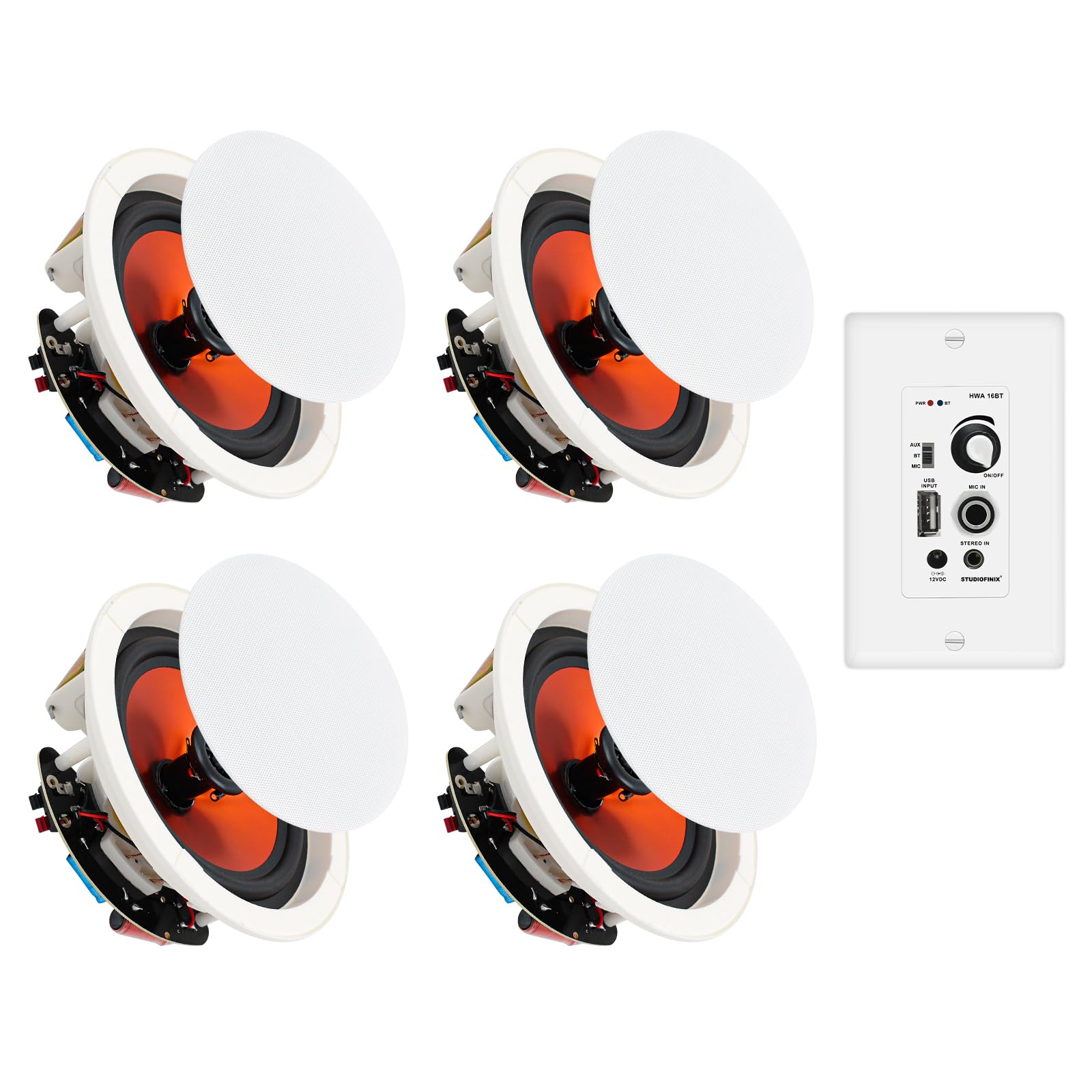

Active Ceiling Speakers 101: The Basics
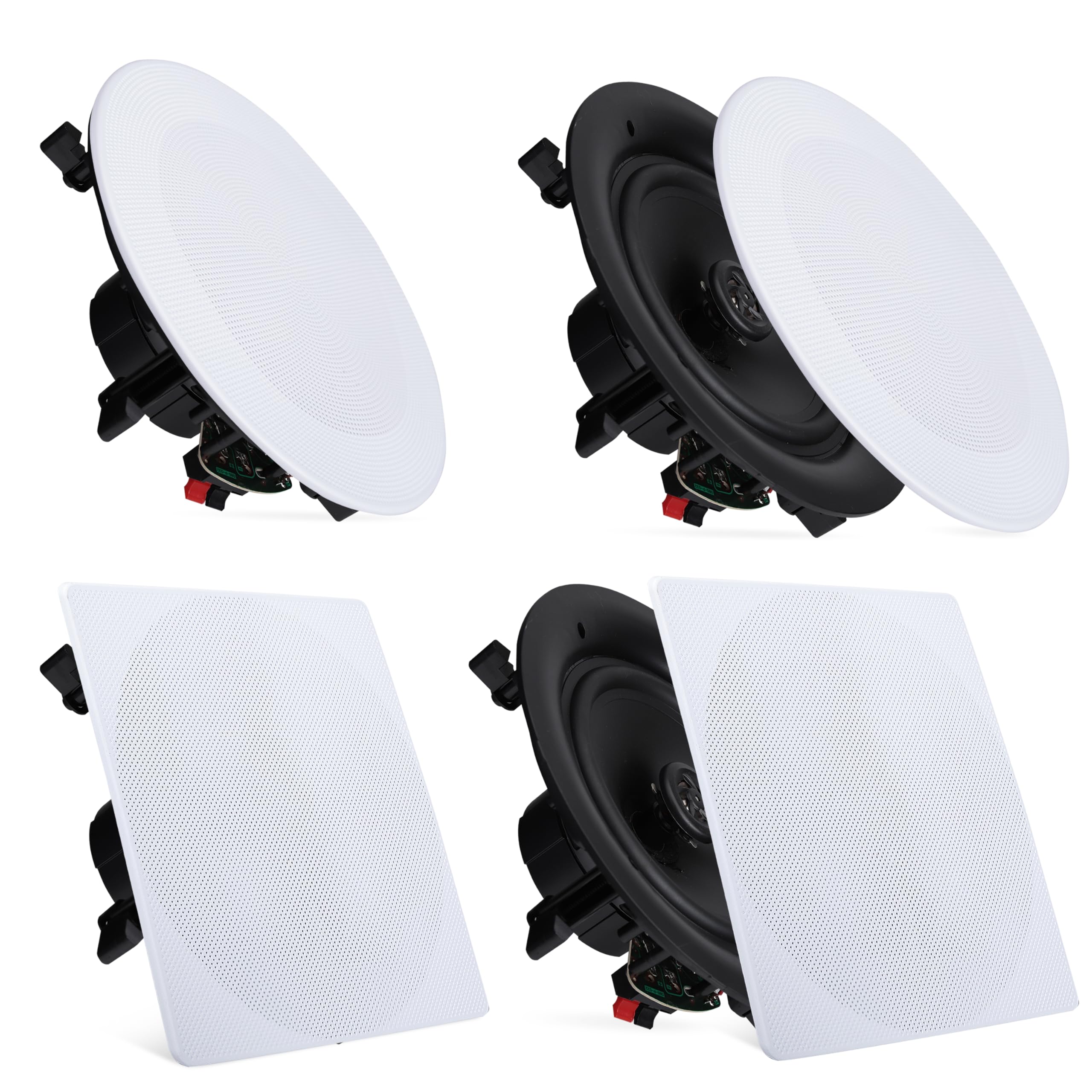
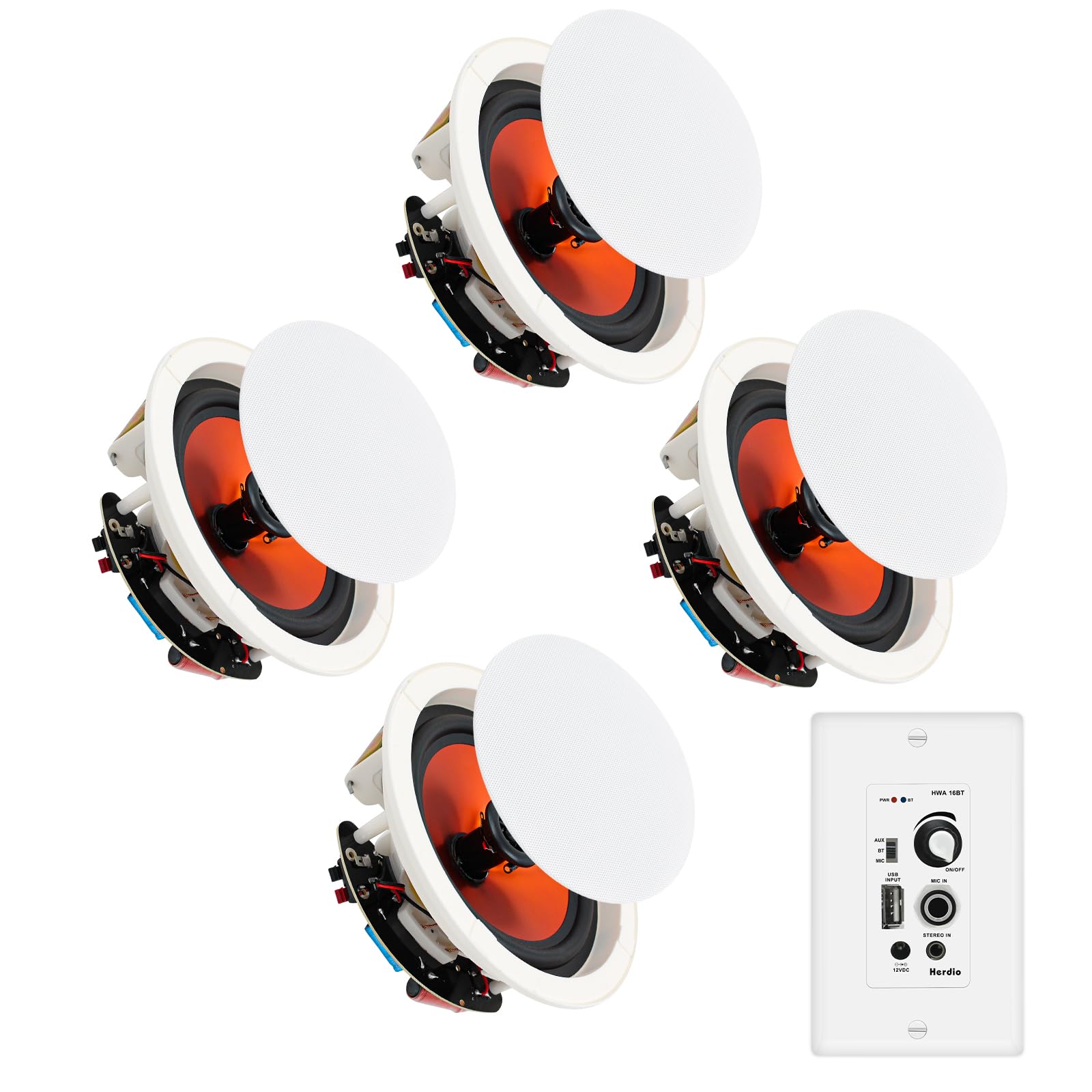
An active ceiling speaker has its own amplifier built inside the housing or in a matching module, so it does not need a separate receiver to drive it. You still need power at or near the speaker and a way to send it music, usually through Bluetooth, WiFi, or a wired input from a wall control or source unit. A passive ceiling speaker, by contrast, needs an external amplifier for every zone.
That built in amplifier is the main advantage and the main planning task. Sound can be clean and simple, with no large receiver in a cabinet, but you must confirm how power reaches each unit and how you will control volume in each room. Ask whether the system uses a power supply in the ceiling, a central power hub, or a plug in adapter, and write that plan down before you cut any holes.
For broader background on passive and active options, see our guide to the best ceiling speakers and compare how much equipment each approach needs.
Key Specs Explained in Plain English
Sound Quality and Tuning
Driver size shapes how full the sound feels. Small drivers around 4 to 5 inches suit hallways and bathrooms where you listen at low volume. Drivers around 6 to 8 inches move more air and give kitchens and living rooms warmer voices and fuller music. Frequency response tells you the range the speaker claims to reproduce, but the shape of the tuning matters more in daily use. A neutral tuning keeps voices clear for podcasts and news, while a bass lifted tuning can sound exciting at first and tiring over a long dinner.
Look for a tone control or app equalizer if your room has hard floors and glass, because those surfaces add brightness. A simple treble trim can calm that edge without new speakers.
Noise and Room Distraction
Ceiling speakers do not use active noise canceling the way headphones do, and you should not pay extra for that claim here. What matters is how well the speaker stays clear at low volume so you do not need to raise it over kitchen noise, shower water, or conversation. A speaker with good clarity and a wide dispersion pattern lets every seat hear speech without one spot becoming loud.
Isolation in this setting means keeping sound in its zone. Closed back designs, sometimes called back boxes, reduce sound leaking into the room above and help with fire and insulation rules in some homes. Ask your installer whether your ceiling needs them.
Placement and Room Size
Placement decides more than any spec sheet. For even coverage, space speakers so their sound overlaps softly at listening height, and keep them away from corners where bass builds up. A small bathroom may need only one stereo input speaker, while a long kitchen often needs a pair spaced along the work zone rather than clustered over an island.
Think in zones before you think in pairs. If you cook while others watch television in the same open space, separate zones with separate volume control will matter more than a larger driver. If the room is mainly for background music, aim for even, gentle coverage and read our notes on the best ceiling speakers for music for layout ideas.
Build, Grille, and Ceiling Fit
Instead of comfort in the headphone sense, judge fit by cutout size, mounting depth, and grille style. Measure the space between joists and check for pipes, ducts, and recessed lights before you commit to a cutout diameter. Some ceilings are shallow, and a deep speaker housing will not sit safely above the drywall.
Grilles should sit flat, hold with magnets or firm clips, and be paintable if you want them to match the ceiling. In bathrooms and covered outdoor areas, look for moisture resistant materials and sealed parts. Weight matters for the mounting tabs too, since a heavy unit on thin drywall needs proper support.
Connectivity
Most active ceiling systems connect through Bluetooth, WiFi streaming, or a wired line input, and each suits a different habit. Bluetooth is simple for a single room and a phone, but range through walls can be short and only one person controls the source at a time. WiFi handles whole home grouping, steadier range, and voice assistant control where supported.
Wired inputs still sound the most stable and avoid delay, which matters if the ceiling speakers will play television sound. Ask about delay figures if you plan to watch video, and confirm which source becomes the master speaker in a pair. If you also own shelf units, our guide to the best active speakers explains how powered designs differ across formats.
Rookie Mistakes to Avoid
- Cutting holes before checking power. Active units need power at the speaker or a planned hub, so confirm the electrical route before drywall work starts.
- Choosing by watt numbers alone. Watt claims vary by method, and a modest rated speaker placed well will sound better than a loud rated speaker in a corner.
- Forgetting volume control per room. One shared volume for a kitchen and a bedroom will annoy someone every day, so plan zones early.
- Ignoring ceiling obstacles. Joists, ducts, and lights decide where speakers can actually go, not just where a diagram looks neat.
- Mixing delay prone sources with television. Some wireless links add lag, so test the planned source for video use before a full install.
Getting Started: Setup and First Use
Start by confirming power is off at the breaker before any ceiling or wiring work, and hire a licensed electrician where local code requires one for in ceiling power. Mount one zone first, connect the master unit, and play familiar music at low volume to check for rattles from loose grilles or nearby light fittings. Small rattles are easier to fix before the remaining speakers go in.
Next, set each zone volume, name the rooms clearly in the control app, and update the firmware if the maker provides updates through that app. Keep the grille tool, spare grille, and cutout guide in a labeled envelope so future painting or service is simple. If a turntable will feed the system through a preamp, our guide to the best active speakers for turntable covers grounding and input basics that also apply here.
For safety, never install a powered unit where water can pool on it, and follow local fire codes for speakers in ceilings between floors. If you smell overheating or hear buzzing from the power supply, switch off the zone and have it inspected.
FAQs
Do I need a special codec for active ceiling speakers?
No, you do not need a special codec for normal ceiling speaker use. Standard Bluetooth and WiFi streaming carry music well for background listening and most living rooms. A higher quality codec can help only if both your phone and the speaker support it and you listen closely at higher volume. For television, a wired link or a low delay mode matters more than codec branding.
What IP rating do I need for outdoor use with active ceiling speakers?
For a covered porch ceiling, look for moisture resistance and sealed construction rather than a headline IP number alone. Fully exposed locations need a unit clearly rated for outdoor use and protected power connections, installed to local electrical code. Indoor only speakers should never go over an outdoor cooking area, even under a roof, because steam and grease shorten their life.
Is noise canceling worth the extra cost for ceiling speakers?
No, noise canceling is not a feature worth paying for in ceiling speakers. That technology belongs to headphones worn on your ears. Spend instead on clear voice tuning, separate zone control, and closed back housings if sound leaking between floors worries you. Those choices change what you hear every day, while a canceling label on a ceiling unit does not.
Wired or wireless: which sounds better for ceiling speakers?
A wired connection usually sounds the most stable and keeps television audio in sync. Wireless sounds very good for music when the network or Bluetooth link is strong, and it gives you easier control from a phone. Many homes use both, with wired feeds for the main living zone and wireless control for volume and grouping. Choose based on reliability in your walls, not on format loyalty.
How long does the battery last in active ceiling speakers?
Active ceiling speakers do not run on a battery in normal home installs, so there is no battery life figure to compare. They draw mains power through their planned supply, which is why the power route belongs in your earliest planning. If a seller lists battery hours for a ceiling model, you are likely looking at a portable speaker instead, so check the product type carefully.
Final Thoughts
Focus on three things and the choice gets simple: a power plan that suits your ceiling, placement that covers the room evenly, and zone control you will actually enjoy using. Compare your final shortlist with the product table, and check cutout size and mounting depth one last time before ordering. The right best active ceiling speakers should fade into the ceiling while the music and voices stay clear at the volume you use most. If you prefer a simpler powered setup in another room, see our guide to the best active powered speakers for related options.