
Best Action Cameras for Snowboarding Made Simple: A Clear Buying Guide for 2026
Disclosure: We may earn a commission when you buy through links on this page, at no extra cost to you. As an Amazon Associate I earn from qualifying purchases. Learn more

Shopping for the best action cameras for snowboarding for the first time? Learn the terms, compare options, and avoid rookie mistakes with this easy guide.
Spec sheets for action cameras read like a foreign language of sensors, frame rates and field of view numbers. This guide translates them. It walks through the basics first, then the specs that actually change your footage on snow, so you can choose the best action cameras for snowboarding with confidence instead of buying the longest feature list. Everything here is written for a first time buyer, in plain English, one decision at a time.
Two ideas run through the whole guide. Cold weather rewrites the battery rules, so a camera that lasts all day at the beach can die before lunch on a lift. And a camera you cannot operate with gloves on is the wrong camera, no matter how good its sensor is. Keep those two ideas in mind while you work through the specs and the product table.

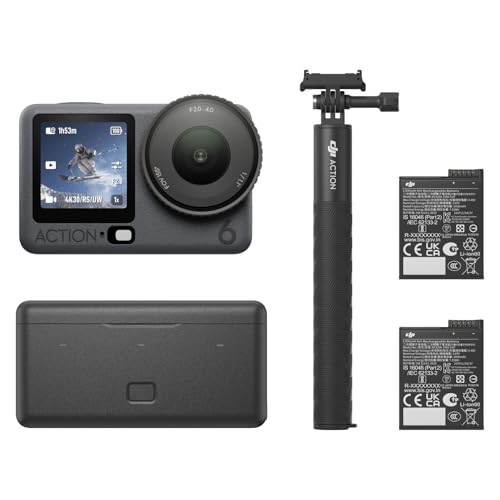


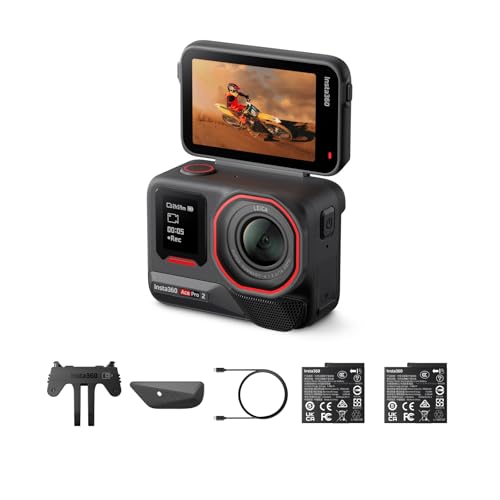

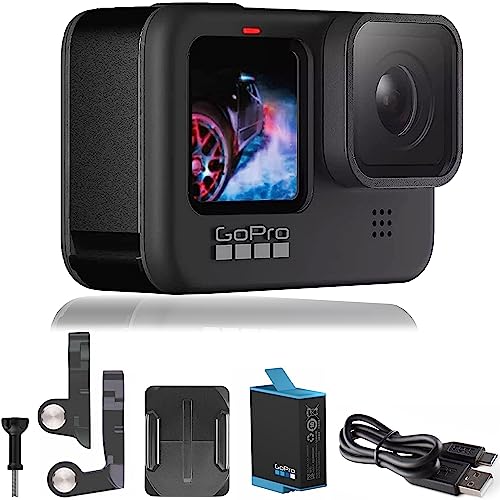
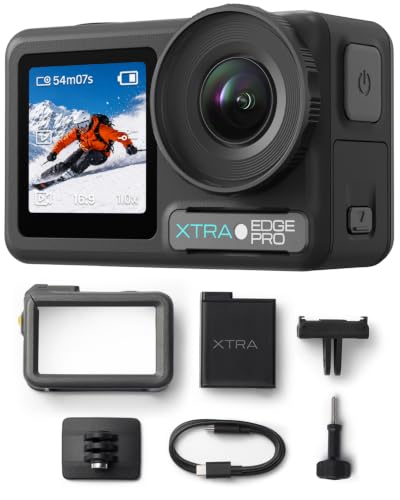

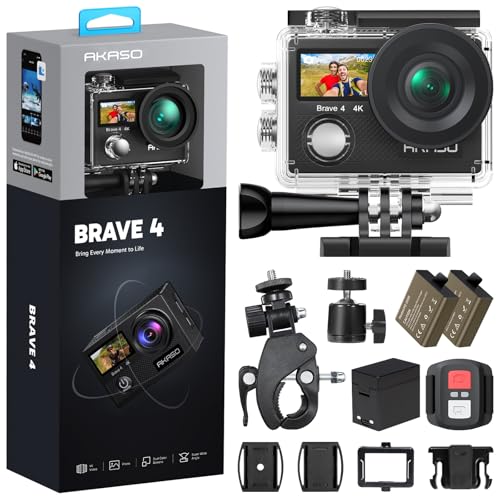
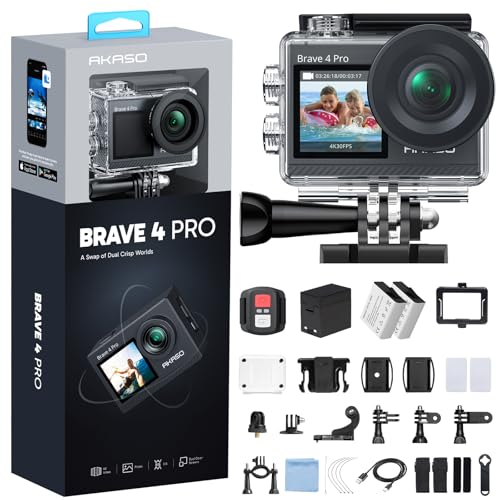
Action Cameras 101: The Basics
An action camera is a small, rugged video camera built to be mounted rather than held. It records a very wide view, survives drops and water that would end a phone, and runs from one big simple record button. Snowboarders mount one on a helmet, a chest harness or a short pole, then forget it and ride. The footage is point of view video: your board, the slope and your friends filling the frame.
If you are still deciding whether this camera style suits you, our overview of best action cameras covers the general category, and our guide to best cameras for snowboarding adds phones and compact cameras for resort shooting. Prices fall into three rough bands. Entry models run about $100 to $200 with basic 4K video and shorter battery life. The middle band, about $200 to $350, adds stronger stabilisation and swappable batteries.
Top models run about $350 to $550 with the largest sensors and the longest cold weather runtime. For most first time buyers, the best action cameras for snowboarding sit in that middle band. Shoppers on the tightest budget can start with our guide to best inexpensive action cameras and accept shorter runtime as the main trade.
Key Specs Explained in Plain English
Seven specs decide how a camera behaves on the mountain. Read them in this order, because the first two rule out more cameras than the rest combined.
Battery Life in the Cold
Cold is a battery fact before it is anything else. Low temperatures slow the chemistry inside a lithium battery, so a rating measured in a warm room can shrink to half on a windy lift. The known failure is a camera that dies mid run with the best light of the day still ahead.
Treat a spare battery as part of the purchase, not an accessory: carry it in an inside pocket where body heat keeps it warm, and swap it at the lodge. Cameras with removable batteries beat sealed designs here, because a sealed camera with a flat battery is done for the day.
Controls You Can Use With Gloves
You will start and stop recording with thick gloves on, often on a moving lift. Controls are read with gloves on: a large record button you can find by touch, a mode button that clicks with feedback, and raised edges your fingers can locate without looking. Touchscreens are the weak point, since most ignore gloved fingers or answer them late.
Voice control helps as a second channel, so learn the few spoken commands your camera listens for. A front screen matters too, because it lets you check framing on a selfie pole without removing the camera.
Stabilisation and Frame Rates
Stabilisation figures are maker figures, measured in controlled conditions, so treat the labels as a class guide rather than a promise. Electronic stabilisation smooths the shaking of a carved turn by cropping the edges of the frame, and stronger settings crop more. Resolution and frame rate trade against it: 4K at 60 frames per second is the working standard for most riders, while 120 frames per second slows a jump or a powder spray into smooth slow motion. Our guide to best action video cameras covers frame rate choices for video first shooting in more depth.
Sensor Size and Image Quality
The sensor is the light gathering chip, and bigger sensors collect more light per pixel. Action cameras use small sensors, often described by fractions of an inch, and the larger classes handle dusk and tree shade better. Megapixels matter less than sensor size, because more pixels packed onto the same small chip can add noise. Snow adds a twist: bright slopes fool automatic exposure into dimming the scene, so look for an exposure compensation control you can set before a run.
The sensor trade offs mirror those in our guide to best digital cameras.
Durability and Weather Sealing
A snowboarding camera gets buried in powder, knocked against lift rails and soaked during spring slush. Waterproof ratings tell you the sealed depth class, and most current models are sealed for shallow water without a housing. For snow, the details that matter are a replaceable lens cover, since one scratch ends the lens, and buttons that still move with ice in the seams. Fogging can cloud the lens when a warm camera meets cold air, so store the camera cold before a session rather than in a warm car.
Ease of Use for Your Skill Level
Beginners should value automatic modes that simply work. Auto exposure, auto white balance and a simple video mode mean you press one button and ride. Companion apps transfer clips to a phone for quick edits, and the better apps connect without a password dance each time.
Avoid menus with deep custom profiles at this stage: settings you cannot find with cold fingers might as well not exist. As your editing grows, manual controls and flat colour profiles become worth the learning curve.
Size, Weight and Ergonomics
Most action cameras weigh about 100 to 160 grams, light enough that a helmet mount is felt more than the camera itself. Shape matters more than weight: a tall narrow body wobbles on a chest harness, while a low wide body sits flat and steady. Check the mount ecosystem before you buy, because helmet, chest and pole mounts are maker specific systems rather than shared parts. A camera that shares mounts with your riding partners lets you swap angles and borrow spares on the mountain.
Rookie Mistakes to Avoid
- Buying on megapixels alone: sensor size and stabilisation change snow footage far more than a bigger pixel count.
- Trusting the warm weather battery rating: cold runtime is the real number, and a spare battery is part of the budget.
- Choosing a touchscreen only camera: menus you cannot reach with gloves on will stay untouched all season.
- Spending the whole budget on the camera: mounts, memory cards and a second battery can add about $40 to $80.
- Leaving the lens cover at home: one fall onto ice can scratch an unprotected lens beyond repair.
Getting Started: Setup and First Use
Charge both batteries and format the memory card in the camera before your first day, since formatting at home beats troubleshooting on a lift. Set your resolution, frame rate and stabilisation once, at the kitchen table, while your fingers are warm. Check the mount angle with a short run of hallway footage so the horizon sits where you expect.
On the mountain, clean the lens with a lens cloth, never your shirt, and keep the spare battery in an inside pocket. Shortlist models from the product table, then run these same checks on the two or three that remain.
Action Cameras for Snowboarding: Your Questions Answered
What features matter most in action cameras for snowboarding?
Cold weather battery life, stabilisation and weather sealing matter most, in that order. A camera that dies at noon or fogs over in the trees records nothing, whatever its resolution. After those three, look at the lens cover: replaceable covers are a small detail in the shop and a season saver after the first hard fall onto ice.
What makes an action camera handle bright snow and low light well?
A larger sensor class and a manual exposure control make the difference. Bright snow tricks automatic metering into underexposing riders, so exposure compensation you can raise before a run keeps faces bright. At dusk the same large sensor gathers more light per pixel, which keeps tree runs cleaner. Locking exposure before you drop in also stops the brightness from pulsing as you pass between sun and shade.
What specs matter most for beginners buying an action camera?
Beginners should rank simple menus, strong automatic modes and a swappable battery above exotic frame rates. A camera you can start with one button press gets used every run, while deep menus stay buried. One spec many new buyers miss is the front screen: it sounds minor, yet it decides whether solo riders can frame themselves without guessing.
Can I operate an action camera for snowboarding while wearing gloves?
Yes, if the camera has a large physical record button and voice control as a backup. Practise the voice commands indoors first, because wind noise on a chairlift makes recognition less reliable than at home. Set your mode and resolution before you pull your gloves on, and treat the touchscreen as a lodge tool rather than a slope tool.
How much should I spend on my first action camera for snowboarding?
Most first time buyers land in the middle band at about $200 to $350, where stabilisation and cold weather runtime become dependable. Add about $40 to $80 for the mounts, memory card and spare battery the camera needs. Money left over is better spent on a second battery than on a second mount, because a warm spare extends every shooting day.
The Bottom Line
Judge every candidate by three things: how long its battery survives the cold, whether its controls answer gloved hands, and how well its stabilisation holds a carved turn. Get those right and resolution takes care of itself. Set your shortlist against the product table, and let those three checks make the final call. Chosen that way, the best action cameras for snowboarding are simply the ones still recording, still responsive, at the last lift of the day.


