Best Action Cameras under 50 for Every Need: How to Pick the Right One in 2026
Disclosure: We may earn a commission when you buy through links on this page, at no extra cost to you. As an Amazon Associate I earn from qualifying purchases. Learn more

Not all action cameras fit every routine. See which best action cameras under 50 match how you actually use them, what features to prioritize, and what to skip.
There is no single camera that suits every outing, because a bike ride, a pool day and a class project ask for different things. The best action cameras under 50 match your main activity, your mounts and your tolerance for simple controls. Use the comparison table below to judge each model by use first.
At this price you are buying a simple, tough little camera for fun footage, not a polished tool for paid work. Expect solid daylight video, basic sound and a useful bundle of mounts. Expect limits in dim rooms and fast, shaky scenes.


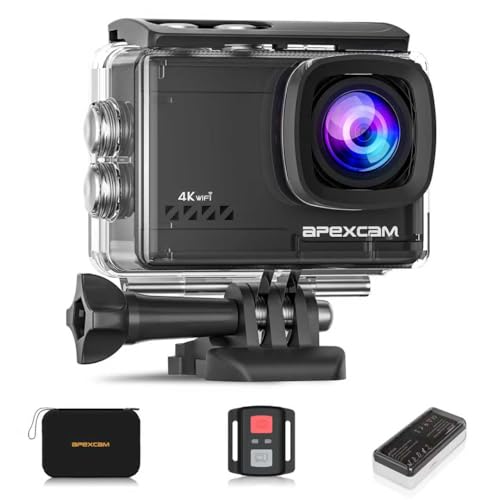


Who Should Buy Which Action Cameras?
Start with the activity you repeat most often, because that activity decides which features matter and which ones you can ignore. A desk tripod camera needs different strengths from one on a helmet.
Students and Families Filming Day to Day Life
You need a camera for school projects, family outings and short clips to share the same day. Prioritize simple menus, a clear rear screen and WiFi transfer to your phone. Battery life of about 60 to 90 minutes per charge suits most casual days. Choose a bundle with a basic case and one simple mount.
For Riders, Skaters and Outdoor Beginners
You need footage that stays watchable while you move, so electronic image stabilization and a secure mount matter more than extra resolution. Look for a housing that guards the lens during falls, and a wide lens angle that keeps your hands, bars and path in frame. A spare battery helps on longer rides.
Travelers Who Pack Light and Film on the Go
You need a camera that is light, quick to pack and hard to break in a bag. Choose a compact body, a padded case and USB charging so one cable covers phone and camera. Water resistance matters if your trips mix rain, boats and beach stops. A simple wind cover near the microphone can make station clips easier to understand.
Key Features to Compare
Compare these factors in the same order each time you shop. When you compare best action cameras under 50 this way, a bold claim cannot hide a weak seal or a tiny battery.
Video Resolution and Frame Rate
Resolution tells you how much detail the camera records, while frame rate tells you how smooth motion looks. Honest 1080p video at 30 frames per second is a realistic goal at this price and looks clean on a phone screen. A setting of 60 frames per second helps fast pans look smoother. Treat bold 4K claims with care, because some budget cameras stretch a smaller image to reach that label.
Electronic Image Stabilization and Sensor Size
Electronic image stabilization crops and steadies the picture in software, and it decides whether moving footage stays pleasant to watch. Turn it on for walking and riding, and accept the slightly narrower view. Sensor size works against this budget, because the small sensors in these cameras gather less light than larger cameras do. That is why the same camera looks crisp at noon and grainy at dusk.
Waterproof Housing and Depth Rating
Many cameras at this price rely on a clear housing for full waterproof protection, while the bare body may only resist splashes. Read the depth rating in feet before pool or snorkel clips, and confirm the rating applies with the housing fitted. Press the seal closed all the way around and look for sand or hair trapped in it. A weatherproof setup is only as strong as that seal.
Battery Life, Charging and Spare Batteries
Small action cameras often record for about 60 to 90 minutes on one battery, and WiFi use, cold air and high frame rates shorten that span. A removable battery beats a slightly larger fixed one, because you can swap in a spare and keep filming. Check how the camera charges, since USB charging lets you refill from a car or a power bank. Carry spares in a small hard case so loose metal cannot touch the contacts.
Lens Angle, Focus and Mount Compatibility
A wide lens angle of about 120 to 170 degrees captures your surroundings and forgives rough aiming. Most cameras here use fixed focus rather than autofocus, so subjects stay sharp from arm length outward but blur up close. Mount compatibility decides where the camera can go, so confirm it fits common helmet, chest and handlebar mounts. A bundle that matches your sport saves money.
Memory Cards, Screens and App Transfer
These cameras record to a microSD card, and the listing should state the largest card size and the speed class it accepts. Buy a card from a known brand, because a slow or faulty card can stop a recording without warning. A rear screen helps you frame shots and change settings outdoors. App transfer by WiFi suits short clips, while long files move faster through a card reader.
What You Can Realistically Get Under $50
Around $50, you can expect usable 1080p daylight video, a basic waterproof housing, a handful of mounts and one or two batteries. You give up strong low light quality, rich sound, polished app software and the tougher build of pricier models. Voice control is often missing. None of that ruins casual footage, as long as you buy for bright days and simple clips.
Spend on the seal, your mount and a spare battery before paying for paper specs. If your clips matter more than the savings, see our guide to the best action cameras under 100 for the next step up. For a wider jump in quality, see our guide to the best action cameras under 200. If your budget is fixed for any camera type, see our guide to the best cameras under 50 dollars for other camera types at this price.
Common Mistakes to Avoid When Buying Action Cameras
These errors are common at this price, and each one is easy to spot before you order.
- Believing a bold 4K label without checking true recording resolution leaves you with soft footage worse than honest 1080p video.
- Ignoring the depth rating and seal design leads to water damage on the first pool or beach day.
- Buying a huge mount bundle for other sports wastes money and misses the one mount your activity needs.
- Skipping a spare battery means a long ride or travel day ends when the first small battery fades.
- Forgetting to price a memory card makes the true cost higher than the camera price suggests.
How to Make Your Action Camera Last Longer
Wipe the lens with a clean lens cloth, not your shirt, because grit on fabric can scratch the coating. Rinse the closed housing in plain fresh water after salt water or sand, then let it dry fully before opening it. Store the camera in a dry, padded bag away from heat, and keep the seal free of dust.
Carry a spare battery and rotate your batteries so each one gets regular use. Charge batteries before a trip rather than storing them for months. Check mount screws and straps for cracks before each outing, and replace a worn strap at once, because a mount that fails at speed costs you the camera.
Action Cameras Under $50: Your Questions Answered
Can you get a good action camera for under $50?
Yes, you can get a good action camera for under $50 if your goal is bright, casual footage. Good here means clear daylight video, a working waterproof housing and mounts you will actually use, not clean night video. Test a new camera with a short clip played on a television, so soft focus or muffled sound shows up while returns are still easy.
How much should a first time buyer spend on a first action camera?
A first time buyer should spend about $35 to $50 on the camera and set a little aside for a card and a spare battery. Spending less often brings weak seals and confusing menus that end the hobby early. Many beginners find that the best under 50 action cameras feel complete only once those two small extras are in the bag.
Which action camera traits matter most for low light video under $50?
A wide aperture and honest exposure settings matter most for low light video at this price, but expectations should stay low. Small sensors add visible grain once light drops, and no menu setting removes it fully. Film near lamps or windows and keep the camera still, because motion blur grows in dim light. Short dim clips work best as atmosphere.
Is a smartphone enough instead of a budget action camera?
A smartphone is enough for calm, dry scenes, and its screen and sound are usually better. A budget action camera earns its place when water, falls or mounts put your phone at risk. It also straps to a chest or helmet while you move. Keep the phone safe in your bag, and let the cheaper camera take the knocks.
What specs matter most for beginners choosing an action camera under $50?
True 1080p recording, electronic stabilization and a clear depth rating matter most for beginners at this price, because they decide whether footage is sharp, steady and safe near water. Next, check battery swaps and mount fit for your sport. Note the return window too, because button feel and menu layout are personal, and real use tells you more than any spec sheet.
Does a waterproof action camera under $50 need a separate housing for swimming?
Yes, most waterproof action cameras at this price need the separate housing fitted before swimming. The bare body is often only splash resistant, even when the box stresses the word waterproof. Fit the housing, close the latch firmly and check the seal line for grit. Dry the outside before opening it, so pooled water cannot drip onto the lens or ports.
The Bottom Line
Match the camera to your main activity first, then compare true resolution, stabilization and the waterproof rating. Protect part of the budget for a good card and a spare battery. Use the product table above to check bundles, battery counts and card support.
Chosen with those points in mind, the best action cameras under 50 give you honest fun footage without risking costly gear. Set expectations for bright days and simple clips, and this small spend can cover years of trips and rides.