
Best Action Cameras under 100: A Buyer Checklist for 2026
Disclosure: We may earn a commission when you buy through links on this page, at no extra cost to you. As an Amazon Associate I earn from qualifying purchases. Learn more

Run this buyer checklist before you buy an action camera under 100: waterproof depth, stabilization, sensor size, battery life, card costs, and red flags.
A price cap of $100 sounds simple, yet the budget action camera shelf is crowded with inflated spec claims and lookalike models. The honest way to shop is to run every candidate through the same short checklist before you spend anything. This guide sets out that checklist for the best action cameras under 100, so you judge waterproof depth, stabilization, and video quality the same way every time.
You will find no product reviews and no ranked picks here. Instead you get the criteria that actually matter, the trade offs this budget forces on you, and the warning signs that separate a usable camera from a toy. Once you know what to look for, the comparison table below gathers the current options in one place.
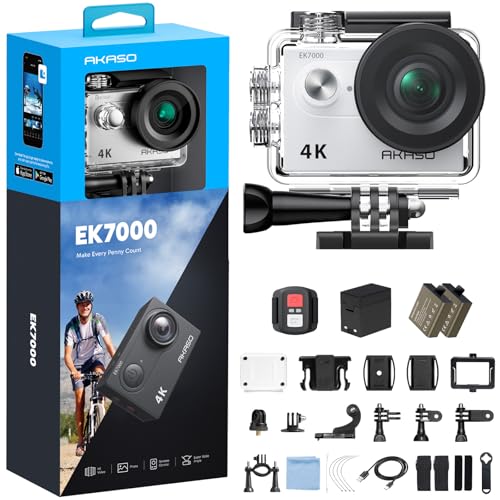
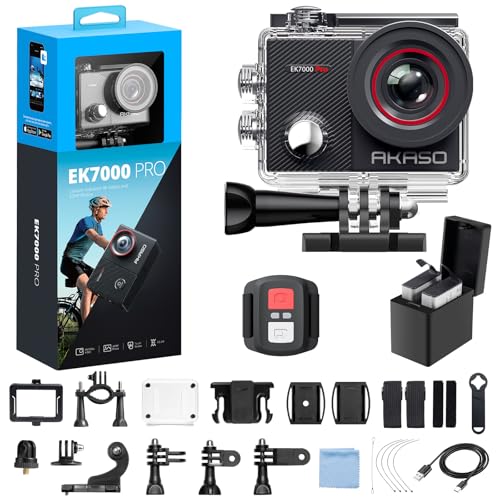
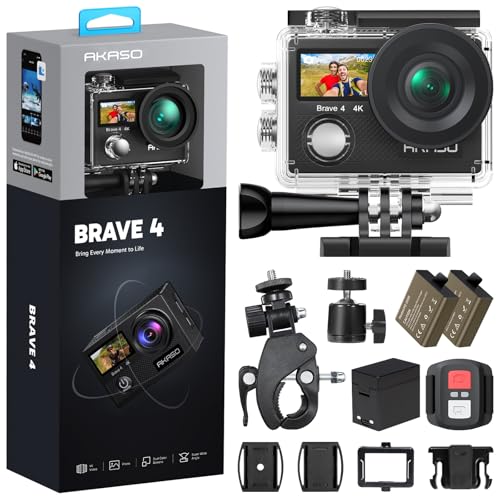
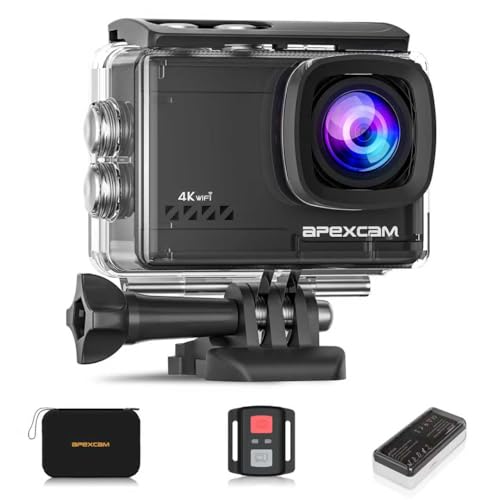


The Checklist: How to Judge an Action Camera
What You Can Realistically Get Under $100
At this cap, expect honest 1080p video, electronic stabilization on better models, and a waterproof housing in the box rather than a waterproof body. Native 4K, large sensors, and front screens are the features that usually get cut. The cap also covers stills models, and our guide to the best cameras under 100 shows how the wider shelf splits between video and photo tools. Spend your attention on the depth rating, the stabilization, and the card speed the camera needs, because those three decide whether footage is usable.
Housing and Waterproof Depth
The housing class governs the depth class you can trust, because at this price the camera body itself is rarely sealed. A printed depth figure is a maker lab figure, measured with new seals in clean water, so treat it as a ceiling rather than a promise. Many included housings carry ratings around 100 feet, which is far beyond snorkeling or pool use. What matters more is the gasket: check that it sits flat, keep it free of sand and hair, and rinse the closed housing in fresh water after any salt water day.
Stabilization and Footage You Can Actually Use
Stabilization governs how much of your footage stays watchable, and at a low price this is the feature that separates keepers from clips you delete. Electronic stabilization steadies the frame by cropping it slightly, so a stabilized camera shows a somewhat narrower view than its widest setting. Look for a named stabilization mode you can switch on for walking, biking, or skiing footage. A camera with no stabilization at all can still work on a fixed mount, but handheld clips will shake with every step you take.
Sensor Size and Image Quality
Most cameras at this price use small sensors, commonly in the 1/2.3 inch class, with a few reaching toward 1 inch in stills marketing only. Megapixel counts are a weak guide, since many listings quote interpolated photo sizes the sensor never captured. Stills first models in our guide to the best digital cameras for under 100 rely on similar small sensors, which is why both classes shine in daylight and struggle after dark. Judge a camera by its video modes and sample clips in daylight, not by the biggest number on the box.
Video Modes and Frame Rates
A 4K label at this price often means upscaled output rather than a sensor that truly records 4K, so the modes underneath matter more. Honest 1080p at 60 frames per second gives smoother action and usable slow motion, and it asks less of your memory card. This checklist covers cameras you hold or mount; the best drones with cameras under 100 are a different product class, since a drone is an aircraft that happens to carry a camera. Prefer a camera whose maker states the frame rate for every resolution it lists.
Memory Cards and the Real Total Cost
The memory card belongs to the total spend, not to the accessories you buy later if money remains. A suitable card usually adds about $10 to $20 to the purchase, and high frame rate modes need a card with a fast sustained write speed. Budget cameras often ship with no card at all, so the sticker price understates what you pay before your first outing. Add the card, a spare battery at about $10 to $15, and a simple case, then compare that full figure against your cap.
Battery Life per Charge
Printed battery figures come from maker labs, usually recording at the lowest resolution with the screen dimmed. Real action camera batteries at this price tend to deliver about 60 to 90 minutes of recording per charge, split across several clips. Cold weather shortens that further, sometimes by a third on a ski day. If your outings run longer than an hour of actual filming, plan on a second battery from the start rather than hoping one charge stretches.
Where an Under $100 Budget Actually Goes
Entry Class: About $40 to $60
The lowest class buys a basic 1080p camera, a waterproof housing, and a small bundle of mounts. Stabilization is weak or absent, screens are small, and low light footage looks grainy. This class suits a first camera for pool days, kids, or a risky mount where losing the camera would sting less. Keep expectations modest and it can be honest value.
Middle Class: About $60 to $80
The middle class is where electronic stabilization becomes dependable and screens grow large enough to frame a shot with confidence. Video modes usually add 1080p at 60 frames per second, and some models record genuine 4K at lower frame rates. Batteries and housings also tend to fit better and seal more cleanly. For most buyers, this class is the sensible place to land.
Upper Class: About $80 to $100
The top of the budget buys the best small sensors at this level, steadier stabilization, and sometimes a second screen for framing yourself. Build quality improves as well, with sturdier doors and clearer menus. If your budget can stretch past the cap instead, the best action cameras under 200 add larger sensors and stronger stabilization still. Compare the full kit cost, card included, before deciding the stretch is worth it.
Quick Buyer Checklist
Run these questions against any listing before you order. If most answers point you away from video altogether, a stills route such as the best film cameras under 100 may suit you better than a cheap video camera.
- Does the listing state a waterproof depth for the housing in feet or meters, not just the word waterproof?
- Is the frame rate named for every video resolution, including the top one?
- Can you turn on a stabilization mode for walking and biking footage?
- Does the price leave room for a fast memory card and a spare battery?
- Is the seller clear about the warranty length and the returns window?
- Do the mounts in the box match how you plan to attach the camera?
- Is the battery removable, so a spare can swap in during a long day?
Red Flags to Watch For
- A 4K claim with no frame rate stated anywhere, which usually hides upscaled video.
- A depth claim that never mentions a housing, which means the body alone is expected to seal.
- Megapixel numbers far beyond the sensor class, a sign the photo size is interpolated.
- Battery life given only in milliamp hours, with no recording time you can compare.
- No named warranty, no returns path, and a seller name that changes between listings.
Best Action Cameras for Specific Needs
Best Action Cameras for under 100
Reading the cap as a total budget changes the shortlist. The best action cameras for under 100 in this sense are the ones whose full kit, card and spare battery included, still lands under the line. That favors middle class models with a housing in the box over upper class cameras that need extras. Count every accessory you truly need before you compare sticker prices.
Best Action Cameras under 100 Dollars
Shopping in US dollars adds two quiet traps: shipping fees and sales tax can push a $95 camera over the line at checkout. Prices in dollars also swing with sales, so a model listed at about $110 may drop into range during a promotion. Judge the camera by its usual street price rather than a brief sale price, and keep the card and battery inside the same dollar total.
Best Budet Action Cameras under 100
The tightest budgets, often searched with the budet spelling, force clearer choices about what can be cut. A smaller screen, fewer bundled mounts, and a simpler case are safe cuts that do not hurt your footage. The seals, the card speed, and the stabilization are not safe cuts, because each one decides whether clips survive the day. Spend what remains on the middle class and skip decorative extras.
Setup and Care Tips
Wipe the lens with a lens cloth, never your shirt, since grit in fabric scratches the coating. Carry a spare battery and swap it before a long descent or dive rather than after the camera dies. Store the camera and housing in a dry, padded bag with the housing door open, so the gasket rests instead of staying compressed. Before any water day, close the empty housing and hold it under a tap or in a sink to confirm the seal still holds.
Action Camera Questions Answered
Can You Get a Good Action Camera for Under $100?
Yes, for daylight use you can, provided you judge good by steady 1080p footage rather than by spec sheet numbers. In bright sun, a middle class model records clean, stable clips that look fine on a television or a phone. The honest limits show up after dark and indoors, where small sensors produce grain and smeared motion. Buy for the light you actually film in, and a camera at this price can serve you well for years.
What Specs Matter Most for a First Action Camera?
Start with the mount system, because a camera that cannot attach where you need it is useless however sharp its video looks. Standard mounts are shared across most models at this price, so clamps, straps, and adhesive bases stay useful when you upgrade later. After mounting, rank stabilization and the housing depth rating next, since both decide whether footage survives real use. Resolution claims come last on the list, because honest 1080p beats upscaled 4K every time.
How Much Should a Beginner Spend on a First Action Camera?
Most beginners do well reserving about a quarter of the budget for the card, a spare battery, and a case before choosing the camera itself. That habit points to a camera around $60 to $75 rather than one that eats the whole $100. A first camera also teaches you how you actually film, which is worth more than a small spec gain. Spend the rest only after a season of use shows you what is missing.
Is a Smartphone Enough Instead of an Action Camera?
A smartphone records better video than a budget action camera in good light, and you already own it. The difference is risk and mounting: phones are costly to drop, rarely welcome a chest strap or handlebar clamp, and their waterproofing is a resistance rating rather than a sealed housing. For a beach day or a bike ride where a fall is likely, the cheap camera is the one you can afford to lose. Keep the phone safe and let the small camera take the knocks.
How Deep Can a Budget Action Camera Go Snorkeling?
Snorkeling happens in the top 10 to 16 feet of water, which sits far inside the rating of most included housings. Depth is rarely the real risk at this level; a grain of sand or a hair across the gasket is what lets water in. Rinse the closed housing after every salt water session and inspect the seal before the next one. Treat the printed depth as a ceiling for a clean, well kept seal, not as a target.
Final Thoughts
At this cap, the checklist matters more than any single spec: a housing that truly seals, stabilization that stays on at full resolution, and a total kit cost that still fits the budget once the card and spare battery are counted. Judge every candidate by those three tests and ignore inflated resolution and megapixel claims. The product table above lines up the current best action cameras under 100 so you can run the same checks on each one.


