
Best Action Cameras for Motorcycles: Types Compared and How to Choose for 2026
Disclosure: We may earn a commission when you buy through links on this page, at no extra cost to you. As an Amazon Associate I earn from qualifying purchases. Learn more

Compare the best action cameras for motorcycles by mount type, video quality, stabilization, battery, weather sealing, and storage for riders.
Riding footage looks simple until wind, vibration, and light changes put the camera to work, so the best action cameras for motorcycles must be judged on mounting, stabilization, and weather sealing rather than on headline resolution alone. A camera that records a smooth, usable clip on a rough road matters more than one that promises extreme detail but shakes on every bump. The comparison table below can help you compare mount types and core features side by side.
This guide compares camera types for riders, explains who each type suits, and walks through the factors that shape everyday use. It covers helmet and handlebar mounting, battery and storage, sound, and care, so you can match the camera to your riding style rather than buying on a single spec.


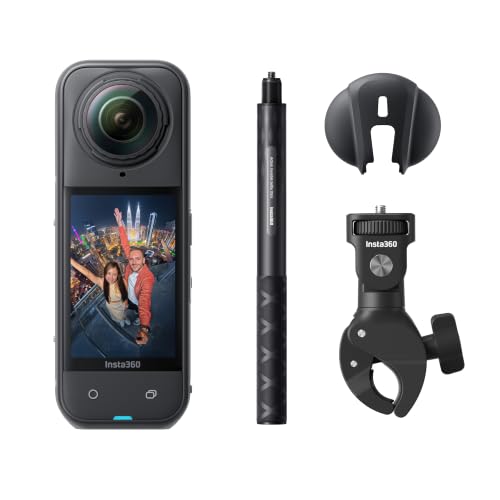
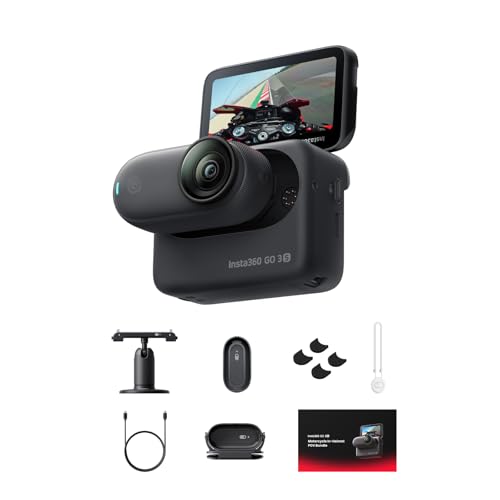
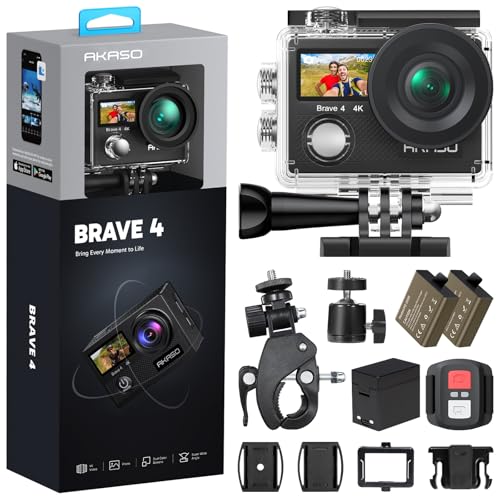
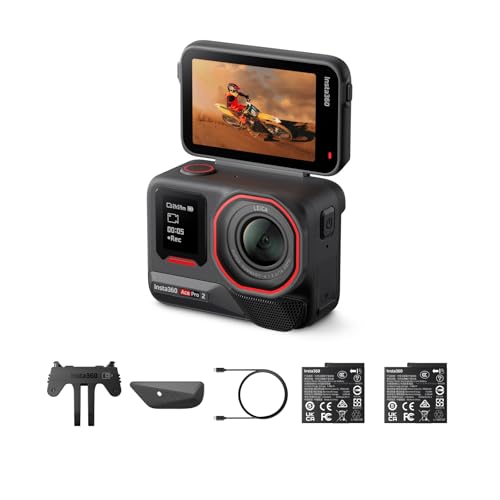
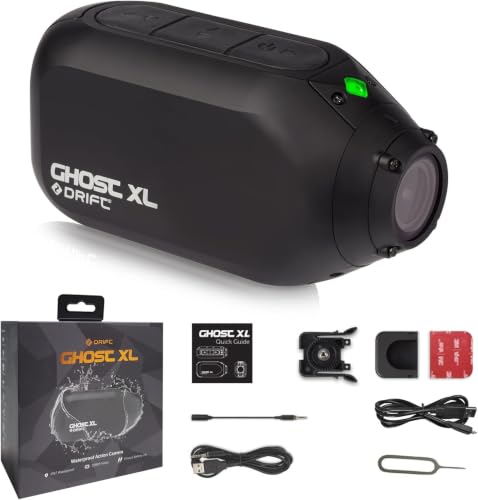

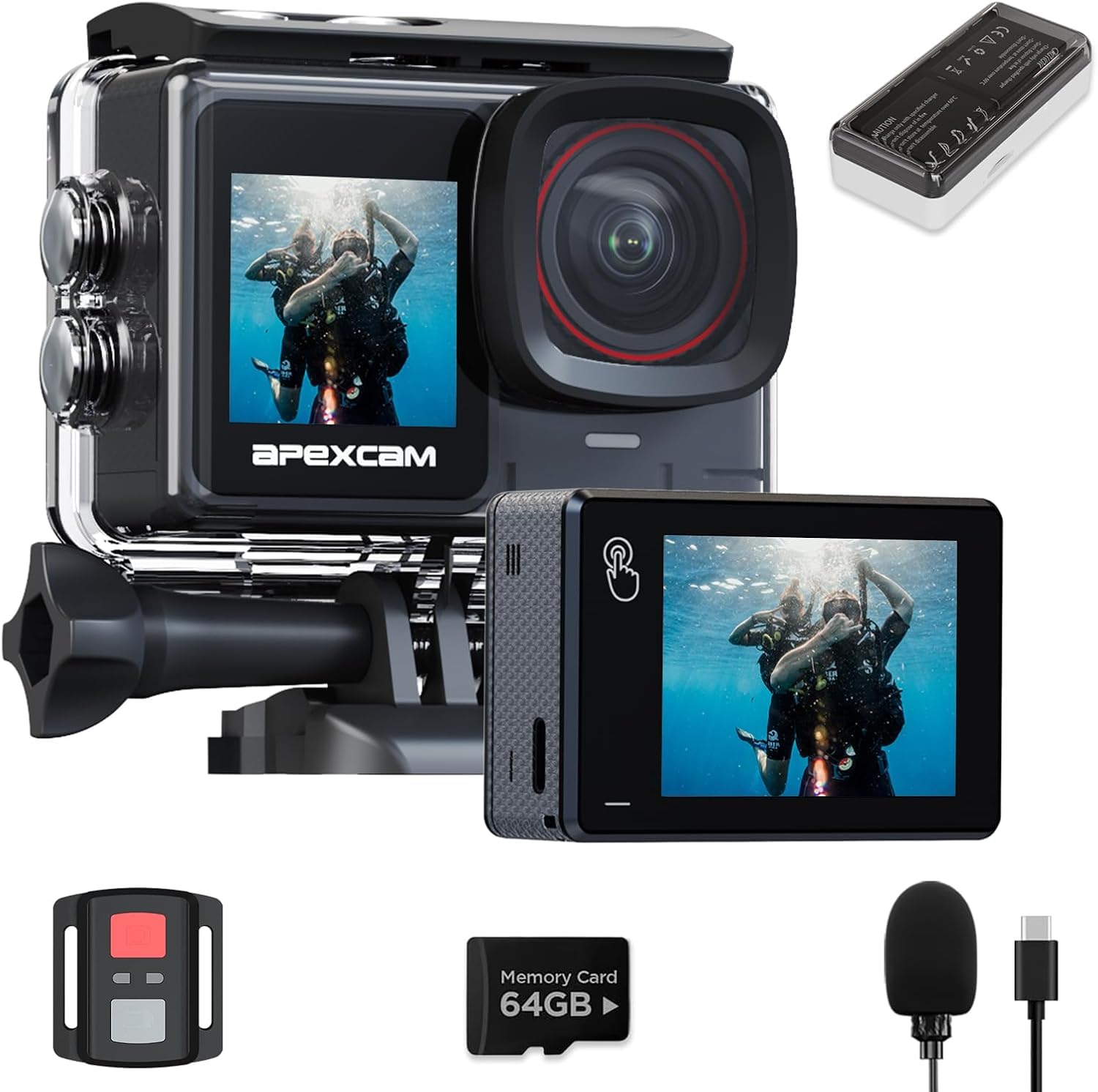
How Action Cameras Compare to Other Options
An action camera differs from a phone or a dash camera because it is built to ride on a helmet or a bike, survive vibration and rain, and keep recording when the road gets rough. The table below sets out the main types side by side, with typical strengths, limits, and rough price ranges.
| Type | Best For | Pros | Cons | Typical Price |
|---|---|---|---|---|
| Helmet mounted camera | First person riding views | Natural point of view, easy aiming | Wind noise, added helmet weight | About $150 to $400 |
| Handlebar mounted camera | Stable forward views | Steady framing, simple access | Vibration, fixed view | About $100 to $350 |
| 360 degree camera | Flexible reframing after a ride | Full scene capture, creative edits | Larger files, more editing time | About $250 to $500 |
Action Cameras vs Dash Cameras
A dash camera is made to sit fixed in a vehicle and record the road ahead, often with loop recording and parking modes. An action camera is made to move with the rider, so it offers helmet and handlebar mounts, wider framing choices, and better handling of vibration and weather. If you want a record of a ride from your own point of view, an action camera fits better. If you want a fixed, always on record for a parked bike, a dash style setup may suit that narrow need.
Action Cameras vs Phones on a Mount
A phone can record good video in calm light, but it is not built for sustained vibration, rain, and wind on a motorcycle. An action camera adds weather sealing, stronger stabilization, and mounts made for helmets and bars, while keeping the phone free for navigation. A phone mount can work for short, dry rides, yet it risks damage to the phone and often produces shakier clips. For regular riding footage, a dedicated action camera is the safer and more consistent choice.
Action Cameras vs 360 Degree Cameras
A 360 degree camera records the full scene around the bike, so you can reframe the view after the ride and pick a forward, side, or rear angle later. That flexibility comes with larger files, longer editing, and a need to learn reframing software. A standard action camera gives a simpler workflow, smaller files, and a direct point of view that needs less editing. Choose 360 degree capture when creative reframing matters more than quick, simple clips.
Who Should Choose Action Cameras?
Commuters who want a clear record of a ride, tourers who want to capture scenery, and track day riders who want to review lines and braking points can all benefit from an action camera. Vloggers who speak to camera while riding need good wind handling and a clear microphone setup, while casual riders may only need a simple helmet or bar camera for weekend trips. Riders who only need a fixed record for insurance style purposes, or who dislike editing, may prefer a simpler fixed camera or no camera at all.
How to Choose the Right Action Camera
Judge the camera as a riding system, not as a list of specs. Mount security, stabilization, battery, storage, and weather sealing work together on the road. A weak link in any one area can spoil an otherwise strong recording.
Battery Life and Charging
Battery life on a motorcycle camera depends on resolution, frame rate, stabilization, and temperature. Cold air and high frame rates shorten run time, so check the stated run time at the settings you plan to use rather than at the lowest setting. A spare battery, a USB power bank in a jacket pocket, or a wired feed from the bike can extend a long ride. For a related view of general action options, see our guide to the best action cameras and compare battery claims across types.
Autofocus and Stabilization
Most action cameras use a fixed focus lens with a wide depth of field, so the rider does not need to worry about focus hunting on the road. Stabilization matters far more, since it smooths vibration from the engine, the road, and the mount. Electronic stabilization crops the frame slightly, while a gimbal adds bulk but can give smoother results on rough surfaces. Try to view sample clips shot at riding speed when possible, since a list of features cannot show how stabilization handles real bumps.
Durability and Weather Sealing
A motorcycle camera should handle rain, dust, and vibration without a fragile case that fogs or rattles. Check the stated water resistance depth and whether the camera needs an extra housing for full rain use. Sealed doors for battery and card slots matter, since a loose door can let in water on a wet ride. Follow maker guidance for mounts and housings, and inspect mounts for cracks after a drop or a long rough ride.
Features That Matter for Motorcycles
Motorcycle use creates specific needs that a general camera guide may miss. Vibration resistance keeps the image steady, wind noise reduction keeps speech usable, and a secure mount keeps the camera on the bike at speed. A wide field of view captures the road and nearby traffic, while a narrower view can reduce distortion for scenic clips.
Loop recording, voice control, and a clear recording light also help, since the rider cannot safely fiddle with settings while moving. For motorcycle specific options, see our guide to the best motorcycle cameras and compare mount and weather features there.
Sensor Size and Image Quality
A larger sensor can help in low light, but sensor size alone does not decide image quality on a motorcycle. Lens quality, stabilization, bit rate, and how the camera handles bright sky and dark road in the same frame all shape the result. High resolution helps when you crop a clip, yet it also creates larger files and shorter battery life. For most riders, a balance of good stabilization, usable low light performance, and manageable file size beats the highest resolution on offer.
Best Action Cameras for Motorcycles by Specific Need
Best Action Cameras for Motorcycle Helmet
The phrase best action cameras for motorcycle helmet points to a distinct set of needs. Weight and balance matter, since a heavy camera can strain the neck on a long ride. A low profile mount that sits close to the helmet reduces drag and snag risk, while a secure adhesive or strap mount must be checked before every ride.
Side mounting gives a natural first person view, while a chin mount can centre the view and reduce wind buffeting. Choose a helmet setup only after confirming that the mount suits your helmet shape and that local rules allow the placement you plan to use.
How to Make Your Action Camera Last Longer
Use a lens cloth, not your shirt, to clean the lens, since grit on fabric can scratch coatings over time. Carry a spare battery and a spare memory card, so a full card or a flat battery does not end a ride early. Store the camera in a dry, padded bag, and keep mounts clean and free of grit.
Check screws and adhesive mounts regularly, and replace a worn mount rather than trusting a loose fit on a fast road. For video focused options, see our guide to the best action video cameras and compare storage and battery features. For budget minded riders, see our guide to the best inexpensive action cameras and weigh lower cost against stabilization and weather sealing.
Action Cameras: Your Questions Answered
What features matter most in action cameras for motorcycles?
Mount security, stabilization, weather sealing, and battery life matter most in action cameras for motorcycles. A camera that stays fixed, smooths vibration, survives rain, and runs for a full ride will produce usable clips far more often than a camera with a higher resolution but weak mounting. Also check wind noise handling and storage, since a clip with unusable sound or a full card still fails on the road. Try the mount and settings on a short ride before a long trip.
What frame rate should a motorcycle rider choose?
A motorcycle rider should choose a frame rate that suits the riding and the editing plan. A standard rate gives smooth everyday footage and smaller files, while a higher rate allows slow motion for track review or scenic moments. Higher rates also shorten battery life and increase file size, so they suit short clips rather than whole day recording. Start with a standard rate for commuting and touring, and save higher rates for moments you plan to slow down in editing.
How much should I spend on my first action camera for a motorcycle?
A first action camera for a motorcycle can cost about $100 to $400, depending on stabilization, weather sealing, and mount quality. Lower cost models can suit short, dry rides and simple clips, while a middle spend often buys stronger stabilization and better rain handling. Spending more may add larger sensors or 360 degree capture, but those features help only if you will use them. Set the budget after deciding on mount type, since a poor mount can spoil even a costly camera.
Is a smartphone enough instead of an action camera for motorcycles?
A smartphone can be enough for short, dry rides when it sits in a secure mount and the rider accepts shakier clips. It falls short on sustained vibration, rain, and wind noise, and it ties up the device used for navigation and calls. An action camera keeps the phone free, handles weather better, and offers mounts made for helmets and handlebars. Riders who record often, ride in rain, or want smoother footage will usually find a dedicated camera worth the extra cost.
Which action camera setting is better for low light riding?
For low light riding, a larger sensor, a wide aperture lens, and a moderate resolution often help more than maximum resolution alone. Lower frame rates can also gather more light per frame, which can reduce noise in dusk or tunnel footage. Avoid relying on digital brightening, since it can add grain and wash out detail. Try dusk clips before a night tour, and check whether headlight glare or street lights cause flare in the lens you plan to use.
What specs matter most for beginners on a motorcycle?
For beginners on a motorcycle, mount security, simple controls, stabilization, and battery life matter most. A camera that starts with one button, shows a clear recording light, and runs for a full ride removes distraction from the road. Storage size and file format also matter, since a beginner should not need complex software to view a clip. Resolution and advanced modes can wait until the rider knows which mount and framing style suits their riding.
The Bottom Line
Choose the mount first, then stabilization, weather sealing, and battery life, and let resolution follow those priorities. A helmet mount suits a first person view, a handlebar mount suits a steady forward view, and a 360 degree camera suits creative reframing after the ride.
Check local recording rules, since no camera can guarantee privacy or security, and follow maker guidance for mounts, batteries, and housings. Use the comparison table above to weigh types side by side, then try the setup on a short ride. The best action cameras for motorcycles are the ones that stay secure, record smoothly, and fit the way you actually ride.


