
Best Action Cameras for Fishing: A Practical Checklist for 2026
Disclosure: We may earn a commission when you buy through links on this page, at no extra cost to you. As an Amazon Associate I earn from qualifying purchases. Learn more

Use this checklist to compare the best action cameras for fishing by waterproofing, battery life, mounts, and price before you buy your first camera.
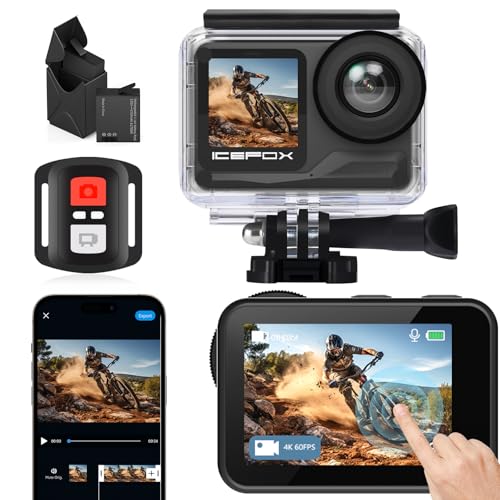
Fishing is hard on cameras, with spray, rain, wet hands, and the real chance of a dunking on every trip. This checklist walks through the specs that decide whether a camera survives the boat and captures the catch, so you can judge best action cameras for fishing options on facts rather than marketing. The product table is a useful place to start once you know what to look for.
You do not need the most expensive model to film a good day on the water. You need honest waterproofing, enough battery for a full session, and a mount that keeps the camera pointed at the action. The criteria below explain how to score each of those points.


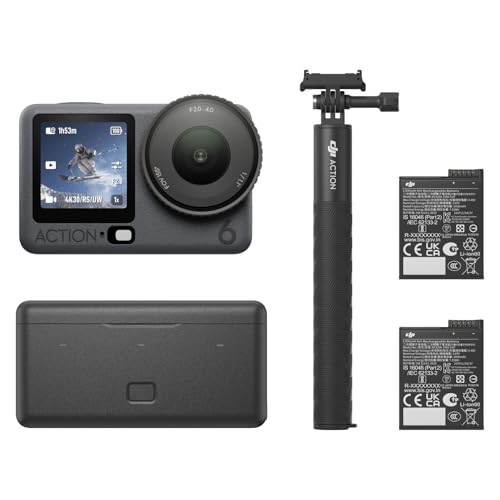
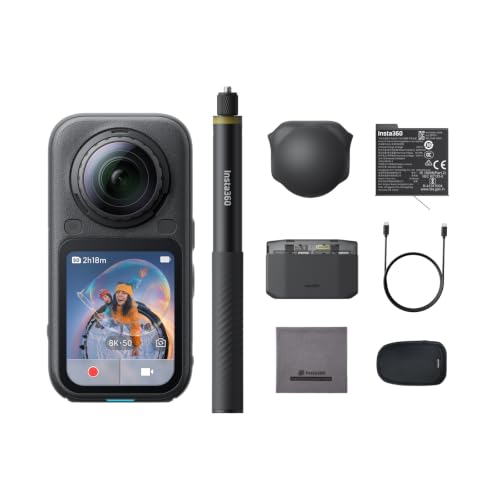

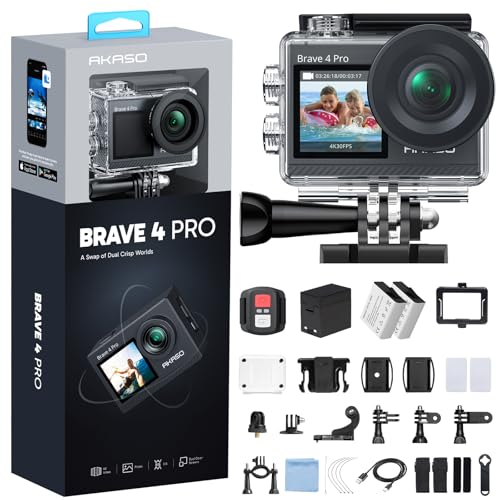

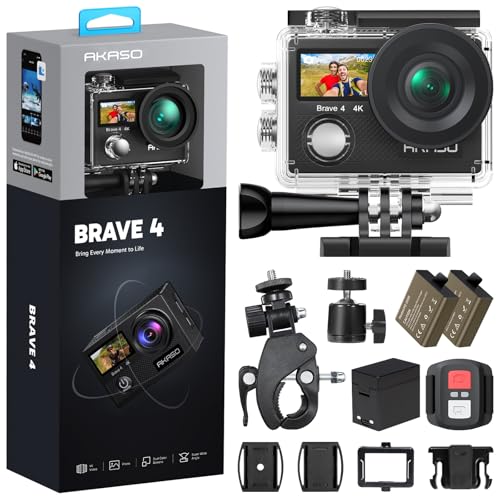

The Checklist: Key Features to Compare
Features That Matter for Fishing
Fishing demands more from an action camera than dry land sports do. Start with the waterproof rating, since spray and rain are guaranteed and a full drop overboard is possible. Voice control or large buttons help because your hands are often wet or holding a rod. A quick way to start recording with one press matters too, because a strike rarely waits while you scroll through menus.
Waterproofing and Depth Rating
Most action cameras are waterproof to about 33 feet without a housing, and a dive housing extends that to about 130 feet or more. For fishing, the bare camera rating covers rain, spray, and a brief dip beside the boat. Check that the battery door seal is clean and fully closed before every trip, because a single grain of sand on the seal can let water in. Rinse the camera in fresh water after saltwater trips.
Sensor Size and Image Quality
Action cameras use small sensors, commonly around 1/1.3 inch to 1 inch on premium models, and a larger sensor gathers more light at dawn and dusk when fish feed actively. Megapixel counts matter less than sensor size and lens quality for clean video. Look for natural color in sample footage, because water glare and bright skies fool weak processing into washed out images.
Stabilization on a Moving Boat
A boat never sits still, so electronic stabilization does heavy work in fishing footage. Good stabilization smooths engine vibration, gentle swells, and the jolt of setting a hook. It cannot fix a camera mounted on a loose pole that swings in the wind, so pair it with a rigid mount. Wider fields of view hide small movements better than narrow ones, which is another reason anglers favor wide settings.
Size, Weight, and Mounting Options
A fishing camera should disappear until the moment matters. Light models around 100 to 160 grams sit comfortably on a hat clip or chest harness for a cast by cast view. A chest mount films your hands and the water in front of you, while a rail or pole mount on the boat captures the whole deck. Keep a floating grip or a bright float attached, because a camera that sinks is gone for good.
Video Capabilities and Battery Life
Record at 4K and 30 frames per second for most fishing, and use 60 frames per second when you want smooth slow motion of a jumping fish. Battery life runs about 60 to 120 minutes per charge, and a full day on the water needs two or three batteries or a USB power bank in a dry bag. Loop recording helps when you only care about saving the moments around a catch. Our guide to the best action cameras covers general video features in more depth.
What Your Budget Covers
Entry Level Cameras
At about $80 to $150 you get basic 4K recording, simple stabilization, and waterproofing that handles rain and spray. These cameras suit bank fishing and casual trips where a loss would not sting. Expect shorter battery life and weaker low light results. Many first time buyers start here and upgrade once filming becomes a habit, and our roundup of best inexpensive action cameras shows what the low end does well.
Mid Range Cameras
At about $150 to $300 stabilization improves a great deal, screens get brighter in sunlight, and batteries last longer. This is the sensible zone for regular anglers who fish from a boat and film most trips. Waterproofing stays similar, but build quality and mounts feel sturdier. Spending in this range also buys better microphones, which matters when you talk through a catch on camera.
Premium Cameras
Above about $300 you pay for the largest sensors, the best low light footage, and 360 degree models that capture every direction at once. Those features shine for anglers who publish videos or fish at dawn and dusk. Casual anglers rarely need this tier. Before spending here, compare the picks in the product table and be honest about how often you will actually film.
Quick Buyer Checklist
- Is the camera waterproof to at least about 33 feet without a housing?
- Can you start recording with one press while holding a rod?
- Does the battery plan cover your longest normal fishing session?
- Do you have a mount that fits your boat, hat, or chest?
- Is there a float or floating grip attached in case it goes overboard?
- Does the stabilization handle boat movement and engine vibration?
- Can you read the screen in bright sun over reflective water?
Red Flags to Watch For
- Big resolution claims with no named waterproof depth rating
- No replaceable lens cover, so one scratch ends the camera
- Battery life quoted only at the lowest settings with no real world range
- No loop recording or voice control on a camera sold for hands busy sports
- Warranty terms that exclude water damage on a waterproof camera
Choosing the Best Action Cameras for Fishing in Your Situation
GoPro and Other Action Cameras for Fishing: What to Check
Shoppers comparing GoPro style and other action cameras for fishing should focus on the mount ecosystem, because the most common mounts fit this style of camera. Check that spare batteries and housings are easy to find, since a dead battery mid trip is the usual failure. Also confirm the waterproof rating applies without a case, and look at still photo options in guides to the best cameras for fishing if stills matter to you.
Tips to Get the Most From Your Action Camera
Clean the lens with a lens cloth, not a shirt sleeve, because dried salt crystals scratch coatings. Carry a spare battery in a dry bag and swap it during a quiet spell rather than at the moment of a strike. Store the camera in a dry padded bag on the ride home, and open the doors to air it out afterward.
Never look directly at the sun while framing a shot against a bright sky, and keep children supervised near the water whenever a trip includes filming, since attention on a screen is attention away from the bank or the boat edge. Anglers who also record general video can compare best action video cameras for wider context.
Action Cameras: Your Questions Answered
What features matter most in action cameras for fishing?
Waterproofing matters most, followed by one press recording and a battery plan that covers a full session. Stabilization ranks next for anyone filming from a boat, and a floating accessory protects your purchase if the camera goes over the side. Low light quality decides whether dawn and dusk bites look good. A camera that covers those basics will serve most anglers better than a premium model bought only for its resolution number.
How deep can an action camera go underwater while fishing?
Most models handle about 33 feet without a housing, which is far deeper than a camera dropped beside a boat usually sinks before you grab it. The real risk is retrieval, not depth, so attach a float that keeps the camera at the surface. A dive housing rated to about 130 feet only matters for planned underwater filming. Always check the door seal before the trip, because depth ratings assume a clean and fully closed seal.
Does an action camera float if it is dropped in the water?
No, nearly all action cameras sink on their own, because the body and battery are denser than water. A floating grip, a foam float on the back door, or a wrist float strap keeps the camera at the surface where you can reach it. Try the float in shallow water at home before trusting it on a trip. This cheap accessory is the single best insurance a fishing camera owner can buy.
How long does an action camera battery last on a fishing trip?
Expect about 60 to 120 minutes of recording per battery, with high frame rates and cold weather at the low end. Most anglers record in bursts rather than continuously, so one battery can cover a half day of highlights. For full day trips, carry two spare batteries or a power bank kept in a sealed dry bag. Loop recording with short segments also reduces wasted footage and power between catches.
Is a smartphone enough for filming fishing trips?
A phone films fine from a dry seat for a few minutes, but water is its enemy and one slip can end an expensive device. Phones also overheat in direct sun on a boat deck and are hard to mount for a cast by cast view. A dedicated action camera is sealed, mountable, and cheap enough to risk. Keep the phone dry for photos of the catch and use the action camera for everything on the water.
Final Thoughts
The best action cameras for fishing choice comes down to honest waterproofing, a mount that fits how you fish, and enough battery for your longest session. Mid range models cover most anglers, and a simple float protects whichever camera you buy. Compare your shortlist with the picks in the product table, seal the doors before you launch, and never leave children unsupervised near the water while anyone is focused on a screen.


