
Best Action Cameras for Diving: What Actually Matters Before You Buy for 2026
Disclosure: We may earn a commission when you buy through links on this page, at no extra cost to you. As an Amazon Associate I earn from qualifying purchases. Learn more

Divers can compare depth ratings, sealing, stabilization, and low light features to choose the best action cameras for diving.
Choosing the best action cameras for diving starts with one question: how deep, and how often, will you really take a camera underwater? A camera that handles a shallow snorkel trip may fail on a deeper scuba dive, and a camera built for deep water may feel bulky on a casual beach day. The product table lets you compare the options side by side so you can match depth rating, size, and price to your own diving plans.
This guide walks through the specs that matter underwater, the warning signs to avoid, and a simple checklist you can run through before you order. The right choice depends on your dives, your budget, and how you plan to mount and care for the camera.
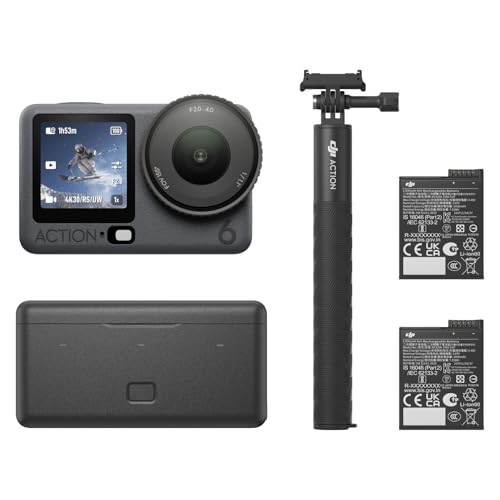
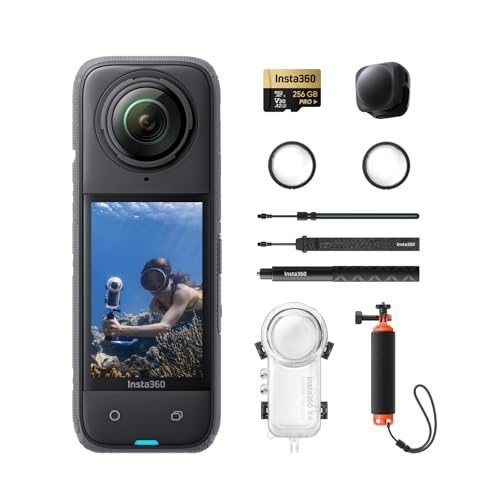

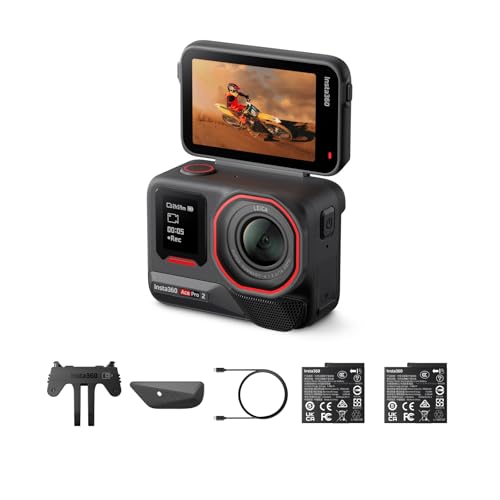
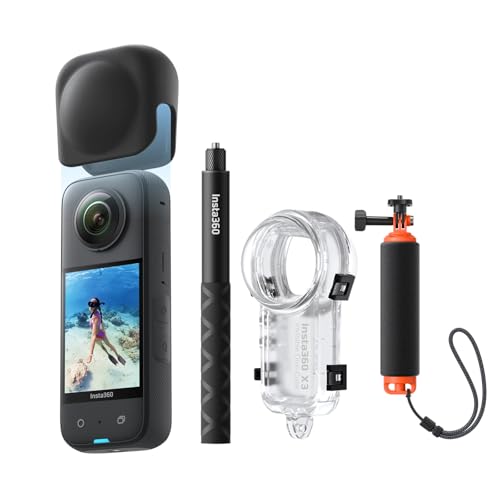
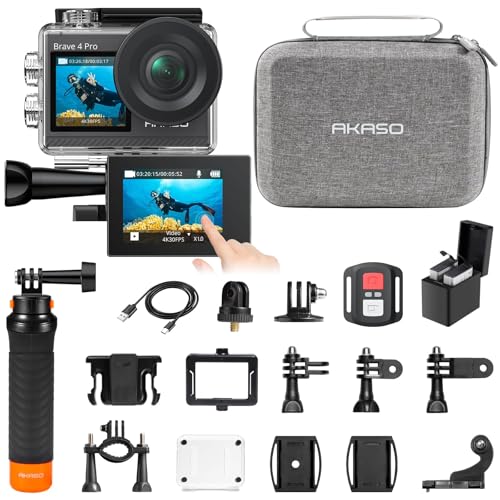

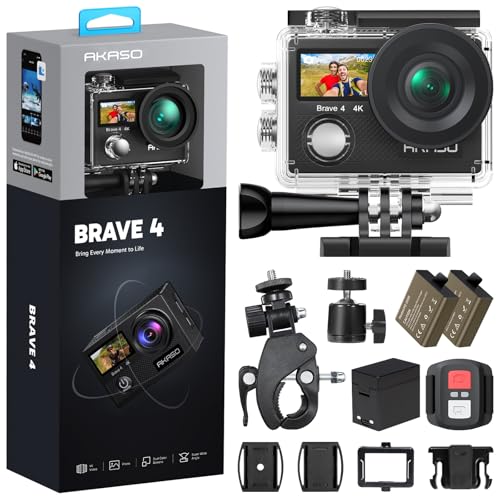
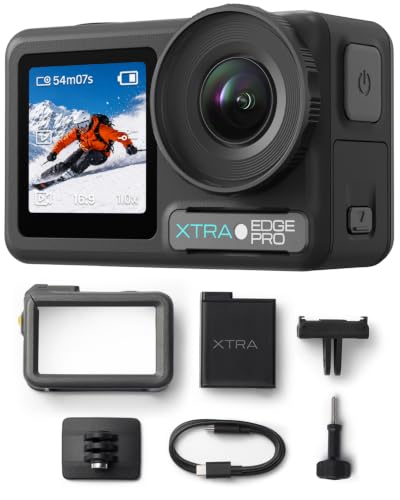
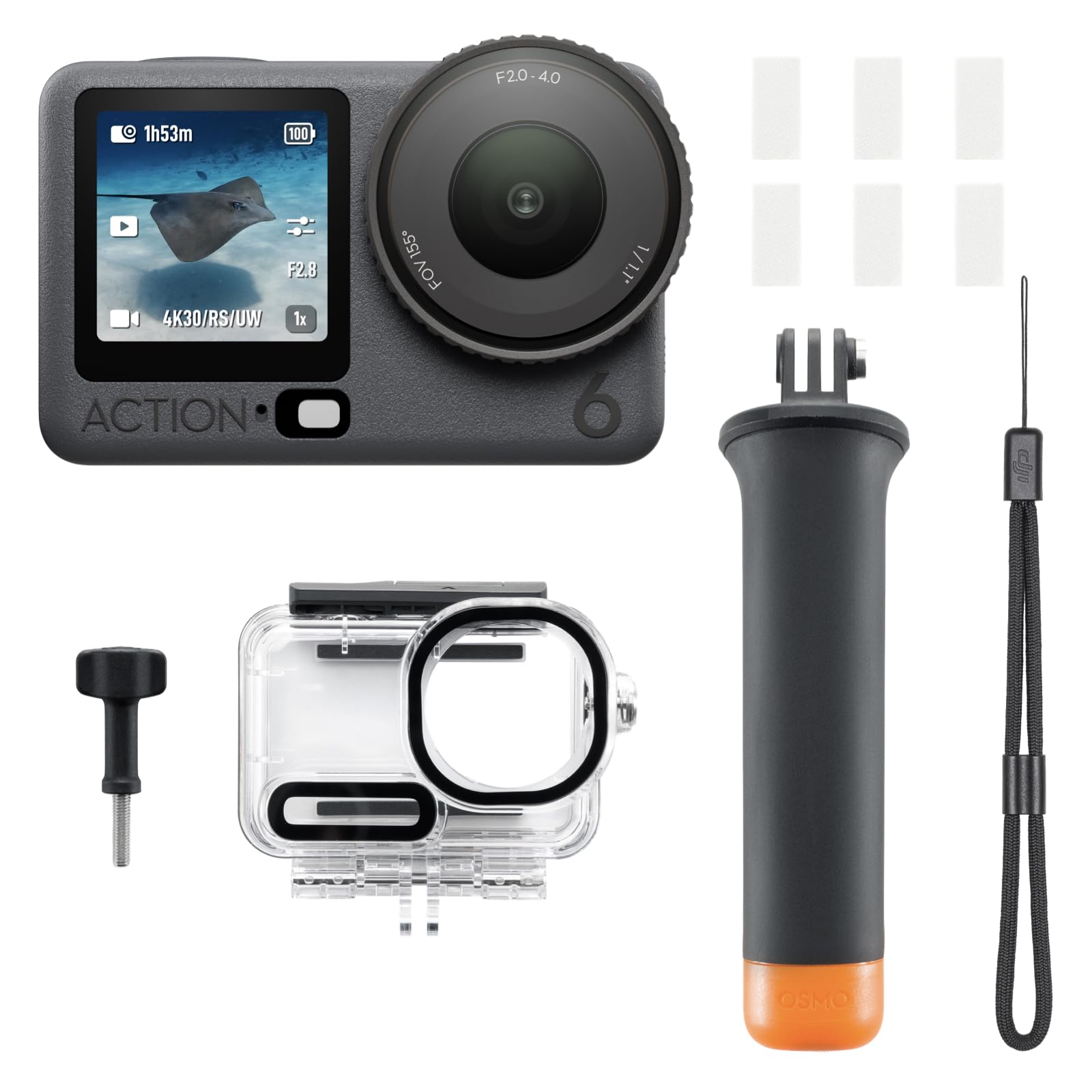
Key Features to Compare
Underwater shooting changes every buying decision. Light drops fast, colors shift toward blue and green, and small controls become hard to use with gloves. When comparing the best action cameras for diving, judge them on features that affect real dives, not on marketing numbers alone.
Depth Rating and Sealing
Start with the depth rating, and treat it as a hard limit rather than a rough guide. A camera rated to about 10 meters suits snorkeling and shallow reef swimming, while deeper scuba diving calls for a rating of about 30 meters or more, often reached with a separate dive housing. Check how the seals work before you buy: look for a clear O ring groove, a latch that closes with a firm click, and maker guidance on rinsing the camera in fresh water after salt water use. Never take a camera deeper than its stated rating, and check the empty housing in shallow water first if the maker allows it.
Features That Matter for Diving
Diving calls for a different feature set than everyday filming. A wide lens captures reefs, wrecks, and large animals without forcing you to back away, while good stabilization smooths out the surge and your own fin kicks. Look for a simple control layout you can work by feel, since you cannot rely on a touch screen underwater, and check that the record button is easy to find with gloves on. For a broader look at the category, see our guide to best action cameras before you narrow your choice to dive ready models.
Sensor Size and Image Quality
Sensor size affects how a camera handles dim water, but it is not the whole story. A larger sensor usually gathers more light, which helps in deep or murky water, yet lens quality, processing, and stabilization matter just as much. Do not judge a camera by megapixels alone, since a high pixel count on a small sensor can add noise in low light rather than detail. Instead, compare sample footage shot underwater at similar depths, and look for clean shadows, natural skin tones on dive buddies, and detail in both bright surface water and dark reef shadows.
Lens and Zoom Range
Most dive ready action cameras use a fixed wide lens rather than a zoom, and that is a strength underwater. Water absorbs light and softens detail over distance, so getting close to your subject matters more than zooming in from far away. A wide field of view lets you film a turtle, a school of fish, or a wreck section without backing off, and it also forgives small framing errors when surge moves you.
Durability and Weather Sealing
A dive camera must survive salt water, sand, bumps on a boat deck, and repeated pressure changes. Check for a housing rated for the depths you plan, seals that stay clean and free of grit, and a latch that cannot pop open by accident. Fogging is a common problem when a warm camera meets cool water, so look for anti fog inserts or a housing design that limits trapped air, and keep the camera shaded on the boat between dives. Rinse the camera in fresh water after every salt water session, dry the seals gently, and store it in a padded case away from direct sun.
Video Capabilities
Video settings should match how you watch and share your footage. Recording at 4K gives you room to crop and stabilize later, but it also fills memory cards fast and drains batteries sooner, so many divers shoot at a lower resolution for long dives. A frame rate of 60 frames per second smooths fast action such as a passing ray, while a slower rate suits calm reef scenes and saves storage. For general camera comparisons, our guide to best digital cameras explains sensor and video terms in more depth.
Autofocus and Stabilization
Underwater autofocus must cope with moving water, particles, and low contrast, so a fast and steady system matters more than a long feature list. Look for focus that locks onto a nearby subject without hunting back and forth, and check how it behaves when a fish crosses the frame. Stabilization is equally important: electronic stabilization smooths small shakes, while a good mount or tray reduces larger movements from surge. Keep in mind that heavy stabilization can crop the edges of the frame, so compare the field of view with stabilization on and off.
Size, Weight, and Ergonomics
A compact camera is easier to carry, mount, and stow, but a slightly larger body can be easier to grip with cold hands or thick gloves. Think about the full kit: camera, housing, mount, lights, and spare batteries all add weight and bulk to your dive bag. A camera that slips into a pocket of your buoyancy vest suits travel diving, while a tray setup suits divers who want steady video and better lighting. Comfort on the surface matters too, since you will carry the kit between dives all day.
Spending Levels Explained
Price tiers for dive cameras reflect depth rating, stabilization, low light ability, and included accessories rather than brand prestige. At a lower spending level, expect a camera rated for shallow water, solid stabilization, and basic mounts, which suits snorkelers and new divers who want simple clips. A middle spending level usually adds a deeper rating or a housing, better low light handling, and a wider accessory range, which suits regular divers who film on most trips. At a higher spending level, expect stronger low light performance, advanced stabilization, and housings built for deeper or more frequent diving.
Quick Buyer Checklist
- Is the depth rating at least as deep as your deepest planned dive?
- Can you work the main controls with gloves on?
- Does the housing seal look clean, simple, and easy to maintain?
- Is stabilization strong enough for footage shot while finning?
- Do you have enough battery life and memory for a full dive day?
- Can you mount the camera where you want it, with or without lights?
- Is there a red filter or color option for deeper water?
- Does the total kit fit your travel bag and your budget?
Red Flags to Watch For
Be cautious of vague depth claims that do not state a clear rating, and of listings that call a camera waterproof without explaining whether a housing is required. Short or unclear warranty terms, missing seal maintenance guidance, and sample footage shot only in a pool rather than open water are also warning signs. Avoid cameras whose controls require a touch screen underwater, since touch screens rarely work well through a housing at depth. Finally, check that spare batteries, mounts, and replacement seals are easy to find, because a camera with no support becomes hard to use after the first season.
Tips to Get the Most From Your Action Camera
Use a lens cloth, not your shirt, to clean the lens and housing window, since fabric can trap sand and scratch the surface. Carry a spare battery and a spare memory card, and swap them on the boat rather than on the beach where sand blows. Store the camera in a dry, padded bag between dives, and rinse it in fresh water after every salt water session. If you want a simpler everyday option for topside clips, see our guide to best inexpensive action cameras for budget friendly models.
Action Cameras for Diving: Your Questions Answered
What features matter most in action cameras for diving?
Depth rating, sealing, stabilization, and low light handling matter most, because they decide whether the camera survives the dive and whether the footage looks good. A wide lens and simple glove friendly controls come next, since they affect framing and ease of use underwater. Battery life and mount options also matter, because a camera you cannot power or place well will miss shots. Together these factors matter more than megapixel count or a long list of shooting modes you may never use underwater.
What specs matter most for beginners?
Beginners should focus on a clear depth rating, simple controls, strong stabilization, and good battery life rather than advanced manual settings. A camera that starts recording with one large button and keeps footage steady while you fin will produce better clips than a complex camera used badly. Look for automatic color and exposure modes that handle changing light, and a housing that is easy to open, close, and rinse. As your skills grow, you can add lights, filters, and mounts without replacing the camera itself.
Do I need a separate housing?
It depends on the camera. Some cameras are waterproof on their own to a shallow depth, which suits snorkeling and swimming. For scuba depths, many cameras need a dive housing to reach a rating of about 30 meters or more. Read the listing carefully to see whether the stated depth applies to the bare camera or only with the housing, and follow the manufacturer's instructions for sealing and care.
How much should I spend on my first one?
A first dive camera often costs about $150 to $350 including a basic mount, which covers shallow to moderate diving with solid stabilization. Spending more usually buys a deeper rating, better low light footage, or a sturdier housing rather than a different kind of camera. Before you stretch your budget, check whether you also need a dive housing, lights, filters, spare batteries, and a memory card, since those extras add up. It is better to buy a mid range camera with the right accessories than a top tier camera you cannot mount or power properly.
Which is better for low light?
A larger sensor, a lens that gathers more light, and clean high sensitivity performance usually give better low light footage than a high megapixel count alone. Dive lights also make a large difference, because they restore color and detail that dim water takes away. When comparing cameras, look for sample clips shot at depth or in murky water rather than bright pool footage. If you dive deep or in low visibility often, prioritize low light ability and a light mount over extra resolution you may not need.
Is a smartphone enough instead?
A smartphone in a dive housing can work for shallow, casual dives, but it has real limits underwater. Touch screens are hard to use through a housing, battery life drops faster in cold water, and a phone housing failure risks a costly device rather than a dedicated camera. A dedicated action camera is smaller, tougher, easier to mount, and simpler to operate with gloves, which matters on deeper or longer dives. For related options, see our guide to best diving cameras.
Wrapping Up
The best action cameras for diving are the ones that match your depth, your diving style, and your willingness to maintain seals and housings. Prioritize an honest depth rating, strong stabilization, simple controls, and low light ability, then choose a spending level that leaves room for mounts, filters, and spare batteries. Check the product table above once more, run through the buyer checklist, and pick the camera you will actually take on every dive, since the best footage comes from the camera that is with you underwater.


