
Best Action Cameras for Cycling: Types Compared for 2026
Disclosure: We may earn a commission when you buy through links on this page, at no extra cost to you. As an Amazon Associate I earn from qualifying purchases. Learn more
Compare the best action cameras for cycling by type, stabilization, battery life, mounts, and price, with clear guidance on which style fits your riding.
Action cameras come in several shapes, and the right one for a bike depends on where you ride and what you want the footage to do. This guide compares the main types side by side so you can choose the best action cameras for cycling with confidence instead of guessing from spec sheets. The comparison table below sums up how each camera style stacks up for riders.
Some riders film descents and trail days for fun, while others record every commute as a safety record. Those two jobs need different cameras, mounts, and battery plans. The sections that follow walk through the types first, then the features that matter most on a moving bike.

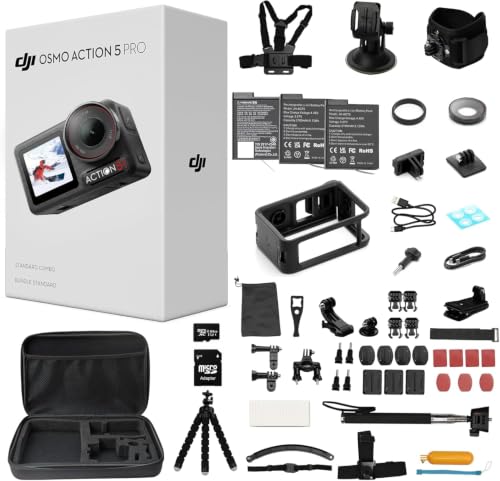


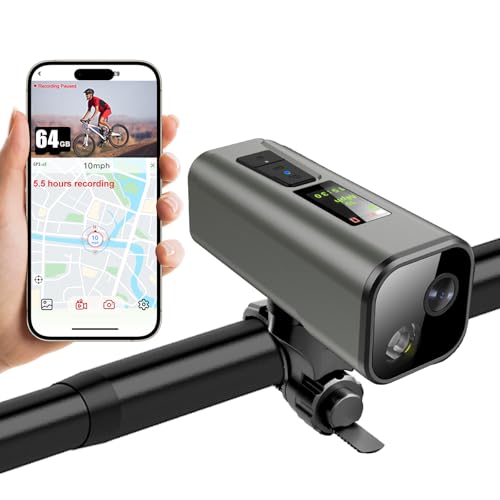

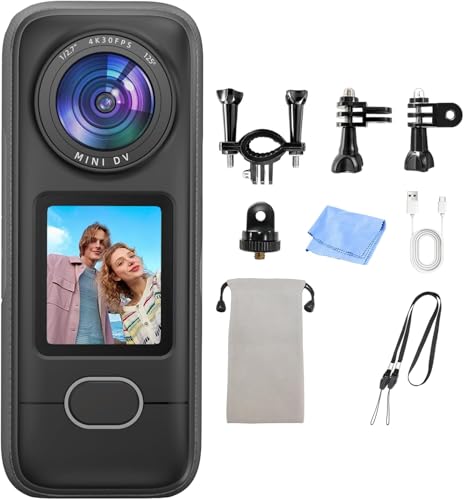

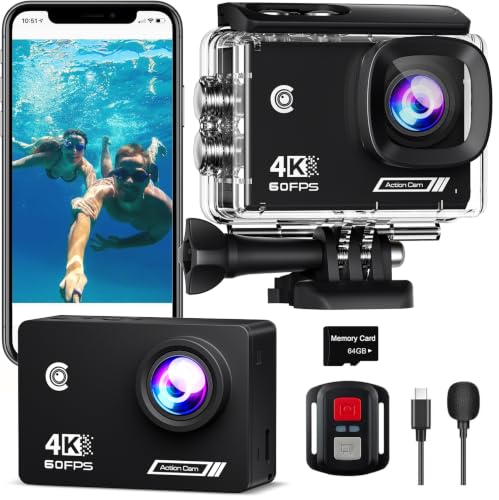

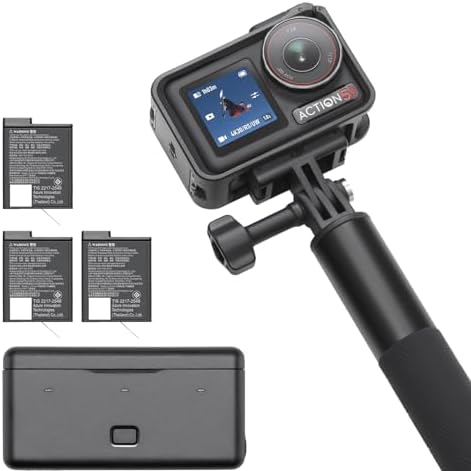
How Action Cameras Compare to Other Options
An action camera is built to survive vibration, weather, and the odd knock while recording wide angle video from a mount. Other camera types can film a ride, but each one trades away something a cyclist usually needs. The table below gives the quick picture before the detailed comparisons.
| Type | Best For | Pros | Cons | Typical Price |
|---|---|---|---|---|
| Action Cameras | Mounting on a bike or helmet | Small, tough, strong stabilization, weather sealed | Fixed wide lens, small screen | about $100 to $400 |
| Mirrorless Cameras | Studio quality footage off the bike | Large sensor, swappable lenses, shallow depth of field | Heavy, fragile, poor fit for bar mounts | about $500 to $2,000 |
| Point and Shoot Compacts | Casual photos and short clips | Simple controls, pocket size, optical zoom | Weak stabilization, limited mounts | about $150 to $500 |
| Smartphones | Occasional short recordings | Already owned, good screen, easy sharing | Hard to mount safely, drains the phone battery | about $0 extra |
Action Cameras vs Mirrorless Cameras
A mirrorless camera records richer video with a larger sensor and interchangeable lenses, and it wins easily for interviews or scenery filmed off the bike. On the bike it is heavy, expensive to drop, and hard to mount without shake. An action camera gives up lens choice and sensor size but gains rugged sealing, electronic stabilization, and a body you can bolt to a handlebar. Riders who film the ride itself should start with an action camera.
Action Cameras vs Point and Shoot Compacts
A compact camera offers optical zoom and a familiar shape, which helps for still photos at rest stops. Its stabilization is tuned for a steady hand, not for a buzzing handlebar, and most models lack the threaded mounts and protective housings action cameras use. Compacts also tend to shut down sooner in rain. If your goal is smooth ride footage rather than zoomed photos, the action camera is the better tool.
Action Cameras vs Smartphones
A modern phone shoots sharp video and costs nothing extra, so it tempts many riders. The problems show up on the road: vibration can damage the phone camera over time, the battery also runs your navigation and calls, and a phone is awkward to operate with gloves. A dedicated action camera keeps the phone safe in a pocket and records for the whole ride. Broader guides to the best action cameras cover general use, while this page stays focused on riding.
Who Should Choose an Action Camera for Cycling?
The modifier matters here, because cycling creates vibration, weather exposure, and safety needs that other sports do not. The groups below are the riders who gain the most.
Road Riders Who Want a Safety Record
Road riders in traffic often record every ride so incidents are documented. You need loop recording that overwrites the oldest footage, a battery plan for rides over two hours, and a mount that keeps the lens level. A rear facing camera or a 360 degree model can capture plates and passing distance better than a forward only unit.
Mountain Bikers Filming Trail Days
Trail riders care about stabilization above everything, because roots and rock gardens shake cheap cameras into useless blur. Look for top tier electronic stabilization, a chest or helmet mount that follows your body, and a housing that shrugs off mud and spray. Higher frame rates also help, since slow motion makes rough sections easier to watch and share.
Commuters Recording Daily Trips
Commuters need a camera that starts fast, survives rain, and recharges at a desk. Compact size matters because the camera comes off the bike at every stop. Simple one button recording and automatic loop mode matter more than maximum resolution. Our overview of best action video cameras explains general video features, and commuters should weigh those against size and weather sealing.
How to Choose the Best Action Cameras for Cycling
Features That Matter for Cycling
Cycling shakes a camera hundreds of times per minute, so stabilization quality is the first feature to judge. Strong electronic stabilization smooths road buzz and trail chatter without a gimbal. Next comes weather sealing, because rides do not stop for drizzle. Voice control or glove friendly buttons also matter, since you should only change settings while stopped.
Set the camera up before you set off, keep both hands on the bars while moving, and never adjust the camera while riding.
Resolution, Frame Rate, and Field of View
Most riders should record at 4K and 30 frames per second for a balance of detail and file size, or 60 frames per second for fast descents. Action cameras use a fixed wide lens rather than optical zoom, and the field of view is usually adjustable in software from wide to narrow. A wider view captures more of the road and your bars, while a narrower view reduces edge distortion on faces and signs.
Battery Life and Loop Recording
Expect about 60 to 120 minutes of recording per battery depending on resolution and temperature, and cold weather shortens that range. Long ride riders carry a spare battery or a small power bank for stops. Loop recording splits video into short segments and overwrites the oldest when the card fills, which suits safety recording. Turn loop mode off for trail days so your best descents are never erased.
Mounts and Placement
The mount decides your footage as much as the camera does. A handlebar mount gives a stable forward view but picks up the most vibration. A chest mount shows your arms and the trail ahead, which feels natural for mountain biking. A helmet mount follows your gaze but adds weight up high.
Whatever you choose, tether the camera with a short safety cord so a failed mount does not mean a lost camera.
Low Light Performance
Dawn commutes and shaded forest trails push small sensors hard, and grain rises fast once light drops. A larger sensor and a lower maximum ISO noise level help more than headline resolution here. Recording at 30 frames per second lets each frame gather more light than 60. Never look directly at the sun when you angle a camera upward to check its view, and treat oncoming headlights as a glare problem that a slight downward tilt can reduce.
Size, Weight, and Build
Most action cameras weigh about 100 to 160 grams with the battery, light enough for a helmet on short rides. Heavier 360 degree models suit bar mounts better. Check that the lens cover is replaceable, because gravel strikes are a normal part of riding. Budget guides such as best inexpensive action cameras show how much build quality you give up at the lowest prices.
Choosing Action Cameras for Your Situation
Best Security Cameras for Cycling
Riders searching for best security cameras for cycling usually want evidence, not entertainment. Prioritize loop recording, a wide field of view that captures plates, and a battery or USB power setup that lasts a full commute. Some riders add a rear facing camera because most close passes happen from behind. Visible recording can also calm road conflicts, and you should check local rules on recording and sharing footage of other road users.
Care and Maintenance Tips
Wipe the lens with a clean lens cloth, not your jersey, because grit on fabric scratches coatings. Carry a spare battery and a spare card so a full card never ends a recording early. After wet rides, open the battery door, let the camera dry fully, and store it in a dry padded bag. Check mount bolts before each ride, replace a cracked housing right away, and rinse salt and trail grit off with fresh water before drying.
Action Cameras: Your Questions Answered
What features matter most in action cameras for cycling?
Stabilization matters most, because a bike sends constant vibration through every mount. Weather sealing, glove friendly controls, and replaceable lens covers come next for real road and trail use. Loop recording is essential for safety focused riders, while fun focused riders should value frame rate options. Treat headline resolution as a secondary concern once those basics are covered, since smooth sealed footage beats shaky sharp footage.
Where should a cycling action camera be mounted?
A chest mount gives the most natural trail footage because it frames your arms, the bars, and the path ahead. A handlebar mount is simpler and steadier on smooth roads, and it suits commuters who remove the camera often. Helmet mounts follow your gaze but can feel heavy on long rides. Whichever mount you pick, add a tether and check the angle while stopped, never while rolling.
How long does an action camera battery last on a bike ride?
Most models record about 60 to 120 minutes per charge, with 4K at high frame rates near the low end. Cold mornings, wind chill on a bar mount, and heavy stabilization all shorten that time. Carry a spare battery for rides over two hours and swap it during a stop. Reducing the frame rate to 30 and lowering screen brightness are the two easiest ways to stretch a single battery.
Is a smartphone enough for filming bike rides?
A phone works for a short, occasional clip on smooth roads. For regular filming it falls short, because road vibration can harm the phone camera, mounts are less secure, and the same battery powers your maps and calls. A phone screen is also hard to use with gloves. Riders who film weekly usually move to a dedicated camera, and still photo fans can compare best cameras for action photos for stop action stills.
How much should a cyclist spend on a first action camera?
Plan on about $150 to $300 for a first camera with stabilization and sealing you can trust. Under about $100, stabilization and low light results usually disappoint on a moving bike. Above about $300 you pay for 360 degree capture, larger sensors, and longer battery options. Put part of the budget aside for mounts, a spare battery, and a fast memory card, since the camera alone is not the whole cost.
Wrapping Up
For most riders, the best action cameras for cycling choice comes down to strong stabilization, honest weather sealing, and a mount that fits your riding style. Safety recorders should add loop recording and battery range, while trail riders should favor stabilization and frame rates. Compare your shortlist against the product table above, set everything up before you roll, and let the camera do its work while you keep your hands on the bars.


