Best Affordable Train Sets: Every Type Explained Side by Side for 2026
Disclosure: We may earn a commission when you buy through links on this page, at no extra cost to you. As an Amazon Associate I earn from qualifying purchases. Learn more

Compare the best affordable train sets by type, scale, power, and price, with a clear checklist on safety, durability, expandability, and warranty support.
Train sets look simple in a photo, but the types differ a lot. Some are wooden push along sets for toddlers, some are battery powered plastic sets for playrooms, and some are electric scale models that grow into a lifelong hobby.
This guide compares each type side by side so you can choose best affordable train sets that fit the age of the user, the space you have, and how long you want the set to last. Start with the comparison table below, then use the type breakdowns to narrow your choice.
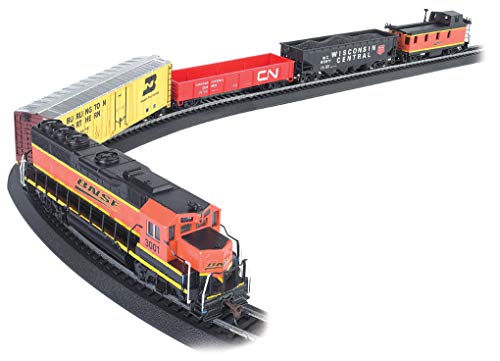


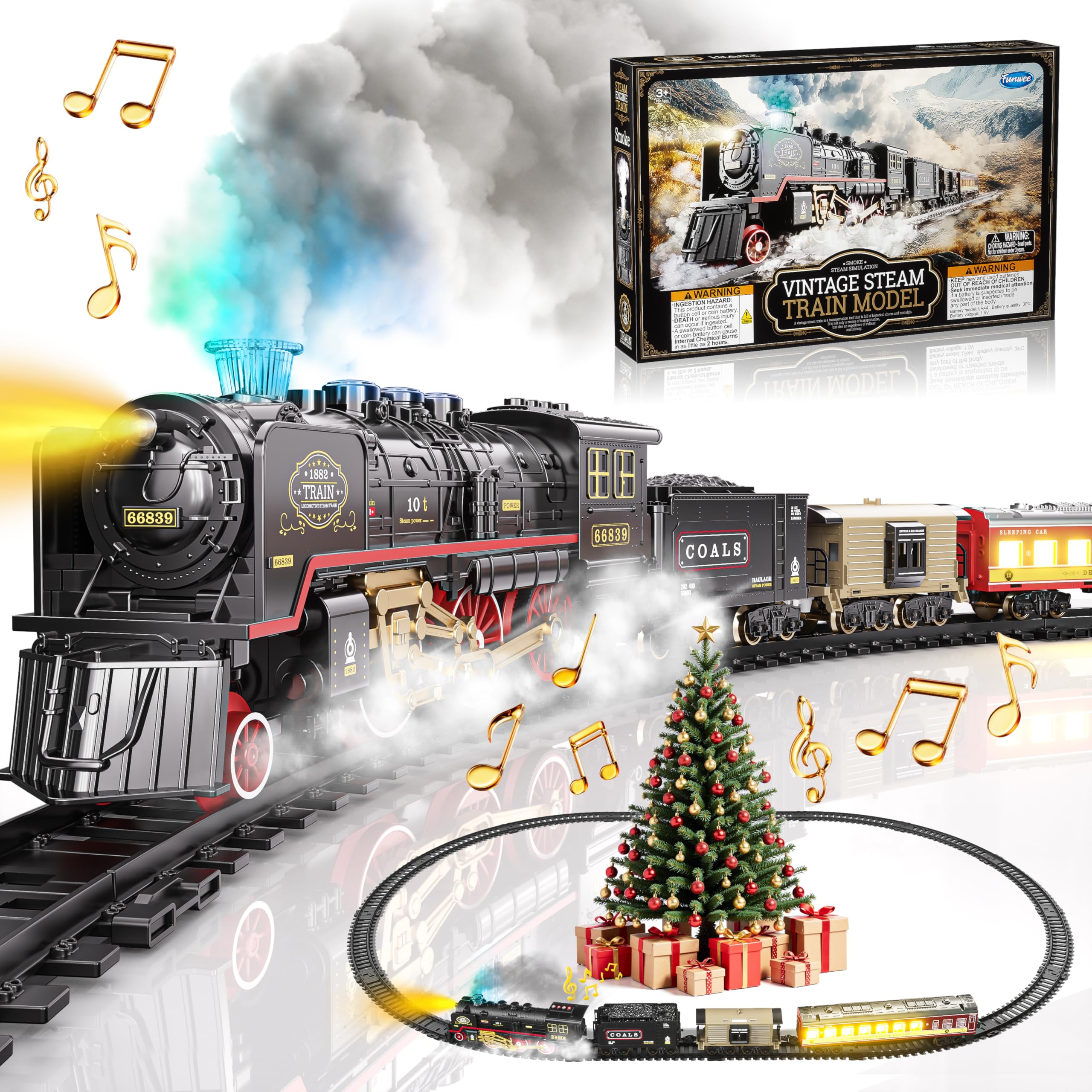

Types of the Best Affordable Train Sets Compared
The word affordable means different things in each category. A toddler set that costs around $40 can be excellent value, while a scale electric set under $100 usually cuts corners on the controller or track quality. Judge each type by what it does well rather than by price alone.
Premium Options
Premium options in the affordable range are usually electric scale sets with a die cast or well finished locomotive, metal wheels, and a controller with smooth speed control. They run quietly, pull several cars without straining, and accept extra track and buildings from the same scale family. The trade off is fragility, because small details and couplers break in rough hands, and the price reaches around $200 to $350. Choose a premium set for an older child or adult beginner who will run trains on a table and keep parts stored safely between sessions.
Mid Range Options
Mid range options cover most family buyers. Expect a battery powered or basic electric locomotive, sturdy plastic track that clicks together firmly, sounds and lights, and enough cars to feel like a real train. Prices sit around $70 to $180 depending on scale and track length. These sets balance durability and detail, and many let you add expansion packs later. The limits are usually plastic wheels, simpler paint, and a controller or remote with fewer fine speed steps. For a gift that should last several years of regular play, this tier is often the smartest spend.
Compact Options
Compact options are small oval sets, briefcase style layouts, and mini battery sets built for apartments, desks, and travel. Track footprints can fit on a coffee table, and storage is easy because everything packs into one box. Prices run around $40 to $120. The compromise is realism and pulling power, since tiny motors and short cars cannot handle long trains or steep grades. Choose a compact set when space is the deciding factor, or as a starter set to test interest before committing to a full layout.
Budget Options
Budget options include wooden railway sets for young children and simple plastic battery sets sold around $25 to $60. Wooden sets shine for open ended play, because track pieces work across many brands and there are no wires or small powered parts. Plastic budget sets add motion and sound for very little money, but track joints can loosen and motors can be loud. These sets suit toddlers, preschoolers, and casual seasonal use such as a loop under a holiday tree. Expect to replace batteries often and to accept simpler detail.
For a wider view across all price levels before you commit, see our guide to the best train sets and then return to the affordable types here.
Premium Options vs Mid Range Options: Which Should You Choose?
Compare these two tiers on five points. First, running quality: premium controllers give smoother starts, which matters for scale realism. Second, durability: mid range sets tolerate drops and eager hands better. Third, expandability: premium scale track systems offer far more switches, crossings, and buildings. Fourth, storage and setup: mid range sets usually assemble faster and pack away with less care. Fifth, total cost: premium sets invite spending on scenery and extra cars. Pick premium for a hobby path, and pick mid range for family play that must survive real life.
How to Choose the Right Train Set
What You Can Realistically Get on a Budget
Under around $60, expect wooden or basic battery sets with a short loop of track and a few cars. Around $70 to $180 buys the family sweet spot, with stronger track joints, better motors, and sound features. Above around $200, affordable sets start to overlap hobby grade gear, with better controllers and metal parts. Do not skimp on track quality, because wobbly joints cause most derailments and frustration. A smaller set with solid track beats a huge set with flimsy track every time.
Safety and Certifications
For young children, check the age grade on the box and look for smooth edges, large parts, and non toxic finishes. Small detachable parts are a choking risk for children under three, so wooden sets with chunky pieces are safer for that age. Electric sets should have a controller that stays cool and cords in good condition, and adults should handle wall power connections. Keep button batteries in remotes secured with a screw cover, and store them out of reach. When a set will be used by mixed ages, choose the safety level of the youngest child in the room.
Intended Use and Who It Is For
Decide who the primary user really is. Toddlers need push along play and cause and effect fun. School age children enjoy remote control, sounds, and building new layouts each week. Teens and adults lean toward scale accuracy, realistic operation, and collecting cars over time. A set bought for display around a holiday tree has different needs again, mainly reliable running for short sessions and easy storage. Naming the main user first prevents the common mistake of buying a delicate scale set for a rough and tumble playroom.
Price vs Value
Value comes from hours of use, not piece count. A set with fewer pieces but strong couplers, a reliable motor, and track that stays aligned will be used far more than a giant cheap set that derails every lap. Think about cost per season of use, and add the price of batteries or a power supply if they are not included. Expansion packs can double the fun of a mid range set for around $20 to $40, which is often better value than buying a larger set at the start.
Warranty and Customer Support
Check the warranty length and what it covers, especially the motor and controller, which are the parts most likely to fail. Good support means replacement track pieces and couplers are easy to order, and the manual lists part numbers clearly. Keep your receipt and register the product if the maker offers it. For wooden sets, warranty matters less because pieces rarely fail, but split or splintered pieces should be replaced free. A brand with a real support page and spare parts list is a strong sign the set will stay usable for years.
How to Make Your Train Set Last Longer
- Read the manual before first use. Correct track assembly and battery direction prevent most early problems.
- Clean and inspect regularly. Wipe track surfaces and wheels with a dry cloth, because dust and carpet fibers cause stalls and derailments.
- Store in a dry place. Damp air corrodes metal wheels and contacts, and heat warps plastic track, so a closed bin in a closet works well.
- Remove batteries during long storage. Leaking cells can ruin a locomotive, and a quick check every few months protects your set.
FAQs
How do I maintain a train set?
Keep track clean, wheels free of lint, and moving parts dry and dust free. Wipe rails or track slots with a soft cloth after floor play, since carpet fibers wrap around axles quickly. Store pieces flat so track does not warp, and check couplers for cracks every few months. A small soft brush, sold for hobby use, reaches between wheels and details without scratching paint.
Are expensive train sets worth it?
They are worth it when the user wants smooth running, realistic detail, and a layout that grows over years. Higher prices usually buy better motors, metal wheels, and controllers that start a train without a lurch. They are not worth it for toddlers or casual seasonal use, where durability and simple fun matter more. Match the spend to the seriousness of the interest, not to the size of the box.
What features matter most when buying train sets?
Track quality, a reliable motor, and the right scale for your space matter most. After that, look at coupler strength, controller feel, and whether expansion track is easy to buy. Sound and light features delight children but add battery drain. If you plan to grow the layout, confirm that extra cars and switches in the same scale are still sold, because discontinued systems strand your investment.
How much should I spend on a train set?
Plan around $30 to $60 for a toddler wooden set, around $70 to $180 for a family battery or electric set, and around $200 to $350 for a hobby leaning starter set. Add a little for batteries, extra track, or a storage bin. Spending slightly more for solid track and a good controller saves money later, because a frustrating set gets abandoned and replaced.
How long does a train set last?
A wooden set can last a decade or more and often passes to younger siblings. Battery and electric sets commonly last three to eight years with clean storage and gentle handling, with motors and controllers as the usual wear points. Scale sets kept on a table can run for decades when track stays clean. Longevity depends far more on storage and handling than on the original price.
Wrapping Up
Start with the user and the space, then pick the type, then check track quality and support. Those steps filter out most poor choices quickly. When your shortlist is ready, compare the best affordable train sets in the product table above by type and total cost, including batteries and expansion track. The right set is the one that runs smoothly, stores easily, and gets pulled out again and again.