
Best Acer Aspire Laptops 2026: A Practical Buying Guide
Disclosure: We may earn a commission when you buy through links on this page, at no extra cost to you. As an Amazon Associate I earn from qualifying purchases. Learn more

Learn how to choose Acer Aspire laptops by processor, memory, screen, and battery life, with tips for students, home use, and office work. for study and work.
Acer Aspire laptops cover a wide range, from affordable everyday models to faster machines for study and office work. The name covers many configurations, so specifications matter more than the brand line alone. best acer aspire laptops reward buyers who check processor, memory, and screen before price.
This guide explains how to read Aspire configurations, which specs matter for common tasks, and where to spend extra money. It helps students, home users, and office workers avoid paying for power they will not use.
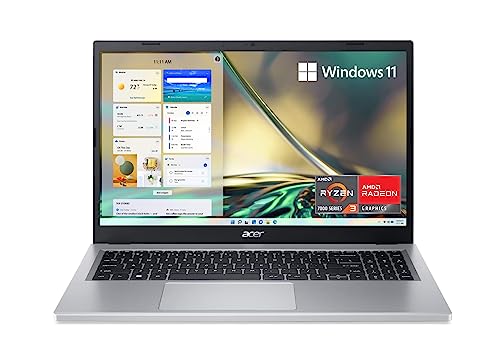

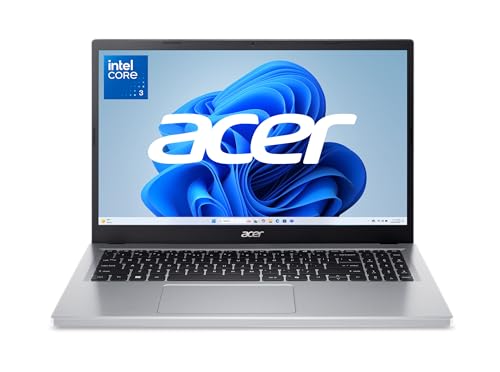


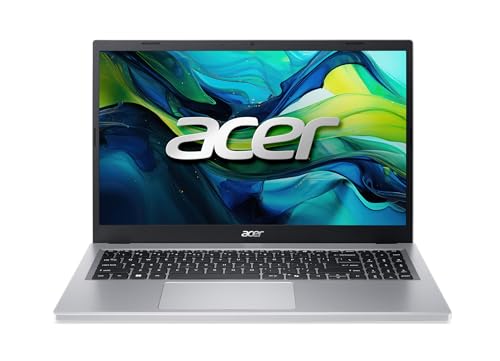
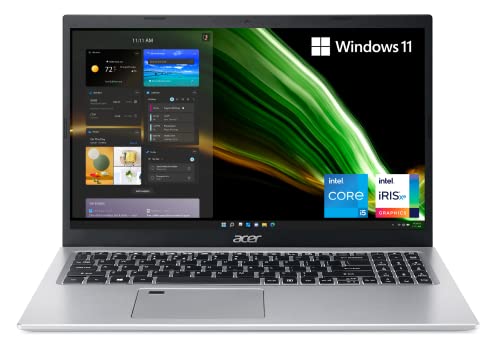

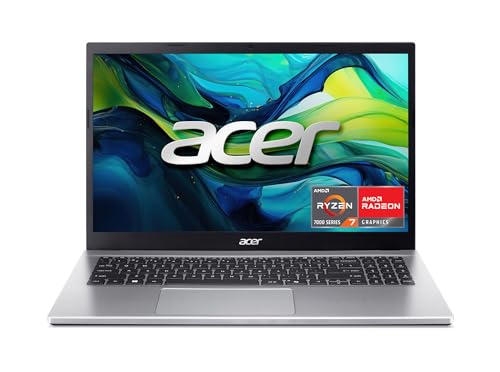

The comparison table below gives a quick overview of the main choices. The sections that follow explain types, features, and everyday use, so you can match a model to your routine rather than to a showroom display.
Who Should Buy Which Model
Aspire laptops suit students and home users who need reliable everyday performance at a fair price. They handle documents, browsing, video calls, and light photo work well. Many models are light enough for a backpack and quiet enough for a library.
They are a weaker fit for heavy gaming or professional video editing, where dedicated graphics and stronger cooling matter more. If you edit large video files daily or play demanding games, a gaming line may serve you better.
Types Compared
Most choices fall into a few clear types. The differences below matter more than small specification gaps, because they decide how the product feels in daily use.
Everyday Aspire models
Everyday models focus on value, battery life, and portability. They use efficient processors and integrated graphics, which suit browsing, documents, and streaming. These models are often the lightest and quietest in the line.
Everyday models can struggle with many heavy tabs, large spreadsheets, or photo editing at once. If you multitask heavily, choose more memory and a faster processor within the same line.
Aspire models for study and office
Study and office models add more memory, faster storage, and brighter screens. They handle research, video calls, and office software with less slowdown. A comfortable keyboard and a clear webcam matter for long study days.
These models cost more than basic versions, and the differences can be hard to spot in listings. Compare memory, storage type, and screen brightness side by side, not just processor names.
Aspire models with stronger performance
Stronger Aspire models use faster processors and sometimes entry level dedicated graphics. They suit light content creation, larger spreadsheets, and casual games. They bridge everyday use and more demanding work.
Stronger models run warmer and heavier, and battery life can drop under load. Check cooling reviews and real battery tests, since maker claims often assume light use.
Key Features to Compare
Processor and memory
Processor and memory decide how smoothly multitasking feels. For everyday use, a modern midrange processor with 16 GB of memory is a safe target. Heavy multitaskers and students with many tabs open benefit most from extra memory.
Storage type and size
Solid state storage makes a laptop feel fast, with quick startup and app loading. A 512 GB drive suits most users, while 256 GB can feel tight after a year of files and apps. Check whether storage can be upgraded later.
Screen size and quality
Screen size affects portability and comfort. A 14 inch screen balances travel and readability, while 15.6 inches gives more workspace. Brightness and color matter for outdoor use and photo work, so check brightness ratings.
Battery life and charging
Battery claims vary with use, so look for real world tests at normal brightness. A laptop that lasts a full school or work day without a charger is worth more than a slightly faster model that needs midday charging.
Common Mistakes to Avoid
A common mistake is choosing by processor name alone. The same processor family includes very different performance levels. Check the full model number, memory, and storage together before comparing prices.
Another mistake is buying the cheapest model with too little memory. A laptop with 8 GB may feel fine at first, then slow as software grows. Spending a little more on memory often extends useful life by years.
Budget and Long Term Value
Everyday Aspire models cost about $350 to $600, while study and office models often run about $500 to $800. Stronger configurations can reach about $900 or more. For most buyers, the middle range gives the best balance.
Long term value comes from upgradeable memory or storage, a sturdy hinge, and a battery that can be replaced. A laptop that can grow with your needs costs less over time than a sealed model replaced early.
A Final Check Before You Order
Before you order, list your heaviest daily tasks and match them to processor and memory needs. Check screen size against your bag, and confirm weight feels comfortable for daily carrying.
Compare at least two configurations with the same screen size. Note memory, storage, and battery differences, not just price. If possible, test keyboard feel and trackpad size in a store before buying online.
Related guides can help you compare nearby choices before you decide. Readers who want a wider view often look at best notebook laptops, best acer laptops, best acer laptops for students, best acer gaming laptops and best acer laptops under 500 alongside this guide, then return here to check size, fit, and daily use against their own routine.
Getting the Most From Your Choice
Once you have narrowed your list to two or three options, compare them side by side on the points that matter most for your daily routine. For best acer aspire laptops, the deciding factors are usually fit, size, and how the product behaves after the first few weeks, not the longest feature list. Write down your top three needs before you compare, and score each option against those needs only.
In the first week, test the basics carefully. Check fit, controls, and comfort in real conditions, and keep packaging until you are sure. Small annoyances in week one often grow into daily frustrations, so it is better to notice them early while a return or exchange is still easy.
Care and upkeep protect your purchase over time. Follow maker guidance for cleaning and storage, and check moving parts, seals, or straps regularly for wear. Simple upkeep, done on a schedule, often extends useful life far more than buying a more expensive model and neglecting it.
Finally, think about total cost, not just purchase price. Running costs, replacement parts, and accessories add up over a year. A slightly pricier option with lower upkeep can cost less overall than a cheap option that needs frequent replacements or repairs.
Questions to Ask Before You Order
Use these questions as a final checklist before you buy. They help you catch fit, cost, and upkeep issues while a change is still easy.
- Does this option fit my space, my routine, and the people who will use it most?
- What will I need to clean, maintain, or replace in the first year?
- Which features will I actually use every week, and which are only nice to have?
- Can I return or exchange it easily if the fit or comfort is wrong?
- Does the total cost, including accessories and upkeep, stay within my budget?
Frequently Asked Questions
Are Acer Aspire laptops good for students?
Yes, for most study tasks. They handle documents, research, video calls, and presentations well. Choose 16 GB of memory and solid state storage for smoother multitasking across a school day.
Can Aspire laptops handle light gaming?
Many can handle casual and older games at modest settings. Demanding modern games need dedicated graphics and better cooling, which gaming lines provide. Check graphics specifications before buying for gaming.
How much storage do I need?
A 512 GB solid state drive suits most users, covering apps, documents, and photos. If you store large video files, choose 1 TB or plan for external storage. Avoid 128 GB drives for a main laptop.
Is 8 GB of memory enough?
It can be enough for light use, but it limits multitasking. With many browser tabs and office apps open, 16 GB feels smoother and lasts longer. It is one of the best upgrades for everyday laptops.
Do Aspire laptops have good battery life?
Many everyday models last a full work or school day under light to moderate use. Heavier tasks shorten battery life a lot. Check real world battery tests rather than maker claims alone.
Final Thoughts
An Aspire laptop is a good buy when its configuration matches your daily work, not just its price tag. Processor, memory, storage, and screen together decide how it feels after a year of use.
Compare configurations carefully, prioritize memory and storage, and test comfort if you can. Done well, best acer aspire laptops give students and home users reliable performance without overspending.
Use the product table above to shortlist two or three options, then check measurements, fit, and running costs once more before you buy.


