
Best 650b Mountain Bike Tires: Our 2026 Checklist
Disclosure: We may earn a commission when you buy through links on this page, at no extra cost to you. As an Amazon Associate I earn from qualifying purchases. Learn more

Use this checklist to find the best 650b mountain bike tires, covering tread, casing, width, tubeless setup, and the warning signs of a poor quality tire.
Tires are the only part of your bike that touches the trail, so they shape grip, comfort, rolling speed, and flat protection more than any upgrade at twice the price. Yet tire listings lead with confusing codes and tread photos that tell you little about how a tire behaves on your local dirt. This checklist shows you how to judge the best 650b mountain bike tires by tread design, casing, width, and compound, in that order.
Work through the evaluation criteria first, then use the tier guidance and the quick checklist to match a tire to your terrain and riding style. The comparison table below gathers current options, and the red flags section will help you spot the vague listings and flimsy constructions that waste money and end rides early.

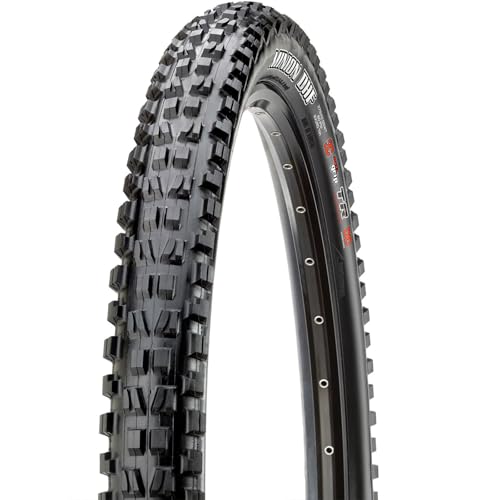
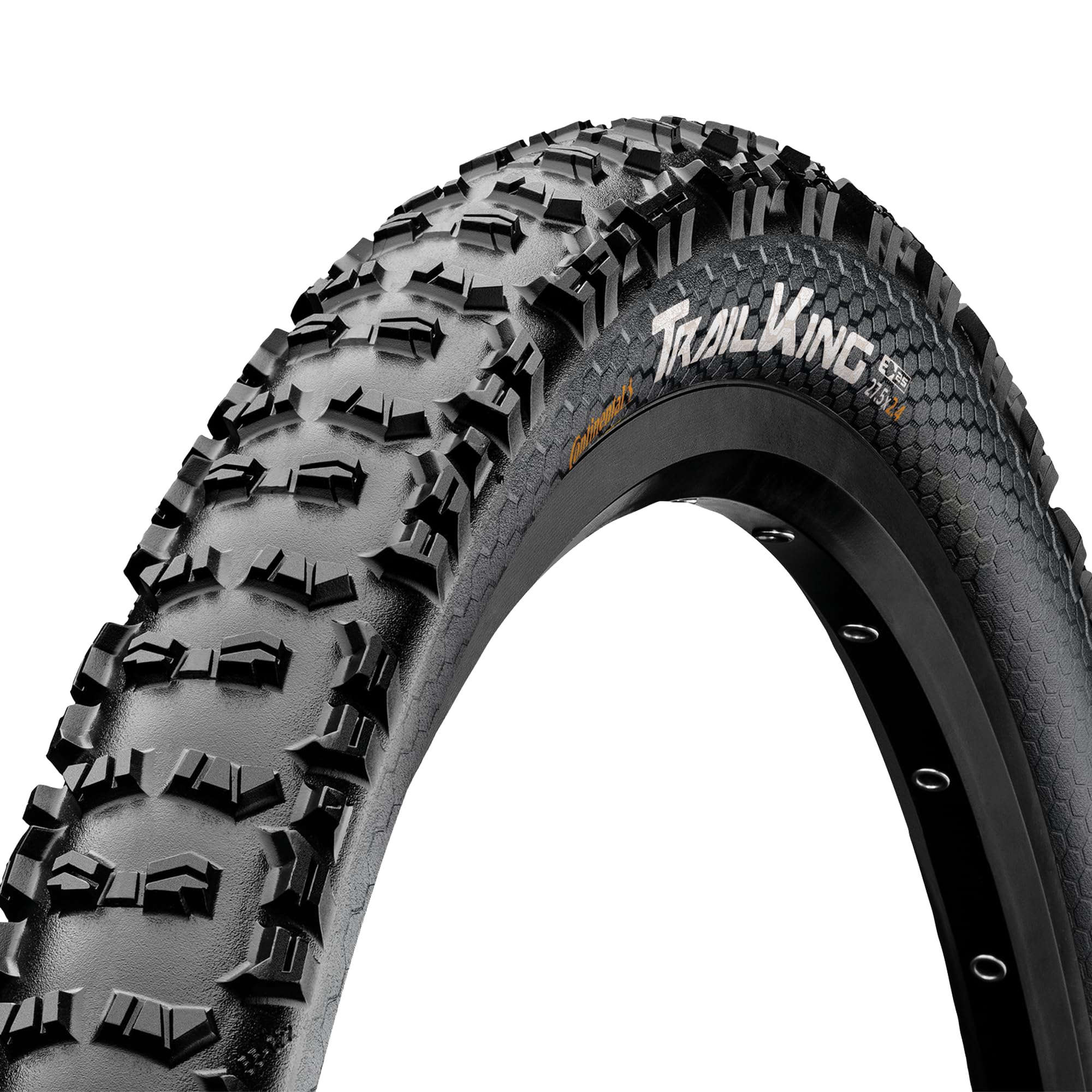

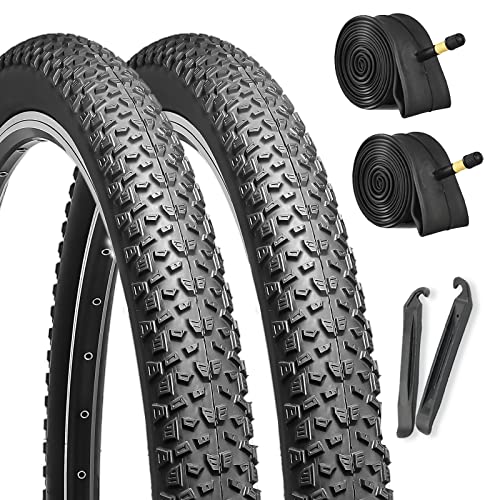


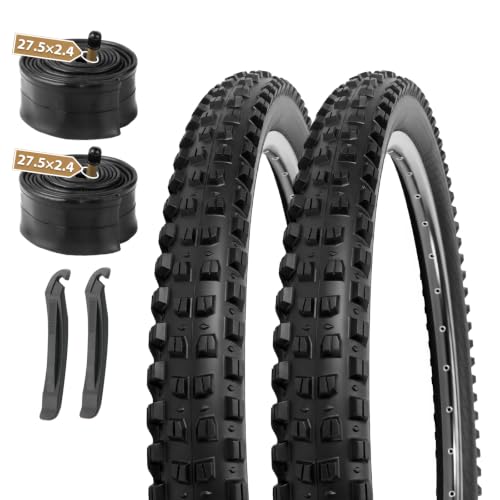

How to Evaluate the Best 650b Mountain Bike Tires
Score any tire against these six criteria before you look at price. A tire that fails on compatibility or casing strength is a bad buy even on sale, while a tire that matches your trails can transform a midrange bike.
Wheel and Frame Compatibility
Confirm the tire diameter matches your 650b wheels, also labeled 27.5 inch, because similar looking sizes do not interchange. Check the width against your rim width and frame clearance: most trail rims pair well with tires about 2.3 to 2.6 inches wide. Mud clearance matters too, so leave a few millimeters between tire and frame. If you are also shopping wheels or a complete bike, our guide to the best 650b mountain bike explains how tire choice interacts with geometry and travel.
Warranty and Brand Support
Reputable tire brands publish clear casing and compound details and stand behind defects like misshapen beads or early cracking. Look for sellers with straightforward returns, because a tire that will not seat or hold air needs an easy exchange. Keep your receipt and note the batch markings on the sidewall if a claim arises. A slightly higher price from a maker with real support usually beats a bargain tire with no one to contact when it fails.
Ease of Installation
A good tire mounts by hand or with one lever, seats with an audible pop, and holds air without drama. Tubeless ready beads and rims make setup far easier than older designs. If a tire needs extreme force to mount, it will be miserable to repair trailside with cold hands. Add sealant through the valve after removing the core, inflate, and spin the wheel so sealant coats the inside evenly before your first ride.
Safety Features
For tires, safety means puncture protection, a bead that stays locked on the rim, and sidewalls that resist cuts on rock. Reinforced casings add a protection layer under the tread and around the sidewalls, trading a little weight for far fewer flats. Reflective sidewall strips on some models help for road stretches between trails. Replace any tire with visible casing threads, deep sidewall cuts, or a bulge, because those failures can cause a sudden loss of air and control.
Features and Extras
Useful extras include clear markings for rotation direction, measured width guidance, and compounds tuned per zone, with softer rubber on cornering knobs and firmer rubber in the center for wear. Some tires offer several casing weights under one tread pattern, letting you choose speed or protection. Folding beads save weight and pack smaller as a spare. Skip decorative extras and spend on the casing level that matches your terrain instead.
Performance Specs
The specs that matter are tread pattern, casing weight and thread count, rubber compound, and recommended pressure range. Taller, widely spaced knobs grip mud and loose dirt but roll slowly on hardpack, while low, tight knobs roll fast and suit dry trails. Higher thread counts feel supple and grip well, while heavier casings shrug off rock strikes. Riders focused on racing should compare our guide to the best xc mountain bike tires, where low weight and rolling speed rank first.
What Each Tier Should Deliver
All Around Tier
The all around tier, around $60 to $90 per tire, balances grip, durability, and weight with a reinforced casing and a modern compound. Expect confident cornering on mixed trails, reasonable rolling speed, and a tire that lasts a full season or more. This is the right spend for riders who ride varied terrain weekly. The compromise is weight versus the lightest racing tires, and a price that stings when you buy a pair at once.
Value Tier
Value tires, around $35 to $55, use simpler compounds and casings but keep proven tread patterns. They suit newer riders, spare wheels, and bikes ridden on milder trails. Wear comes faster and wet grip is a step behind premium rubber, yet the savings can fund a second tire for different conditions. For general trail use across conditions, see how these compare in our broader guide to the best mountain bike tires.
Heavy Use Tier
Heavy duty tires, around $70 to $100, add the toughest casings, sometimes with extra layers that resist pinch flats and rim strikes on rocky descents. Bike park riders, heavier riders, and anyone on sharp rock should shop here. The penalty is pedaling weight you feel on every climb. Pair a heavy casing rear tire with a lighter front tire if you want protection where flats strike most and steering grip up front.
Quick Buyer Checklist
- Does the tire match your 650b wheels and clear your frame and fork?
- Is the width right for your rim width and your typical trail surface?
- Does the tread pattern suit your driest and loosest common conditions?
- Is the casing strong enough for your rocks, roots, and riding weight?
- Is the tire tubeless ready if you run or plan to run sealant?
- Do the pressure markings fit the range you actually ride?
- Is the seller return policy clear if the tire will not seat or hold air?
Red Flags to Watch For
Avoid listings with no casing or compound information at all, because serious makers publish both. Be wary of tires with cracked looking rubber in photos, weights far below comparable models, which hints at paper thin sidewalls, and prices that seem too good for a reinforced model. Vague size labels without the standard metric marking, such as 584 for the 650b bead diameter, are another warning. Finally, distrust any tire sold without a stated pressure range, since safe inflation limits are basic information.
Care and Maintenance Tips
Check pressure before every ride with a gauge, because a few psi changes grip and flat risk noticeably. Inspect knobs and sidewalls monthly for cuts, embedded thorns, and worn center tread, and refresh tubeless sealant every 3 to 6 months since it dries out inside the tire. Our guide to the best mountain bike tire sealant explains amounts and timing. Store spare tires cool and out of sunlight, and rotate a fresh tire to the front when the rear wears, since front grip matters most for steering. Aggressive trail riders can also compare patterns in our guide to the best trail mountain bike tires.
650b Mountain Bike Tires: Your Questions Answered
Will 650b mountain bike tires fit my bike?
They fit if your wheels are 650b, also marked 27.5 inch or with a 584 mm bead diameter, and your frame clears the width. Check the marking on your current tire sidewall before ordering. A 29 inch wheel cannot take these tires, and forcing a mismatched bead is unsafe. When in doubt, your bike shop can confirm wheel size in seconds.
Do I need professional installation for new tires?
No, most riders can install tires at home with tire levers, a pump, and sealant for tubeless setups. The skill worth learning is seating the bead evenly, which a compressor or a booster pump makes easier. A shop visit helps if a tire refuses to seat or you suspect rim damage. Learning the job at home means trailside flat repairs stop feeling intimidating.
What tire specs matter most?
Tread pattern and casing matter most, because they decide grip and flat protection on your actual trails. Width comes next, matched to rim and terrain, then compound for wet versus dry grip. Weight matters mainly for racing and long climbs. Ignore marketing terms and compare those four concrete traits across any tires on your shortlist and the choice usually becomes obvious.
How long do mountain bike tires last?
A rear tire on abrasive trails may wear in about 500 to 1000 miles, while a front tire often lasts twice as long. Replace a tire when center knobs round off, side knobs tear, or cuts reach the casing. Rotating a new tire to the front and moving the old front to the rear stretches your budget. Age matters too, since rubber hardens over several years even with low miles.
Our Verdict
Match tread to your loosest common surface, buy the casing your rocks demand, and set pressure with a gauge rather than a thumb squeeze. The product table above collects current options so you can compare widths, casings, and prices side by side. Chosen with this checklist, the best 650b mountain bike tires give you grip you can trust in corners and the quiet confidence that your tires will get you home.


