
Best Accent Chairs for Living Room: Types, Comfort and Fit Guide
Disclosure: We may earn a commission when you buy through links on this page, at no extra cost to you. As an Amazon Associate I earn from qualifying purchases. Learn more

The best accent chair for living room use balances comfort, fabric and footprint. Compare armchair, compact and premium types before you buy.
A living room can have a good sofa and still feel unfinished, with no seat that invites one person to sit down with a book or join a conversation. Choosing the best accent chair for living room use means balancing comfort for daily sitting with a size and style that fit the room you already have. This guide compares chair types by support, build quality, and footprint so you can narrow your choice before you shop. You will find the main types in the comparison table below.
Start with how the chair will be used. A seat for reading needs different support from a seat that mainly holds guests, and a chair in a busy family room needs fabric that handles daily wear.


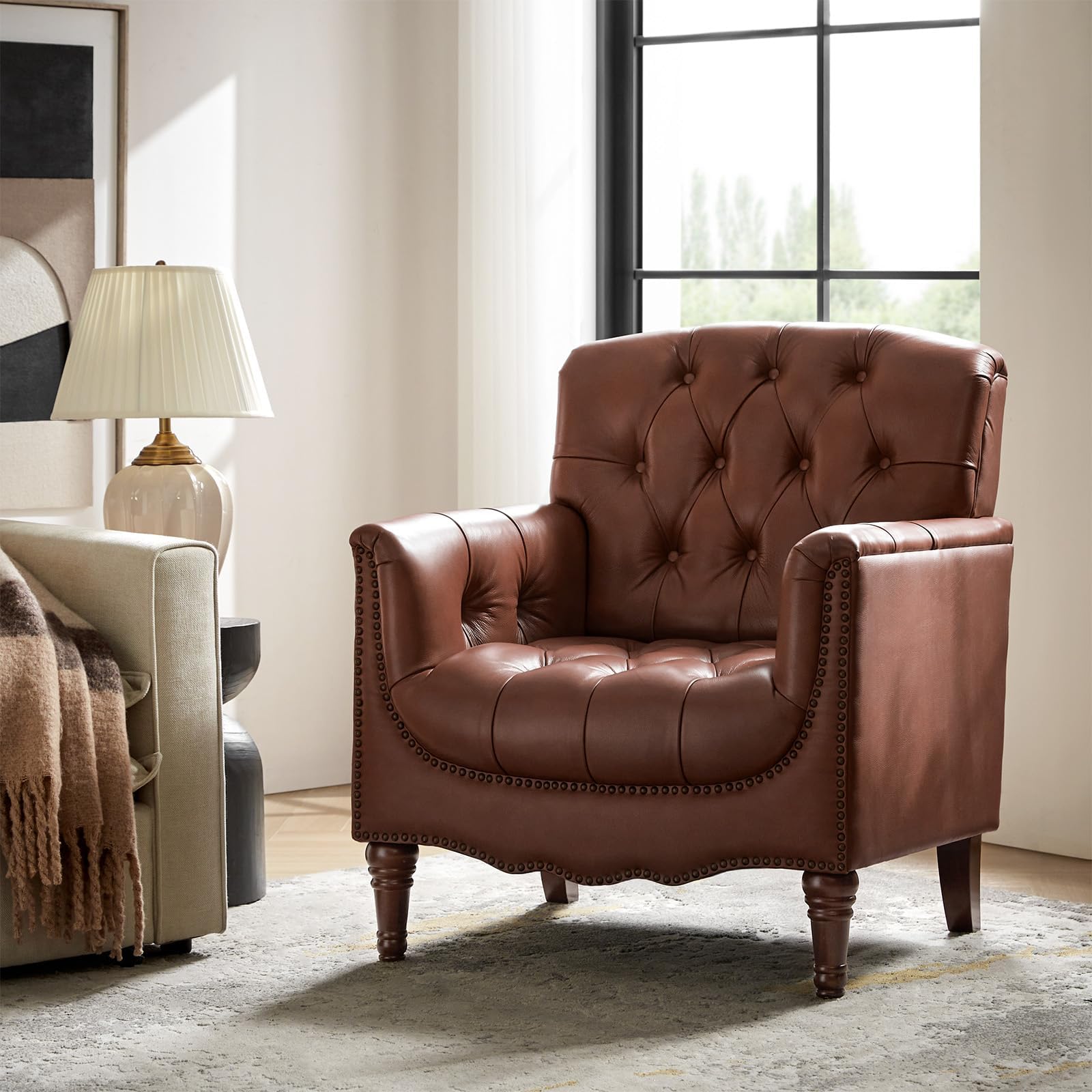
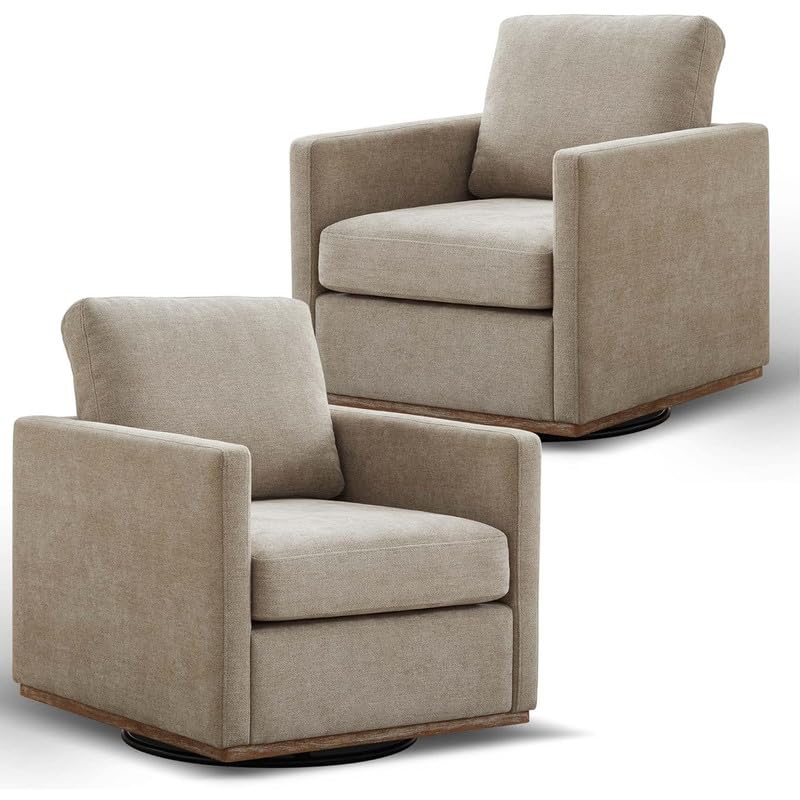

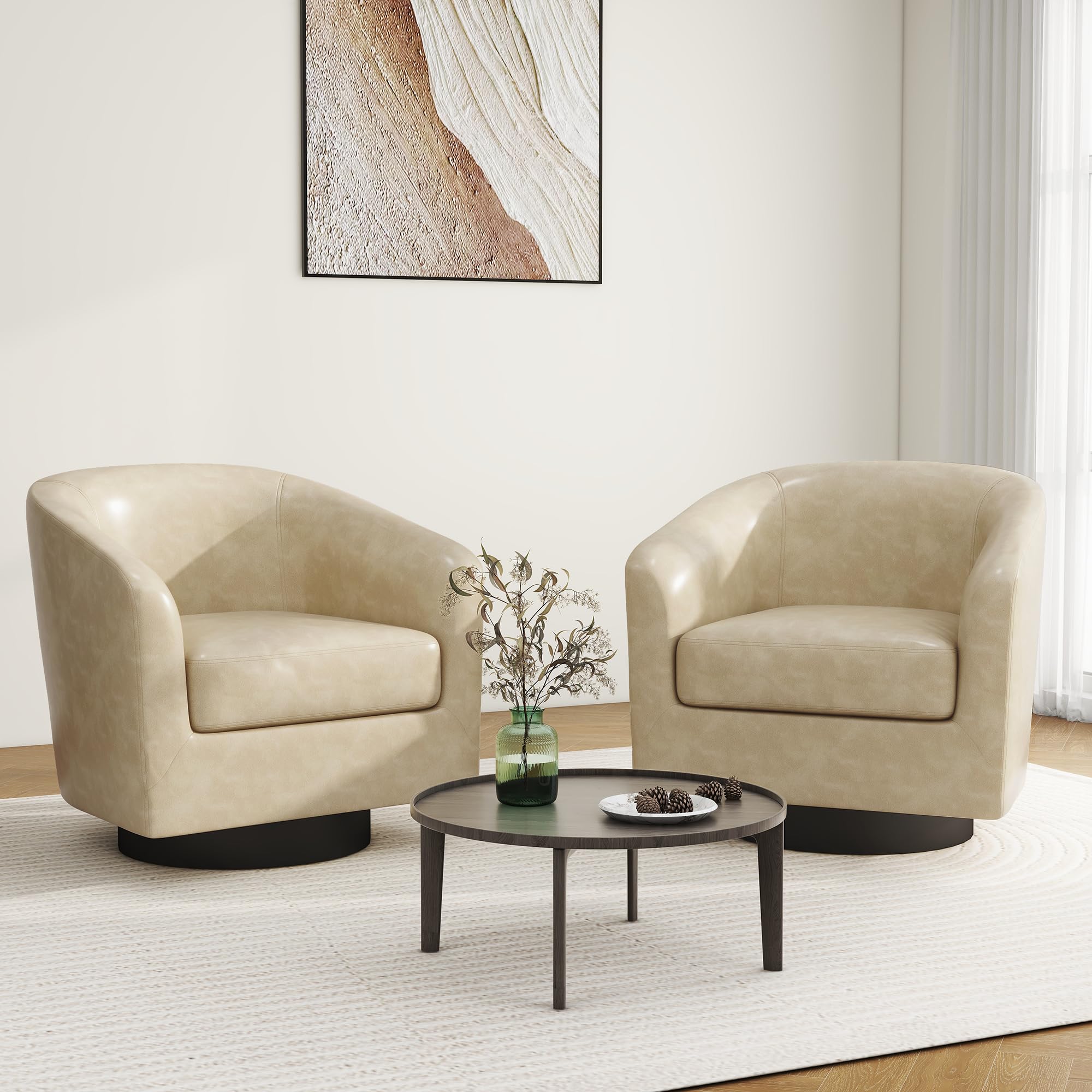
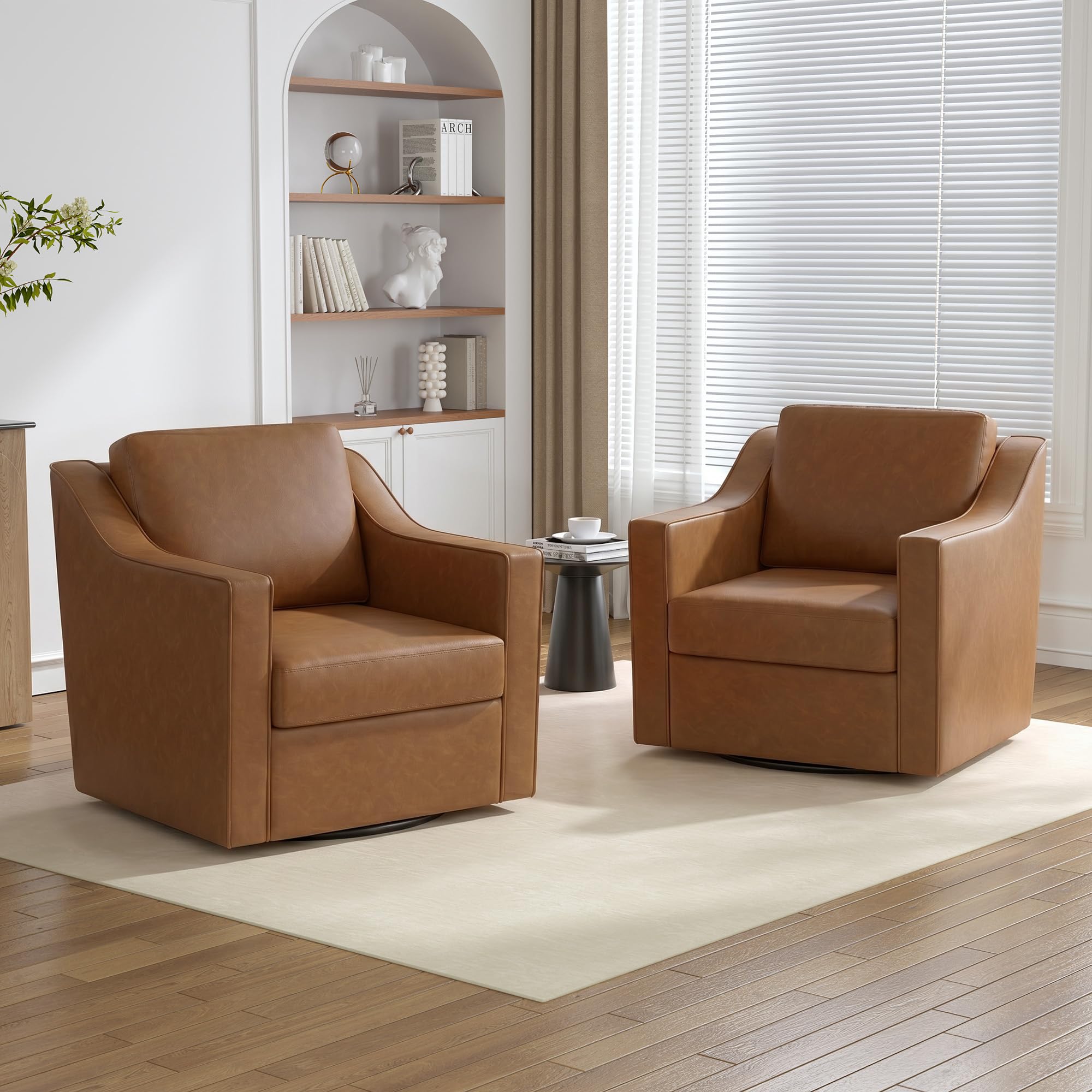

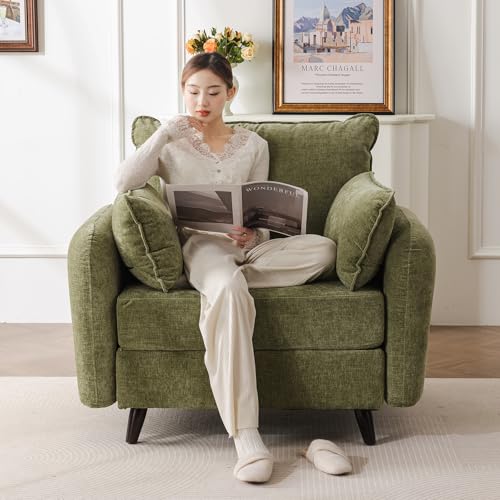

Chair Types at a Glance
This guide groups living room accent chairs into three types. A classic armchair type suits the widest range of rooms. A compact budget type works when space and money are limited. A premium type adds stronger frame materials, denser cushion fill, and fabric or leather that holds its shape longer.
Three Types Compared for Living Room Use
The Classic Armchair for Most Rooms
The classic armchair type has a defined back, padded arms, and a seat depth that lets most adults sit with their feet flat on the floor. It fits beside a sofa, across from one, or in a corner with a small table and a lamp, and it pairs easily with many sofa styles without matching them exactly. If you are still deciding between a single statement seat and a standard armchair shape, our overview of accent chair vs armchair explains how the two differ in role and scale. Choose this type when you want one chair that handles reading, guests, and daily use equally well.
The Compact Armless or Low Arm Chair
Compact chairs with low arms or no arms cost less in most lines, often under $200, and they fit rooms where a full armchair would crowd the walkway. The smaller footprint makes them easy to move when you need extra seating. The trade off is support. A lower back and thinner padding can feel fine for an hour of conversation but less restful for a long reading session. This type suits apartments and homes where the chair is a second seat rather than the main place you relax each evening.
The Generous Wingback or Chair and a Half
Premium living room chairs tend to be larger, with a taller back, deeper seat, and more room to shift position. Wingback shapes add side support around the shoulders, while chair and a half shapes give extra width without the full size of a loveseat. You pay more, often about $500 to $1000, and you need the floor space to match. This type suits a dedicated reading corner or a larger room where the chair gets hours of use each week.
How the Types Were Grouped
We grouped chairs by the factors that change how they feel and last in a living room: support and any adjustment the design allows, build quality and materials, and size matched to body size and weight capacity. We also weighed assembly and warranty coverage. The groupings draw on maker specifications and patterns in verified buyer feedback. For a broader view across rooms and styles, see our guide to the best accent chair options in general.
How to Choose the Right Accent Chair for Living Room Use
Type
Shape decides both comfort and how the chair sits in the room. Swivel chairs turn toward conversation or a view without being dragged across the floor, and our guide to the best swivel accent chair styles covers that base in more depth. Barrel chairs wrap the back around the sides for a cozy feel but offer less room to stretch out. Wingback chairs support the head and shoulders. Rocking chairs suit people who like gentle motion while reading. Oversized shapes favor lounging, while mid century shapes with exposed wood legs look lighter in small rooms.
Features Worth Paying For
Arms are the feature most worth paying for if you read or work in the chair, since they support your elbows and help you stand up. A matching ottoman extends leg support and can serve as extra seating for a child. Built in storage under the seat is rare and adds weight, so treat it as a bonus rather than a reason to buy. Skip paying extra for decorative nailhead trim or novelty shapes if that money could go toward a better frame or denser seat cushion instead.
Body Size and Weight Capacity
Measure the seat, not just the outside of the chair. Seat width between the arms tells you the room you actually get, and seat height near 18 to 20 inches lets most adults stand up without effort. Taller readers usually prefer a back height that reaches the shoulders. Check the stated weight capacity and choose a chair rated above the weight of the heaviest person who will use it often, with margin to spare. Petite users may find deep seats less comfortable, since their feet may not reach the floor.
Adjustability
Most accent chairs have no adjustment at all, so what you sit on in the store is what you get at home. A few designs recline or tilt, and swivel bases add movement without changing the seat angle. Lumbar support comes from the shape of the back cushion rather than a dial, so look for a gentle curve at lower back height instead of a flat slab. If you need firmer support, plan on a separate lumbar pillow. Arm height is fixed as well, which is why trying the arm comfort matters.
Materials and Durability
Frame material sets the lifespan of the chair. Kiln dried hardwood and corner blocked joints resist wobble far longer than softwood or simple stapled joints. Tightly woven fabrics hide wear and pet hair better than loose weaves. Leather develops a patina and wipes clean after spills, and our guide to the best leather accent chair options explains grades and care. Velvet and boucle look rich but show pressure marks and can trap crumbs in the pile. Denser seat foam keeps its shape through years of daily sitting.
Assembly and Warranty
Many accent chairs arrive with the legs detached, and some need the back slid onto the base. Check the assembled dimensions against your doorway width before ordering, since a chair that fits the room may not fit through a narrow hall door. Keep the hardware until you have sat in the chair for a week, in case a leg needs tightening. Warranty terms vary widely. A longer frame warranty signals maker confidence, while upholstery coverage is often short.
How Much Should You Spend?
Under $100, expect a light chair for occasional use, with thin padding and simple legs. About $100 to $300 covers most compact and classic types with decent fabric and a stable frame for daily use. About $300 to $500 brings denser foam, better upholstery, and stronger joinery. Above about $500, you pay for leather, hardwood frames, larger scale, and longer warranties. Spending more only helps if the chair fits your body and room, so put size and seat comfort ahead of price tier when you decide.
What Matters Most in a Living Room Accent Chair
A living room chair has a social job that a bedroom chair does not. It should face into the seating group so a guest can talk without turning sideways, and it should be easy to get into and out of during a visit. If you want a quieter seat for a sleeping space instead, our guide to the best accent chair for bedroom covers that different set of needs. In the living room, leave about 18 inches between the chair and a coffee table so legs and passing feet have room.
Proportion matters as much as comfort. A chair that towers over a low sofa looks out of place, while a small chair beside a large sectional can look lost. Match the chair back height roughly to the sofa back height, and repeat one color or wood tone from elsewhere in the room. Two matching chairs across from the sofa create balance in larger rooms, while a single chair in a contrasting fabric works better in a small room.
Some living room chairs earn devoted fans for comfort at a modest price. If a bentwood lounge style chair is on your short list, the ikea poang review looks at how that design handles long sitting sessions. Whatever style you favor, sit in the chair for at least ten minutes before committing if you can. A chair that feels fine for one minute can press on your knees or shoulders after twenty.
FAQ
What is the best accent chair for living room use for most homes?
For most homes, a classic armchair type with a medium seat depth and padded arms is the safest answer. It serves guests, readers, and daily relaxing without demanding much floor space. Add a small side table and a lamp beside it and you have a complete corner. If two people will share the chair often, step up to a chair and a half shape instead of squeezing into a standard width seat.
What should I look for in an accent chair for living room seating?
Beyond size and fabric, check how the chair sounds and feels when you sit down. A good chair does not creak, rock on uneven legs, or shift when you lean to one side. Press the seat cushion and watch how fast it springs back, since slow recovery can signal soft foam that will flatten early. Also look at the underside stitching and leg finish, because makers who cut corners in hidden places often cut them in the frame as well.
How long does an accent chair last?
A well built accent chair in daily use often lasts about 7 to 10 years before cushions soften and fabric shows real wear. Chairs used only for guests can stay presentable far longer. Rotating the seat cushion if it is loose, and keeping the chair out of constant direct sunlight, slows fading and foam breakdown. When the frame starts to flex or creak under normal weight, replacement is safer than repair for most buyers.
Is an accent chair worth it if you already have a sofa?
Yes, for most living rooms, because a single chair gives one person a defined seat with arm support that a sofa corner cannot match. It also lets you angle seating toward conversation rather than lining everyone up facing the TV. In rental homes, a chair adds personality without the cost of replacing a sofa. If floor space is tight, choose a compact type you can move between rooms.
How do you clean an accent chair?
Start with the care code on the tag under the seat, which tells you whether water based or solvent based cleaners are safe. Vacuum the fabric weekly with an upholstery tool, reaching between the seat and arms where crumbs gather. Blot spills at once with a clean cloth rather than rubbing, since rubbing pushes liquid deeper into the weave. Test any cleaner on a hidden spot first and let it dry fully before judging the result, because damp fabric can look darker than it will once dry.
What is the most reliable accent chair brand?
No single brand is most reliable across every price tier, so judge the individual chair instead of the name. Look for clear weight capacity figures, a frame warranty in writing, and consistent buyer reports about legs and joints staying tight over time. A maker that sells replacement legs and covers also signals that the chair is meant to be kept and repaired.
Final Thoughts
Match the chair type to your main use first, then check seat size against your body, then choose fabric that fits your household. The product table above pulls those trade offs together so you can compare types side by side. When you choose the best accent chair for living room seating for your space, you gain a seat that gets used every day rather than a decoration that only fills a corner. Measure once, sit when you can, and let comfort make the final call.


