Best Affordable Living Room Chairs: A Simple Guide for First Time Buyers 2026
Disclosure: We may earn a commission when you buy through links on this page, at no extra cost to you. As an Amazon Associate I earn from qualifying purchases. Learn more

Best affordable living room chairs: Size, comfort, frame and fabric checks for first apartments, guest seating and reading corners.
Buying your first living room chair on a tight budget can feel confusing, because prices, sizes and fabrics vary a lot. The best affordable living room chairs are not simply the cheapest ones on the page. They fit your room, support your body for the way you actually sit, and hold up to daily use. This guide starts with the basics and helps you choose with confidence using the comparison table below.
Think first about the job the chair must do. You may need one reading seat, a pair for guests, or a flexible extra chair that moves between rooms. Once that job is clear, the sections below help you judge size, comfort, build and fabric without paying for extras you will rarely use.
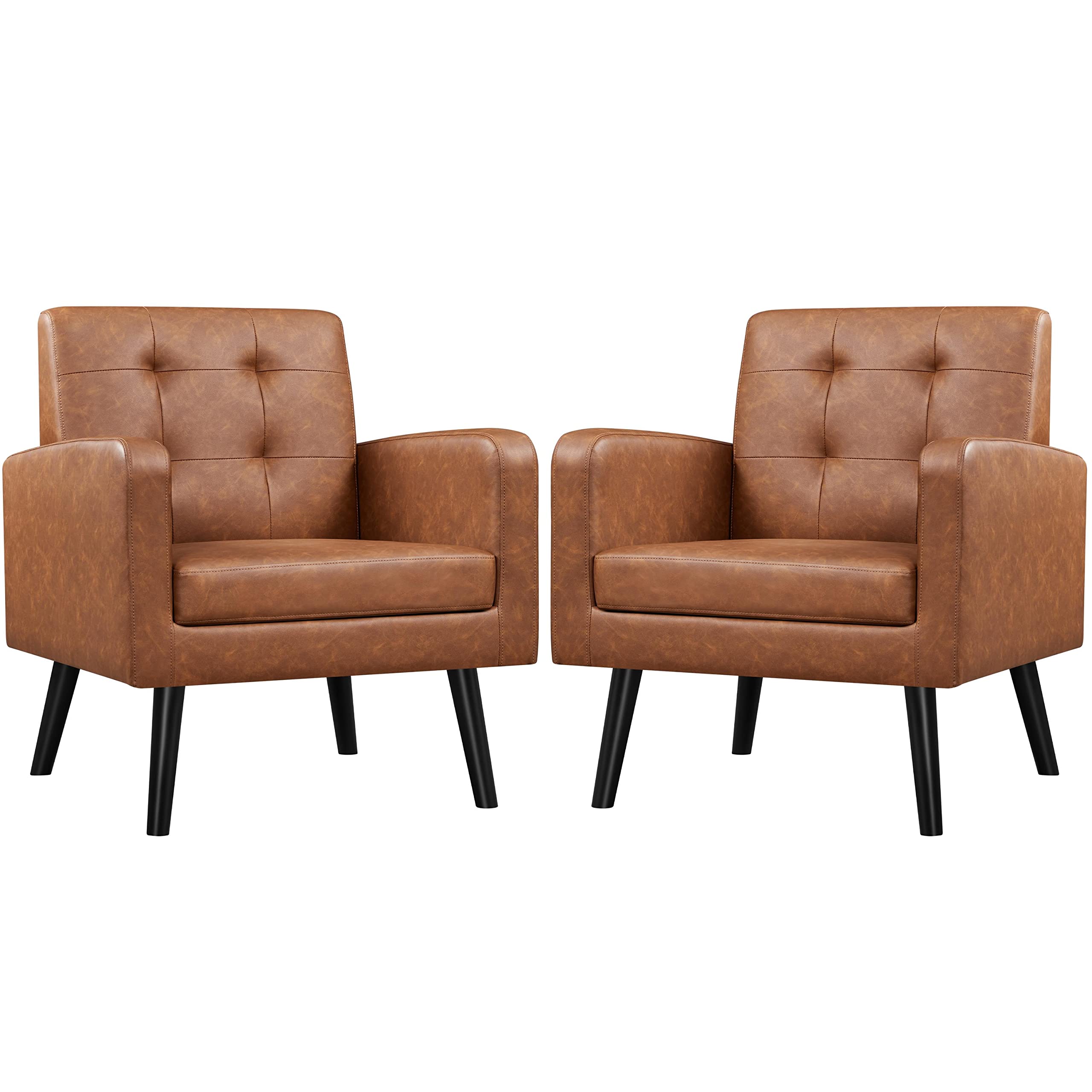


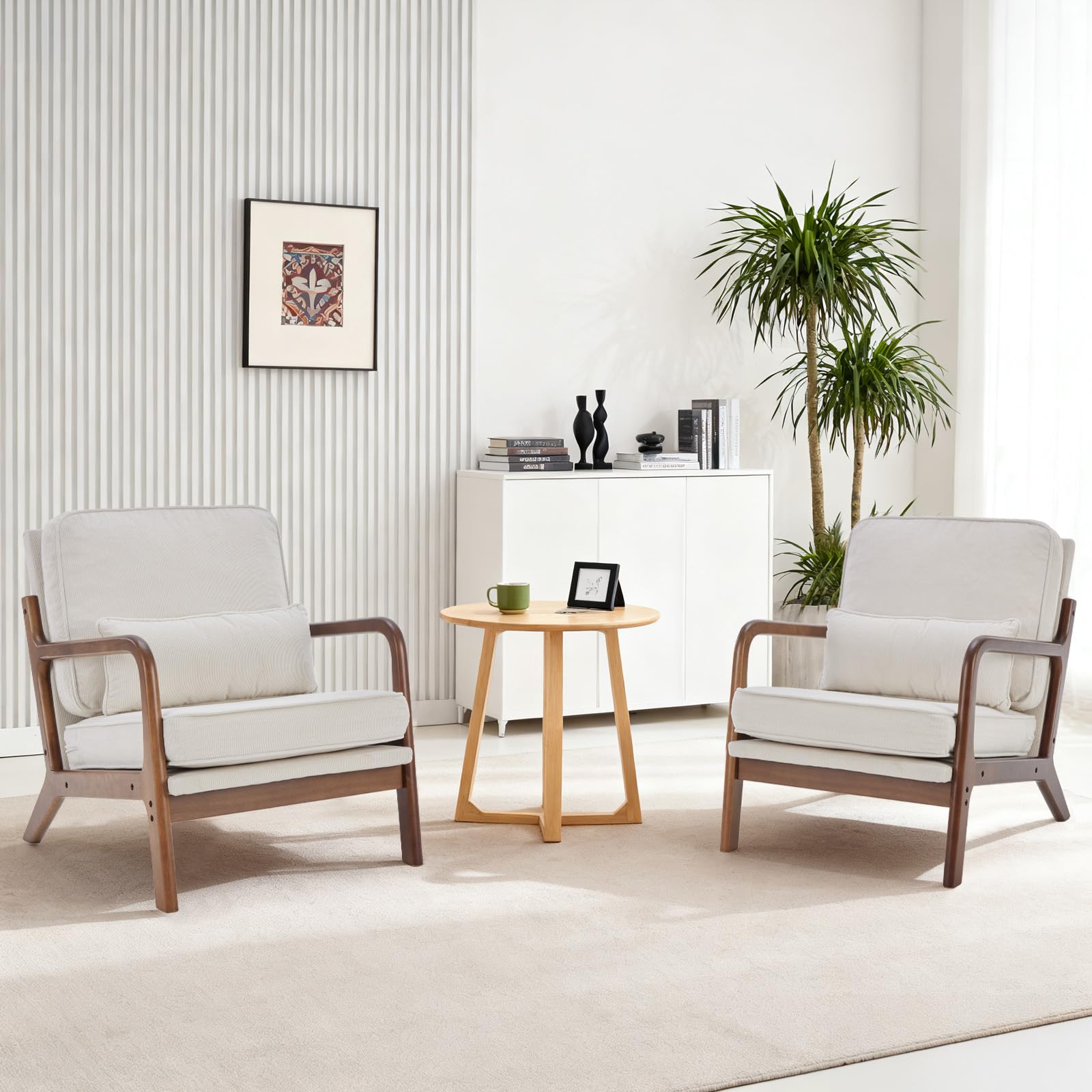



Who Should Buy Affordable Living Room Chairs?
Match the chair to one clear need instead of hoping one chair does everything well.
First Apartment Renters Furnishing a Small Room
You are likely working with limited floor space and a limited budget at the same time. Choose a compact accent chair with a narrow footprint, slim arms or no arms, and legs that keep the base feeling open. One well sized chair beats a bulky pair that crowds the sofa.
Hosts Who Need Extra Seats Without Overspending
You already have a sofa, but guests end up on dining chairs or the floor when the room fills. A light stationary chair or a matching pair adds real seating you can move as the group changes. Pick a fabric color that works beside your sofa, and favor simple shapes.
Readers Building a Quiet Corner on a Budget
You sit longer in one place, so comfort matters more than a striking shape. Look for a lounge style chair with a taller back, a deeper seat and arms that let your shoulders relax while you hold a book. Place it near a lamp and leave room to stretch your legs.
Living Room Chairs 101: The Basics for New Buyers
A living room chair is a single seat meant for relaxed sitting, conversation and reading, not for desk work. An accent chair adds color and often has a firm, upright seat. An armchair adds padded arms and a fuller back. A lounge chair leans back more and suits longer sessions. A swivel chair turns on a round base.
Most affordable chairs are stationary, meaning the back and seat stay in one fixed position. Fewer moving parts usually means a lower price and fewer things to loosen. For the broader view beyond a tight budget, see our guide to the best living room chairs.
Key Features to Compare
When you shop for best affordable living room chairs, work through these factors in order so a low price cannot hide a poor fit.
What Low Priced Living Room Chairs Deliver for Everyday Sitting
At about $75 to $250, you can expect a sound frame, decent foam and a neat fabric finish, but you will usually give up thick genuine leather and large solid wood frames. Spend first on the frame and seat cushion, because those decide how the chair feels after a year. Save on decoration such as extra pillows.
Size, Footprint and Weight Capacity
Measure the floor spot, the doorway and any tight hallway turn before you order. Most single chairs are about 28 to 34 inches wide and about 30 to 36 inches deep. Seat height is often about 17 to 19 inches. Check the listed weight capacity too, and choose a rating with a clear margin above the heaviest regular user.
Comfort, Cushion Depth and Back Support
Comfort comes from the match between your body and the seat shape. High density foam feels firm at first but keeps its shape longer than soft foam that flattens within months. A seat depth of about 20 to 22 inches suits most people, while deeper seats favor taller readers. The back should meet your shoulder blades and support your lower back without pushing your head forward.
Frame Build and Legs That Stay Steady
The frame carries every load, so look for solid wood or strong engineered wood with corner blocks or metal brackets at the joints. Kiln dried hardwood resists warping, while cheaper frames may rely on thin boards that flex when you shift. Legs should attach with bolts rather than glue alone. During your trial period, listen for creaks that signal loose joints.
Upholstery, Color and Everyday Care
Woven polyester fabric costs least, hides minor marks well and suits homes with kids or pets. Faux leather wipes clean with a damp cloth but can feel warm in summer and may peel after years of heavy use. If real hide is on your wish list, see our guide to the best leather chairs for living room. Choose a color you can live with in daylight and lamp light.
Warranty and Return Policy for Budget Chairs
Read the return terms before you buy, because a chair can look right in photos and feel wrong in your room. Many budget brands allow returns within about 30 days, and some cover frame defects for one year or longer. Keep the box until you have sat in the chair for a few evenings. Photograph any damage on arrival, since clear photos speed up a claim.
Types Compared and How to Set Up Your New Chair
Accent armchairs are the most versatile budget choice, since they pair well with a sofa and suit guests and daily sitting alike. Lounge chairs trade a larger footprint for a more relaxed angle, and if that style is your priority, see our guide to the best lounge chairs for living room. Swivel chairs help in rooms where conversations face both the sofa and the TV, and you can explore that style in our guide to the best swivel chairs for living room. Armless slipper chairs cost and weigh less, and they tuck neatly into corners.
When your chair arrives, unpack it in the room where it will live. Most budget chairs need only the legs or back attached, often with bolts and a small tool in the box. Tighten each bolt in turn, set the chair on a level floor, and press on each corner to check for wobble. Sit for twenty minutes before you remove the packaging for good.
Common Mistakes to Avoid
New buyers tend to repeat the same few errors.
- Buying by photo alone without measuring leaves a chair that blocks doors or walkways.
- Choosing the lowest price over frame quality leads to wobble and early sagging.
- Picking a very soft cushion for long reading leaves your lower back tired.
- Ignoring the weight capacity risks cracked joints when a heavier guest sits down.
- Throwing away the box on day one makes a return costly if the fit is wrong.
- Placing a fabric chair in harsh direct sun fades the color and weakens the fibers.
Care and Maintenance for Budget Living Room Chairs
Vacuum the seat and back weekly with a soft brush tool, working into the seams where crumbs and dust collect. Blot spills at once with a clean cloth rather than rubbing, because rubbing pushes liquid deeper into the weave. Rotate a loose seat cushion every few weeks if your chair has one, so both sides wear evenly.
Check leg bolts about every six months and tighten any that have worked loose. Keep the chair away from heating vents, since steady dry heat can crack faux leather and dry out wood joints. For stubborn fabric marks, use a cleaner made for upholstery and test it first on a hidden spot under the seat.
FAQ
Is an expensive living room chair worth it for everyday sitting?
An expensive living room chair is worth it only if you sit in it daily for years and value finer materials. Higher prices often buy thicker frame wood, denser foam and better fabric, which can extend the life of the chair. For a first home or a guest seat, a well built budget chair usually gives better value.
How do I choose the right size living room chair for a small apartment?
Choose the right size living room chair for a small apartment by starting with the path the chair must travel, not the corner where it will sit. Measure the entry door, hallway turns and the gap beside your sofa. In tight rooms, a chair under about 30 inches wide with raised legs keeps the floor visible, which makes the room feel larger.
How long should an affordable living room chair last?
An affordable living room chair should last about three to five years with daily use, and longer as guest seating. Life span depends most on frame joints and foam quality rather than on the outer fabric. A chair that starts to creak, lean or bottom out when you sit is showing structural wear, even if the cover still looks fine.
What features matter most for long reading sessions in a living room chair?
For long reading sessions in a living room chair, the features that matter most are arm height, back angle and a place to rest your feet. Arms set too high lift your shoulders and tire your neck, while arms that are too low leave a book unsupported. Many readers add a simple footstool instead of paying more for a matching ottoman.
Can an affordable living room chair support a heavier adult safely?
Yes, an affordable living room chair can support a heavier adult safely when its listed capacity gives a real margin above that person weight. Look for a rating of about 300 pounds or more, a wide seat and four legs set near the corners for balance. Avoid narrow chairs with legs angled inward, because that design concentrates stress on the joints.
The Bottom Line
Start with size, then judge the frame, then choose foam and fabric that match how often you sit. That order protects first time buyers from paying for looks while missing the parts that decide comfort. When you compare best affordable living room chairs with those checks in mind, use the product table above to confirm dimensions, capacity and price before you order.
Buy the simplest chair that fits your room and your body well. A modest chair chosen with care will serve you far better than a grand one bought in a hurry.