
Best Academic Planners for Every Need: How to Pick the Right One (2026)
Disclosure: We may earn a commission when you buy through links on this page, at no extra cost to you. As an Amazon Associate I earn from qualifying purchases. Learn more

Academic planners matched to busy students, value seekers, first time buyers and mid year starters.
No academic planner suits every student or teacher. A high schooler juggling clubs and homework, a college student balancing classes and a part time job, and a graduate student tracking research deadlines all need different layouts, sizes and features. This guide to the best academic planners matches planner types to real routines, so you can pick by how you work rather than by cover design alone.
Academic planners usually run July to June, following the school year rather than the calendar year. The sections below explain who should buy which type, the features worth comparing, common mistakes and simple habits that help a planner last the whole year.


Who Should Buy Which Academic Planners?
Start with how much detail you track each day and where the planner will travel. Those two answers point to the right layout and size.
For People Who Want the Best Performance
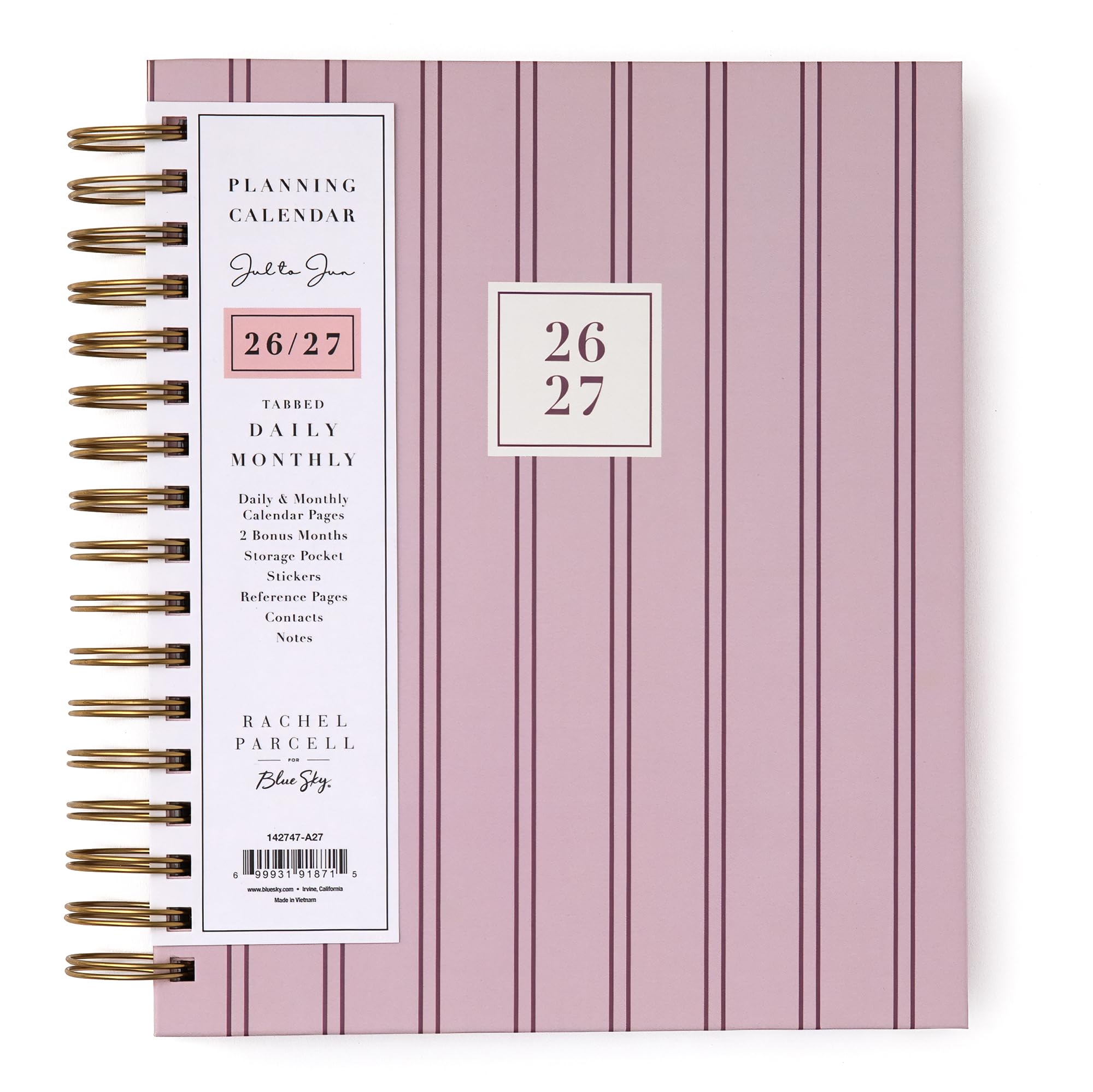
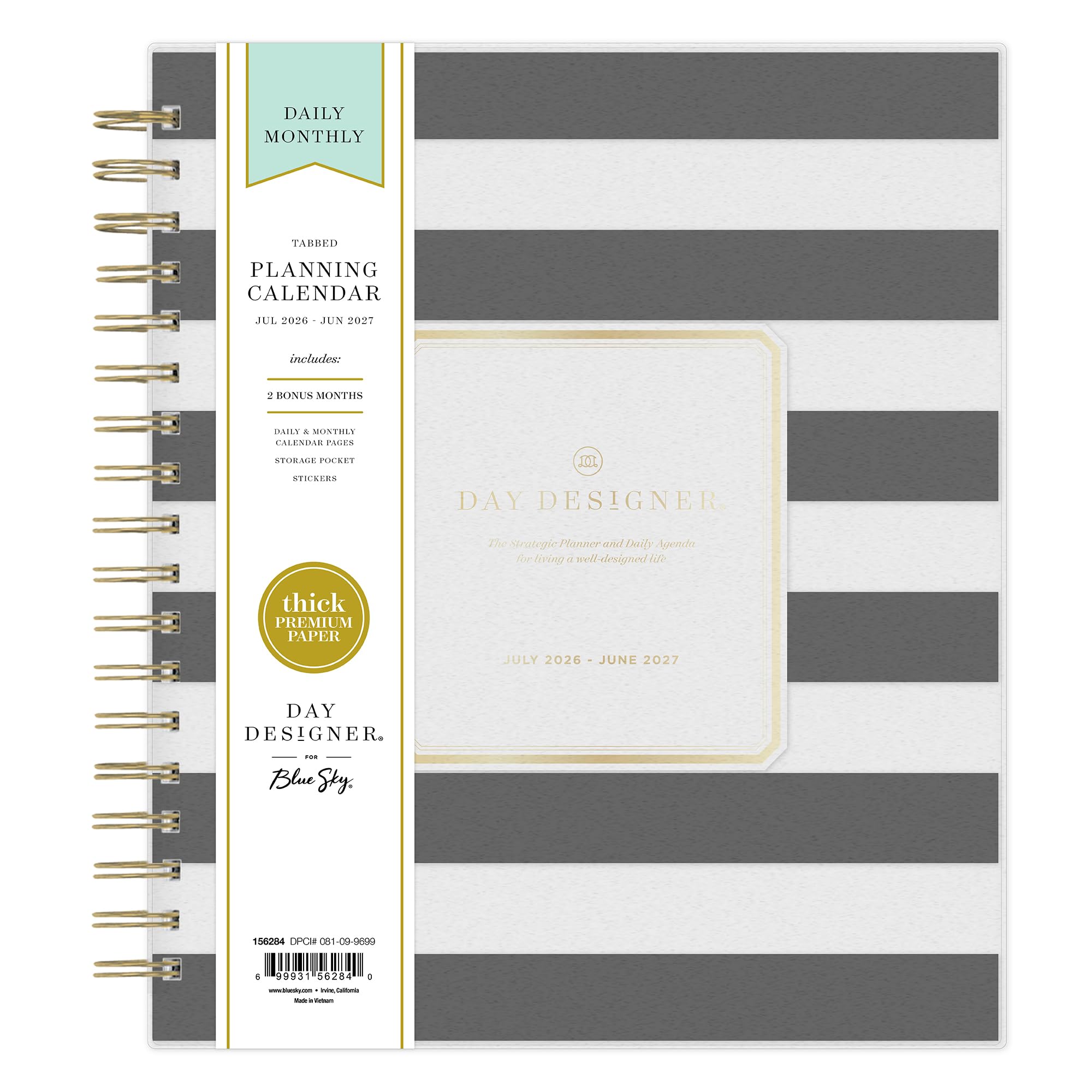
Busy students with heavy course loads, labs, jobs and activities need room to plan every day. Daily and monthly planners, like the Blue Sky daily and monthly academic planners in 7 by 9 and 8 by 10 inch sizes, give each day its own space for classes, assignments and appointments.
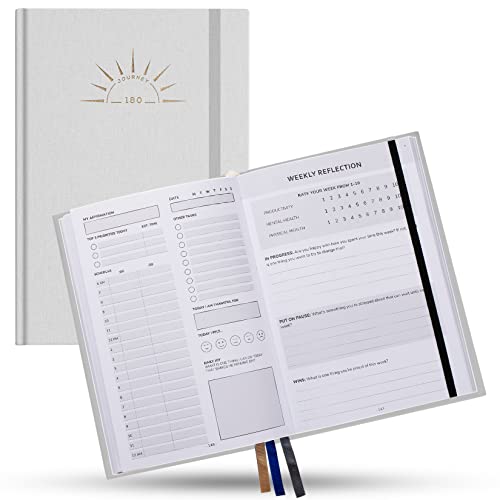
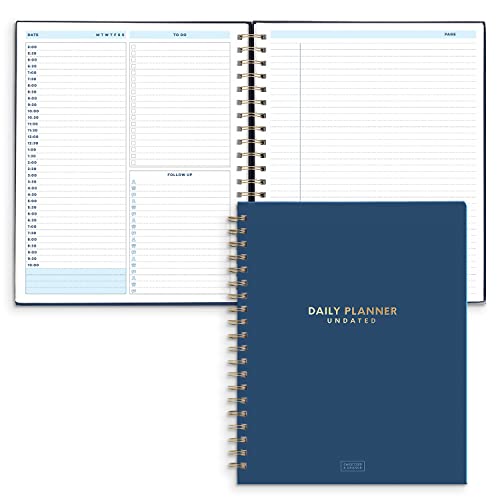
Undated daily planners like the Journey 180 A5 planner add time blocking, weekly reflection and goal setting pages. These suit graduate students, nursing students and anyone who plans by the hour. The tradeoff is a thicker, heavier book.
For Value Seekers
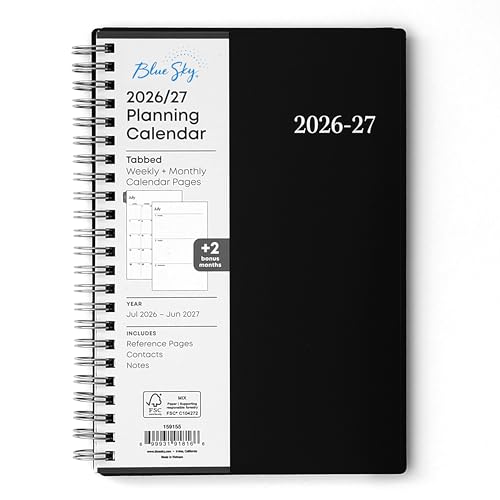
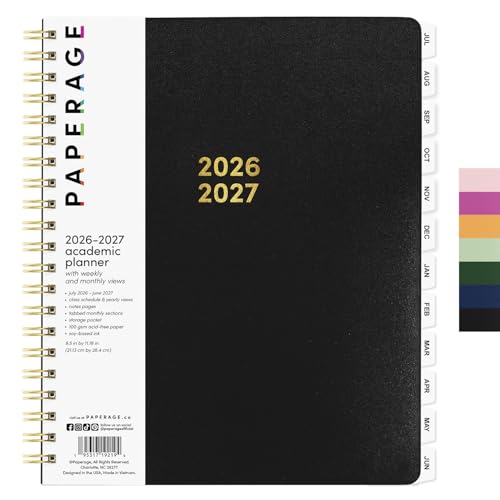
Students who want reliable weekly and monthly planning at a low price do well with planners around $10 to $15. The Blue Sky weekly and monthly planner in 5 by 8 inch size sits around $10, and the PAPERAGE planner around $13 adds 100gsm acid free paper, a lay flat design, laminated tabs and a back pocket. Simple hardcover planners around $10 to $14 also cover the basics. These suit high schoolers and college students who track assignments by week.
For First Time Buyers
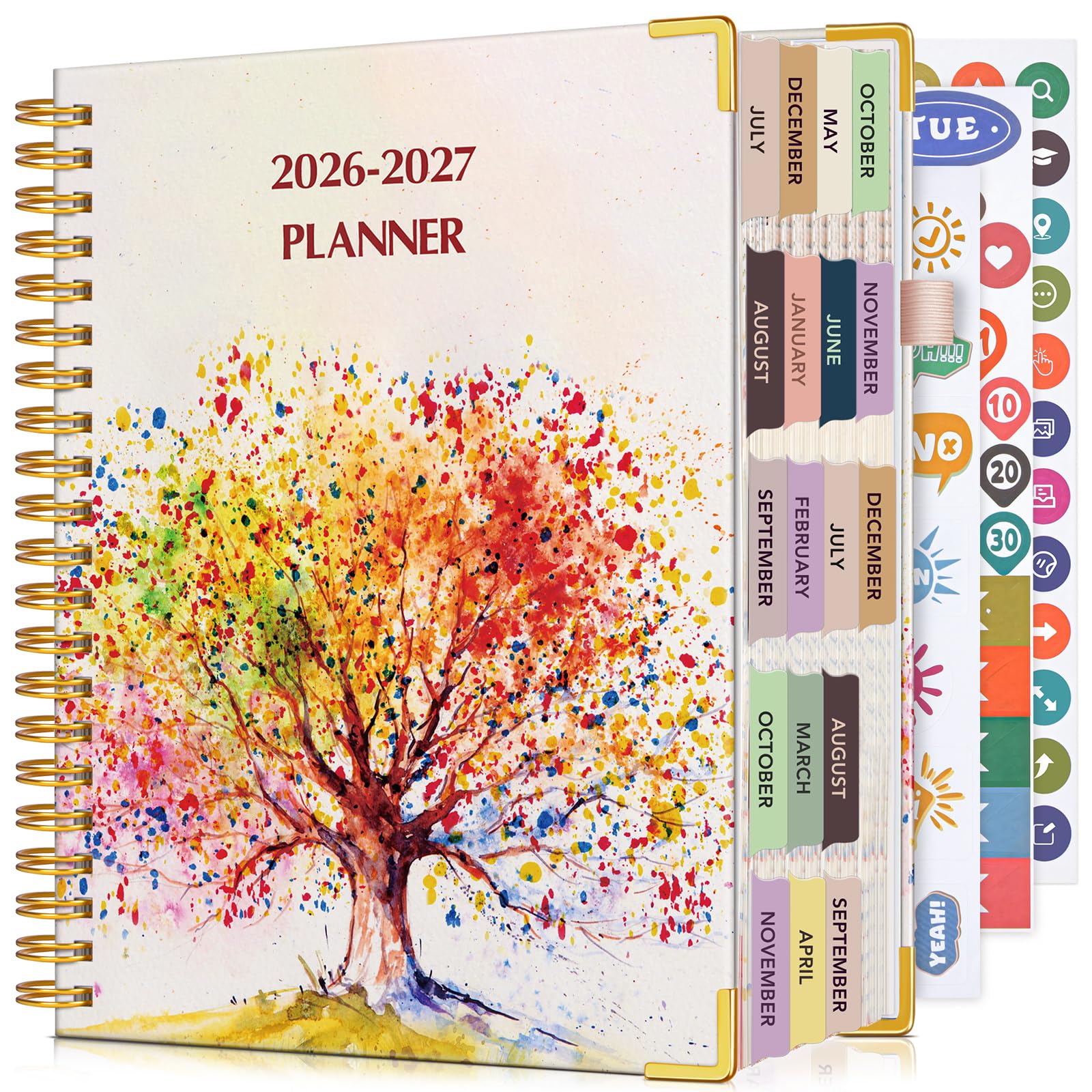
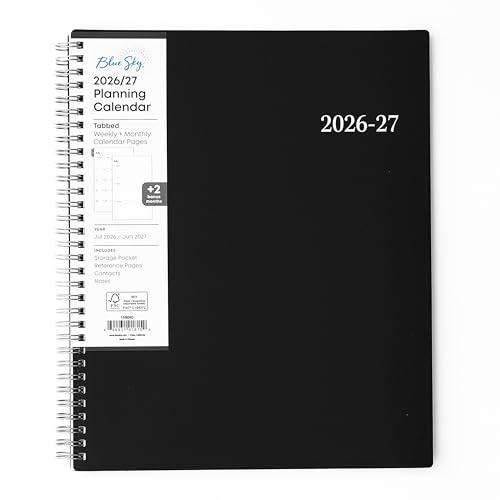
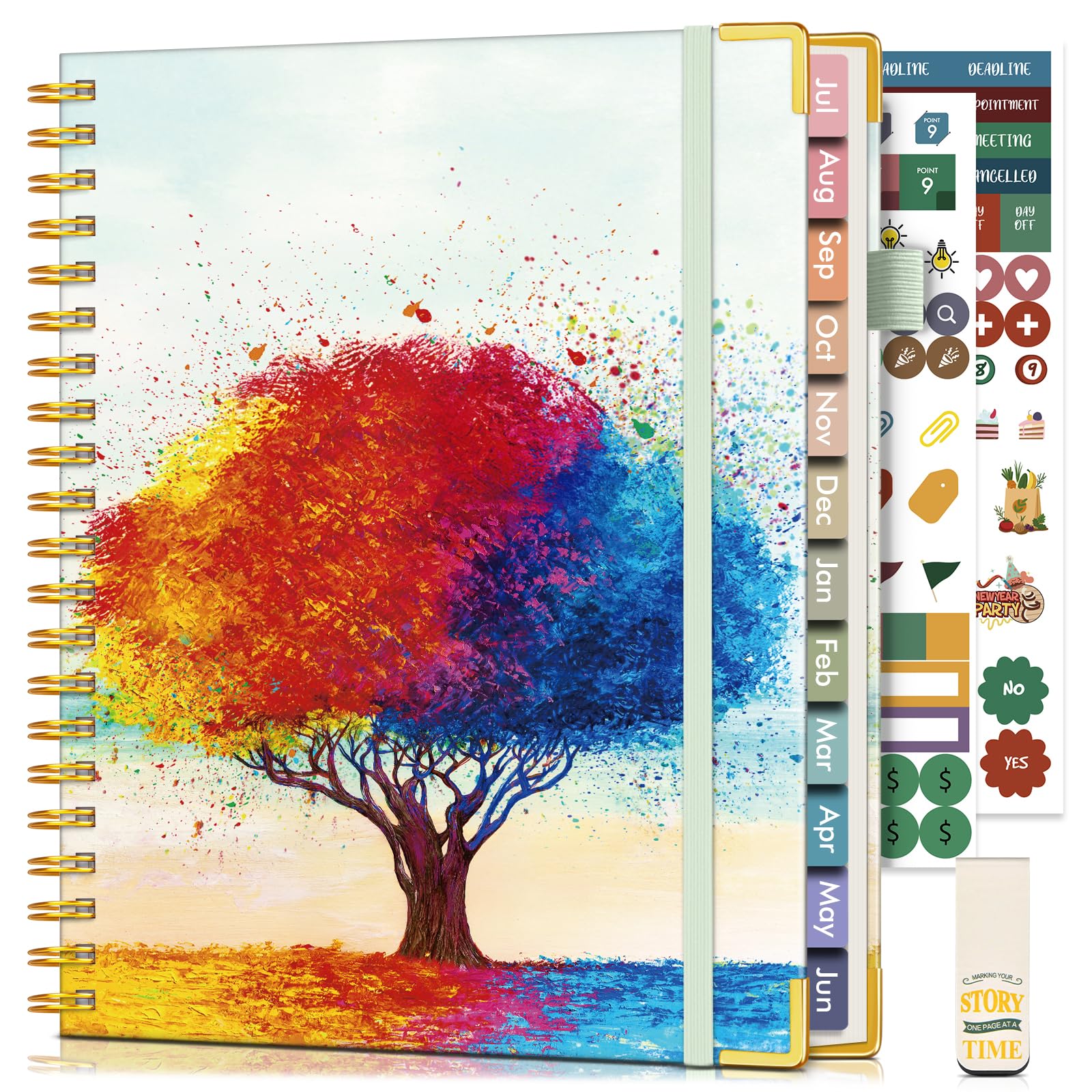
If this is your first planner, a weekly and monthly layout in letter size is the easiest place to start. Weekly pages give room for daily assignments, while monthly pages show exams and due dates at a glance. The Blue Sky 8.5 by 11 inch planner, around $15, includes monthly layouts with reference calendars, weekly lined pages, a yearly overview, contacts and notes, plus FSC certified paper and laminated tabs. The Forvencer hardcover planner, around $15, adds metal corner guards and a yearly goals page.
For Mid Year Starters and Flexible Schedules
If you start planning partway through the school year, choose an undated or 18 month planner so no pages go to waste. The Lamare undated weekly college planner lets you start any week, and 18 month planners that run through December of the following year cover a full school year plus the next fall semester. These also suit students on quarter or trimester systems.
Key Features to Compare in the Best Academic Planners
These features separate a planner you use every day from one that ends up at the bottom of a backpack.
Purpose and Layout
Layouts drive how you plan. Weekly and monthly planners, the most common type, suit students who list assignments by day and check deadlines by month. Daily and monthly planners suit people with packed schedules.
Undated planners suit flexible starters. Look for class schedule pages, as in the PAPERAGE planner, and yearly goals pages, as in the Forvencer planner, if you like planning by semester. The right layout matches how often you check and update the planner.
Paper Quality and Build
Paper weight affects bleed through from pens and highlighters. PAPERAGE uses 100gsm acid free paper with soy based ink, which handles gel pens well.
Blue Sky prints on FSC certified paper. Hardcover planners with metal corner guards, like the Forvencer, resist bent corners in a backpack, while flexible covers are lighter. Twin wire or spiral binding lets the planner lie flat for easy writing.
Ease of Use and Navigation
Tabs make it fast to jump to the current month, which matters when you check deadlines between classes. Laminated monthly tabs, as on the Blue Sky and PAPERAGE planners, last longer than paper tabs. Back pockets hold syllabi and handouts, and contacts and notes pages keep important information in one place. A lay flat design lets you write on both pages comfortably.
Size and Portability
Size balances writing space and portability. Large planners around 8.5 by 11 or 9.5 by 11 inches give the most writing room and fit in backpacks next to notebooks.
Medium 7 by 9 and 8 by 11 inch planners suit tote bags and smaller backpacks. Compact 5 by 8 inch planners slip into purses and smaller bags but offer less space per day. Choose the size you will actually carry every day.
Dated vs Undated
Dated planners save time because dates are printed, and they include holiday lists and reference calendars. Undated planners let you skip weeks without wasting pages and start anytime. Students who plan consistently all year do well with dated planners, while those who take breaks or start late benefit from undated ones.
Planners for Teachers and Parents
Teachers and parents also benefit from academic year planners, since their schedules follow the school calendar too. Large letter size planners give teachers room for lesson notes, meetings and grading deadlines, while parents can track several children's activities, school events and appointments on the monthly pages. Planners with extra notes and contacts pages, like the Blue Sky planner, help keep phone numbers, carpool details and class information in one place. Daily layouts work well for teachers who plan lessons hour by hour.
Price and Value
Academic planners cost around $10 to $15 for most weekly and monthly options, around $18 to $23 for 18 month, undated and premium paper planners, and around $30 for larger daily planners. The best value is the cheapest planner with a layout you will use daily; extra features matter only if you use them.
Common Mistakes to Avoid When Buying Academic Planners
- Buying the wrong layout. A weekly planner frustrates someone who plans by the hour, while a daily planner can feel empty for light schedules.
- Choosing a size you will not carry. A planner left at home cannot help in class.
- Ignoring paper quality. Thin paper bleeds with gel pens and highlighters.
- Starting a dated planner late. Mid year buyers waste months of pages; choose undated or 18 month options.
- Overbuying features. Stickers and extra pages are fun but do not replace a layout that fits your routine.
Setup and Care Tips
- Fill in fixed dates first. Add class times, exams, breaks and due dates from each syllabus at the start of term.
- Use a simple color code. One color per class makes pages easy to scan.
- Plan weekly. Spend a few minutes each Sunday reviewing the week ahead.
- Protect the cover. Keep the planner in a backpack sleeve, like those in our laptop backpack guide, to avoid bent corners.
- Choose the right pens. Try markers on a back page before using them on weekly spreads.
Academic Planners: Your Questions Answered
What features matter most?
The most important features are a layout that matches your routine, a size you will carry every day, paper that does not bleed and easy navigation with tabs. After those, class schedule pages, goal pages, pockets and durable covers add value. Pick features you will use weekly, not ones that only look good in photos.
Is it worth paying more?
It is worth paying more for better paper, sturdier covers and daily layouts if you use your planner heavily. A planner around $20 to $30 with thick paper and a daily layout can be worth it for demanding schedules. For most students, a planner around $10 to $15 with weekly and monthly pages works just as well.
How long does it last?
A dated academic planner covers one school year, usually July to June, while 18 month planners cover a school year plus an extra semester. Undated planners last as long as their pages, which depends on how often you plan. Hardcover planners with corner guards survive a full year in a backpack better than thin covers.
Is it a good gift?
Yes, academic planners make practical gifts for students and teachers, especially before the school year starts or before a new semester. Choose an undated or 18 month planner if giving one mid year. Pair it with good pens, a mechanical pencil or highlighters for a thoughtful back to school gift.
Should I use a paper planner or an app?
Many students remember tasks better when they write them down, and paper planners avoid phone distractions. Apps offer reminders and sync across devices. Some students use both, keeping deadlines on paper and reminders on the phone. See our digital planner guide for app based options.
What size academic planner is best for college?
Most college students do well with a medium or large planner, around 7 by 9 to 8.5 by 11 inches. These give enough room for multiple classes per day and still fit in a backpack. Students who carry only a small bag may prefer the 5 by 8 inch size and use the monthly pages for big deadlines.
Wrapping Up
Three things matter most: a layout that fits how you plan, a size you will carry and paper that handles your pens. Busy students do best with daily planners like the Blue Sky daily and monthly planners, value seekers get great results from PAPERAGE or the compact Blue Sky planner, first time buyers can start with the Blue Sky or Forvencer letter size planners, and mid year starters should choose Lamare undated or 18 month planners. Check the product table above to choose from the best academic planners for your school year.


