Best Colored Pencil Sets 2026: Artist Buying Guide
Disclosure: We may earn a commission when you buy through links on this page, at no extra cost to you. As an Amazon Associate I earn from qualifying purchases. Learn more

Student or artist grade? Compare colored pencil sets by core softness, lightfastness, color range, and price tier.
Colored pencils reward patience, layering, and the right paper, but a poor set can frustrate even skilled artists. The best colored pencil sets for you depend on whether you color for relaxation, study art seriously, or work professionally. This guide explains core types, pigment quality, and set sizes so you can invest wisely.
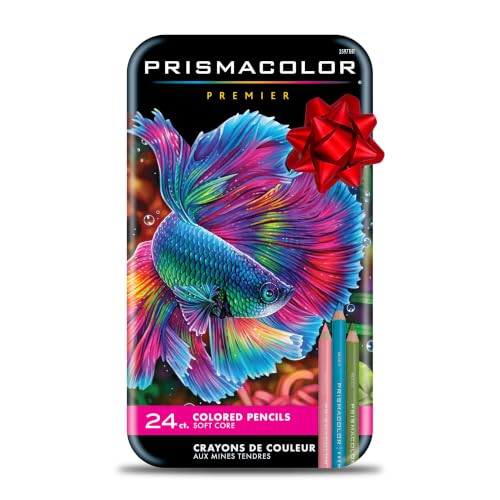
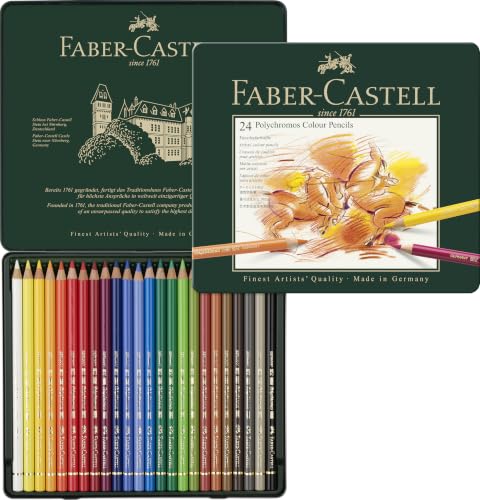
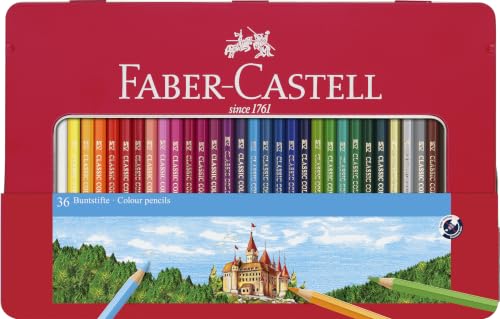
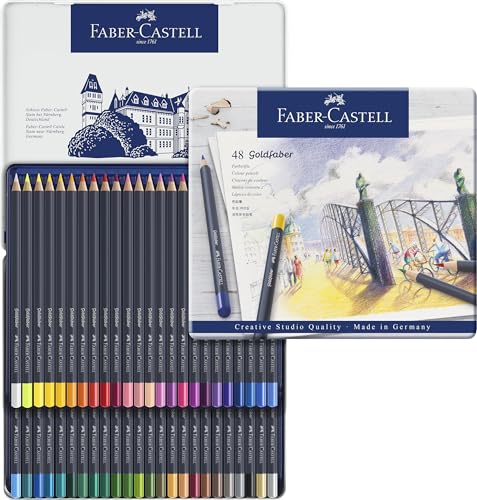
Student pencils use harder cores and less pigment, which suits learning and light coloring. Artist grade pencils use softer cores with richer pigment, which layer and blend beautifully but break more easily and cost more. The product table below shows the main grades, and the sections that follow explain how to choose among them.


Who Should Buy Each Grade
Casual colorists and beginners
Student grade sets offer many colors cheaply and forgive heavy pressure better than soft artist cores. They suit coloring books, journaling, and learning color mixing basics. Their weakness is waxy buildup and paler layers, which limit advanced blending.
Serious artists and students
Artist grade sets deliver richer pigment, smoother laydown, and better lightfastness for work you want to keep. They suit portraiture, botanical art, and detailed illustration where color depth matters. Their weakness is cost and fragility, so learn light pressure and careful sharpening.
Key Features to Compare
Core softness and breakage
Soft cores blend easily and lay down rich color, but they snap under heavy pressure and need gentle sharpening. Hard cores hold fine points for detail and resist breaking, but they layer less smoothly. Match core softness to your pressure habits, and use a sharpener suited to soft cores to reduce waste.
Lightfastness and permanence
Lightfast ratings tell you how well colors resist fading in sunlight over time. Artist grade sets publish ratings per color, while student sets often omit them. If you sell, exhibit, or gift artwork, choose lightfast colors and frame work behind glass away from direct sun.
Color range and set size
Small sets around 24 colors cover basics and teach mixing, while large sets around 72 to 120 colors offer ready made nuances. Bigger is not always better, since unused colors waste money and overwhelm beginners. Choose a set whose colors match your subjects, such as skin tones for portraits or greens for landscapes.
Price Tiers and What They Deliver
Sets around $10 to $30 usually cover student grade pencils for casual coloring. Sets around $30 to $80 add smoother cores, better pigment, and useful color ranges for serious hobbyists. Sets around $80 to $200 bring artist grade pigment, lightfast ratings, and refined cores for professional work.
Living With Your Choice Day to Day
Store pencils horizontally in a case, sharpen with a light touch, and keep finished work away from direct sunlight. Test colors on your chosen paper, since paper tooth changes layering and blending dramatically. Keep a color swatch chart so you can repeat exact shades across projects.
For related reading, see best colored pencil sets for adults for a budget view, best sketching pencil sets and best drawing pencil sets for graphite work, and best pen and pencil sets if you want both tools in one kit.
A Final Check Before You Order
Test pencils on the paper you actually use, since paper tooth transforms how cores layer, blend, and hold detail. Smooth paper suits fine portraits, while textured paper holds many layers for rich landscapes. Borrow or buy a small open stock selection before committing to a large set, and compare soft and hard cores side by side. Paper and pencil interact so strongly that testing both together matters more than any single specification.
Build a swatch chart for your shortlist, coloring each pencil in a gradient from light to heavy pressure. Swatches reveal true color, wax bloom tendencies, and layering behavior that packaging never shows. Note which colors layer cleanly over others, since muddy layering frustrates detailed work. A chart takes an hour and guides every future purchase, including open stock replacements for favorite colors.
Consider storage and portability honestly, since large sets need cases, rolls, or drawers that fit your workspace. A 120 color set in a bulky case may stay home while a smaller set travels to classes and sketch outings. Choose a case that protects tips, keeps colors organized, and fits your bag. The set you carry and use beats the set that gathers dust on a shelf.
Check lightfast ratings for colors you will use in finished work, especially reds, purples, and bright yellows that fade fastest. Artist grade brands publish ratings per color, while student brands often omit them entirely. If you sell or gift artwork, lightfast choices protect your reputation and the recipient enjoyment. Frame finished work behind glass away from direct sun regardless of ratings.
Mistakes Worth Avoiding
Do not press hard for dark values in one pass, since heavy pressure crushes paper tooth and blocks later layers. Build darkness through multiple light layers, allowing each layer to grip the tooth. Heavy early layers cause waxy buildup and muddy color that no blending can rescue. Patience with light layers produces richer, cleaner color than force ever will.
Do not sharpen soft cores aggressively with dull sharpeners, since broken tips waste expensive pencils and interrupt flow. Use a sharp, quality sharpener suited to soft cores, rotate the pencil slowly, and stop at a fine point rather than a long fragile tip. Keep a small brush to clear shavings, and store pencils flat to prevent internal core fractures from drops. Gentle sharpening preserves both pencils and patience.
Do not store finished artwork in direct sunlight, even when using lightfast pencils, since heat and ultraviolet light fade colors over years. Frame work behind glass, hang away from sunny windows, and store unframed work flat in dark, dry folders. Lightfastness delays fading, but it does not grant immunity. Proper display protects hours of work for decades.
Frequently Asked Questions
How many colored pencils do I need?
Beginners do well with 24 to 36 colors, which teach mixing without overwhelm. Intermediate artists often prefer 48 to 72 colors for ready nuances in skin, foliage, and skies. Large 120 color sets suit professionals and collectors who want every shade at hand. Start smaller and add open stock pencils in colors you use most.
What is the difference between wax and oil based pencils?
Wax based pencils feel soft and blend smoothly, but heavy layers can develop a cloudy wax bloom. Oil based pencils feel firmer, hold detail well, and resist bloom, though they blend a little less easily. Many artists mix both types, using oil pencils for detail over wax layers. Your pressure and paper choice influence which feels better.
Why do my colored pencils keep breaking?
Heavy pressure, dull sharpeners, and dropped pencils all break cores, especially soft artist grades. Sharpen slowly with a quality sharpener, rotate the pencil as you sharpen, and avoid pressing hard for dark values. Layer light coats instead of forcing one heavy coat. Storing pencils flat and avoiding drops also reduces internal core fractures.
How do I blend colored pencils smoothly?
Layer light coats in the same direction, then blend with a light color, a colorless blender, or a solvent where safe. Smooth paper suits fine detail, while textured paper holds more layers for rich blending. Build color gradually, since heavy early layers block later ones. Practice on scrap paper to learn how your pencils and paper interact.
Are expensive colored pencils worth it?
Artist grade pencils offer richer pigment, smoother blending, and better lightfastness, which matter for finished artwork you keep or sell. Casual colorists may not notice the difference enough to justify the price. Try a small artist grade set alongside your student set to compare. Value follows your goals, not the price tag alone.
Final Thoughts
Match the grade to your goals, then test cores and colors on your own paper. The product table above can narrow the grades, but a swatch chart tells the truth. Start with a sensible set size, learn light layering, and expand only in colors you truly use.
Keep this checklist beside you while you compare, and let the best colored pencil sets details above guide a choice you will enjoy living with.