Best Absorbent Cotton Kitchen Towels for 2026: Which One Fits the Way You Use It?
Disclosure: We may earn a commission when you buy through links on this page, at no extra cost to you. As an Amazon Associate I earn from qualifying purchases. Learn more

Cotton kitchen towels compared by GSM, weave, size and care, so the best absorbent cotton kitchen towels for your daily drying are easy to spot.
No single towel suits every kitchen, because drying a stack of dinner plates asks for different qualities than wiping a spill or handling a hot pan lid. The best absorbent cotton kitchen towels for you match the task you repeat most, the amount of water you deal with each day, and how often you wash. Use the comparison table below to line up fiber, weight and size before you choose a set.
Think about your busiest hour first. A cook who dries cookware all evening needs capacity and a towel that still works when damp. A baker needs a dry surface for glassware without lint left behind. The sections that follow sort those needs into clear choices.

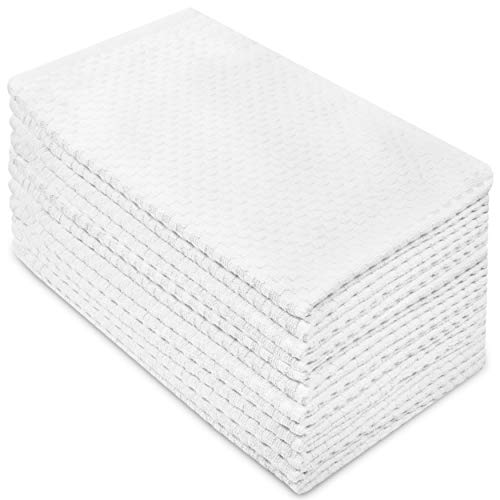


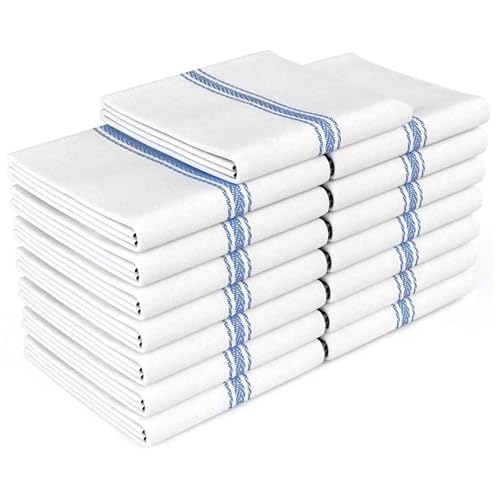

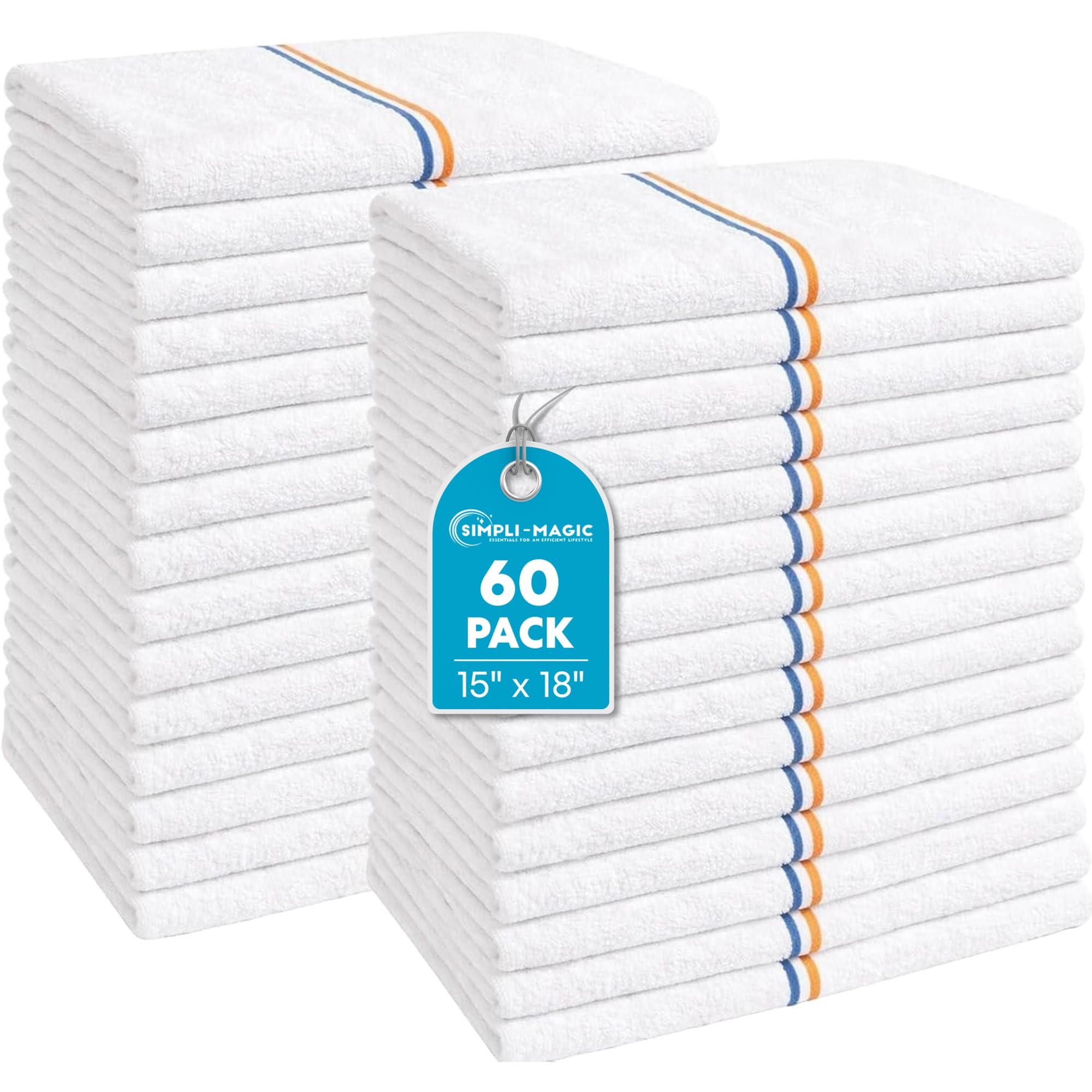
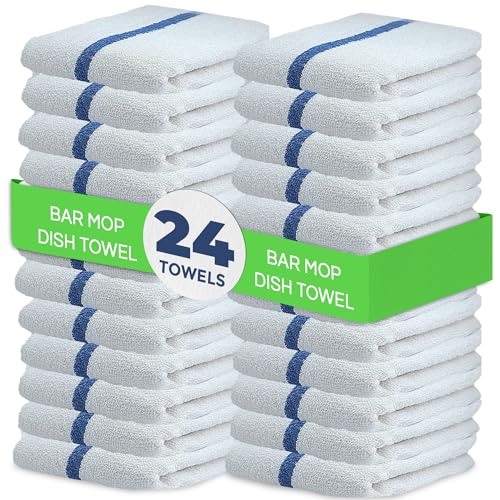

Who Should Buy Which Absorbent Cotton Kitchen Towels?
Start with the job you hand a towel most often. Capacity, texture and drying speed matter in different proportions for each group below.
Busy Family Cooks Who Dry Cookware Every Day
You move between sink, stove and counter all evening, so you need towels that take in a lot of water before they feel soaked. Choose a medium to heavy weight in a terry weave, in a larger size that covers a roasting pan or a cutting board. Buy enough towels to rotate through the day, because a towel that starts dry always absorbs faster than one already damp from lunch dishes.
Bakers and Cooks Who Need a Clean Finish on Glassware
You care about what a towel leaves behind as much as what it picks up. Choose a flat weave or a fine terry with short loops, because smooth surfaces tend to shed less lint onto glasses and polished pans. Light colors help you spot flour, oil and sauce at a glance. Keep these towels separate for glass and bakeware, and use heavier towels for spills.
First Time Buyers and Gift Shoppers Building a Basic Set
You want a set that works for hands, dishes and counters without a lot of trial and error. Choose a uniform set in a midweight cotton that balances absorbency with a drying time your laundry routine can handle. Neutral colors hide light stains and suit most kitchens, which also makes the set an easy gift. If you are comparing starter options, see our guide to the best cotton kitchen towels for the broader cotton choices behind these sets.
Key Features to Compare
Compare fiber, weight, weave, size and finishing in that order. When you shop for the best absorbent cotton kitchen towels, that order keeps a soft hand feel or a pretty color from hiding a towel that holds little water.
Cotton Fiber and Staple Length
Cotton absorbs because its fibers swell and hold water inside and between the yarns. Longer staple cotton, including Turkish cotton, makes stronger and smoother yarn, so towels woven from it tend to stay soft and shed less lint after many washes. Shorter staple cotton costs less and can feel plush at first, but it may pill and thin sooner. If a label names the staple or origin, treat that as a durability clue.
Weight in GSM and How Thick a Towel Feels
GSM means grams per square meter, and it tells you how much material sits in a given area of cloth. Kitchen towels often fall around 400 to 700 GSM, with lighter towels drying faster and heavier towels holding more water per pass. A towel near 400 to 500 GSM suits hands and light dish work. A towel near 550 to 700 GSM suits big drying jobs but needs more dryer time.
Weave Pattern and Surface Texture
Terry weave uses loops that increase surface area, so it pulls in water quickly and cushions fragile dishes. Waffle weave uses a recessed pattern that traps water in its pockets and dries faster between uses. Flat weave lies smooth and leaves little lint, which suits glassware. Many kitchens do best with two weaves, and our guide to the best kitchen towels absorbent explains how weave affects daily drying.
Size and Coverage for Dishes, Hands and Counters
Most kitchen towels measure about 15 by 25 inches to 20 by 30 inches. A larger towel covers a dinner plate in one placement, wraps a warm lid, and gives you a dry corner after the center gets damp. A smaller towel turns easily inside a glass and hangs without dragging on the counter. Cotton can shrink in the first few hot washes, so choose the size you will unfold fully, since a towel left folded in a drawer absorbs nothing.
Edges, Lint and Long Term Durability
Edges fail before centers on most towels, so look for folded and stitched hems rather than thin edges that curl. New cotton towels shed lint for the first few washes, but shedding that stays heavy after five or six washes points to weaker yarn. Colorfast dye matters too, because a towel washed with mixed loads should keep its color. For background on fiber grades, see our guide to the best cotton for towels.
Choosing by Task: Dishes, Hands, Spills and Hot Items
A single set can cover every task, but most cooks are happier when each towel has a main job. Assign your thickest terry towels to dish drying, where capacity matters most. Assign waffle or midweight towels to hands, because they dry faster between uses and feel less clammy by evening. If hand drying is your main need, see our guide to the best absorbent kitchen hand towels for sizes and textures made for that job.
Keep flat weave towels for glassware and polished pans, where a smooth finish matters. Keep one older and darker towel for spills and for wiping the stove, so sauce and grease do not stain your best dish towels. Never use a damp cotton towel as a pot holder for a long carry, because water in the fibers turns to steam against your hand. Use a dry thick towel folded once for a short move, and a proper mitt for oven work.
Common Mistakes to Avoid
Most disappointing sets trace back to one of these choices at the buying stage.
- Choosing by softness in the store alone leaves you with towels that feel plush but push water around instead of taking it in.
- Buying only the heaviest GSM leaves you with towels that stay damp between meals and develop a sour smell.
- Ignoring weave leaves glassware covered in lint when you use a loose terry towel for polishing.
- Buying too few towels forces you to reuse a damp towel all day, which cuts absorbency and spreads odor.
- Picking white towels for a sauce heavy kitchen leads to visible stains that make a clean set look worn early.
Care and Maintenance for Cotton Kitchen Towels
Wash new cotton towels before first use, because finishes left from making and shipping can coat the fibers and slow absorption. Wash them separately for the first few loads, since early lint can transfer to other laundry. Use warm water and a regular detergent, and skip fabric softener on towels, because softener coats cotton fibers and reduces the absorbency you bought them for. A small amount of plain white vinegar in the rinse can help clear detergent buildup if towels start to repel water.
Dry towels fully after each wash, on a line with air moving around them or in a dryer on a medium setting. Store them only when they feel dry to the center, because a folded damp towel grows odor in a drawer. Wash kitchen towels at least every few days in a busy kitchen, and sooner after raw meat or egg spills. Look for OEKO TEX certified cloth if you prefer textiles tested for harmful substances.
FAQ
What GSM is best for absorbent cotton kitchen towels?
For most kitchens, 450 to 600 GSM gives the best balance for absorbent cotton kitchen towels. That range holds enough water for a full load of dishes while still drying overnight on a hook. Go lighter if your kitchen stays humid and towels dry slowly. Go heavier only if you tumble dry often, because thick towels that air dry slowly can smell before their next use.
Are luxury cotton kitchen towels worth the extra cost?
Luxury cotton kitchen towels can be worth it when the price buys longer staple fiber and stronger hems, not just a brand name. You gain slower lint shedding and edges that survive weekly hot washes. You gain little when the price only buys unusual colors or gift packaging. A sound midweight set at about $20 to $35 often serves a first kitchen better than one costly set you are afraid to stain.
How do I keep absorbent cotton kitchen towels fresh for longer?
You keep absorbent cotton kitchen towels fresh by hanging each towel open after use so air reaches both sides. A towel bunched on a hook stays wet in the fold, and that trapped moisture is where odor starts. Rotate at least three towels through the day in a busy kitchen. Once a month, wash a load in the hottest water the care label allows, with no softener, to clear oils that warm washes leave behind.
How often should I replace absorbent cotton kitchen towels?
Replace absorbent cotton kitchen towels when they stop taking in water quickly, usually after one to two years of daily use and weekly washing. Test an older towel by laying it flat on a small puddle. A sound towel pulls the water in within seconds, while a worn towel lets it sit on the surface. Replace single towels as they fail, and move worn ones to cleaning duty.
Wrapping Up
Match the towel to the task first, then check fiber, GSM and weave in that order. Busy dish dryers need capacity and enough towels to rotate. Glassware needs a smooth and low lint surface. Use the product table above to compare size, weight and set count against those points.
When you judge best absorbent cotton kitchen towels by how you actually cook and clean, the right set is easy to spot. Buy for your busiest day rather than your lightest one, and your towels will keep up from breakfast dishes to the last wiped counter at night.