Best Alternative to Paper Towels for 2026: Budget, Midrange, and Premium Guide
Disclosure: We may earn a commission when you buy through links on this page, at no extra cost to you. As an Amazon Associate I earn from qualifying purchases. Learn more

A guide to the best alternative to paper towels: cloth types, price tiers, and how to build a reusable kitchen routine.
Paper towels are convenient, but a household that cooks daily can go through roll after roll, and most of that paper handles small spills that a cloth could manage just as well. Prices for reusable options range from a few dollars for a basic cotton pack to much more for thick, large, carefully finished cloths, and the difference is not always obvious from a photo.
This guide explains what the best alternative to paper towels looks like at each price level, which features actually change daily use, and which extras you can skip. Use the comparison table below to check sizes, materials, and pack counts, then use the sections that follow to match a format to your kitchen, laundry routine, and budget.


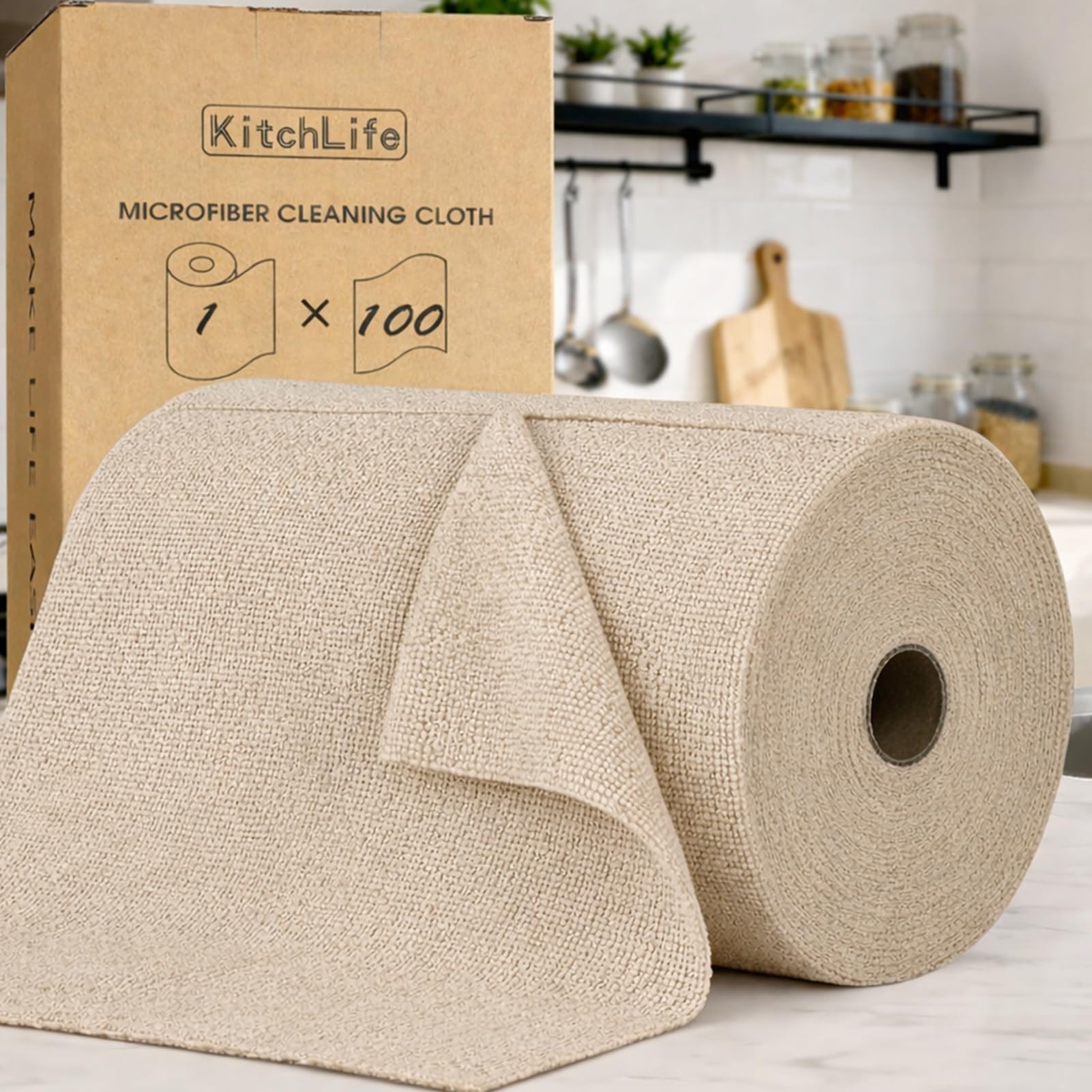
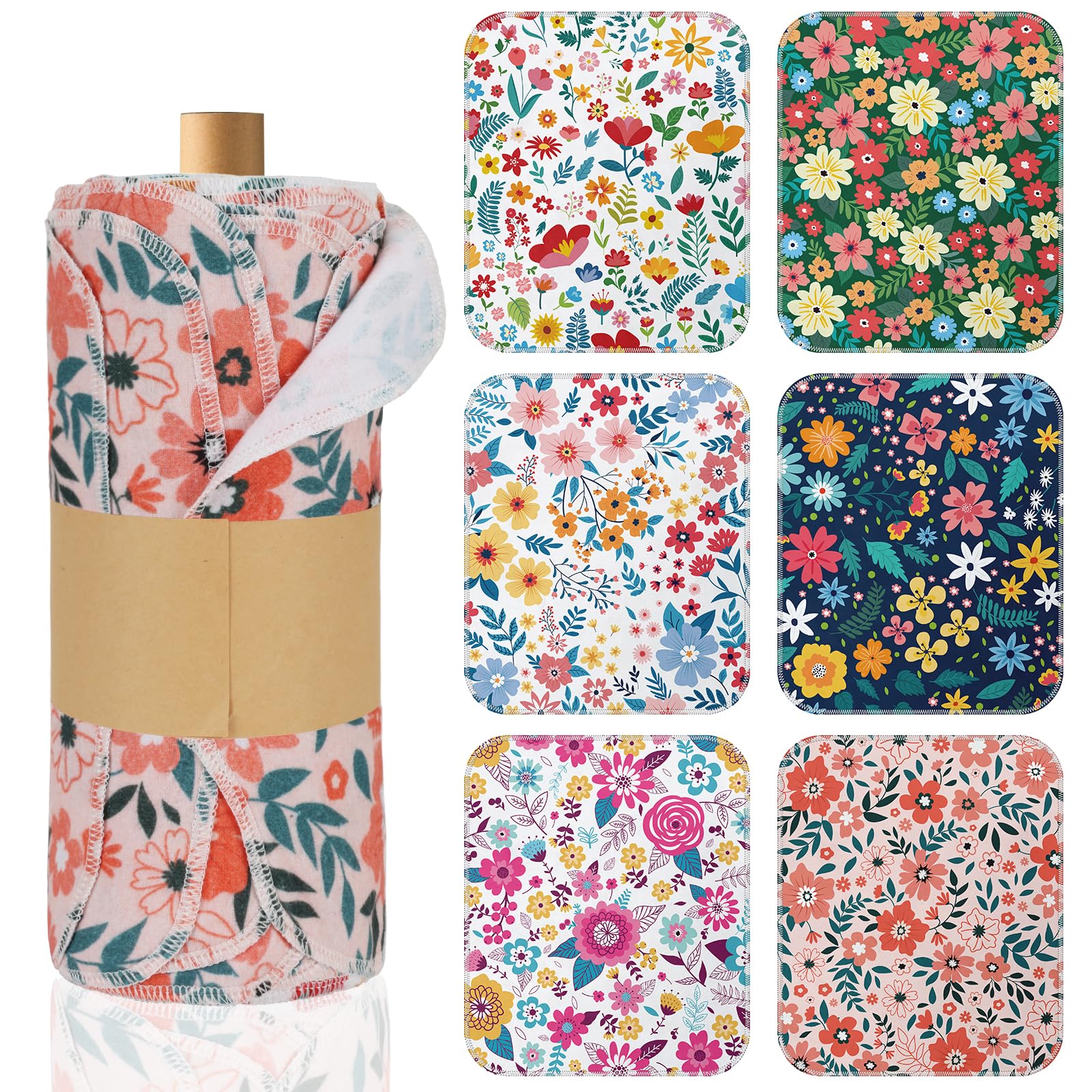
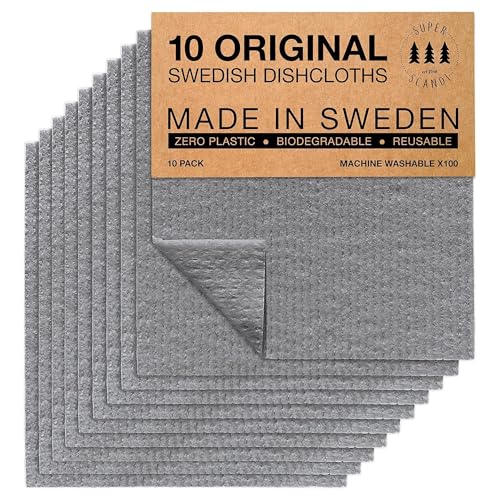


Choosing by Budget: What Each Tier Does Best
Instead of chasing a single winning product, think in tiers. Each tier suits a different household, and the right choice is the one you will actually wash, dry, and reach for instead of the paper roll.
Budget Choice: Simple Cotton Cloths
A budget choice is best for renters, students, and anyone trying out whether reusable cloths fit their routine at all. Look for plain cotton or cotton blend cloths sold in larger packs, because losing or staining one should not feel like a problem. The cloths will be thinner and may shrink or curl at the edges, but for wiping counters, drying hands, and catching crumbs they do the job. Buy two colors if you can, one for food areas and one for general cleaning, so the system stays clear from day one.
Midrange Choice: Absorbent Everyday Sets
A midrange set suits families who cook most nights and want one cloth type to handle most tasks. At this level you should expect better absorbency, sturdier stitching, and more consistent sizing from cloth to cloth. Materials such as thick cotton terry, microfiber, and cellulose sponge cloth blends all appear here, and each has strengths covered later in this guide. This tier is usually the value sweet spot because the cloths last noticeably longer than budget packs while still costing far less per month than paper.
Premium Choice: Large, Durable, Special Purpose Cloths
A premium choice makes sense for busy kitchens, keen home cooks, and households that want separate cloths for glass, produce, and heavy cleanup. Paying more should bring larger sizes, denser weave, better edge finishing, and materials that keep their shape after many washes. Some premium sets also include a storage roll or a counter holder, which helps if you want the cloths visible and easy to grab. The limit is simple: premium cloth only pays off if you will care for it, since a lost or ruined premium cloth costs far more to replace.
What Your Money Gets You at Each Price Tier
Budget Tier: What to Expect
Budget sets, often under $15 for a pack, give you quantity first. Expect thinner cotton, basic hems, and absorbency that is fine for water and crumbs but less impressive on oil or large spills. Colors may fade and sizes may vary a little after washing. That is acceptable if your goal is to cut paper use for easy jobs while keeping a small paper supply for truly messy tasks. For many households, a partial switch like this still removes most of the weekly paper waste.
Midrange Tier: The Sweet Spot for Most Buyers
Midrange sets, often about $15 to $35, balance cost, absorbency, and lifespan. Cloths feel more substantial, dry hands faster, and handle a spilled glass of water without needing a second cloth. Stitching holds up better in the wash, and packs often mix sizes or textures for different jobs. If you read our guide to the best quality paper towels, you know absorbency per sheet drives real value, and the same logic applies here, except a good cloth delivers that absorbency hundreds of times.
Premium Tier: When Spending More Pays Off
Premium sets, often about $35 to $70 or more, add durability and specialization. Expect dense bamboo fiber, thick sponge cloth, or heavy cotton that stays flat and keeps absorbing after a year of use. Larger cloths cover a cutting board or a stovetop spill in one pass. Spending more pays off for households that cook with oil often, dry a lot of glassware, or simply dislike replacing worn cloths. It pays off less for light use, where midrange cloths already cover every task.
Features Worth Paying For (and Ones to Skip)
Format and Material
Format decides how a cloth feels in daily use. Cotton terry is soft, cheap, and good for hands and counters, but it can leave lint on glass. Microfiber grips grease and polishes well, yet it needs washing care and should stay away from high heat. Cellulose sponge cloths absorb a surprising amount of water, dry stiff, and resist odor when aired properly. Bamboo fiber cloths are soft and absorbent, and if you want a plant based comparison point, see our guide to the best bamboo paper towels for how bamboo behaves as a disposable option.
Surface Compatibility
Check that your cloth suits your surfaces before you buy a large pack. Soft cotton and bamboo are safe on granite, sealed stone, stainless steel, and glass. Some rough scrub sided cloths can dull delicate finishes, so keep those for sinks and stovetops only. Microfiber in good condition gives a streak free finish on glass and mirrors, but a worn or gritty cloth can drag particles across a surface. Rinse cloths often during big cleanups, and shake out crumbs before wiping polished counters.
Cost per Use and Value
Cost per use is where reusable cloths pull ahead. Divide the pack price by the number of cloths and then by a realistic number of uses, and even a premium cloth often lands at a few cents per use. Paper, by contrast, costs the same every single time. To make the math honest, add laundry cost: washing cloths with an existing towel load adds almost nothing, while running tiny special loads erases much of the saving. Batch your cloth washing and the value case becomes very strong.
Eco Friendly Packaging and End of Life
Packaging and end of life matter, but material and lifespan matter more. A cloth that lasts two years beats a short lived cloth in fancy packaging every time. Look for minimal plastic, clear care instructions, and natural fibers you can compost at the end if the cloth is fully cotton or cellulose. If you still keep some paper for certain jobs, our guide to the best recycled paper towels explains how recycled content changes that footprint. Skip vague green claims with no material details.
Effectiveness on the Specific Mess
Match the cloth to the mess you make most. Water based spills need absorbency and size. Grease needs a cloth that grips oil and washes clean without holding a smell, which is why many cooks keep a dark colored set for stovetop work. Limescale around faucets responds better to a slightly textured cloth plus a suitable cleaner than to brute force. For raw meat juice and similar hygiene risks, many households sensibly keep paper or use a cloth once and then wash it hot, a habit also covered in our guide to the best paper towels for cleaning.
Picking the Right Alternative for Different Uses
Reusable Cloths for the Kitchen
For kitchen use, prioritize three things: fast absorbency at the sink, a size that covers a dinner plate for drying, and a fabric that releases food stains in a normal wash. Keep at least six cloths in rotation so a clean one is always ready. Hang each cloth flat after use so it dries fully, because a damp cloth left in a ball is the main cause of sour smells in an otherwise good system.
Long Term Costs to Factor In
Long term cost is mostly laundry, replacement, and storage. A simple hook, small basket, or under sink bin keeps dirty cloths contained until wash day, and those items cost little. Replacement depends on care: cloths washed with towels, dried fully, and kept away from bleach overload last far longer. Budget for replacing a few cloths each year rather than a whole set at once. Also count the paper you still buy. Most households keep one roll for pet messes, draining fried food, and hygiene jobs, so savings come from cutting use sharply, not necessarily to zero.
FAQs
Are natural cleaners as effective when used with reusable cloths?
Yes, for everyday kitchen soil, natural cleaners used with a good cloth are effective, because the cloth does much of the work by lifting and holding dirt. The new point to remember is contact time: spray the surface, wait a minute, then wipe, rather than spraying and wiping in one motion. For disinfecting after raw meat, use a product with a clear disinfect claim and follow its label timing.
What cleaning products should never be mixed together?
Never mix bleach with vinegar or with ammonia based cleaners, because those mixes can release harmful gases. Keep one product per task, rinse the cloth between products, and store bottles labeled and upright. If a strong smell or irritation starts, stop, ventilate the room, and leave until the air clears. When in doubt, plain soap and hot water on a clean cloth handles most daily jobs safely.
How often should I wash reusable kitchen cloths?
Wash kitchen cloths every one to three days, and sooner after wiping raw meat juice or a sour spill. A practical system is a small vented bin for used cloths and a wash with your towel load twice a week. Use hot water when the fabric allows, dry fully, and retire cloths that stay smelly after washing, since odor that survives a hot wash signals worn fibers and trapped residue.
Is a paper towel alternative safe to use around kids and pets?
Yes, reusable cloths are safe around kids and pets when you keep clean and dirty cloths clearly separate. Store used cloths out of reach, wash them hot, and give children their own soft hand cloth so the cleaning set stays for cleaning. Avoid leaving cloths soaked in strong cleaner where a pet could reach them. As with any cleaning routine, if a child shows skin irritation from a detergent, talk with their clinician about suitable fragrance free options.
Final Thoughts
Choose by material, absorbency, and how the cloths fit your laundry routine, and the budget question mostly answers itself. Most households do best with a midrange set, a clear color system, and one paper roll kept for the messiest jobs. Compare sizes and pack counts in the product table above, then commit to the best alternative to paper towels setup you will actually use every day, because consistency is what turns a small switch into real savings.