
Best Alcohol for Mixers: Budget, Midrange, and Premium Picks for 2026
Disclosure: We may earn a commission when you buy through links on this page, at no extra cost to you. As an Amazon Associate I earn from qualifying purchases. Learn more
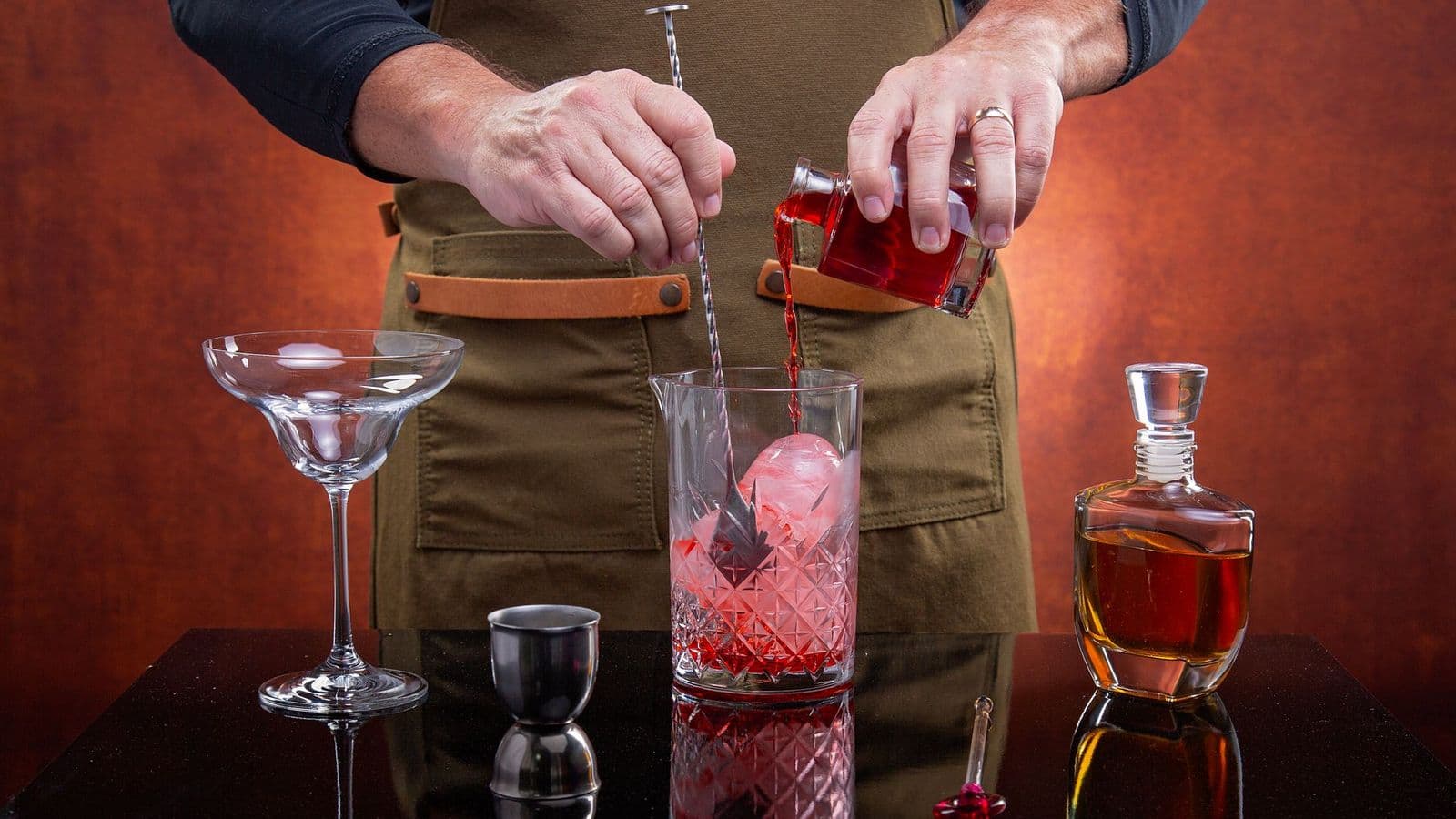
Learn how to choose the best alcohol for mixers by spirit type, proof, sweetness and price, with pairing and storage tips for better mixed drinks.
Prices stretch from under $15 to well over $50 a bottle, and a higher price does not always make a better mixed drink. The best alcohol for mixers is the bottle whose flavor, proof and sweetness still make sense after soda, juice or tonic and a lot of ice join the glass. Use the sections below to match a bottle to the drinks you actually make.
Start with your mixer, not the label. A delicate soda needs a clean and gentle base, while bold ginger beer or tart cranberry can hide flaws and also hide costly nuance. The sections below sort buyers by style and show what each price level buys.
Who Should Buy Which Spirits for Mixed Drinks?
Your regular drink decides the right bottle far more than a rare special occasion drink. Match the spirit to the mixer, the glass size and the people at your table.
Hosts Who Make Batch Drinks for a Crowd
You need volume, simple ratios and flavors that please mixed tastes without costly pours. A smooth vodka or a white rum in a larger bottle serves punches, lemonades and fruit juices well, because neither spirit fights the mixer. Choose a middle proof so a big pitcher stays balanced after ice melts.
Home Drinkers Who Love Soda and Citrus Classics
You build tall drinks with club soda, tonic, grapefruit or lime, and the spirit stays easy to taste in every sip. Gin brings botanical lift to tonic, tequila brings earthy bite to grapefruit soda, and vodka keeps citrus clean. Because these mixers add little cover, harsh edges show quickly, so spend a little more for a smooth bottle.
Drinkers Who Watch Sugar and Calories Closely
You prefer dry drinks and read labels for added sugar in both spirit and mixer. Plain vodka, gin, tequila and rum with no added flavoring are usually dry before mixing, while many liqueurs add notable sweetness. Pair a dry base with soda and fresh citrus, and see our guide to the best keto alcohol mixers for low sugar pairing ideas. If you are pregnant, take medicine that interacts with alcohol or manage a health condition, the safest choice can be to skip alcohol entirely and talk with your clinician about personal needs.
Key Features to Compare
Compare these traits in the glass, not on the shelf.
Base Spirit Type and the Role It Plays
Vodka tastes the most neutral and lets juice or soda lead. Gin adds juniper and herbs, rum adds warmth and a hint of sugarcane, tequila adds green and earthy notes, and whiskey adds oak and grain weight. If you want the mixer to shine, choose neutral. If you want depth from few ingredients, choose a spirit with character and a simpler mixer.
Proof and How Dilution Changes Balance
Most base spirits sit at about 40 percent alcohol by volume, or 80 proof, while many liqueurs sit lower at about 15 to 30 percent. Higher proof stands up to heavy ice melt in long drinks, but it can push heat ahead of flavor when the mixer is light. Lower proof pours feel softer in short drinks, yet they can vanish in a large glass of juice. Match proof to glass size and ice, not to strength alone.
Flavor Intensity Versus Mixer Strength
A strong mixer needs a spirit with enough presence to stay noticed, and a gentle mixer needs restraint. Ginger beer, cola and cranberry can cover a mild vodka, so a bolder rum or bourbon often works better there. Plain soda and a squeeze of lime cover almost nothing, so a clean gin or a smooth blanco tequila shows its quality clearly.
Smoothness and the Absence of Harsh Edges
Smoothness matters most when the mixer is thin and the drink is cold but not heavily sweetened. Extra distillation or careful aging can soften sharp alcohol bite, which is why a rough budget bottle often needs sweet juice to hide it. Save smoother bottles for soda, tonic or citrus drinks, where you taste the difference in every sip.
Sweetness, Dry Styles, and Versatility Across Mixers
Sweetness decides how much mixer and citrus you need for balance. A dry base plus a sweet mixer gives you control, while a sweet base plus the same mixer can turn flat and heavy. Versatility is the final test, because a bottle that works with soda, juice and tonic earns its shelf space. In practice, choosing the best alcohol for mixers means picking a dry and versatile base first, then adding sweet liqueurs in small pours only where a recipe needs them. For broader ideas, see our guide to the best drink mixers.
What Your Money Gets You at Each Price Level
Price buys smoothness and flavor clarity more than strength.
Bottles Under About $20 for Punches and Sweet Juice Drinks
At this level you get serviceable base spirits with simpler flavor and a firmer alcohol edge. They work best in punches, cola drinks and sweet juices, where sugar and fruit soften rough notes. The tradeoff is flexibility, because these bottles can taste thin with plain soda and harsh with only lime for cover.
Bottles About $20 to $35 for Everyday Highballs and Classics
This level usually brings cleaner flavor, softer bite and more reliable balance from bottle to bottle. Vodka tastes cleaner, gin shows clearer herbs, and tequila keeps its earthy character without raw heat. These bottles handle tonic, soda and citrus with confidence. For most home bars this is the value zone, where you pay for taste you can notice.
Bottles Above About $35 for Spirit Forward and Lightly Mixed Drinks
Above this level you pay for nuance, longer aging or small batch character that shows best with little cover. A fine bourbon with a splash of soda or a smooth tequila with grapefruit and salt can justify the cost in a quiet glass. In a sweet punch that nuance disappears. Buy premium for short drinks, and keep a middle level bottle for large mixes.
Common Mistakes to Avoid
Most disappointing mixed drinks come from pairing errors, not from price.
- Pouring a delicate premium spirit into a very sweet punch wastes its nuance and leaves only the high cost.
- Using a rough budget spirit with plain soda exposes harsh bite that ice cannot fully soften.
- Buying a large bottle of a flavor you rarely drink lets it sit open and crowd out fresher choices.
- Ignoring the sweetness of liqueurs turns a balanced recipe cloying and hides the base spirit.
- Matching a smoky or heavily oaked spirit with delicate citrus soda creates a muddy and bitter clash.
- Forgetting that margarita drinks need orange liqueur and fresh lime as well as tequila leads to thin and sour glasses, so plan with our guide to the best mixers for margaritas before you shop.
Storing Open Bottles So Mixed Drinks Stay Fresh
Base spirits keep well after opening when stored upright, sealed tightly and away from heat and direct sun. A cool cabinet suits vodka, gin, rum, tequila and whiskey, and most keep good flavor for a year or more. Air in a nearly empty bottle dulls aroma, so finish a small remainder in batch drinks soon.
Liqueurs and vermouth need more care, because sugar and wine bases fade faster than plain spirits. Many liqueurs stay pleasant for about six months after opening, while vermouth belongs in the refrigerator and tastes best within about one to three months. Ongoing cost is mostly fresh mixers, citrus and ice, not the base spirit itself.
FAQ
What proof works best for spirits mixed with soda or juice?
A spirit at about 40 percent alcohol by volume works best for most soda and juice drinks. That level keeps the base present after ice melt without pushing heat ahead of fruit or fizz. For very long drinks, a slightly higher proof can help, but pour less first and taste.
How long does an open bottle of base spirit stay good for mixed drinks?
An open bottle of base spirit stays good for mixed drinks for a year or more when sealed and stored cool and dark. Flavor fades slowly as air fills the bottle, so the last pours from a bottle open for years may taste flat rather than spoiled. Write the opening month on the label, a simple habit that helps you rotate older bottles into punches first.
Are expensive spirits worth it for drinks with strong mixers?
Expensive spirits are rarely worth it for drinks with strong mixers such as cola, ginger beer or sweet cranberry. Those flavors cover the subtle notes you paid for, and a clean middle price bottle gives nearly the same result. Save premium bottles for a short whiskey and soda, where the spirit carries the flavor.
Which spirit works best with margarita style mixers and fresh lime?
A blanco tequila works best with margarita style mixers and fresh lime, because its clean agave bite cuts through sweetness and salt. Rested styles with light oak add warmth if blanco tequila tastes sharp, but heavy aging can dull citrus. Use fresh lime rather than bottled sour mix, since fresh juice keeps the drink bright and lets you control sugar.
Final Thoughts
Choose by mixer first, then by proof, sweetness and price. A dry and versatile base covers the most drinks, a smoother bottle rewards light mixers, and a bold bottle stands up to strong flavors. Compare bottle size, style and price against the drinks you make most often.
When you judge best alcohol for mixers by what survives in the glass after ice and fizz, value becomes clear. Buy one sound bottle for your favorite style, mix it three ways, and let real taste, not shelf price, guide your next purchase.


