Best Abs Printers: Matching the Right Model to Your Routine for 2026
Disclosure: We may earn a commission when you buy through links on this page, at no extra cost to you. As an Amazon Associate I earn from qualifying purchases. Learn more

Discover the best abs printers for your needs. We match features to real use cases so you avoid overpaying and get the right fit the first time.
ABS is one of the most useful 3D printing plastics because finished parts resist heat and impact better than PLA. It is also one of the least forgiving, because ABS warps as it cools and releases fumes while it prints. That is why shopping for the best abs printers is really about temperature control, enclosure design, and ventilation, not about a single headline spec.
There is no single model that suits every routine. A student printing brackets twice a month needs something different from a small workshop printing functional parts every day. This guide matches printer types to real use cases, explains the features that control print quality, and shows you how to use the comparison table below with confidence.

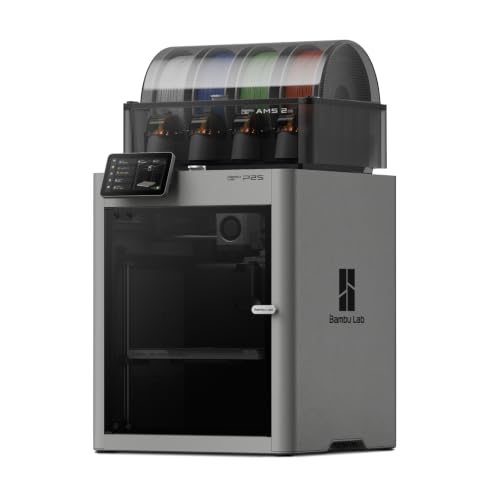
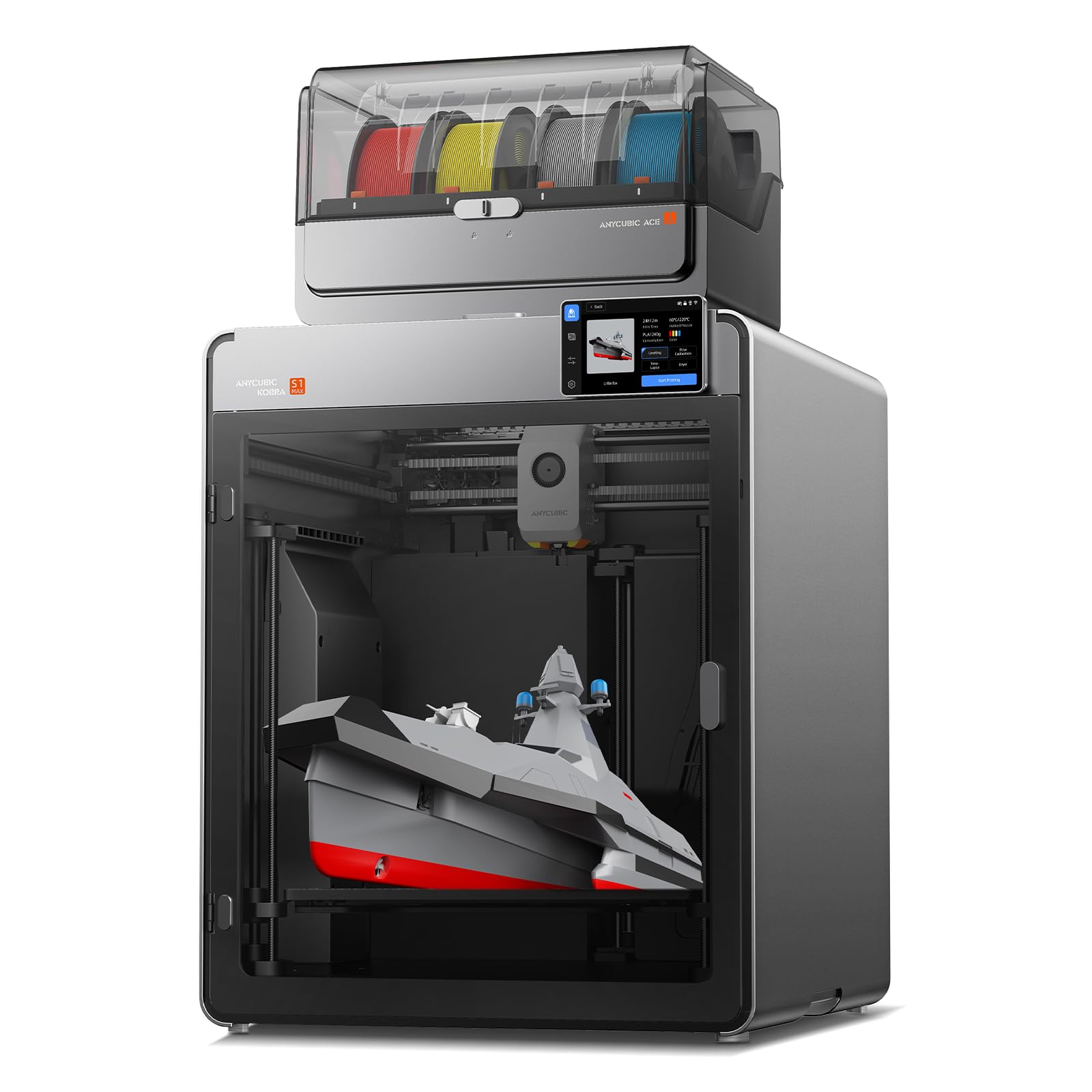
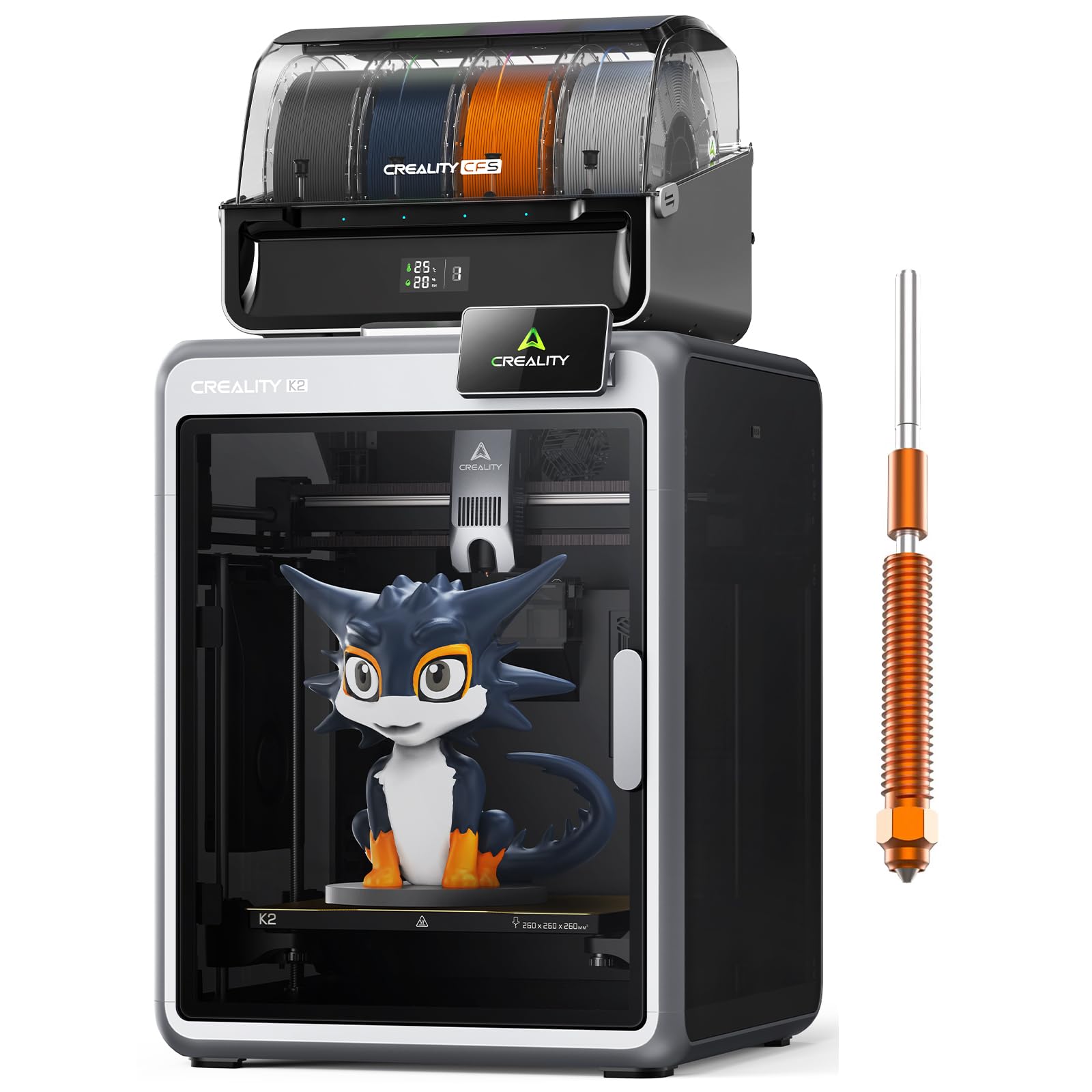

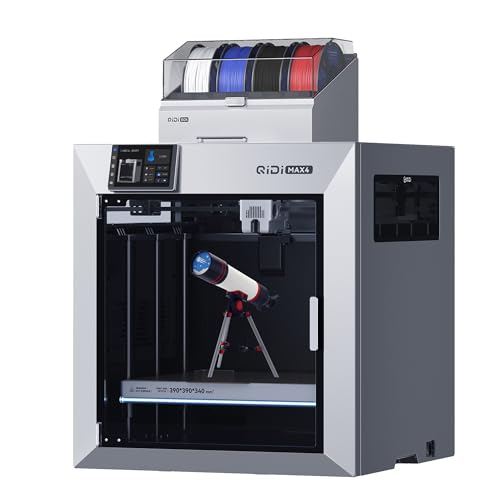
Who Should Buy Which Abs Printers?
Start with how often you print, where the printer will live, and how large your typical parts are. Those three answers narrow the field faster than any speed rating. The groups below cover the most common routines we hear about from ABS buyers.
For Travelers and Commuters
If you split time between home and a workshop, or you move your printer between rooms, weight and footprint matter more than raw build volume. Look for a compact enclosed printer that holds its calibration after being moved, with a carry friendly frame and a door that seals well. Recheck bed level and belt tension after every move, because even a short trip in a car trunk can shift alignment. A smaller chamber also heats up faster, which suits short evening print sessions.
For Students and Everyday Users
Students and casual makers usually print prototypes, organizers, and replacement parts a few times a week. Prioritize reliability over speed: auto bed leveling, a direct drive extruder, and a heated bed that reaches at least 100 degrees Celsius will prevent most failed prints. Choose a printer with a simple slicer profile for ABS so you spend time designing rather than tuning. Budget for filament and spare nozzles from the start, because a clogged nozzle during a deadline week is a common and avoidable problem.
For Gamers and Power Users
Gamers print controller stands, headset hangers, cosplay armor, and detailed props, often in many pieces that must fit together accurately. Dimensional accuracy matters here, so look for a rigid frame, consistent chamber temperature, and a build volume large enough for helmet or armor segments. Power users who print daily should also value a hardened steel nozzle, since ABS blends with fillers wear brass nozzles quickly. If you print props to paint, a smooth first layer and even cooling matter more than top speed. For a deeper look at dedicated machines, see our guide to the best abs 3d printers once you know your size needs.
Picking the Right Abs Printers for Different Uses
Price bands for ABS capable printers map closely to enclosure quality and temperature range. The two budgets below are the ones readers ask about most, and each comes with clear trade offs you should accept before buying.
Best Abs Printers under 500
At this budget, expect a fully enclosed frame, a heated bed, and basic auto bed leveling as the standard package. At this level, prioritize a chamber that stays warm during long prints and a part cooling fan you can slow down for ABS. You may give up a very large build volume or a heated chamber with active control, so plan to print medium sized parts and keep the printer in a room you can ventilate.
Best Abs Printers under 400
Models in this lower band usually make one compromise: either a smaller build volume or an enclosure without active heating. That can still work well for brackets, enclosures for electronics, and tool holders if you print in a warm room and use an adhesion aid on the bed. Check the maximum nozzle temperature carefully, because some budget machines cap out below the 240 to 260 degrees Celsius range ABS prefers. A removable flexible build plate is worth more at this price than a color touchscreen.
Key Features to Compare
Spec sheets list dozens of numbers, but only a handful decide whether ABS parts come out flat, strong, and clean. Work through the features below in order and you will read any listing in the product table above like a technician instead of a gambler.
Footprint and Noise
An enclosed ABS printer needs space around it for the door to open, filament to feed, and warm air to escape when you vent it. Measure your bench with the door open, not closed, and leave room behind the machine for cables. Noise comes mostly from fans and stepper motors, and a closed door cuts much of it, which matters in a small apartment or shared office. If the printer will run near a bedroom, look for quiet stepper drivers and avoid placing it on a hollow desk that amplifies vibration.
Printer Type: Enclosed FDM and Other Options
ABS filament prints on FDM machines, which melt plastic and lay it down layer by layer. A fully enclosed FDM printer is the correct tool, because the chamber slows cooling and reduces warping and layer splitting. Open frame FDM printers can manage small ABS parts with a draft shield or temporary cover, but large flat parts often lift at the corners. Resin printers use liquid resin rather than ABS filament, and so called ABS like resins mimic some toughness but cure differently and need washing and post curing. Treat them as a separate category, a point also covered in our overview of the best three d printers across all technologies.
Print Speed
Print speed for FDM machines is listed in millimeters per second, but ABS rarely rewards the fastest setting. Printing too fast in a cool chamber causes poor layer bonding, so the usable speed for strong ABS parts is often moderate even on fast machines. Look instead for consistent flow: a high flow hot end and stable motion system let you print walls quickly without under extrusion. For most buyers, a printer that holds quality at moderate speeds beats a headline speed record that only applies to PLA.
Cost per Print and Filament Costs
ABS filament is among the cheapest engineering plastics, often costing less per kilogram than PLA blends or PETG. Your real cost per print combines filament weight, failed prints, and electricity for the heated bed and chamber. A reliable enclosed printer wastes less filament on warped failures, so it can cost less over a year than a cheaper open machine. Track your failure rate during the first month; if more than one print in ten fails, fix temperatures and adhesion before buying more filament.
Build Volume and Bed Size
Build volume tells you the largest part you can print in one piece, and for ABS it interacts with warping: the larger the flat part, the stronger the pull at the corners. Match volume to your real projects rather than buying the biggest chamber available. A bed around 220 by 220 mm handles most brackets, cases, and props, while 300 mm class beds suit long parts but need even chamber heat to prevent splitting. Also confirm the bed surface type, because smooth PEI sheets release ABS well once cool and resist the solvents in some adhesion sprays.
Common Mistakes to Avoid When Buying Abs Printers
- Buying an open frame printer for large ABS parts and hoping a cardboard cover will control warping.
- Ignoring ventilation, even though ABS fumes need an open window, an exhaust fan, or a filtered enclosure.
- Choosing by top speed alone, when chamber temperature and bed adhesion decide ABS success.
- Skipping the maximum nozzle and bed temperatures in the spec sheet and discovering the limits mid print.
- Forgetting the cost of filament, spare nozzles, and build plates in the first year budget.
One more practical point: if your real need is documents and photos rather than plastic parts, you want a paper machine instead, and our guide to the best computer printers for home covers that separate job.
Care and Maintenance Tips
Keep the build plate clean by wiping it with isopropyl alcohol between prints, because skin oil is a leading cause of first layer failure with ABS. Store filament in a sealed box with desiccant, since ABS absorbs moisture slowly and prints with popping sounds and rough surfaces when damp. Lubricate smooth rods lightly, check belt tension monthly, and keep a spare nozzle on hand. If you also run a paper printer, the same habit applies there: print a page weekly to prevent clogs. Makers who rotate between materials often browse the best hobby 3d printers for a second, more casual machine, and the same care routine keeps both running.
Abs Printers: Your Questions Answered
What does cost per print mean?
Cost per print is the total expense of one finished part: filament used, electricity, and a share of wear parts like nozzles and build plates. For ABS, failed prints dominate the math early on, so a warp free first month lowers your cost per print more than bargain filament does. Slicers estimate filament grams per part, which makes it easy to price a design before you commit hours of print time.
Enclosed or open frame: which is cheaper long term?
An enclosed printer is cheaper long term for regular ABS work because it prevents the warping failures that waste filament and time. Open frame machines cost less upfront, but every lifted corner or split layer is filament in the trash. If you print ABS only rarely and only in small parts, an open machine with a temporary cover can still be the sensible budget choice.
Are heated chambers worth it?
A heated chamber is worth it if you print large or flat ABS parts, because actively warmed air reduces internal stress and keeps layers bonded across the whole part. For small brackets and short prints, a passive enclosure that traps bed heat usually does the job. The dividing line is part size: once a part spans most of the bed, active chamber heating earns its cost in saved failures.
Which 3D printer is easiest for beginners?
The easiest 3D printer for beginners printing ABS is a fully enclosed model with auto bed leveling, preset ABS profiles, and a flexible build plate. Those three features remove the steepest learning steps: leveling by hand, guessing temperatures, and prying parts off glass. Start with small parts, learn how brim settings stop corner lift, and only then move to large prints that test chamber control.
Our Verdict
The right choice comes down to enclosure quality, temperature range, and a build volume matched to your real projects. Students and casual makers do well with a compact enclosed machine, while daily functional printing rewards better chamber control and a hardened nozzle. Whichever route you take, the best abs printers are the ones that hold heat steady and waste little filament, so compare your shortlist against the product table above and buy for your routine, not for a spec sheet headline.