Best Above Ground Pool Heat Pumps 2026: Buying Guide
Disclosure: We may earn a commission when you buy through links on this page, at no extra cost to you. As an Amazon Associate I earn from qualifying purchases. Learn more

Compare above ground pool heat pumps by pool size, climate, efficiency, and installation needs, and learn how to size one for a longer swim season.
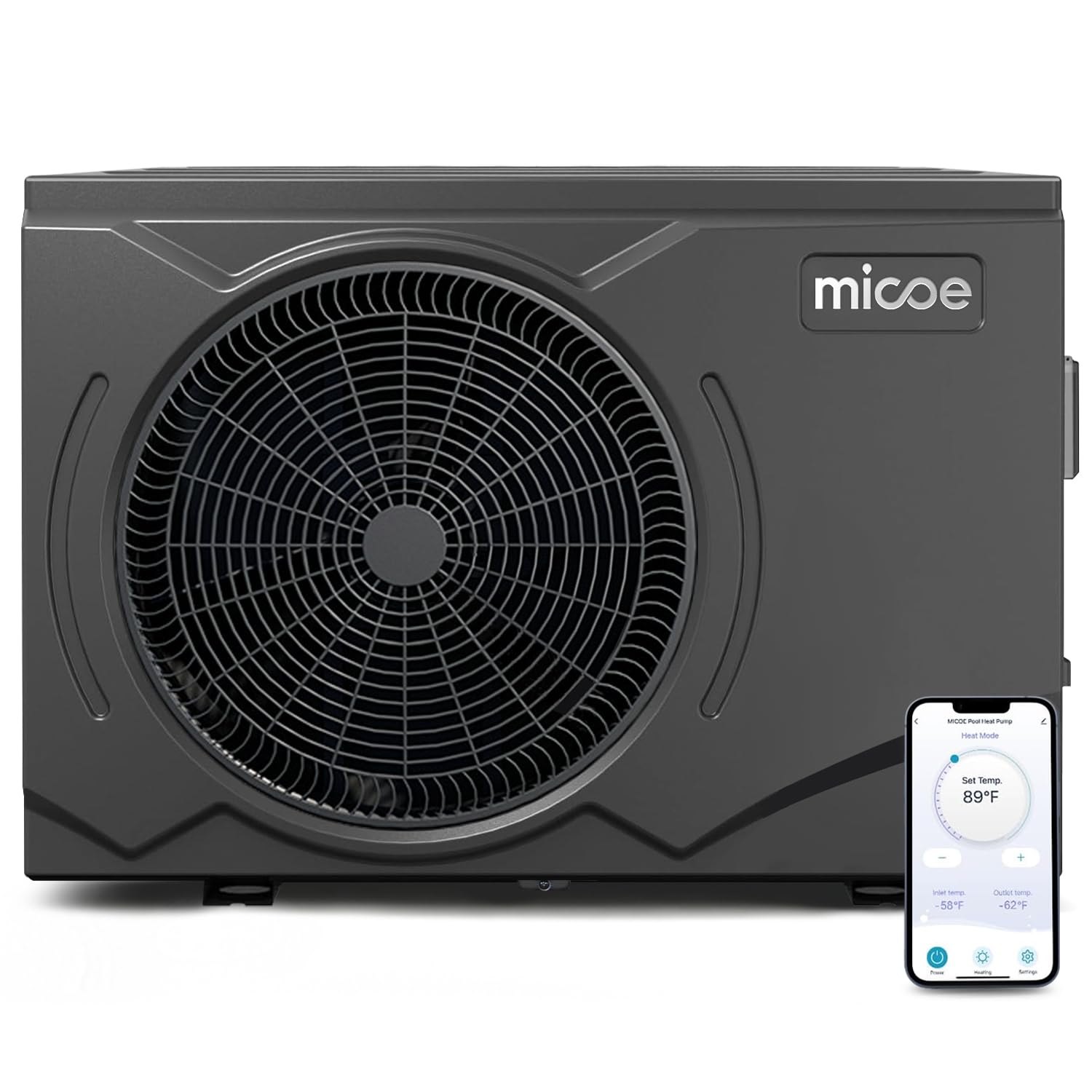
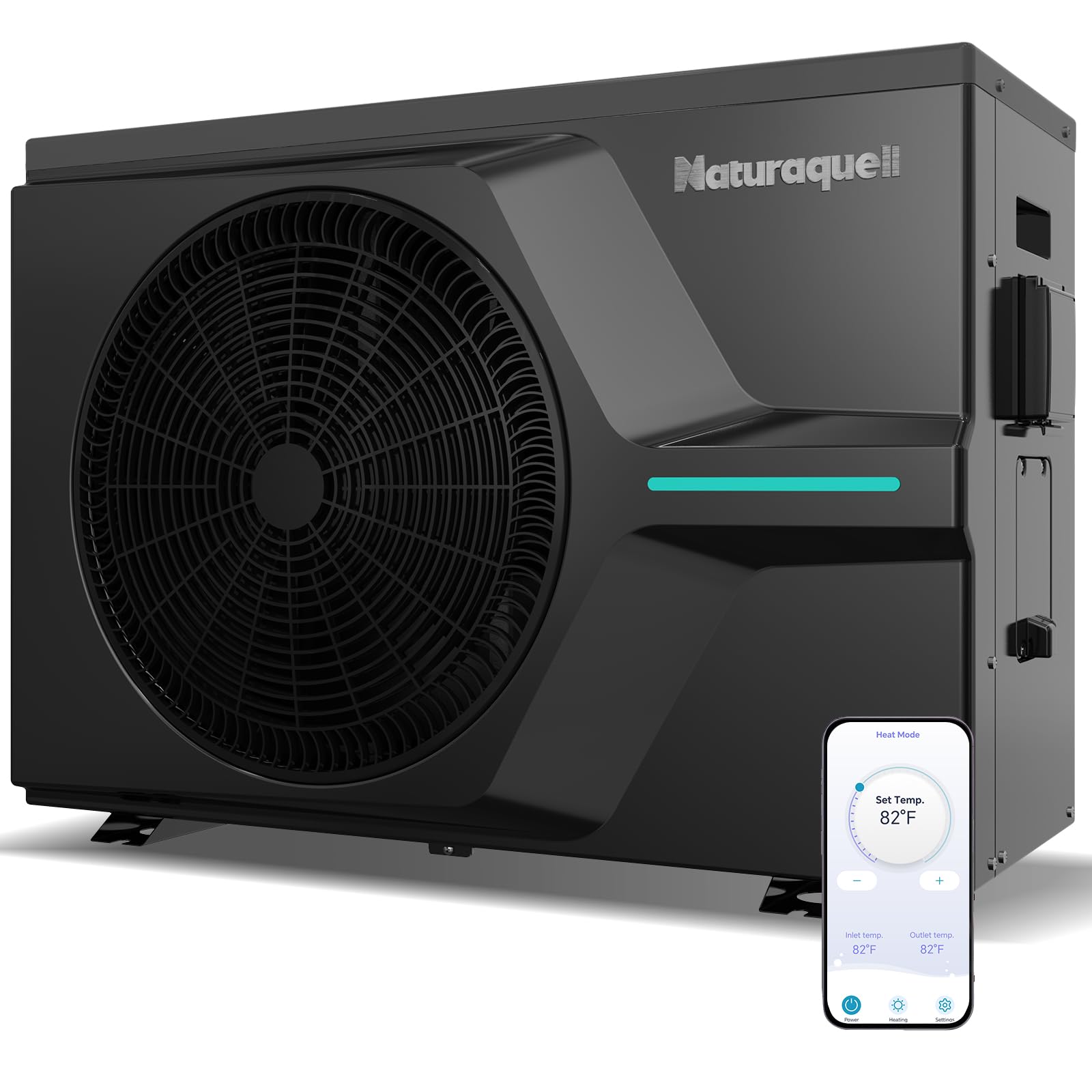
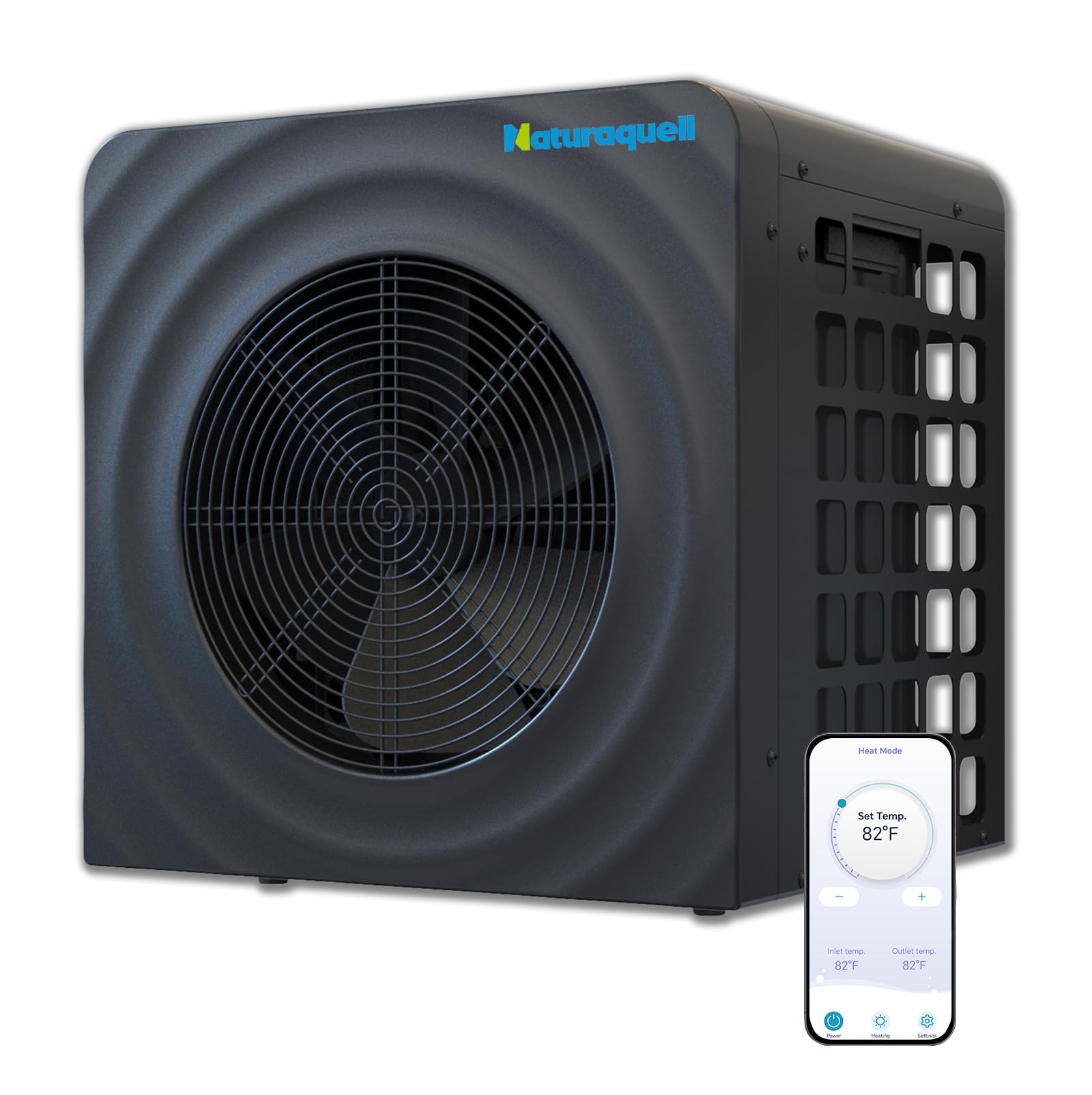
An above ground pool heat pump can stretch the swim season by weeks on each side of summer, but only when it is sized for your pool volume and your local climate. This guide explains best above ground pool heat pumps in practical terms, from sizing and efficiency to placement, plumbing, and running costs. The comparison table below sets out the key differences to check before you buy.
Heat pumps work by moving heat from the air into the water rather than generating heat directly, so they are efficient in mild weather and less effective in cold air. That single fact shapes almost every buying decision, from the size you need to the months you can realistically swim. Understanding it early prevents disappointment later.


Who Should Buy One
A heat pump suits pool owners who swim regularly through spring and autumn and want steady water temperature without the high running cost of direct electric heating. It works best for pools that are used several times a week, since steady use keeps the water at temperature more efficiently than repeated heating from cold. Occasional swimmers may find the upfront cost harder to justify.
If your pool sits in shade, in a windy spot, or in a region with cool nights, expect longer heating times and consider a larger unit or a solar cover to hold heat overnight. A cover is not an optional extra for many owners. It cuts heat loss dramatically and lets a smaller heat pump keep up. Factor the cover into your budget from the start.
Sizing for Your Pool
Sizing starts with pool volume, which you can estimate from diameter and depth for a round pool or length, width, and average depth for an oval pool. Makers publish heating capacity at a stated air temperature, so compare models at the same temperature rather than trusting headline figures alone. A unit sized only for summer air will struggle in spring.
As a rule, choose a unit with some headroom above your calculated need, especially if you want fast recovery after a cool weekend or you swim early in the season. Oversizing by a modest margin costs more upfront but reduces running hours and strain. Undersizing leads to long run times, lukewarm water, and frustration. When in doubt, ask a pool professional to check your volume and climate assumptions.
Efficiency, Climate, and Running Costs
Efficiency is often expressed as a coefficient of performance, which compares heat delivered with electricity used. Higher values mean lower running costs in the same conditions, but the value falls as air temperature drops, so check figures at cooler temperatures that match your shoulder season. Electricity tariffs also matter, so estimate seasonal cost with your local rate rather than a national average.
Placement affects efficiency too. A heat pump needs free airflow around the unit, a firm level base, and distance from bedroom windows because fans make steady noise. Avoid enclosed corners where cold exhaust air recirculates into the intake. Good airflow, a solar cover, and sensible temperature targets together do more for running costs than any single feature.
Installation and Plumbing Basics
Most above ground installations place the heat pump after the filter in the circulation loop, with a bypass that lets you control flow through the unit. Flow rate matters, because too little flow can trigger safety cutouts and too much flow can reduce heating efficiency. Check the makers flow range and compare it with your existing pump, and see best above ground pool pumps if your current pump is near the end of its life.
Electrical supply is another early check. Many units need a dedicated circuit and outdoor rated protection, and local rules may require a qualified electrician. Plan the cable route, drainage for condensate, and winterisation steps before installation day.
A tidy install with accessible valves and unions makes servicing and winter draining far simpler. For filtration context, best filter pumps for above ground pools and best sand pumps for above ground pools explain the pump side of the loop.
Care, Winter, and Common Mistakes
Routine care is simple: keep the air intake clear of leaves and debris, rinse the coil gently when dirty, and check water chemistry regularly, since unbalanced water can damage pool equipment over time. Listen for changes in fan or compressor noise and address them early rather than waiting for a failure in peak season.
Winterisation matters in cold climates. Drain the unit fully, protect exposed pipework, and follow the makers steps for long idle periods. A common mistake is running a heat pump hard in very cold air and expecting summer performance, which wastes electricity.
Use a cover, lower the target temperature in cold snaps, and accept that heat pumps have a practical lower limit. For broader comparisons, best pool heat pumps covers in ground and larger installations as well.
Season Planning and Temperature Targets
Setting a realistic temperature target changes both comfort and cost, since each extra degree demands more energy, especially in cool or windy weather. Most swimmers find a moderate temperature comfortable for active swimming, while younger children and older adults may prefer slightly warmer water for longer sessions. Agree a household target before the season starts, and adjust it gradually rather than chasing rapid changes after cold nights.
Season planning also means timing the first heat well before the first planned swim, because warming a large volume from cold takes days even with a well sized unit. Start heating during a mild spell, keep the cover on whenever the pool is not in use, and run the pump during the warmest part of the day where your tariff allows. These habits reduce strain on the heat pump and keep water ready when you want it.
Wind and shade deserve attention during planning, since a pool in an exposed windy corner loses heat far faster than a sheltered pool of the same size. Windbreaks, fencing, and a good cover together reduce loss more than any single equipment upgrade. If your pool sits in shade for much of the day, expect slower warming and consider whether a larger unit or a longer heating window suits your routine better.
Water Chemistry and Equipment Life
Balanced water chemistry protects the heat pump heat exchanger, the pool liner, and swimmers alike, so test pH, chlorine, and alkalinity regularly and adjust in small steps. Unbalanced water can scale or corrode internal parts over time, and those problems often appear as reduced heating performance before any visible damage. Keep a simple log of test results so trends are easy to spot and correct early.
Debris control also matters, since leaves and dirt that reach the heat pump can block airflow or foul the coil. Skim the surface regularly, empty baskets before they overflow, and keep the area around the unit clear of plants and stored items. A clean coil transfers heat efficiently, while a dirty coil forces longer run times for the same result.
At season end, follow winterisation steps carefully, including draining, protecting pipework, and covering the unit if the maker advises it. Label valves and photograph the setup before dismantling anything, so spring recommissioning is straightforward. A little care in autumn prevents expensive frost damage and makes the first swim of the next season far simpler.
A Final Check Before You Order
Before ordering, confirm your pool volume with a second calculation, since diameter and depth estimates for oval pools often understate volume when slopes and steps are ignored. Ask the seller or a pool professional to verify the figure, and compare heat pump capacity at air temperatures that match your shoulder season rather than at summer peaks. That verification prevents the most common sizing disappointment.
Also confirm electrical supply, drainage, and airflow clearance at the planned location, and check whether local rules require professional installation or permits. Photograph the proposed spot with measurements marked, so an installer can spot airflow or access problems before delivery day. Planning these details early avoids delays and extra costs after the unit arrives.
Finally, budget for a solar cover, a bypass valve set, and first season chemicals alongside the heat pump itself, since those items together determine real world performance. A heat pump without a cover loses much of its benefit overnight, and a missing bypass makes flow adjustment difficult. Counting those accessories in the total budget gives a honest picture of season cost.
Frequently Asked Questions
How long does a heat pump take to warm a pool?
It depends on pool volume, starting temperature, air temperature, and whether you use a cover. A first heat from cold can take days rather than hours, while maintaining temperature once warm is much quicker. Plan the first heat well before a planned swim weekend and keep the cover on overnight.
Will a heat pump work in cool spring weather?
It will, but output falls as air temperature drops, so heating takes longer and running costs rise. Models sized with headroom cope better in shoulder seasons. A solar cover helps a great deal by reducing overnight heat loss, which is often the largest single loss. Ask a professional for help if specifications or safety rules are unclear.
Do I need a bigger pump for a heat pump?
Not always, but flow must sit within the heat pump makers range. If your pump is undersized or ageing, the heat pump may cut out or heat slowly. Check flow figures for both units together, and consider a bypass valve so flow through the heater can be adjusted independently. Note your room, usage, and budget before narrowing the shortlist.
Can I install a heat pump myself?
Plumbing may be within reach of a confident owner, but electrical work should follow local rules and often needs a qualified electrician. Check warranty terms too, since some makers require professional installation. A professional install also ensures correct flow, airflow, and drainage from the start. Ask a professional for help if specifications or safety rules are unclear.
How do I protect a heat pump in winter?
Drain it fully, isolate it from the circulation loop if the maker advises, and protect pipework from frost. Do not leave water standing in the unit through freezing weather. Follow the makers winter steps exactly, since frost damage is a common and avoidable repair. Ask a professional for help if specifications or safety rules are unclear.
Final Thoughts
The right heat pump is the one sized for your pool and climate, placed with good airflow, and paired with a solar cover for overnight heat retention. Compare capacity at realistic air temperatures, check flow and electrical needs early, and budget for professional help where rules require it. The product table above can help you narrow the shortlist, and best above ground pool heat pumps pay back best for regular swimmers who value a longer, steadier season. If you are unsure about sizing or electrical supply, talk with a pool professional before you buy.