Best Above Ground Pool Accessories: What's Actually Worth Buying in 2026
Disclosure: We may earn a commission when you buy through links on this page, at no extra cost to you. As an Amazon Associate I earn from qualifying purchases. Learn more

The best above ground pool accessories that are actually worth buying, from must-haves to handy upgrades. Check compatibility tips before you buy.
A pool on its own gives you water and a place to cool off, but the right extras decide how clean, safe, and easy to live with it feels all season. The best above ground pool accessories are not the longest list of gadgets. They are the items that protect your liner, keep the water clear, and make getting in and out simple. This guide groups accessories by job, so you can buy the essentials first and add upgrades only where they solve a real problem for your pool.
If you are still choosing the pool itself, start with our guide to the best above ground pool before you spend on extras, since size and wall height drive nearly every accessory choice. For owners with a pool already in place, use the comparison table below to see the main accessory types side by side, then read on for the sizes and fittings to check before you order.




Must Have Accessories (Start Here)
Begin with these four types. Together they cover entry safety, surface protection, and basic water care, which are the jobs no pool owner can skip.
A Pool Cover Matched to Your Pool Shape
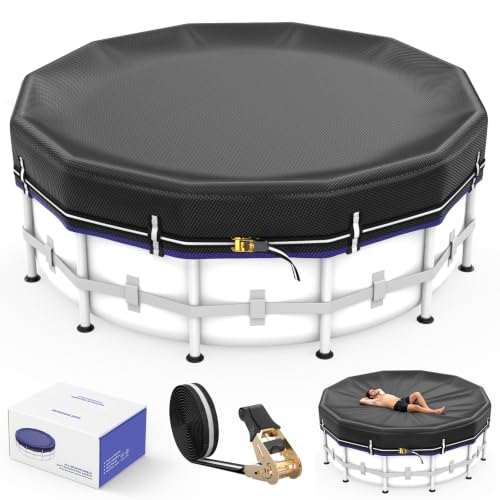
A cover keeps leaves, insects, and wind blown dirt out of the water whenever the pool sits unused, and it slows water loss on hot, windy days. Match the cover to your pool shape and full diameter or length, not to the water surface alone, since you need extra material to reach the securing system. Round and oval covers are not interchangeable. Look for strong grommets or a cable and winch system that stays snug, plus drainage that stops rain from pooling in the middle and dragging the cover down.
A Ladder or Entry Steps With a Secure Lock
Entry gear carries your full weight over the pool wall, so stability matters more than looks. Check that the ladder height suits your wall height, commonly about 48 to 54 inches, and confirm the stated weight limit covers the heaviest user with room to spare. Steps with wide treads feel safer for kids and older swimmers than narrow rungs. A model that swings up, locks, or has a removable outer section helps block unsupervised access between swims, which is a real safety gain for families with young children.
A Ground Pad and Pool Cove
The area under and around the liner takes constant pressure, and small stones or sharp roots can work through over time. A ground pad sized to your pool footprint adds a smooth layer between soil and liner, while foam cove strips sit at the base of the wall and stop the liner from pushing out under the frame. Confirm the pad shape matches your pool, and order it before setup or a liner change, since both pieces go in during installation rather than after the pool is full.
A Water Test Kit You Will Actually Use
Clear water depends on catching chlorine and pH drift early, before algae or cloudy water takes hold. Test strips are fast for daily checks, while a liquid kit reads more precisely when you are correcting a problem. Either type works if you use it two or three times a week and after heavy rain or a busy swim day. Store the kit out of direct sun, note the expiry date, and replace strips each season, since old strips can read low and lead you to add chemicals you do not need.
Three Accessory Types Worth Prioritizing
A smart starter kit is simple. Put entry safety first, because a weak ladder is a hazard from day one. Put a cover second, because it cuts cleaning time and chemical use across the whole season. Put a basic cleaning set third, with a skimmer net, a brush, and a vacuum head that fits your pump. An above ground pool accessories kit can bundle these well, but check each piece against your pool size before buying a bundle, since a kit built for a small round pool may include a cover and hoses that fall short on a larger oval model.
Price is a useful filter at this stage. A serviceable cover often runs about $30 to $150 depending on size and material weight, and a sound ladder usually costs more than novelty extras that look fun in photos. Spend where the item touches safety or the liner, and save on decorative pieces until the basics are covered.
Accessories for Hosting and Poolside Food Service
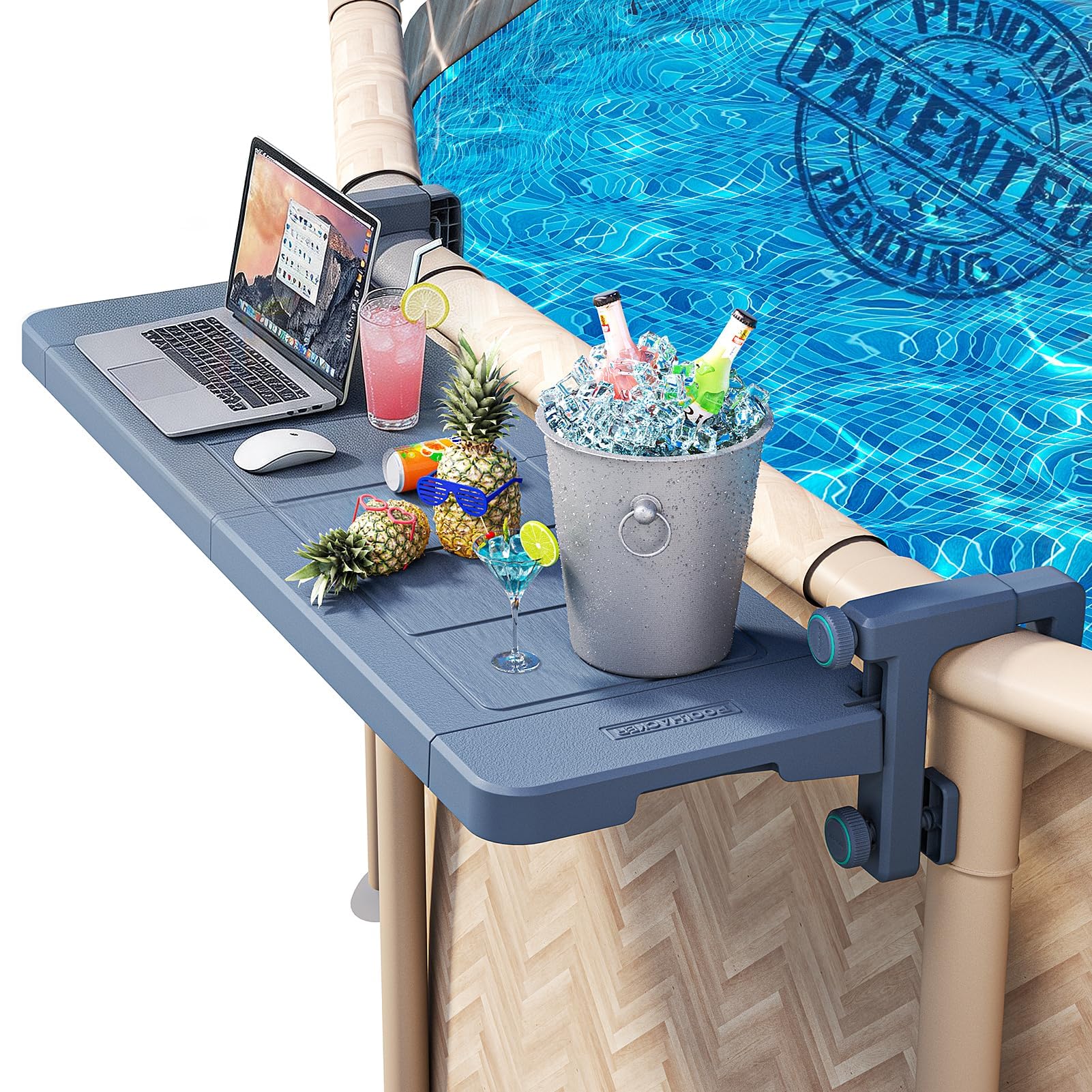
Once the essentials are in place, a few extras make the pool area work better for gatherings. A floating cooler or drink holder keeps cold drinks within reach without swimmers climbing out and dripping across the deck. A poolside serving tray with raised edges gives snacks a stable spot away from splash zones. Towel hooks or a small rack near the ladder keep towels dry and off the grass. One safety rule shapes this whole group: keep electric cooking appliances, cords, and outlets well away from the water and from wet walkways. Serve food beside the pool, never cook at the edge of it.
Cleaning and Maintenance Accessories
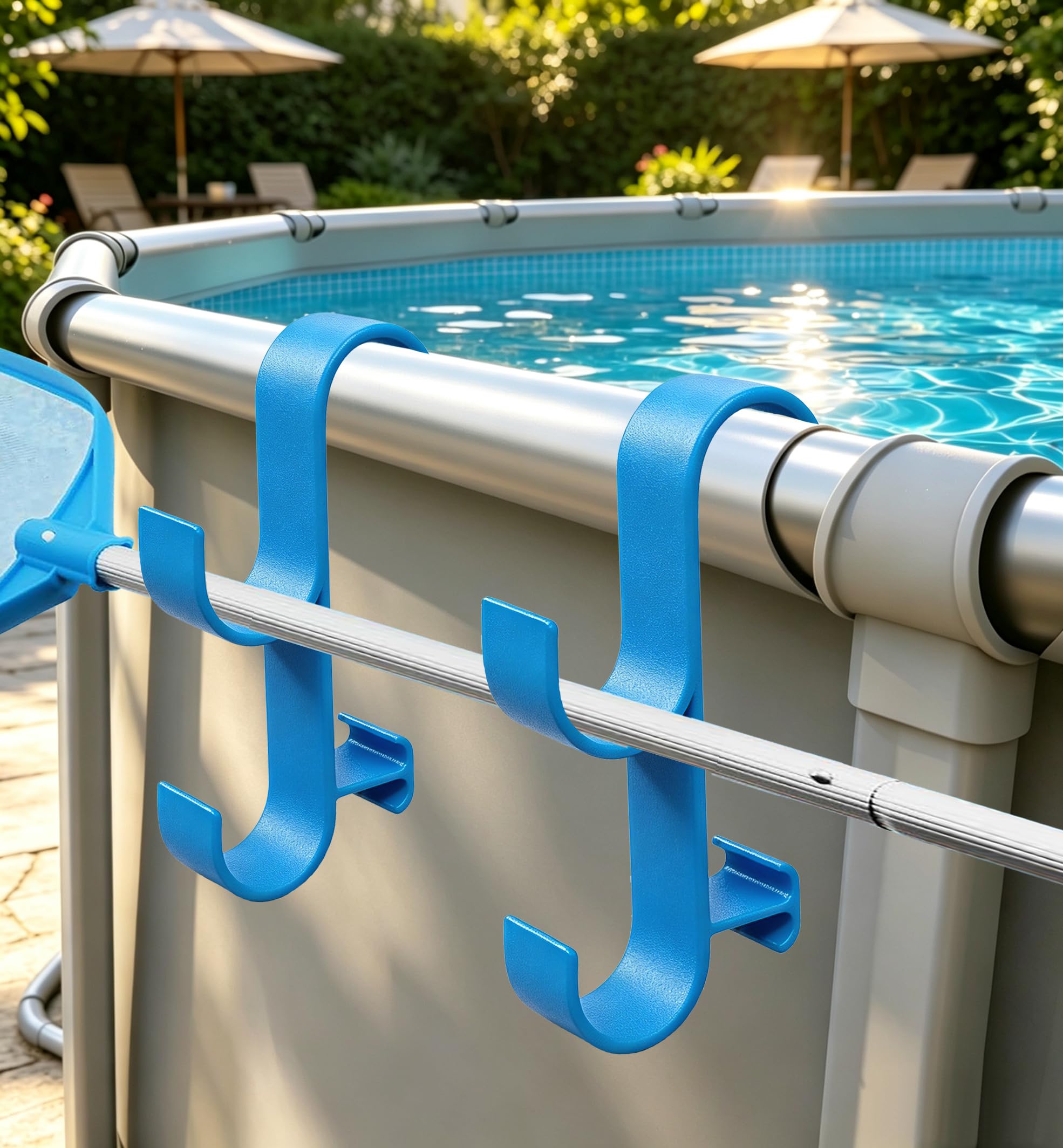
Daily surface cleaning is light work if you have the right reach. A telescoping pole with a flat skimmer net clears leaves before they sink and decay, and the same pole can drive a brush along the floor and walls to loosen film before it turns slippery. Check that the pole length reaches the center of your pool from the edge, and that its end fitting matches standard attachments.
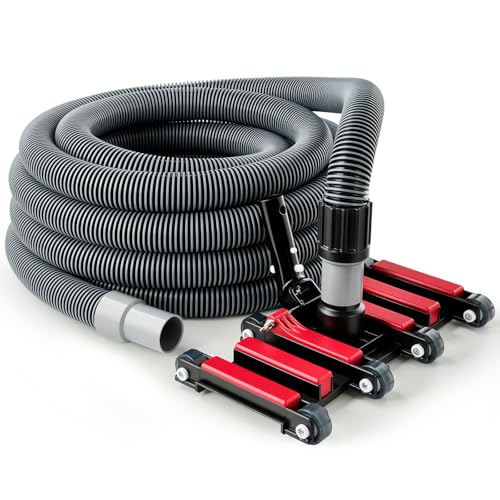
For the floor, a vacuum head connects to your pump or a garden hose, depending on type. Suction side models need enough pump flow to hold debris, so confirm your pump size against the head requirements before buying. A leaf rake with a deeper bag suits pools under trees better than a flat net. Keep a spare filter cartridge on hand as well, because a clogged cartridge raises strain on the pump and clouds the water fast, and swapping in a clean one takes minutes.
Storage and Organization
Accessories last longer when they live out of the sun and off the ground. A deck box near the pool holds nets, brushes, test kits, and inflatables in one shaded spot, and it keeps chemicals in their sealed containers away from play areas. Choose a size that fits your longest pole sections or store the pole on wall hooks inside a shed or garage bay.
A simple hose reel or a set of large hooks stops vacuum hoses from kinking in storage, and kinks left all winter can become permanent weak points. Store a clean, dry cover rolled or folded in a lidded bin, since rodents and damp both damage stored covers. Label the bin with the pool size so the right cover comes out first next season.
Replacement Parts Worth Keeping on Hand
Small parts fail at the worst times, usually on the hottest weekend of the year. Keeping common above ground pool replacement parts at home turns a week of downtime into a short fix. Stock spare O rings and gaskets for your pump and filter fittings, since a dried or cracked seal is the most common cause of slow drips and air leaks. Add hose clamps in your hose size, a liner patch kit rated for use under water, and replacement ladder hardware such as bolts and tread inserts if your model uses them.
Buy these parts by the fitting size and model family of your pump and filter, not by pool size alone. Two pools of the same diameter can ship with different pumps, hose diameters, and connector threads. Photograph the labels on your pump and filter now, while they are clean and readable, so you can match part numbers later without guessing.
Accessories to Skip
- Oversized inflatables in a small pool, since they crowd out swimming room and rub against the liner at the walls.
- Very thin bargain covers, because seams and grommets tend to tear within a season and the cover ends up replaced anyway.
- Large novelty lights with poor sealing, since water entry kills them quickly and loose parts can end up in the skimmer.
- Giant bundled kits full of duplicate brushes and nets, because you pay for tools that overlap instead of sizes that fit.
- Heaters or pumps sold without clear sizing guidance, since a mismatch wastes money and can strain your existing filter system.
How to Check Compatibility With Your Model
Start with three measurements: pool diameter or length and width, wall height, and the distance from the ground to the top rail. Write them on a note in your phone, because covers, ladders, pads, and liners all key off these numbers. A cover for an 18 foot round pool will not secure on an 18 by 9 foot oval, and a ladder built for a 48 inch wall leaves an awkward step down into a 54 inch pool.
Next, check the wet side fittings. Hose diameter, commonly 1.25 or 1.5 inches, decides whether vacuums, skimmers, and spare hoses connect without adapters. Note whether your liner is overlap, beaded, or another hanging style before ordering liner related parts, since the styles attach differently. For any powered accessory, confirm the voltage and the pump flow it expects, and make sure your outdoor outlet is protected by a ground fault circuit interrupter. If a listing hides its sizing details, that silence is your answer: choose a listing that states them plainly.
FAQs
What accessories do I need for an above ground pool?
At minimum, you need a cover, a ladder or steps rated for your wall height, a skimmer net, a brush, and a way to test the water. Those five cover entry, cleaning, and water balance. A ground pad and cove matter at setup time, and a spare filter cartridge prevents downtime. Everything else, from floating coolers to shade, is an upgrade to add after a few weeks of use shows you what your routine is missing.
Are third party above ground pool accessories safe?
Many are, provided the item meets the same sizing and load standards as the original part. For ladders and steps, look for a stated weight limit and stable footing rather than a brand name. For electrical items, check for a recognized safety certification mark and use only outlets with ground fault protection. Where a third party part seals water under pressure, such as gaskets and hoses, match the size and material exactly, and replace the part at the first sign of cracking rather than trusting it another season.
Can I use accessories made for in ground pools on an above ground pool?
Sometimes, but check the mounting and reach first. Brushes, nets, and poles often transfer without issue, while items that clamp to a deck edge or a thick concrete coping usually have nothing solid to grip on a thin pool wall. Suction cleaners built for in ground pools may also expect stronger pump flow than a typical above ground pump delivers. The safest test is the fitting: if it connects without forcing threads or stressing the wall, and the maker lists above ground use, it is a reasonable match.
Do above ground pool accessory kits save money compared with buying pieces separately?
A kit saves money only when every piece fits your pool and your routine. Add up the cover size, hose diameter, and pole length in the kit against your measurements, then price the three or four pieces you truly need on their own. Kits that pad the count with floats or duplicate nets often cost more than a short separate list. A kit built around cleaning tools in standard sizes, with no size specific parts, is usually the safer bargain.
Final Thoughts
Buy in order of need: safe entry, a cover that fits, cleaning tools that reach, and testing you will keep up with. Measure your pool and note your pump fittings before every order, and keep a few small spares on the shelf so a worn seal never ends a swim weekend. Chosen that way, the best above ground pool accessories for your setup are simply the ones that fit, get used weekly, and protect the pool you already own. Look back at the product table above to compare the main types before you buy.