
Best AA Batteries for Game Cameras in 2026: Matching the Right Type to Your Routine
Disclosure: We may earn a commission when you buy through links on this page, at no extra cost to you. As an Amazon Associate I earn from qualifying purchases. Learn more

Choose AA batteries for game cameras that last through cold nights and long sits, with clear guidance on chemistry, runtime, total cost and storage.
There is no single set of cells that suits every camera in every woodlot. A camera near your home that you visit each week asks far less of its batteries than a camera left on a ridge for three months. The best aa batteries for game cameras match your visit rhythm, your winters, and how many night images your camera takes. Use the comparison table below to line up chemistry, pack size, and price against that routine.
This guide stays with the choice itself. You will learn how chemistry changes runtime, why cold drains some cells far faster than others, and how to estimate a full season of cost before you buy.

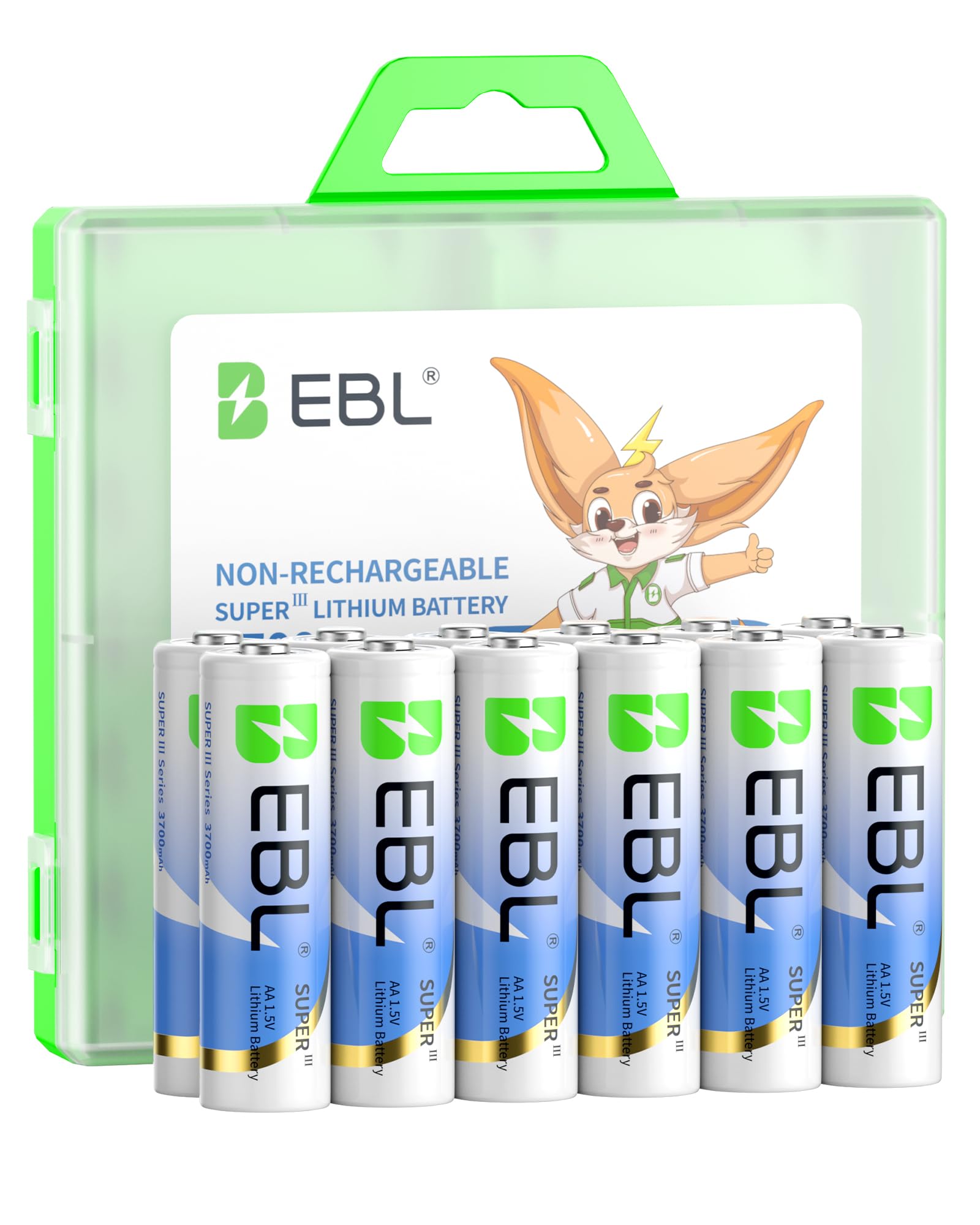



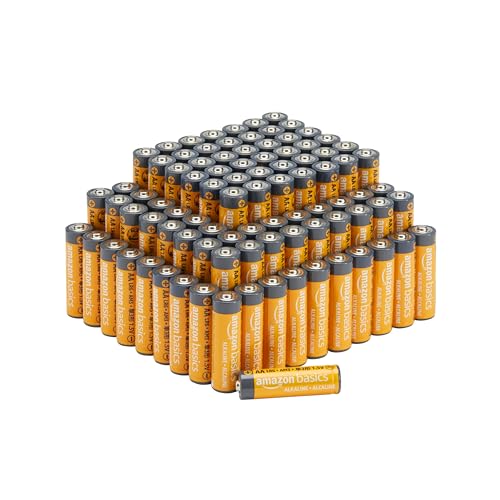
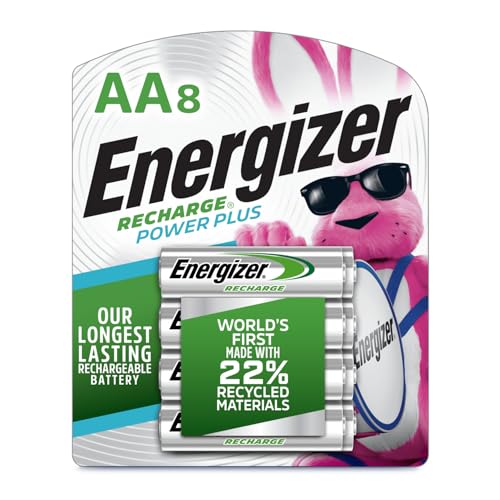
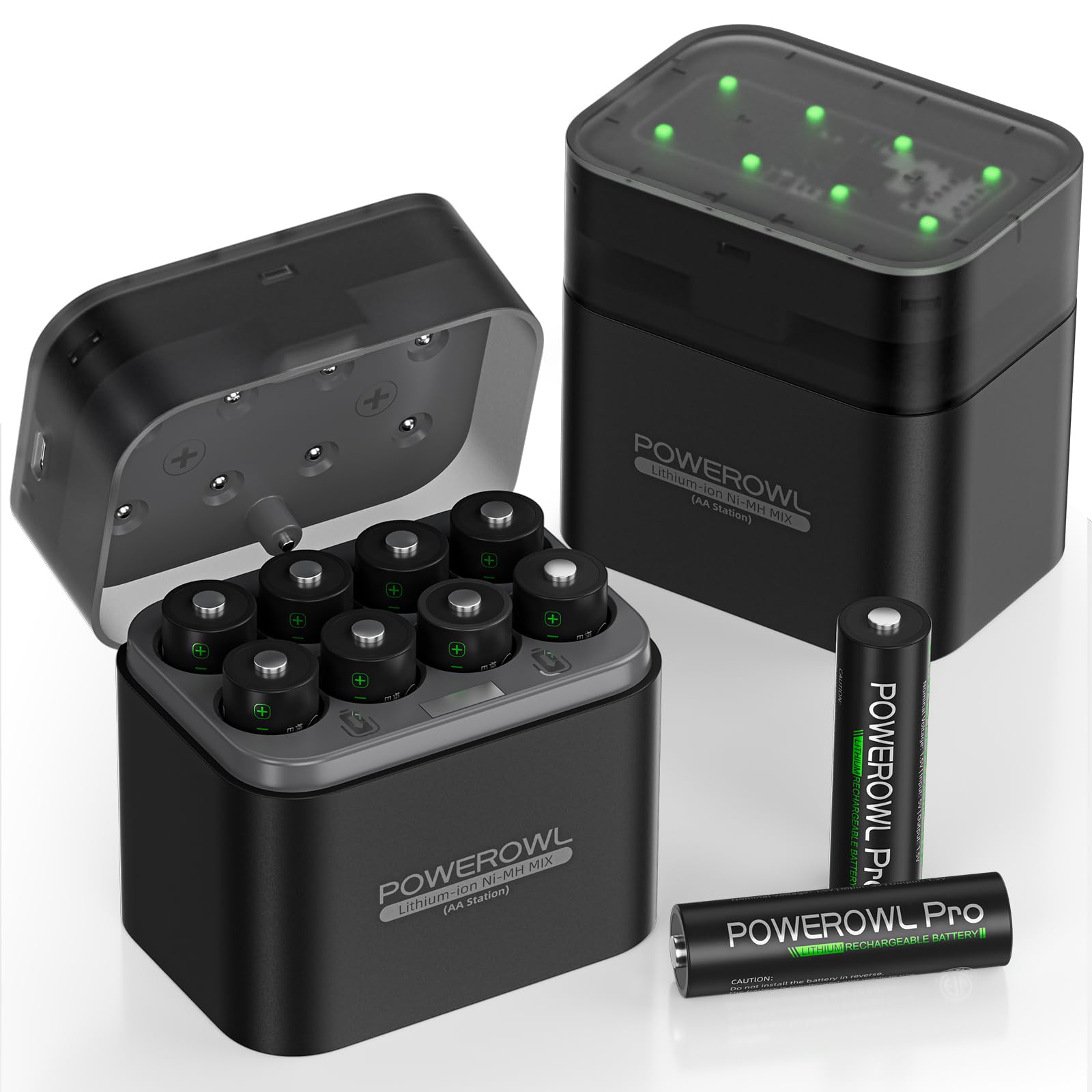
Who Should Buy Which AA Batteries?
Start with how often you can reach the camera and how hard it works between visits. Those two facts point to a chemistry more clearly than any package claim.
Hunters Who Leave Cameras Out for Months
You set a camera before the season and may not return until you hunt the spot, so a dead set means lost weeks of images. Choose disposable lithium cells for this job. They hold their charge while sitting idle, keep working in deep cold, and give the longest run between visits. The higher price matters less when one set can cover the whole sit and save extra trips that disturb the area.
Property Owners Who Check Cameras Often
You walk or drive to your cameras each week to watch a gate, a barn, or a garden, so swapping cells is easy. Alkaline cells can work well here in mild weather, because the low pack price suits frequent changes. If you visit often and want to reuse cells, see our guide to the best rechargeable aa batteries for game cameras before you buy a charger.
Users With Busy Cameras on Trails and Feeders
Your camera may take hundreds of images a week, with video clips and many night shots near food or a crossing. That load punishes weak cells, because each infrared flash burst pulls a short, heavy draw. Choose lithium cells for the longest run. A busy camera can empty alkaline cells in a fraction of the time they last in a quiet spot.
Key Features to Compare
Compare these factors in order and the best aa batteries for game cameras for your land will usually stand out, because each one changes runtime in a way you can predict.
Chemistry Type: Lithium, Alkaline, and Rechargeable Cells
Chemistry is the base choice, because it sets voltage, cold tolerance, shelf life, and price all at once. Lithium AA cells give the longest runtime and the steadiest output at the highest price. Alkaline cells cost the least and suit short, mild weather sits, but they fade early under heavy night loads. Rechargeable nickel metal hydride cells cost less over time, yet each gives about 1.2 volts instead of 1.5 volts, and some cameras read that lower voltage as a nearly empty set.
Runtime and Capacity Under Night Load
Capacity is the stored energy in a cell, often shown in milliamp hours, but your camera spends that energy unevenly. Day images cost little, while night images fire an array of infrared lights and cost far more per shot, and video costs the most of all. Judge runtime by your night share and clip length, and treat maker estimates as a best case for a quiet camera in warm weather.
Cold Weather Performance and Voltage Stability
Cold slows the chemistry inside a cell, so voltage sags just when a night flash demands a strong burst. Alkaline cells lose a large share of their capacity below freezing and may fail on the coldest nights. Lithium cells keep delivering well below freezing and hold a flatter voltage curve, which keeps flash brightness more consistent. For a deeper look at the same cells under the other common name for this job, see our guide to the best aa batteries for trail cameras.
Shelf Life, Self Discharge, and Leak Risk
A game camera can sit for months, so what a cell does while idle matters as much as what it does while working. Lithium cells lose charge very slowly and often carry a shelf life of ten years or more, which suits spares kept at camp. Standard rechargeable cells lose charge faster while sitting, though low self discharge versions hold it far better. Old alkaline cells carry the highest leak risk, and a leak can corrode the tray contacts, so never leave tired alkaline sets in place.
Cost Per Season and Pack Size
Price per pack tells you little, because a cheap set that dies in three weeks can cost more over a season than a costly set that lasts three months. Work out the cost per camera per season instead. A camera that takes eight cells and needs three alkaline changes may pass the price of one lithium set well before winter. Larger packs lower the price per cell. Shoppers who also power photo gear can compare our guide to the best aa batteries for cameras, but check runtime first.
How to Estimate How Long a Set Will Last in Your Camera
Begin with the count your camera needs, which is commonly four, six, eight, or twelve AA cells, and confirm that count in the manual. A camera that runs on a partial tray may give shorter runtime and weaker night flash, so fill the tray unless the maker says otherwise.
Next, set the camera the way you will truly use it and count one normal week of images. Note how many shots fall at night and whether you use video, because those settings move runtime more than any brand claim. Multiply that week by the weeks between visits, then add a margin for cold snaps. If your camera also accepts an external pack, see our guide to the best batteries for game cameras before you commit to AA sets alone.
Finally, watch the battery gauge with suspicion. Voltage based gauges can show full for weeks, then fall fast near the end, above all with lithium cells and their flat curve. Plan your change date from the calendar and your image count, not from the gauge alone.
Common Mistakes to Avoid
- Mixing old and new cells in one tray makes the weak cells drag the whole set down and can end the run early.
- Choosing alkaline cells for a midwinter sit leads to dead nights when cold sags the voltage below what the flash needs.
- Trusting the battery gauge alone leaves a camera empty for weeks, because the gauge often falls only at the very end.
- Buying the largest pack on price alone leaves spare cells aging in a drawer long past their best years.
- Leaving spent cells in a stored camera invites leaks that corrode the contacts and ruin the tray.
How to Make Your AA Batteries Last Longer
Store spare sets in a cool, dry place indoors, in their package, so loose cells cannot short against metal in a drawer or pack. Take all cells out of a camera that will sit unused at home, because even a switched off camera can draw a tiny amount of power and a long rest raises leak risk.
In the field, shorten video clips, lower night flash strength when the maker allows it, and clear brush that waves in front of the sensor, because false triggers waste more power than almost any setting. For rechargeable sets, charge fully before a sit, label sets so the same cells stay together, and retire cells that fade far sooner than their mates.
AA Batteries for Game Cameras: Your Questions Answered
What features matter most in AA batteries for game cameras during winter?
Cold tolerance matters most in winter, followed by steady voltage under flash load. A cell that holds its voltage on a freezing night keeps the infrared array bright, so animals at the edge of the scene stay visible. Check the rated working temperature range on the pack if your cameras stay out past the first hard frosts.
Can rechargeable AA batteries power a game camera on a short sit?
Yes, rechargeable AA batteries can power a game camera well on a short sit that you check often. Their lower voltage can make some models show a low battery warning early, so test one full set at home first. Freshly charged low self discharge cells give the best result, because standard cells may lose charge while the camera waits.
How many AA batteries do most game cameras need?
Most game cameras need six or eight AA batteries, though compact models may run on four and larger models may need twelve. Loading fewer than the full tray can shorten runtime and dim the night flash on some designs. Keep one complete spare set per camera in your vehicle, so a low set never forces you to mix cells from two cameras.
Why do AA batteries drain faster at night in a game camera?
AA batteries drain faster at night because the camera lights the scene itself, firing its infrared array for every image or clip. That burst is the largest single draw in normal use, and cold night air makes the drain worse by lowering cell voltage. Aiming the camera at a closer target can also help, because the sensor triggers more surely and wastes fewer bursts.
How should you dispose of spent AA batteries from a game camera?
Spent AA batteries from a game camera should go to a battery recycling point, not into household trash where local rules ban it. Tape the ends of lithium cells and keep spent sets apart from fresh ones in a sealed bag, because loose cells rolling against metal can still spark.
Final Thoughts
Let your visit rhythm lead the choice. Lithium cells earn their price when a camera sits far away, works hard at night, or faces real cold. Alkaline and rechargeable cells make sense when you check often and can swap sets without losing coverage. Use the product table above to compare chemistry, pack size, and price.
When you judge best aa batteries for game cameras by cost per season instead of cost per pack, the right set is usually the one you change least often. Buy a full fresh set for each camera and keep matched spares ready.


