Best 900 Watt Microwaves 2026: A Practical Buying Guide
Disclosure: We may earn a commission when you buy through links on this page, at no extra cost to you. As an Amazon Associate I earn from qualifying purchases. Learn more

Learn how 900 watt microwaves compare for everyday cooking, what cavity size and controls matter, and how to choose one that fits your kitchen routine.
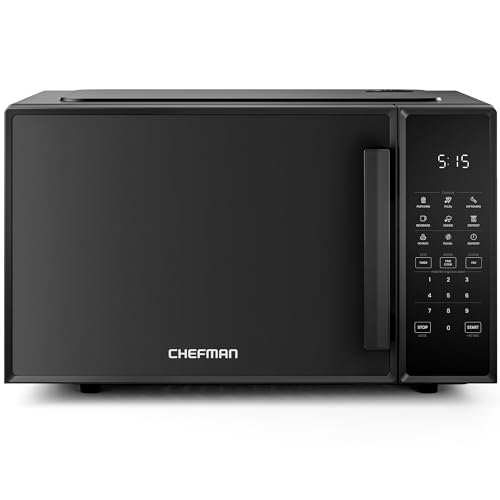
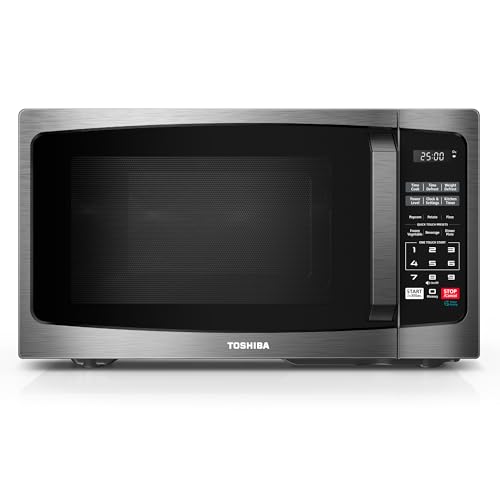
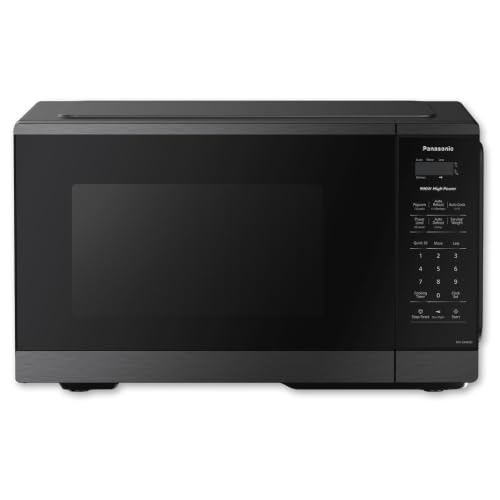
A 900 watt microwave sits in a useful middle ground for many kitchens. It heats food faster than a low power model while staying gentler and easier to control than very high power models, and best 900 watt microwaves are worth a close look if you cook simple meals, reheat leftovers, and defrost food on a regular basis. The comparison table below summarises the main differences to check before you buy.
Power alone does not decide how well a microwave cooks. Cavity size, turntable diameter, control layout, and door style all change how a model fits your kitchen and your daily routine. This guide walks through those factors in plain language so you can compare models with confidence and avoid paying for features you will rarely use.




Who Should Buy a 900 Watt Model
A 900 watt model suits households that use a microwave every day for reheating, steaming vegetables, cooking rice, and warming drinks. It handles a family sized dinner plate without the long wait that a smaller model can impose, yet it is less likely to overheat the edges of delicate food than a much stronger model. If your cooking is mostly reheating and simple preparation, this power level is a sensible default.
Smaller households may still prefer this power level because it covers guests and batch cooking without demanding a large cavity. Larger households that cook big portions in one go should check cavity volume and turntable size first, since a wide plate that cannot rotate freely will heat unevenly no matter how strong the magnetron is. Measure your largest plate and your available counter space before you narrow the list.
What the Wattage Means in Practice
Wattage describes how quickly energy enters the food, not how evenly it spreads. A 900 watt model will bring soup to serving temperature sooner than a 700 watt model, and it will defrost a frozen meal in less time, but dense food still needs standing time after cooking so heat can equalise through the centre. Stirring halfway and letting food rest for a minute or two often matters more than a small power difference.
When you compare models, also look at power levels rather than only the headline wattage. A model with several lower settings lets you soften butter, melt chocolate, and warm bread without scorching the surface. If you often cook delicate items, flexible power control is more useful than a higher maximum output. Readers comparing other power levels may also want to look at best 1000 watt microwaves and best 700 watt microwaves to see how cooking times shift.
Size, Cavity, and Kitchen Fit
Countertop microwaves vary more in footprint than many buyers expect, and ventilation space around the sides and rear is part of the real footprint. Leave the clearance the maker recommends, keep the door swing clear of nearby handles, and check that the power cord reaches an outlet without crossing a sink or hob. A model that fits neatly on paper can still be awkward if the door opens into a walkway.
Inside, check the usable cavity rather than only the stated capacity. A tall soup bowl, a covered casserole, and a dinner plate each test the space in a different way. A turntable that lifts out easily makes cleaning simpler, and a flat interior with few crevices is easier to wipe after a spill. If you use tall containers often, measure height as well as width before you decide.
Controls, Sensors, and Cleaning
Touch controls look tidy and wipe clean, while dials and buttons can be easier to use with wet hands or for older family members. Sensor cooking can help with popcorn and reheating, but it works best when you follow the makers guidance on container type and food weight. Simple models with clear labels often age better than models crowded with presets you never touch.
Cleaning is a daily reality with any microwave, so look for a removable turntable, a smooth cavity, and a door seal that wipes clean without trapping crumbs. Wipe spills promptly, steam clean with a bowl of water and lemon when odours build up, and check the door latch action regularly. A model that is easy to keep clean will stay pleasant to use for much longer. For stronger output, see best 1200 watt microwaves and best 1100 watt microwave ovens before you settle on a power level.
Mistakes Worth Avoiding
One common mistake is choosing purely on wattage and ignoring plate size, so food rotates unevenly or the door will not close on a tall container. Another is placing the microwave in a tight cabinet niche without the ventilation clearance the maker specifies, which can shorten its life and make the exterior uncomfortably warm. Measure first, then compare power.
Metal, sealed containers, and foil belong outside a microwave unless the maker explicitly allows a specific use, and eggs in shells should never be microwaved whole. Read the safety pages in the manual, keep the door seal clean, and stop using a model with a damaged door or latch until it has been checked. These simple habits protect both the appliance and the people using it.
Cooking Habits That Suit This Power Level
Families who reheat plates, steam vegetables, and cook frozen meals several times a week will notice the time saving most clearly, because 900 watts brings food to temperature without the long waits that smaller models impose on larger portions. Single users who mostly warm drinks and small snacks may not need the extra speed, yet they still benefit when guests visit or when a larger casserole needs warming. Think about your busiest cooking days rather than your lightest ones, since a microwave should handle peak use comfortably.
Cooking from scratch with a microwave calls for different habits from reheating alone, and power levels become more important when you melt, soften, or proof ingredients. Lower settings let chocolate melt slowly without seizing, butter soften without pooling, and dough rise gently in a warm cavity. A model that offers several distinct power steps gives you finer control than a model that only toggles between full power and defrost, so check the control range before you decide.
Container choice also shapes results at this power level, since glass and ceramic heat evenly while some plastics warp or stain over time. Use microwave safe covers to reduce splatter, leave a vent for steam, and stir dense foods midway so heat spreads through the centre. These habits matter more than small differences between models, and they protect both food quality and the cavity interior over years of daily use.
Comparing Running Costs and Longevity
Running costs for a microwave are modest compared with an oven, yet frequent users still benefit from efficient habits such as covering food, cooking in batches, and avoiding repeated short bursts that waste energy. A 900 watt model uses more power per minute than a smaller model but finishes sooner, so total energy for the same task is broadly similar. Focus on reliability and cavity quality rather than chasing tiny energy differences between similar models.
Longevity depends on door latch quality, turntable motor durability, and how well the cavity resists staining and odour. Wipe spills promptly, avoid slamming the door, and keep the turntable clean so it rotates smoothly. If the interior light fails or the turntable stops, check the manual for simple fixes before assuming the whole appliance has failed, since minor parts often explain those symptoms.
When comparing warranties, look at coverage length for the magnetron separately from general parts, since magnetron terms often differ. Keep the purchase receipt and model number accessible, and register the product if the maker offers that option. A model with clear support channels and available spare parts will serve longer than a slightly cheaper model with no support route.
A Final Check Before You Order
Before ordering, confirm the exact external dimensions including door handle projection, since handles add centimetres that spec sheets sometimes list separately. Check that the door opens fully in your planned spot without hitting a wall, a tall tap, or a neighbouring appliance. A microwave that cannot open fully is awkward daily, even if its cooking performance is excellent.
Also confirm the turntable size against your everyday plates and bowls, and check whether replacement turntables and filters are available for the model. Availability of small spares matters over years of use, since a broken turntable should not force replacement of an otherwise sound appliance. Keep the model number recorded somewhere accessible for future parts orders.
Finally, read recent owner feedback about door latch durability and control panel responsiveness, while remembering that individual experiences vary widely. Look for patterns rather than single complaints, such as repeated mentions of the same fault. A pattern of latch or panel issues deserves weight, while isolated complaints about delivery or packaging do not reflect cooking quality.
Frequently Asked Questions
Is 900 watts enough for a family dinner?
Yes, for most reheating and simple cooking tasks a 900 watt model handles family portions well, provided the plate fits and can rotate freely. Dense foods such as stews and large joints still benefit from stirring halfway and a short standing time so heat spreads evenly. If you regularly cook very large portions in one container, check cavity size as well as power before you buy.
How much faster is 900 watts than 700 watts?
Cooking times are shorter, but the exact gap depends on food type, portion size, and starting temperature. Liquids and thin foods show the clearest gain, while dense foods still need rest time for heat to reach the centre. Use the makers time guidance as a starting point and adjust in small steps until you learn how your model behaves.
Can a 900 watt microwave defrost meat safely?
It can, when you use the defrost setting, turn food during the cycle, and cook it promptly afterwards. Defrosting in a microwave warms the outer layers first, so food should not sit at room temperature for long once the cycle ends. Follow food safety guidance for your region and cook poultry and minced meat thoroughly.
Do I need sensor cooking at this power level?
Sensor cooking is helpful but not essential. It can improve popcorn and reheating results by adjusting time to steam levels, yet manual power levels give you more control for delicate foods. Choose sensor features only if you will use them regularly, and check that the controls remain easy to read and operate.
What size plate fits a typical 900 watt model?
It varies by model, so measure before you buy rather than trusting capacity figures alone. Take your largest dinner plate and tallest covered bowl to the dimensions listed for the cavity and turntable. A plate that rotates without touching the walls will heat far more evenly than a larger plate that jams.
Final Thoughts
Choose a model that matches your plates, your counter space, and your cooking habits rather than chasing the highest wattage on the shelf. A well sized cavity, clear controls, and flexible power levels will serve daily cooking better than a stronger model that fits poorly. The product table above can help you compare the shortlist, and best 900 watt microwaves reward buyers who measure first and cook with standing time and stirring in mind. If you are unsure about persistent uneven heating or a damaged door seal, talk with the maker or a qualified repair service before continuing to use the model.