Best 8x56 Binoculars of 2026: Complete Buying Guide
Disclosure: We may earn a commission when you buy through links on this page, at no extra cost to you. As an Amazon Associate I earn from qualifying purchases. Learn more

Compare 8x56 binoculars for dawn, dusk and woodland use, with guidance on exit pupil, coatings, eye relief, weight, sealing and price before you buy.
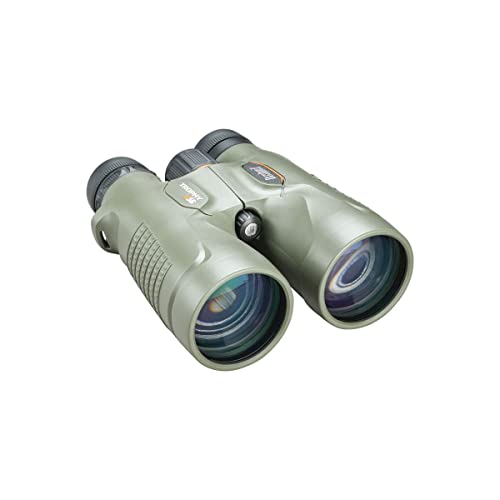
An 8x56 binocular is built for the minutes when light is fading and detail matters most. The large front lenses gather far more light than smaller formats, so edges and feathers stay visible at dawn and dusk. The best 8x56 binoculars balance that brightness against weight, focus control and sealing, and the comparison table below shows those tradeoffs.
This guide explains what the numbers mean in real use, who gains most from this size, and which details separate a bright, steady view from a heavy binocular you leave at home.


Who Should Buy 8x56 Binoculars?
Choose this format when brightness matters more than small size. The groups below share one need, a clear view when light is low, but they use that brightness in different ways.
Hunters Watching at Dawn and Dusk
You often judge game in the first or last minutes of legal light. A 7 mm exit pupil delivers a bright image then, and 8x magnification keeps the view steady from a rest or stand. If dawn sits are your main use, see our guide to the best rated binoculars for hunting for a broader comparison across sizes.
Wildlife Watchers in Woodland Shade
You follow birds and deer under a tree canopy, where the light can feel like evening even at midday. The wide, bright view helps you pick out movement and follow a bird crossing into a gap of light. For general birding advice beyond this low light format, see our guide to the best binoculars for birdwatching.
Evening Sky Watchers Who Prefer Handheld Viewing
You want to scan the Moon, bright star clusters and the Milky Way without setting up a telescope. The 56 mm lenses show far more stars than a small travel pair, and 8x is low enough to hold without a mount for short sessions. Older viewers also benefit, because aging eyes take in less light and the generous exit pupil wastes less of it.
Key Features to Compare
Compare these factors in order, because brightness claims mean little if the focus, fit or sealing lets you down in the field.
Exit Pupil and Low Light Brightness in 8x56 Binoculars
The exit pupil is the beam of light that reaches your eye, found by dividing the objective lens size by the magnification. For this format, 56 divided by 8 gives 7 mm, which matches a dark adapted adult eye closely. A larger beam looks brighter at dusk because more light reaches your retina at once. The twilight factor, about 21 for this size, hints at detail in dim light, but it does not replace good glass.
Objective Lens Size and Lens Coatings
The 56 mm objective lens gathers the light, and coatings decide how much of it reaches your eyes. Fully multi coated optics, with coatings on all air to glass surfaces, cut reflections and raise contrast in shade. Single layer coatings lose light at each surface, which matters most in dim conditions. Look for clear wording about coating coverage rather than a vague claim of coated optics.
Field of View and Steadiness at 8x Magnification
Magnification of 8x enlarges the subject eight times, and it is a calm, forgiving power for handheld use. Your natural hand shake is magnified too, so 8x stays steadier than 10x, especially when you are cold or breathing hard. Field of view is commonly about 300 to 380 feet at 1000 yards, wide enough to find a moving animal and keep it in frame.
Prism Design and Glass Quality in Full Size Binoculars
Full size binoculars in this format use either roof prisms, which give a straight, slim body, or Porro prisms, which give a wider, offset body. Roof models need phase coating to keep contrast high, while Porro models often deliver strong brightness for less money. BaK 4 prisms are the standard to look for, and extra low dispersion glass in the objective lens can reduce color fringing on bright edges. Judge the pair by clarity at the edge of the view, not only the center.
Eye Relief, Eyecups and Focus Control
Eye relief is the distance your eye can sit from the rear lens and still see the full field, and about 18 to 22 mm suits most glasses wearers. Twist up eyecups set that distance with or without glasses, so check that they hold each position firmly. The center focus wheel should turn smoothly with one finger, even with gloves on, and the diopter dial balances focus between your eyes. Close focus varies a lot here, so check the stated minimum.
Weight, Size and Weather Sealing
This is a large format, and most pairs weigh about 34 to 44 ounces, so weight shapes how long you will carry one gladly. A broad neck strap spreads the load for short carries. Weatherproof sealing matters because dawn and dusk bring dew and fog. Look for sealed construction that keeps internal fog from forming when you step from a warm vehicle into cold air, plus rubber armor that improves grip with wet hands.
Roof Prism and Porro Prism 8x56 Binoculars Compared
The prism choice changes the shape in your hands more than the brightness on paper. Roof prism models fold the light path in line with the barrels, so the body feels narrow and packs neatly. Porro prism models offset the front lenses, which gives a wider grip and strong depth perception, but the body takes more room in a pack.
Budget shapes the choice too. A Porro design often gives bright, sharp views for less money, while a roof design of equal clarity usually costs more because its prisms need tighter tolerances. For a wider view of how this format ranks against other sizes, see our guide to the best rated binoculars.
Size is the honest tradeoff here. If you hike far and value a small pack above dusk brightness, compact binoculars may serve you better, and our guide to the best rated compact binoculars covers that smaller class. Choose the 8x56 size when low light viewing is the main job. The best 8x56 binoculars for you are the ones whose weight you accept in exchange for that brighter view.
Common Mistakes to Avoid
These errors are common with this large format, and each one costs you clarity, comfort or money.
- Buying this heavy format for long hikes makes you leave it behind, so its brightness never helps you.
- Ignoring eye relief while wearing glasses cuts off the edge of the view.
- Choosing weak coatings wastes the light the large lenses gather and flattens contrast in shade.
- Judging brightness indoors hides the dim view a smaller exit pupil gives at dusk.
- Skipping weather sealing invites internal fog on cold, damp mornings.
- Gripping a pair by one barrel twists the hinge over time and can upset alignment.
How to Make Your 8x56 Binoculars Last Longer
Clean the lenses with a soft lens cloth, not your shirt, because fabric grit can scratch coatings. Blow loose dust off first, then wipe in small circles from the center outward. Keep the caps on in a vehicle, and store the binocular in a dry, padded bag away from heat, since heat can age seals and focus grease.
After a wet outing, let the body dry at room temperature before you close the bag. Check the strap lugs and hinge tension now and then, and stop using a pair that shows a double image, because that points to misalignment a service center should correct. Never open the body yourself, since the sealed gas inside keeps fog away only while the seals stay intact.
Frequently Asked Questions
Are 8x56 binoculars better in low light than 8x42 binoculars?
Yes, 8x56 binoculars are brighter in low light than 8x42 binoculars, because the exit pupil is 7 mm instead of about 5.3 mm. At midday the difference nearly vanishes, since your own pupil shrinks in bright sun. The real cost shows up on a long walk, when you carry extra weight for hours to gain minutes of brighter viewing at dusk.
How heavy are 8x56 binoculars for a full day outdoors?
Most 8x56 binoculars weigh about 34 to 44 ounces, roughly double a compact pair. A chest harness spreads that weight across your shoulders and keeps the binocular from swinging as you walk, which many hunters prefer over a neck strap. Try carrying a similar weight at home for an hour first, because shoulder comfort later tells you more than a quick lift in a store.
Can you use 8x56 binoculars while wearing glasses?
Yes, you can use 8x56 binoculars while wearing glasses if the eye relief is long enough and the eyecups twist down fully. Keep your glasses on when you set the diopter, because removing them changes the focus balance between your eyes. If your glasses have large frames, test the full field with the eyecups down, since deep frames hold your eyes farther from the rear lenses.
Are 8x56 binoculars good for looking at the Moon and stars?
Yes, 8x56 binoculars are good for the Moon, bright clusters and wide star fields, and they show far more faint stars than a small travel pair. A fence post under your elbows steadies the view enough to split some double stars. Expect the Moon to leave an afterimage for a moment, so let your eyes readjust before you step away in the dark.
What does the close focus distance mean for 8x56 binoculars?
Close focus is the shortest distance at which 8x56 binoculars can form a sharp image, and many large pairs focus no closer than about 10 to 16 feet. That limit surprises buyers who also watch butterflies or feeder birds nearby. If near viewing matters to you, weigh it before price, because no technique can focus a pair closer than its built limit.
Final Thoughts
Start with the exit pupil and coatings, then check eye relief, focus feel and sealing against your own eyes, hands and weather. Accept the weight only if dawn and dusk viewing is truly your main use. Use the product table above to compare those points.
When you judge best 8x56 binoculars by brightness you can see and comfort you can sustain, the right pair becomes clear. Buy the pair you will carry at first light, and that calm view will reward you season after season.