
Best 8k Tvs For Gaming 2026: A Practical Buying Guide
Disclosure: We may earn a commission when you buy through links on this page, at no extra cost to you. As an Amazon Associate I earn from qualifying purchases. Learn more

Gaming on an 8k TV needs more than resolution. Compare HDMI bandwidth, refresh rate, input lag, panel type, and upscaling quality before you buy.
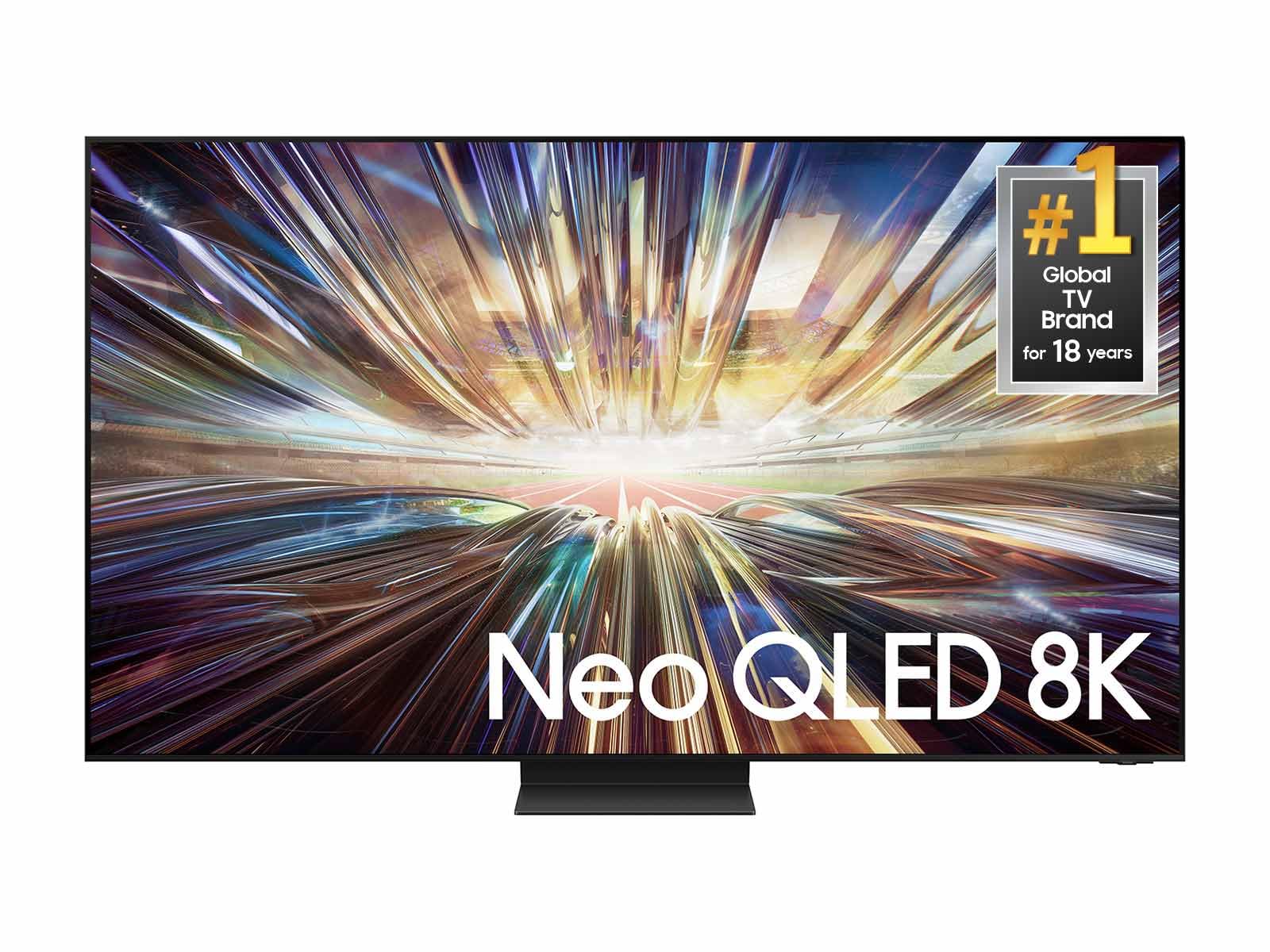
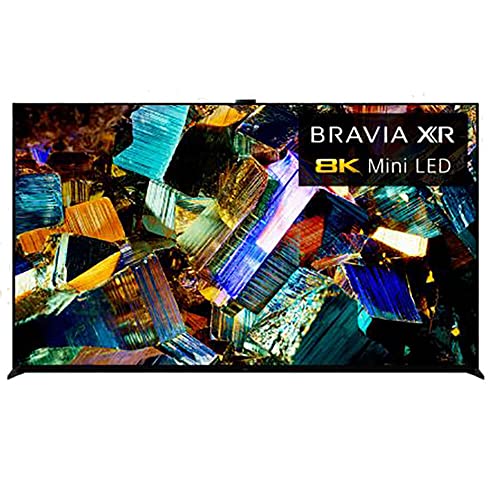
An 8k screen promises huge detail, but the best 8k tvs for gaming are judged on far more than pixel count. Most games today do not render at native 8k, so upscaling, refresh rate, input lag, and HDMI bandwidth shape the experience far more. The comparison table below will help you compare the main options side by side.
This guide explains what actually matters for gaming at 8k, where the money goes, and where it is better saved. It will help you decide whether an 8k TV fits your console or PC setup, or whether a strong 4k gaming TV serves you better for now.


Who Should Buy Which Type
For Console Gamers
Console gamers should check which resolutions and refresh rates their console supports over HDMI, and whether the TV handles those modes cleanly. Features like variable refresh rate and auto low latency mode reduce tearing and lag. A TV that supports the console modes you actually use beats one with a longer spec list you never touch.
For PC Gamers
PC gamers need to weigh graphics card power against 8k demands, since native 8k gaming needs enormous rendering power. Most PC players will game at lower resolutions upscaled to the panel. Check HDMI or DisplayPort style inputs, refresh rates at each resolution, and text clarity for desktop use.
For Movie and Game Mixed Use
If the TV also serves movies and shows, panel quality, contrast, and upscaling matter as much as gaming features. A great gaming TV that looks dull on movies is a poor living room choice. Balance both uses rather than chasing one gaming number.
Types Compared
OLED 8k TVs
OLED panels offer deep blacks, fast pixel response, and wide viewing angles, which suit dark room gaming. They can cost more at large sizes and need sensible brightness habits for static images. They shine for cinematic games and movies.
Mini LED LCD 8k TVs
Mini LED LCD panels use many small backlight zones for bright highlights and strong contrast without OLED pricing at very large sizes. They can show some blooming around bright objects on dark backgrounds. They suit bright rooms and large screens.
QLED LCD 8k TVs
QLED LCD panels use quantum dots for rich color and high brightness, often at a lower price than OLED at the same size. Black levels depend on backlight design, so check local dimming quality. They suit bright living rooms and colorful games.
Large Format 8k Displays
Very large 8k screens make the extra pixels easier to see, but they also demand more space, stronger mounts, and careful seating distance. Measure your room before falling for a size. A screen too large for the room can hurt comfort more than it helps detail.
Key Features to Compare
HDMI Bandwidth and Ports
HDMI bandwidth decides which resolution and refresh rate combinations a port can carry. For high refresh gaming, check that the TV has enough full bandwidth ports for your console and PC. A single fast port can become a bottleneck when you add more devices.
Refresh Rate and Variable Refresh
A high refresh rate smooths motion, while variable refresh rate keeps the picture tear free when frame rates vary. Both matter more for fast games than raw resolution. Check refresh rates at the resolutions you will actually use, not just the headline number.
Input Lag and Game Mode
Input lag is the delay between your controller action and the screen response. Game mode cuts processing to lower lag, sometimes at the cost of some picture processing. Compare lag at your chosen resolution and refresh rate, since it can vary by mode.
Upscaling Quality
Since most games are not native 8k, upscaling quality decides how sharp and clean they look on an 8k panel. Good upscaling preserves detail without adding harsh edges or shimmer. Watch real game footage where possible, and be wary of still image demos.
Panel Contrast and HDR
Contrast and HDR handling shape how games look in dark scenes and bright highlights. A panel with strong contrast and sensible HDR tone mapping looks better than a brighter panel with washed out blacks. Check HDR performance in game mode, not just in movie mode.
Setting Up for Gaming
Connect your console or PC to a full bandwidth HDMI port, enable game mode, and turn on variable refresh rate and auto low latency mode if your devices support them. Then check that the console or PC reports the resolution and refresh rate you expect. A quick settings check often fixes a dull or laggy picture.
Set seating distance for the screen size, and keep the room lighting comfortable to avoid glare and eye strain. Large bright screens in dark rooms can tire your eyes, so a soft bias light behind the TV can help. Small setup steps like these make long sessions far more pleasant.
Care and Maintenance
Clean the screen only with a soft dry cloth or a cleaner approved for your panel type, and never spray liquid directly onto the screen. Dust vents and keep airflow clear so the TV stays cool during long sessions. Heat and dust shorten electronics life over time.
Update firmware when the maker releases fixes for gaming features, but read the notes first in case a setting changes. Keep your console and PC drivers current too, since gaming features depend on both ends of the cable. A matched, updated chain works best.
Mistakes to Avoid
- Buying for 8k resolution alone, without checking refresh rate, lag, and HDMI bandwidth.
- Assuming every HDMI port on the TV supports the fastest gaming modes.
- Ignoring upscaling quality, even though most games are not native 8k.
- Choosing a screen size that overwhelms the room and the seating distance.
A Final Check Before You Order
Before you order, confirm HDMI bandwidth, refresh rates at your resolutions, input lag in game mode, and variable refresh support for your console or PC. Compare upscaling and HDR in game mode, and measure your room for the screen size. These checks matter more than the 8k badge alone.
The related guides linked below cover nearby TV choices, including general 8k TVs and gaming focused models, so you can weigh 8k against strong 4k gaming options. Read them with your setup in mind, and shortlist the TV that fits your devices and room. Related guides: best 8k tvs, best gaming monitors, best affordable tvs for gaming, best gaming oled tvs.
Frequently Asked Questions
Do I need native 8k games to benefit from an 8k TV?
No. Most benefit comes from upscaling, panel quality, and gaming features, since few games render at native 8k today. A good upscaler can make 4k and lower resolution games look clean and sharp. Judge the TV on upscaled game footage, not on native 8k demos alone, and streaming apps and movies also benefit from good upscaling, so the feature pays off beyond gaming alone.
Is an 8k TV better than a 4k TV for gaming?
Not always. A strong 4k gaming TV with high refresh rate, low lag, and great HDR can beat a weaker 8k TV in real play. The extra pixels help most on very large screens viewed fairly close. Compare full gaming specs, not resolution alone, and panel uniformity and viewing angle also affect daily enjoyment more than a resolution number on the box.
What HDMI version do I need for 8k gaming?
You need ports and cables with enough bandwidth for your chosen resolution and refresh rate. Check the TV port specs and use a cable rated for that bandwidth. A weak cable or a slower port can silently limit the signal. Certified ultra high speed cables avoid silent bandwidth limits that cheaper cables sometimes cause.
Does game mode hurt picture quality?
Game mode reduces processing to cut lag, which can slightly change picture processing compared with movie modes. Many modern TVs keep HDR and color strong in game mode. Test both modes with your games and pick the balance you prefer. Some picture presets also add smoothing that suits movies but feels odd during fast gameplay.
How far should I sit from an 8k TV?
It depends on screen size, but 8k detail becomes visible at closer distances than 4k detail. Sit where you can see the whole screen without turning your head and where text stays comfortable. Measure your room and seating before choosing a size. A wall mount with tilt adjustment helps fine tune viewing angle after the TV is in place.
Balancing Resolution and Performance
Resolution is only one part of gaming performance, and chasing it alone can hurt frame rates and responsiveness. Decide which matters more for your favorite games: sharper still images, smoother motion, or lower input lag. Fast competitive games reward refresh rate and lag, while slow cinematic games reward contrast and color.
Check how your console or PC handles upscaling, since the scaler in the device and the scaler in the TV interact. Sometimes letting the TV upscale gives a cleaner result, while other times device side scaling looks better. Test both settings with a familiar game before settling on one.
Think about viewing distance honestly, since extra pixels help most when you sit close to a large screen. Measure your seating position and compare it with the screen size you plan to buy. A smaller, higher quality screen often beats a larger screen that overwhelms the room.
Budget for a good cable, a suitable mount, and possibly a bias light alongside the TV itself. These extras improve daily use more than a small spec bump. A well set up gaming TV feels better every session, not just on unboxing day.
Final Thoughts
Judge the whole gaming package, and the best 8k tvs for gaming for your setup will be the ones that stay smooth, responsive, and vivid in real play. The product table above gives a useful starting point, but your console, PC, and room should make the final call.
Order only after you have confirmed ports, refresh rates, lag, and upscaling at your resolutions, and keep your settings notes for future devices. With a careful choice, an 8k TV can be a strong gaming screen for years.


