Best 8gb Laptops at Every Price: What Your Money Really Gets You for 2026
Disclosure: We may earn a commission when you buy through links on this page, at no extra cost to you. As an Amazon Associate I earn from qualifying purchases. Learn more

Compare the best 8gb laptops at every price point. Learn what you get at budget, midrange, and premium levels and where spending more pays off.
Two laptops can both list 8 GB of memory and differ in price by several hundred dollars. The gap pays for the screen, the processor, the build, and the battery, not the memory itself. This guide shows how to judge best 8gb laptops tier by tier, so you know exactly what each extra dollar buys and where it stops mattering.
The comparison table below lays out the core specs side by side. Use it with the tier breakdowns that follow, and you will spot quickly whether a higher price reflects real upgrades or mostly styling.
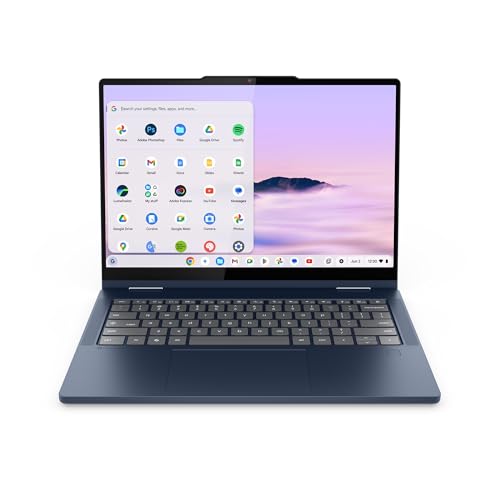
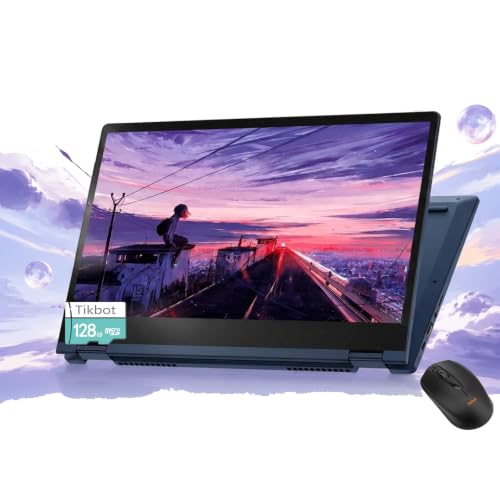
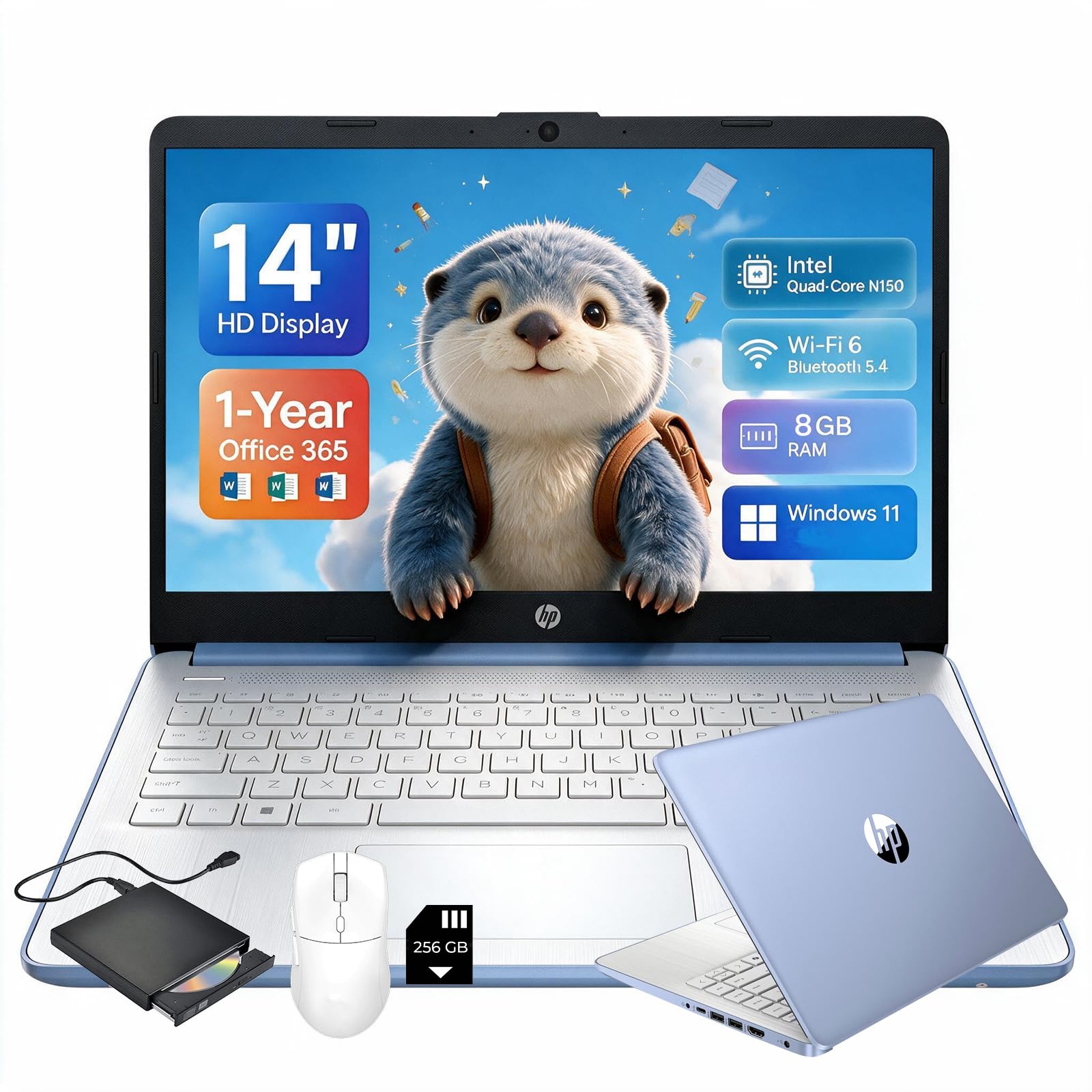


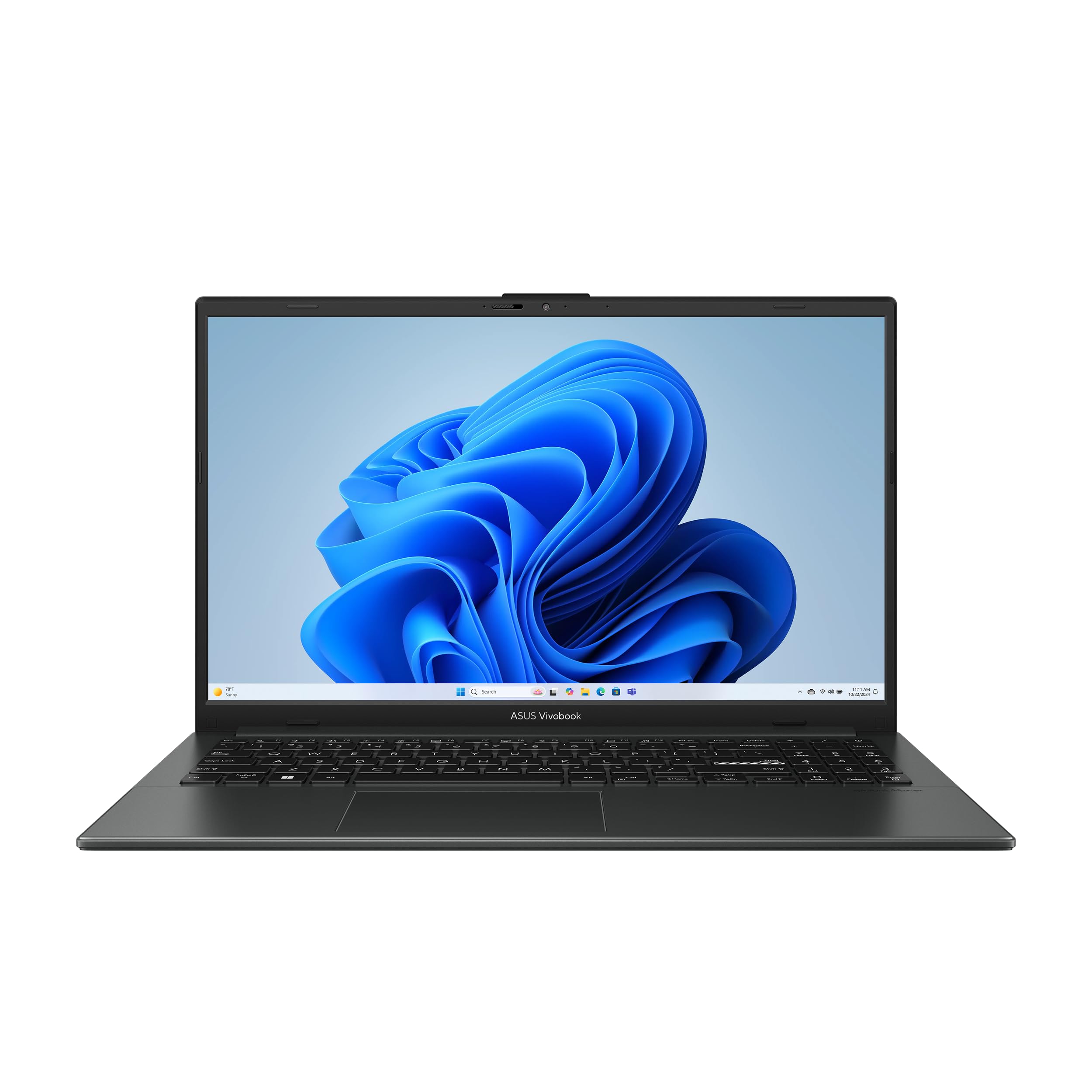


Three Price Tiers
Rather than chasing individual model names, shop by tier. Each tier below describes the experience you should expect and the compromise you accept.
Budget Tier
Budget models, usually around $300 to $450, cover browsing, documents, email, and streaming without fuss. Expect a plastic body, a 1080p screen that may be on the dim side, and storage of 256 GB or less. Battery life is often decent because the processors sip power. This tier suits a household second computer or a student with cloud based coursework. The main risk is a slow entry level processor, so check the chip generation carefully before you buy.
Midrange Tier
Midrange models around $500 to $750 are the sweet spot for most people. You gain a brighter and more accurate screen, a faster processor, a backlit keyboard, and a sturdier chassis. Storage usually rises to 512 GB and ports improve, often adding USB C charging. Fans run quieter and WiFi is faster. For office work, school, and light creative tasks, this tier feels quick for years. It is also where sale prices move the most, so timing your purchase can shift a model down a tier in cost.
Premium Tier
Premium models around $800 to $1,100 spend money on thin metal bodies, vivid high resolution screens, excellent speakers, and long battery life. Performance for everyday work is not dramatically faster than midrange, but the daily experience is nicer in small ways that add up. This tier suits professionals who carry their laptop everywhere and present from it. The trade off is that memory is almost always soldered, so 8 GB is a fixed ceiling for the life of the machine.
What Your Money Gets You at Each Price Tier
Budget Tier: What to Expect
At budget prices, prioritize the processor and the SSD over everything else. A current entry level chip with a fast NVMe drive feels responsive, while a fancier screen cannot rescue a slow system. Expect fewer ports, a basic webcam, and speakers that sound thin. Weight often lands around 3.5 to 4 lb. These machines reward buyers who keep expectations realistic and use cloud storage to offset small drives.
Midrange Tier: The Sweet Spot for Most Buyers
Among the best 8gb laptops, midrange is where compromises mostly disappear. Screens reach good brightness for working near windows, keyboards improve, and trackpads grow larger and smoother. Many models here still offer a memory slot, which is a quiet advantage over premium designs. If you are shopping for college, our guide to the best laptops for college explains how dorm life, portability, and battery life change the priorities within this tier.
Premium Tier: When Spending More Pays Off
Spending more pays off when you value portability, screen quality, and battery life over raw speed. Premium laptops often weigh under 3 lb, charge quickly, and wake instantly. You also get better microphones and cameras for remote work. What you do not get is more memory headroom, so heavy multitaskers should think carefully. A premium 8 GB machine that cannot be upgraded may age faster in practice than a midrange model that can grow to 16 GB.
Features Worth Paying For and Ones to Skip
Processor and Performance Tier
The processor tier is worth paying for up to the midrange level, where chips handle many open apps and large files smoothly. Beyond that, gains shrink for office and school work. Apple silicon, recent Intel Core, and recent AMD Ryzen processors all perform well; the practical difference is battery life and fan noise. Avoid paying a premium for an older generation chip in a shiny new shell. Generation and efficiency matter more than the badge on the lid.
Weight and Portability
Weight is worth paying to reduce if you carry the laptop daily. Under 3 lb feels effortless in a backpack, while a 4.5 lb machine becomes a chore on a long commute. Students walking across campus notice this most. If your laptop lives on one desk, save the money and accept extra weight, then spend the difference on a larger screen or more storage instead. Portability features like slim chargers and durable hinges also help travelers more than home users.
Ports and Connectivity
Ports save you from carrying adapters. Look for at least two USB C ports, one full size USB port, and HDMI if you present or use an external monitor often. WiFi 6E or WiFi 7 keeps speeds high on modern routers, and Bluetooth 5.3 or newer pairs more reliably with earbuds and mice. Our broader guide to the best notebook laptops shows how port layouts differ across compact designs. A card reader is worth having only if you actually move photos from a camera.
RAM and Storage
Memory is fixed at 8 GB in this category, so storage is where your choices matter. A 512 GB SSD gives breathing room for apps, photos, and offline files, while 256 GB fills quickly once you add a few large programs. Check whether storage can be replaced or expanded later. Shoppers comparing memory configurations directly should see our guide to the best 8gb ram laptops, which focuses on how memory behavior differs between models. Also confirm the memory runs in dual channel mode for better graphics performance.
Long Term Costs to Factor In
The purchase price is only part of the cost. Budget for a case or sleeve, a mouse, and possibly a USB C hub if ports are limited, which can add around $50 to $150. A warranty extension matters more for premium thin models, where repairs cost more. Battery replacement after three or four years is a normal expense on machines you keep. Timing also affects cost, and our guide to the best time to purchase laptops explains the sale cycles that reward patient buyers. Finally, if 8 GB proves too small, an early replacement is the most expensive outcome of all, so weigh upgrade room honestly at the start.
Frequently Asked Questions
Is a dedicated GPU worth it in an 8 GB laptop?
A dedicated GPU is worth it only if you play games or use software that clearly benefits from one. For office work, school, and streaming, integrated graphics are enough and they preserve battery life. A graphics chip also adds cost that could fund a better screen or more storage. With memory capped at 8 GB, demanding games will hit the memory limit before the graphics chip reaches its full potential anyway.
How long should an 8 GB laptop last?
An 8 GB laptop should last about four to six years for everyday tasks. The processor and SSD usually age gracefully, while memory pressure grows as apps and browsers get heavier. Good habits extend that span: keep storage at least 15 percent free, restart weekly, and remove startup programs you do not need. Machines with a memory slot can add years by upgrading later.
Should I buy a laptop or a tablet?
Buy a laptop if you type long documents, multitask between apps, or need specific desktop software. A tablet wins for reading, drawing, and media on the couch, but keyboard covers and limited ports add cost and friction for real coursework. Many students start with a laptop and add a cheap tablet later. The deciding test is simple: picture your longest weekly task and choose the device that makes it easiest.
Is a Chromebook enough for school?
A Chromebook is enough for school when classes run in the browser and documents live in cloud storage. It struggles with specialized Windows or Mac software, offline work with large files, and some exam tools. Check your school software list before choosing. Chromebooks shine on battery life and simplicity, and they cost less at the same screen quality, but the limits are real for science, design, and engineering courses.
How much RAM do I need beyond 8 GB?
You need more than 8 GB if you edit video, run virtual machines, keep dozens of tabs open, or play newer large games. For email, documents, streaming, and moderate browsing, 8 GB still works, especially with a fast SSD. A practical check is your current machine: if its memory use regularly sits above 80 percent during normal work, plan for 16 GB. Our guide to the best laptops i5 8gb ram shows a common configuration where 8 GB and a capable processor are paired.
Final Thoughts
At every tier, the processor, SSD, and screen decide how the laptop feels, while memory sets the ceiling on multitasking. Midrange models give most buyers the best balance, and upgrade room is worth more than thin styling if you keep machines for years. Check the product table above against your tier, and the best 8gb laptops for your budget will be easy to spot.