Best 8g Ram Laptops of 2026: Complete Buying Guide
Disclosure: We may earn a commission when you buy through links on this page, at no extra cost to you. As an Amazon Associate I earn from qualifying purchases. Learn more

Learn how to choose the best 8g ram laptops with clear advice on processors, storage, displays, cooling, and value for school, work, and light gaming.
Eight gigabytes of memory is enough for everyday computing, but only when the rest of the laptop is balanced. A weak processor, a slow drive, or a dim screen can make the same memory feel sluggish. This guide explains how to judge best 8g ram laptops as complete machines, so you spend on the parts you will notice daily.
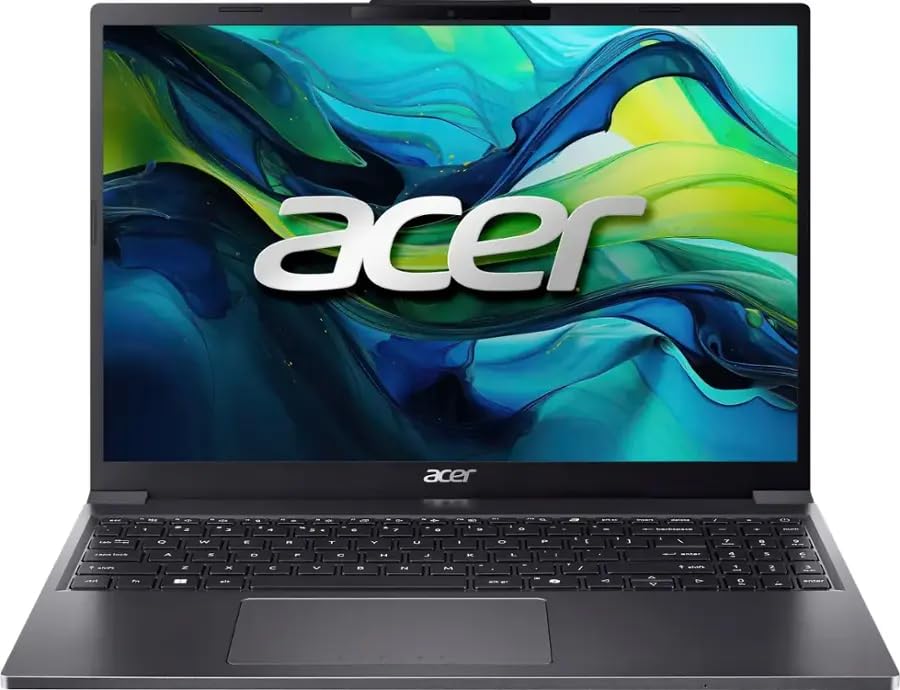
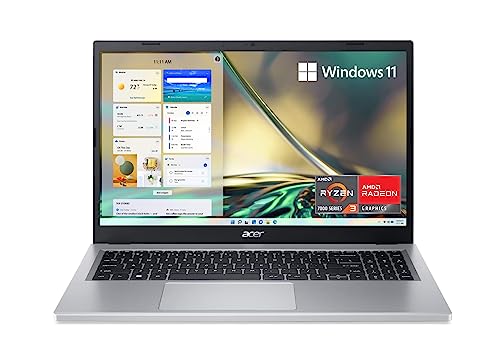
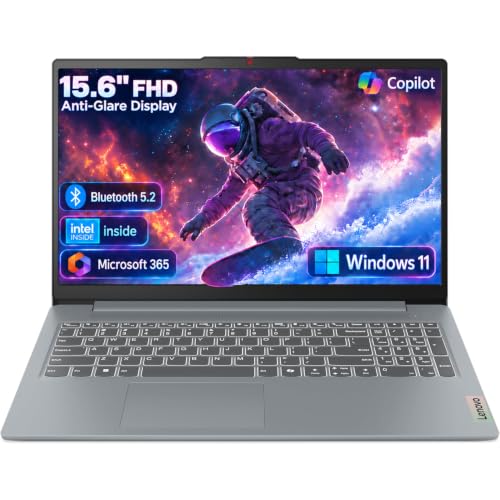
You will learn what a good processor pairing looks like, why storage speed matters as much as memory size, and when 8 GB is a smart limit rather than a compromise. The comparison table below gathers the key specs in one place so you can check them against the criteria here.





Choosing by Budget Tier Instead of Chasing Names
Price tiers tell you more than a model name does. Each tier below describes what you should expect, what usually gets cut, and who the tier suits best.
Premium Tier
A balanced machine at the upper end of this category pairs a current midrange processor with a fast NVMe SSD of at least 512 GB, a bright 1080p or sharper display, and a metal or sturdy plastic chassis. Expect all day battery life for office work and quiet fans under light loads. This tier suits students and professionals who keep one laptop for four or five years. The limit is still memory headroom, so heavy multitasking with many browser tabs and large spreadsheets will feel tight sooner than on a 16 GB machine.
Value Tier
The value tier, usually around $400 to $650, focuses on a solid processor and a good screen while trimming extras like a backlit keyboard or premium speakers. You still get a fast SSD and modern ports, but storage is often 256 GB and the case may flex a little. This is the sweet spot for home users, writers, and anyone doing schoolwork, streaming, and light photo editing. Check that the memory is not soldered if you hope to upgrade later.
Upgrade Friendly Tier
Some laptops let you add memory or a second drive later, which stretches the life of an 8 GB purchase. Look for an accessible memory slot, a standard M.2 SSD slot, and a battery that can be replaced with basic tools. These machines are often slightly thicker, which also helps cooling. If upgrade room matters to you, compare options in our guide to the best ram for laptops before you buy, since it explains slot types and speed matching in plain terms.
How to Choose the Best 8g Ram Laptops: Buying Guide
This section is the heart of the decision. Work through each factor in order, because a weakness in one area often explains a suspiciously low price in another.
CPU and GPU Pairing
The processor does most of the work in an 8 GB laptop, so favor a recent midrange chip over an older high end one. Integrated graphics handle video calls, streaming, and casual games at 1080p with modest settings. A dedicated graphics chip raises price, weight, and heat, and it rarely makes sense when memory is capped at 8 GB. Avoid very low power chips sold for basic tasks if you plan to edit photos or join large video meetings, because they slow down sooner under load.
Noise Levels
Fan noise matters in classrooms, offices, and shared rooms. Thin laptops with small fans tend to sound higher pitched under load, while slightly thicker designs move air more quietly. Coil whine, a faint buzzing from power circuits, varies by unit and is hard to predict from a spec sheet. If you record audio or study in quiet spaces, look for a silent or low power mode in the system settings and a processor that sips power during light work.
Cooling and Thermals
Good cooling keeps performance steady during long tasks like exporting a video or running a large update. Dual fans and heat pipes that spread heat away from the processor help, but vent placement matters too. Vents blocked by a bed or a soft couch will throttle any laptop. A simple stand that lifts the rear of the machine improves airflow at almost no cost. Sustained heat also ages the battery faster, so a cooler running design protects your investment over time.
RAM and Storage
With 8 GB of memory, storage speed carries extra weight because the system leans on the SSD when memory fills up. Insist on an NVMe SSD rather than an older SATA drive or slow flash storage, and treat 256 GB as the practical minimum. DDR4 and DDR5 memory both work fine at this capacity; the bigger question is whether the memory runs in dual channel mode, which improves graphics performance. If you already know you will outgrow this capacity, read our guide to the best laptops 16gb ram to see what stepping up actually buys you.
Size, Weight, and Build
A 14 inch screen usually gives the best balance of working space and portability, while 15 and 16 inch models suit desk based work and offer larger keyboards. Weight under about 3.5 lb is easy to carry all day. Check hinge stiffness, keyboard flex, and port layout in person when you can. A slightly heavier machine with a sturdy frame often outlasts a featherweight design that flexes every time you pick it up by a corner.
Upgradability and Standard Parts
Upgrade room is the strongest argument for buying 8 GB today. A free memory slot lets you move to 16 GB later for a modest cost, and a second SSD slot solves storage pressure without replacing the drive. Soldered memory removes that path entirely, so confirm the internal layout before ordering. Standard chargers and common screw types also make repairs cheaper. Shoppers who plan to keep a machine for many years may also want to compare the best 32gb ram laptops to understand the long term ceiling at the other end of the range.
Battery and Charging
Battery claims depend heavily on how usage is measured, so look for capacity in watt hours rather than headline hours alone. Around 50 watt hours or more supports a full workday of mixed use at moderate brightness. Fast charging through USB C is a genuine convenience, especially if the same charger powers your phone. A laptop that charges slowly or uses a rare proprietary brick adds friction every travel day. Keep the battery between roughly 20 and 80 percent when plugged in for long stretches if the settings allow it.
Types of 8 GB Laptops
Budget Everyday Laptops
Budget models around $300 to $450 handle browsing, documents, and streaming well. Screens may be dimmer and speakers weaker, and storage is often tight. They suit a second household computer or a student with simple needs. Buy for the processor and SSD quality first, and accept plain styling as the trade off.
Compact and Travel Laptops
Slim 13 and 14 inch designs prioritize low weight, long battery life, and quiet operation. They are ideal for commuters and frequent flyers. The trade off is fewer ports and memory that is usually soldered. If you travel with a notebook style machine most days, our roundup of the best notebook laptops covers that portable category in more depth.
Performance Oriented Models
Some 8 GB laptops pair a strong processor with fast storage and a high refresh rate screen aimed at light gaming or media work. They deliver snappy response in games that are not memory hungry. The risk is paying for speed you cannot use once memory fills, so match this type to esports titles and creative apps with modest project sizes.
Convertible and Touch Models
Convertibles fold into a tablet shape for notes, presentations, and reading. A responsive touch screen and pen support add real value for students and teachers. Hinges and touch layers add cost, so the processor may be a step down at the same price. Choose this type for how you work, not as a novelty.
Care and Maintenance Tips
- Clean the vents and fan area every few months with short bursts of compressed air while the laptop is off, holding the can upright so no liquid sprays out.
- Update the operating system and graphics drivers on a regular schedule, and read the notes before a BIOS update so you know what it changes.
- Watch memory use in the task manager when the laptop feels slow; closing a few heavy browser tabs often restores speed at once.
- Use a surge protector at your desk to guard against power spikes that can damage the charger and battery.
- Back up important files to cloud storage or an external drive, because a fast SSD still fails without warning sometimes.
- Keep liquids away from the keyboard and lift the laptop by its base, not by the screen corner, to protect the hinges.
Frequently Asked Questions
Is it cheaper to buy now or wait for a sale?
Waiting for a major sale period usually saves money on this category, because 8 GB models are discounted often. The exception is when you need the laptop for a fixed start date like a school term. Set a target spec first, then buy the first machine that meets it at a fair price rather than chasing the lowest possible number for months.
How long will an 8 GB laptop stay useful?
An 8 GB laptop with a modern processor and a fast SSD should stay useful for about four to six years of everyday work. Software grows heavier over time, so the last years will feel slower for multitasking. Upgrade friendly models last longer because adding memory later removes the main bottleneck. Battery wear, not raw speed, is often what finally pushes owners to replace a machine.
How much RAM do I need for light gaming?
You need 8 GB at minimum for light gaming, and it works well for esports titles and older games at 1080p. Newer large games increasingly list 16 GB as a recommendation, so expect limits there. Integrated graphics share system memory, which means the game and the graphics compete for the same 8 GB. Lowering texture settings is the quickest way to keep frame rates smooth within that budget.
Does an SSD matter more than extra RAM at this level?
Yes, at this level a fast NVMe SSD often matters more in daily feel than a small memory bump would. Apps open quickly, updates finish faster, and the system stays responsive when memory fills and the drive takes over. A slow drive makes even simple tasks drag. If you must choose where the money goes, pick the faster and larger SSD first.
What screen resolution should I choose?
Choose 1080p as the baseline, because text stays sharp and performance stays smooth with integrated graphics. A 1440p screen looks finer for photo work but costs more and uses more battery, and it rarely changes how office work feels. Avoid low resolution panels below 1080p on screens larger than 13 inches, since text looks fuzzy and you will fit less on screen.
Our Verdict
Judge these machines as complete packages: a modern processor, a fast NVMe SSD, and a good 1080p screen matter more than any single headline number. Upgrade room is the tiebreaker that protects your purchase. Compare the product table above with these criteria in hand, and the best 8g ram laptops for your budget and daily routine will stand out clearly.