
Best 8 Inch Nonstick Pans (2026): Buying Guide and Top Options
Disclosure: We may earn a commission when you buy through links on this page, at no extra cost to you. As an Amazon Associate I earn from qualifying purchases. Learn more

A practical guide to the best 8 inch nonstick pan: sizes, features, budget ranges, and mistakes to avoid before you buy.
A small pan earns its place in a busy home when breakfast for one, a grilled sandwich for a child, and a quick sauce for dinner all happen in the same week. The best 8 inch nonstick pan is the one that fits your stove, your storage, and the number of people you cook for most days. This guide helps you choose by space, household size, and budget. The comparison table below sums up the main types.
An 8 inch pan will not replace a larger skillet for family meals. Its value is speed and control for small portions, plus easy cleanup with eggs, fish, or sticky sauces. For a broader view of sizes and coatings, see our guide to the best nonstick pan.
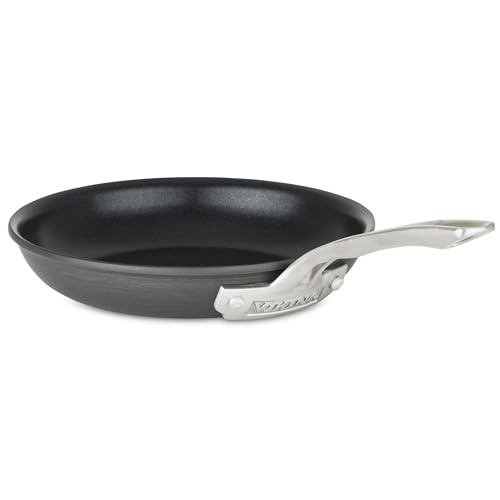
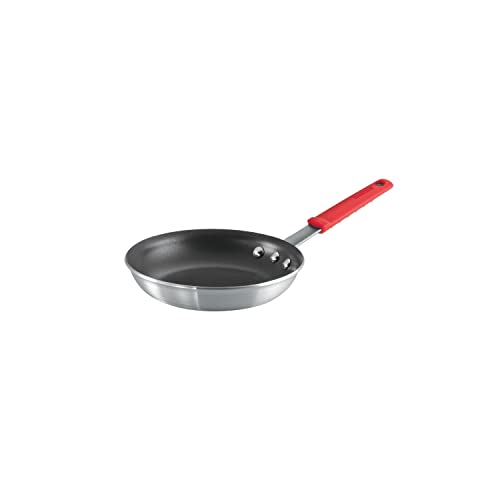

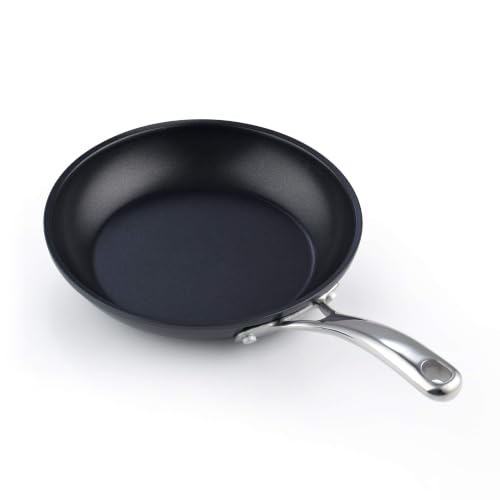


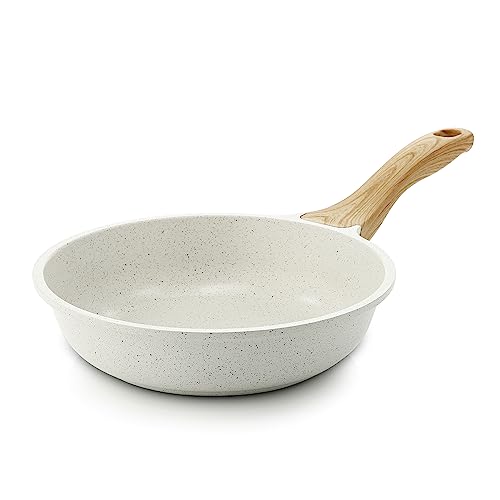

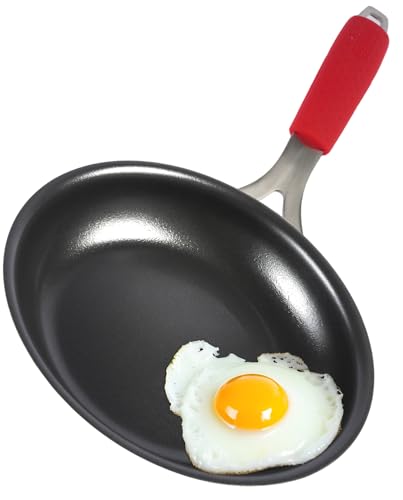


Quick Answer: Three Types That Fit Most Homes
Most homes do well with one of three types. A standard coated aluminum pan suits daily eggs and reheating, heats fast, and costs the least to replace. A ceramic coated pan suits cooks who prefer that coating family and accept a shorter coating life. A hard anodized pan with a thicker base suits households that cook small portions daily and want a sturdier feel. Pick the type first, then check size, stove fit, and oven rating below.
Before You Buy: A Quick Checklist for Choosing a Nonstick Pan
Size: Match It to Your Space
Measure the flat cooking surface, not just the rim, because an 8 inch label usually describes the top diameter while the base that touches your burner is smaller. That base should sit fully on a small burner or coil so heat stays even and the pan does not wobble. Check cabinet depth too, since the handle adds length beyond the cooking area. In a compact kitchen, a short handle and a hanging hole can matter as much as the pan body.
Which Type Fits Your Routine
Coated aluminum is the lightest and most common choice, and it releases eggs with very little fat. Ceramic coatings feel slick at first, which is why shoppers comparing a best ceramic nonstick pan often start there, but the slick feel tends to fade sooner with daily use. Hard anodized aluminum has a tougher exterior and a heavier feel. If you often sear at high heat, the debate around nonstick vs stainless steel is worth a look before you commit.
Features Worth It, and Ones to Skip
A lid is worth having if you melt cheese, steam vegetables in small amounts, or keep splatters down, though many 8 inch pans are sold without one. A metal handle is worth it if you plan to use the oven, as covered later in this guide. Skip large sets when you only need this one size, and skip decorative finishes that add cost without adding cooking value. A pour spout on each side genuinely helps with sauces and melted butter.
Is It Non Toxic?
Nonstick coatings fall into two broad families. Traditional coatings use PTFE, a stable material that makers advise using at low and medium heat, since very high heat can damage the coating and release fumes. Ceramic coatings are made without PTFE. If that concern leads your search, read our guide to the best non toxic nonstick pan and check the maker disclosure for the exact coating used, because packaging terms are not regulated in one standard way.
Induction, Gas, and Glass Top Compatibility
Induction stoves need a magnetic base, so look for an induction ready mark on the pan bottom. Plain aluminum will not work on induction unless it has a bonded steel plate in the base. Gas burners suit almost any base, but a small pan can sit unevenly on wide grates, so check stability before you heat it. On glass tops, a flat and smooth base protects the surface and keeps contact even across the cooking zone.
Oven Safe Temperature and Handles
Oven ratings vary a lot in this size, with many pans rated somewhere between 350 and 500 degrees Fahrenheit depending on the coating and the handle material. Phenolic and silicone covered handles usually carry lower limits than bare metal handles, so read the rating for the whole pan, not the body alone. Some coatings and handles are not rated for broiler heat at all. When the rating is unclear on the product page, treat the lower number as your limit.
Realistic Budget Ranges
At under $20, expect a light coated pan that does eggs well for a year or two of regular use, which suits renters and first kitchens. Between about $20 and $50, you gain thicker bases, better handles, and higher oven ratings. Above about $50 to $100, you pay for hard anodized bodies or premium ceramic coatings, not for better egg release. Since coatings wear out, a modest price with a planned replacement often beats one costly pan.
Three Types Compared: Choosing Without the Guesswork
Everyday Coated Aluminum
This is the default choice for apartments, dorms, and family kitchens that need a small pan for eggs and reheating. The light body heats quickly on a small burner and is easy to lift with one hand. Release is excellent while the coating is fresh, so cleanup takes seconds. The trade off is lifespan, since thin coatings wear faster than thicker ones. Choose it if you cook small breakfasts most days and accept replacing the pan every few years.
Simple Pans at Modest Prices
Value in this size comes from a flat base, a secure handle, and an honest oven rating, not from extra layers with fancy names. A basic pan performs nearly the same for eggs and pancakes as a costly one during its first year. This type suits guest rooms, vacation homes, and anyone furnishing a kitchen on a tight budget. Check the handle rivets or screws before you buy, since loose handles are the most common early failure.
Hard Anodized Bodies
Hard anodized aluminum gives this small size a denser, more rigid body that resists warping on high output burners better than thin pans do. The exterior stands up to stacked storage with less visible wear. Coatings on these bodies still wear, so long term value means a longer useful life, not a permanent pan. Choose this type if the pan will see daily use for years. It also suits cooks who prefer some weight in the hand when flipping food.
What to Weigh When Comparing Small Nonstick Pans
Compare pans on the factors in the checklist above: even heating from the base design, coating family and stated durability, material disclosures, stove and oven compatibility, and how easy the pan is to clean and store. Maker specifications and recurring buyer comments, such as reports of warping or handle looseness, help separate sturdy pans from fragile ones. A pan is a good fit when its stated specs match the job this size is bought to do.
Is an 8 Inch Nonstick Pan the Right Size for You?
Choose this size when most of your small cooking jobs serve one or two people. It fries one or two eggs neatly, toasts a single sandwich, browns a small portion of mushrooms, and reheats a serving of rice without crowding. Shoppers focused on breakfast often land here, and our guide to the best nonstick pan for eggs explains why small diameters help eggs set evenly. It is the right size if a larger pan mostly sits in the sink after cooking a tiny portion.
Skip this size, or pair it with a bigger pan, when you cook for three or more people at once. Four eggs crowd the surface and steam instead of fry, and a full pack of bacon will never fit in one layer. A 10 inch or 12 inch pan handles family breakfasts far better. Many households own both, using the small pan daily and the large one when everyone eats together.
Common Buying Mistakes to Avoid
- Buying the 8 inch size for family meals, which leads to crowded food that steams instead of browning.
- Judging the pan by its rim width and ending up with a base too small to sit steady on your burner.
- Ignoring the oven rating of the handle, then finding the pan cannot finish a dish in the oven.
- Paying for a large set when you only need one small pan, which wastes both money and cabinet space.
- Forgetting the cost of replacement, since every nonstick coating wears out and needs a new pan in time.
- Choosing a coated pan for induction cooking without a magnetic base, so the stove never heats it at all.
Cost of Ownership and Care
The purchase price is only part of what this pan costs you. Plan on a replacement every few years, and budget for soft sponges and wooden or silicone tools that protect the coating. Hand washing takes about a minute and keeps the coating slick far longer than dishwasher cycles, even when a maker allows machine washing. Our step by step guide on how to clean a nonstick pan covers stuck on residue without harsh scrubbing.
Daily care is simple. Let the pan cool before washing so a sudden temperature change does not stress the base. Cook on low and medium heat for most jobs, preheat briefly rather than leaving the empty pan on a hot burner, and add a cloth layer if you stack other pans on top. Replace the pan when eggs start sticking in the center or the coating looks scratched and dull in patches.
FAQ
Can an 8 inch nonstick pan go in the dishwasher safely?
Many makers say yes, but detergent and the jostling of a wash cycle wear the coating faster than hand washing does. If you rely on the dishwasher, place the pan where it cannot bang against racks or other pans, and accept a shorter coating life. A quick hand wash right after cooking, while residue is still soft, usually takes less time than loading the machine for one small pan.
What foods cook best in an 8 inch nonstick pan?
Beyond the eggs and sandwiches covered earlier, this size shines with single fish fillets, sautéed greens, crepes, and reheated pizza slices that crisp at the edges. It also works for melting butter, toasting nuts, and blooming spices in oil, jobs where a large pan spreads ingredients too thin. Keeping it for gentle foods also protects the coating, since searing meat at high heat ages small pans fastest.
Does an 8 inch nonstick pan work for a single chicken breast?
Yes, if the breast is small or pounded to an even thickness, with room on all sides for steam to escape. Crowding is the main risk, so one breast is the limit and a lid helps it cook through. Brown on medium heat rather than high heat to protect the coating, and let the meat rest afterward. For two breasts or thick cuts, move up a size.
How do I know if my stove burner is too big for an 8 inch pan?
Look at the flame or the glowing ring while the pan sits centered on the burner. If heat spills past the base and climbs the sides, the burner is too large, and that extra heat can scorch the sidewall coating and overheat the handle. On gas, the flame should stay under the base edge. On electric coils, choose the smallest coil that still supports the pan steadily.
Should I buy one 8 inch pan or a set with several sizes?
Buy the single pan if you already own a larger skillet you like, because a set would duplicate what your kitchen already covers. A set makes sense when you are starting from nothing and the combined price beats buying sizes one at a time. Check that each piece has the base type your stove needs, since sets sometimes mix induction ready and standard bases.
Final Thoughts
For most households, a coated aluminum pan in this size covers daily eggs, sandwiches, and small sides with the least fuss and the lowest cost per year of use. Step up to a hard anodized body if the pan will work daily for years, and consider ceramic if avoiding PTFE matters most. Whichever type you choose from the product table above, the best 8 inch nonstick pan is the one that fits your burner, your storage, and your portions.


